
Soups & Stews
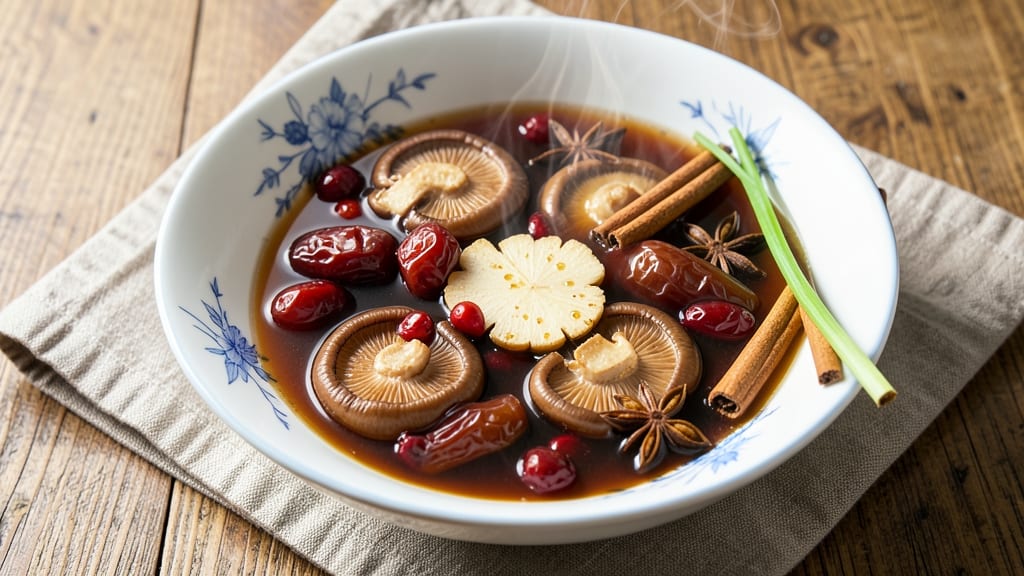
This Beijing soup recipe delivers the soul-warming essence of a bustling Beijing alleyway in every steaming bowl. 🌟 The Eight-Treasure Broth—infused with goji berries, red dates, and ginger—simmers for hours to create a fragrant, silky foundation that cradles delicate rice noodles and tender proteins.
What makes this recipe special isn't just the depth of flavor, but the balance: rich yet light, savory without heaviness, and perfectly suited for both weeknight comfort and special occasions.
The heart of this dish lies in its slow-cooked broth, where eight precious ingredients—each chosen for their unique properties—work together to create harmony. Traditional recipes rely on a delicate touch: too much spice disrupts the balance, while too little leaves the soup flat.
Here, we focus on authentic techniques like toasting whole spices and simmering the broth low and slow, ensuring every sip carries layers of umami and warmth. The result is a broth so fragrant it transforms even the simplest ingredients—rice noodles, mushrooms, or shredded chicken—into something extraordinary.
What sets this recipe apart is its versatility. Serve it as a light lunch with crispy pan-fried dumplings on the side, or elevate it to a celebratory meal with braised pork belly and fresh herbs.
The silky rice noodles, cooked just shy of al dente, absorb the broth beautifully, creating a dish that's both nourishing and deeply satisfying. The secret? A foolproof method that ensures the broth remains clear and aromatic, while the noodles stay tender and the proteins melt in your mouth.
Perfect for cozy evenings or family gatherings, this Beijing soup is more than just a recipe—it's a cultural experience. Whether you're introducing someone to the flavors of Beijing or recreating a cherished memory, this dish delivers the warmth, depth, and tradition of a classic.
Let's get started on creating a bowl that feels like home.
Ingredients for beijing soup
Eight treasures simmered into one fragrant broth—where tradition meets delicate balance for a bowl of pure comfort.
| Ingredient | Amount | Notes |
|---|---|---|
| Dried Shiitake Mushrooms 🍄 | 1 oz | Rehydrated for umami depth |
| Goji Berries 🍇 | ½ oz | Dried, rinsed thoroughly |
| Red Dates 🍈 | 4 whole | Pitted, for natural sweetness |
| Fresh Ginger 🧄 | 1 inch | Thinly sliced, peeled |
| Star Anise Pods 🌟 | 2 whole | Lightly toasted for aroma |
| Cinnamon Sticks 🌿 | 2 whole | Broken into 1-inch pieces |
| Dried Tangerine Peel 🍊 | 1 tbsp | Thinly sliced, organic preferred |
| Rock Sugar 🍬 | 2 tbsp | Or substitute white sugar |
| Chicken Breast 🍗 | 1 lb | Boneless, skinless, shredded |
| Dried Rice Noodles 🍜 | 8 oz | Thin, silky variety preferred |
| Fresh Shiitake Mushrooms 🍄 | 4 whole | Sliced, for garnish |
| Green Onions 🧅 | 3 whole | Thinly sliced, for garnish |
| Sesame Oil 🫒 | 1 tbsp | Toasted, for finishing |
| Light Soy Sauce 🍶 | 2 tbsp | For seasoning broth |
| White Peppercorns 🌶️ | ½ tsp | Freshly cracked |
The dried ingredients form the soul of this soup. Goji berries and red dates from Whole Foods or specialty Asian markets deliver that authentic sweetness—avoid pre-mixed blends, which often contain fillers. For shiitake mushrooms, dried is non-negotiable; fresh won't replicate that deep umami. Toast your star anise and cinnamon sticks in a dry pan for 30 seconds before adding to the broth—this unlocks their aromatic oils. The rock sugar (or white sugar) should dissolve completely; any grit remains will make the broth cloudy. Organic dried tangerine peel is ideal, but if unavailable, omit entirely—citrus isn't essential here.
No goji berries? Dried apricots at half the amount work surprisingly well, though they lack the subtle tartness. Running short on dried shiitake? Mushroom powder (from dried shiitake) can intensify flavor, but use one-third the amount of what you'd use fresh. The chicken breast can be swapped for shredded tofu or pork shoulder, though pork requires longer cooking. For the rice noodles, vermicelli or angel hair won't cut it—they lack the chewy texture. If you can't find dried rice noodles, fresh rice noodles soaked in hot water are a poor substitute; the texture won't hold up.
Broth keeps for 5 days refrigerated in an airtight container, though it tastes best within 3 days. Freeze portions in ice cube trays for up to 3 months—perfect for quick weeknight meals. The dried ingredients (goji berries, red dates, etc.) can be prepped ahead and stored in a sealed jar for up to 6 months in a cool, dark place. For the fresh garnishes, store shiitake mushrooms in a paper bag in the fridge and green onions in a jar of water with a plastic bag over the top to maintain crispness. The sesame oil should be kept in the freezer once opened to preserve its flavor.
Why You'll Love This Recipe
- Pantry Magic: I swear by this soup because it’s basically a "what’s in your cupboard?" challenge. Dried shiitake and goji berries? Already in my kitchen. Red dates and star anise? Hidden in the back of the spice drawer. Five minutes of soaking, 20 minutes simmering—no last-minute grocery runs.
- Umami Bomb: That first sip? Earthy, sweet, and deep—like a hug in broth form. The shiitake soaks up the ginger’s kick while the red dates melt into caramelized warmth, and the star anise? It’s the secret whisper that ties everything together. (Yes, even my skeptical roommate asks for seconds.)
- Weeknight to Holiday: Between us, this is my lazy Sunday dinner and my "wow, I cooked" dish for company. Double the batch? Freezer-friendly for flu season. Serve it with dumplings for a casual night or pour it over rice for a fancy-ish lunch. It adapts like a chameleon.
- Budget Superstar: I make this for under $5 a bowl—no joke. Dried mushrooms and goji berries last forever, and a single star anise pod stretches across three soups. Leftovers? Even better the next day. Honestly, it’s the kind of recipe that makes me feel like I’m feeding the whole family without breaking the bank.
Step-by-step instructions for fragrant eight-treasure broth
Here's how to craft this aromatic Chinese classic with perfect balance and depth.
🔥 Step 1: Infuse the Broth with Spices and Aromatics
In a large pot, combine the 1 oz dried shiitake mushrooms, 0.5 oz goji berries, 4 whole red dates, 1 inch fresh ginger, 2 whole star anise pods, 2 whole cinnamon sticks, 1 tbsp dried tangerine peel, and 2 tbsp rock sugar. Add 8 cups cold water and bring to a boil over medium-high heat.
Once boiling, reduce heat to low and let it simmer uncovered for 30 minutes. This slow infusion extracts maximum flavor from the aromatic ingredients. You'll notice the liquid develops a rich amber color and subtle floral notes from the goji berries and tangerine peel.
Strain the broth through a fine-mesh sieve into a clean pot, pressing gently on the solids to extract all the essence. Discard the used spices - they've done their job. Here's the thing - this strained broth forms the aromatic foundation of your soup, so don't rush this step.
🍳 Step 2: Cook the Chicken and Prepare Noodles
In the same pot, add the 1 lb shredded chicken breast and 2 tbsp light soy sauce. Bring to a gentle simmer over medium heat and cook for 8-10 minutes until the chicken is fully heated through and the broth begins to thicken slightly. The chicken should be completely submerged - if not, add a little hot water.
While the chicken simmers, prepare the 8 oz dried rice noodles by soaking them in a bowl of hot water for 10-12 minutes until pliable but still slightly firm. The noodles should be able to hold their shape when drained - over-soaking makes them mushy. Drain and set aside, tossing with a little sesame oil to prevent sticking.
This is where the magic happens - the chicken absorbs the aromatic broth while the noodles prepare perfectly. Real talk: don't skip the sesame oil on the noodles, it adds that signature nutty aroma that elevates the dish.
🥘 Step 3: Assemble and Garnish the Soup
Return the drained noodles to the pot with the chicken and broth. Gently stir to combine, being careful not to break the noodles. Add the 0.5 tsp freshly cracked white peppercorns and let the soup simmer together for 2-3 minutes to meld all the flavors.
Ladle the soup into serving bowls, dividing the chicken and noodles evenly. Garnish each serving with 4 slices of fresh shiitake mushrooms and 3 slices of green onions. Drizzle with an additional ½ teaspoon sesame oil per bowl for that final aromatic touch.
The presentation matters here - the fresh shiitake slices add visual contrast and a satisfying crunch, while the green onions bring freshness to balance the rich broth. Serve immediately while the noodles are still warm and the broth maintains its silky texture.
Pro Tips For Making Beijing Soup
- SOAK SHIITAKES 30 MINUTES: Dried shiitakes are stubborn—skip the overnight soak and you’ll end up with a soup that tastes like sawdust. Thirty minutes in hot water (not boiling) softens them just enough to release their umami without turning them into mush. Drain and rinse twice—those little grit particles are sneaky.
- SLICE GINGER THINLY: Thick ginger chunks sit like rocks in Beijing soup. Use a mandoline or sharp knife to slice it paper-thin—this way, every sip gets that warm, bright kick without overpowering. My first attempt with "chunks" made me question why my soup tasted like a spice cabinet exploded.
- DON’T BOIL THE STAR ANISE: Star anise is delicate—tossing it into boiling water turns it bitter and ruins the soup’s balance. Simmer it gently in cold or lukewarm broth first, then gradually heat to 180°F (82°C). It’ll perfume the soup without turning it medicinal. (Yes, I’ve burned mine. Twice.)
- STRAIN THE GOJI BERRIES: Goji berries are magical, but their fibers turn to grit if left whole. Rinse them first, then strain the soup through a fine-mesh sieve after simmering. This keeps the sweetness and color without the texture of chewing on tiny seeds. I learned this after my mother-in-law gave me the look over her perfect bowl.
Troubleshooting perfect results
Broth Too Cloudy?
If your broth looks cloudy after simmering, it likely means the spices weren't strained properly or the water wasn't filtered. Use a fine-mesh sieve or cheesecloth for straining, pressing gently on solids to extract all flavor.
For extra clarity, add 1 extra cup of water after straining and simmer uncovered for another 5 minutes—this helps settle any remaining particles. I've found that using distilled water instead of tap can also prevent cloudiness from minerals. 🌟
Noodles Turning Mushy
Over-soaking is the #1 cause of mushy noodles. Test them at 10 minutes—they should be pliable but still hold their shape. If they're too soft, drain immediately and toss with 1 tsp sesame oil to prevent sticking.
For extra insurance, soak noodles in ice water for the last 2 minutes to halt cooking. I keep a bowl of cold water nearby when prepping noodles to reset them if needed.
Weak or Bland Flavor
Weak flavor usually means the broth didn't infuse long enough. Extend simmering to 45-60 minutes for deeper umami. Toast your star anise and cinnamon for 30 seconds before adding to boost aroma. For an extra kick, add ½ tsp fish sauce or 1 tsp oyster sauce at the end.
I've also found that using dried shiitake powder (½ tsp) in the broth intensifies the mushroom depth without cloudiness. 💡
Chicken Too Dry
Shredded chicken can dry out if cooked too long. Keep the broth at a gentle simmer (180°F) and cook for no more than 8 minutes. For juicier results, poach the chicken separately in the broth, then add it back just before serving.
I like to reserve ½ cup broth before adding chicken—adding it back at the end keeps everything moist. If using pork, increase cooking time to 12-15 minutes but monitor closely.
Garnishes Losing Freshness
Fresh shiitake and green onions wilt quickly in hot broth. Add them right before serving—never let them sit in the soup. For extra crunch, quickly blanch shiitake slices in boiling water for 10 seconds, then plunge into ice water.
Store fresh garnishes in separate airtight containers in the fridge, wrapped in paper towels to absorb moisture. I keep a small bowl of cold water with a plastic bag over green onions to keep them crisp for up to 5 days.
Broth Too Sweet
If the soup tastes overly sweet, reduce the sugar next time or balance it with more soy sauce (1 extra tbsp). For immediate fixes, add 1 tsp rice vinegar or a pinch of salt to cut sweetness.
I've also found that toasting the red dates for 1 minute before simmering reduces their natural sweetness while keeping their texture. Adjust to taste—this soup should have a subtle sweetness, not cloying richness. 🍯
Nutrition facts
Frequently asked questions
What makes this Eight-Treasure Broth different from regular Chinese soups?
This recipe uses eight specific aromatic ingredients—shiitake mushrooms, goji berries, red dates, ginger, star anise, cinnamon, tangerine peel, and rock sugar—that create a complex, fragrant broth. Unlike simpler soups, the slow simmering process extracts deep umami and floral notes from each ingredient, resulting in a broth that's both nourishing and subtly sweet. The key difference is the balance: rich yet light, with layers of flavor rather than just salt and spices.
Can I substitute any of the dried ingredients?
Yes, but with care. For goji berries, dried apricots work in a pinch (use half the amount). If you can't find dried shiitake, try mushroom powder (½ tsp) or dried porcini. Skip the tangerine peel if unavailable—it's not essential. The most important substitution is sugar: rock sugar can be replaced with white sugar, but avoid brown sugar as it may darken the broth. Always toast spices before adding to boost flavor.
How do I adjust the spice level for sensitive eaters?
This recipe is naturally mild, but you can make it even gentler by omitting the white peppercorns or reducing them to ¼ tsp. For extra smoothness, strain the broth through a fine-mesh sieve twice. If you prefer no spice at all, simply skip the pepper entirely—the broth's natural sweetness and umami will still shine. The ginger provides a subtle warmth, but it's easily controlled by using less (½ inch instead of 1 inch).
What's the best way to reheat leftovers?
Reheat gently on the stove over low heat (160°F) for 3-4 minutes, stirring occasionally. Avoid microwaving as it can make the noodles mushy. For extra freshness, store broth and noodles separately—reheat the broth first, then add fresh noodles just before serving. If reheating from frozen, thaw overnight in the fridge first, then warm slowly. Never reheat more than once to preserve texture and flavor.
Can I make this soup vegetarian or vegan?
Replace the chicken with shredded tofu or king oyster mushrooms (simmer for 10-12 minutes). For vegan broth, omit rock sugar (use agave syrup) and ensure all ingredients are plant-based. The dried ingredients—shiitake, goji berries, and red dates—remain perfectly vegan. Garnish with extra mushrooms or fresh herbs for color. The resulting soup will be hearty and flavorful, just without meat.