
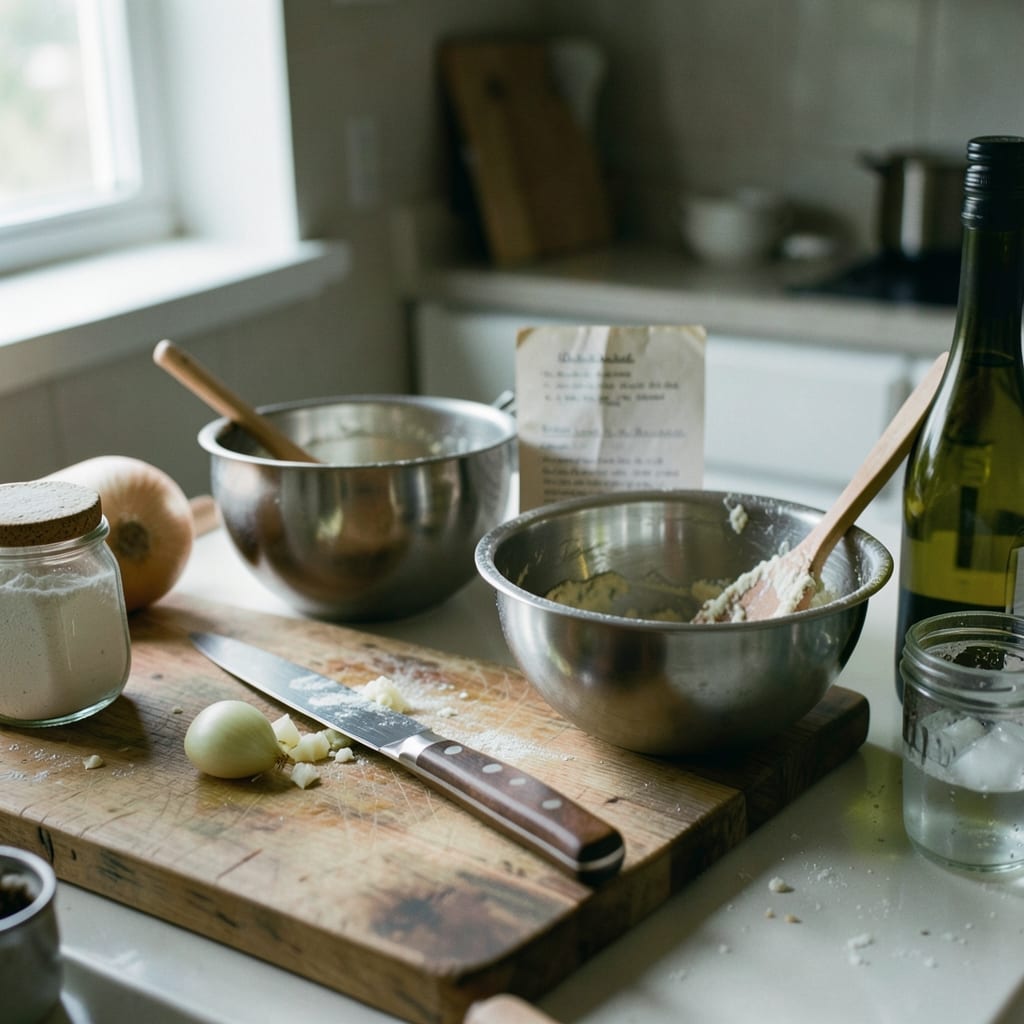
What is on this site
This site collects recipes for soups, stews, broths, and the dishes that live alongside them—both the ones your grandmother made and the ones you’ll want to make tomorrow. Every recipe is tested for taste, clarity, and the little details that turn a good bowl into a great one.
The site is organised by type (soup, stew, drink, side), by technique (slow-cooked, one-pot, pressure cooker), and by what you have on hand (pantry staples, seasonal ingredients, leftovers). No fluff, no guesswork—just what works.
| Where | What is there | Go here if |
|---|---|---|
| The homepage | Latest recipes and seasonal highlights | You want to browse what’s new |
| The recipes index | All dishes sorted by type and technique | You’re looking for something specific |
| The techniques guide | Step-by-step breakdowns of methods | You need to master a skill |
| The pantry guide | How to use what you already have | Your fridge is half-empty |
How to read a page here
Every recipe page starts with the name, a brief description, and the total time—including prep and cook. If a step is critical (like deglazing a pot or skimming fat), it’s marked with a number in the instructions.
Ignore the side notes on the first read: those are for when you’re troubleshooting.
Ingredients are listed in the order they’re used, with quantities in grams for precision and cups for convenience. If a recipe assumes you know how to do something (like making a roux), there’s a link to the technique guide.
Timings are real: these are dishes made in a home kitchen, not a lab.
The ‘Why this works’ section explains the small choices—why a pinch of sugar balances acid, why a splash of wine deglazes better than water. Skip it on the first try, but come back if the result isn’t right.
When it does not work
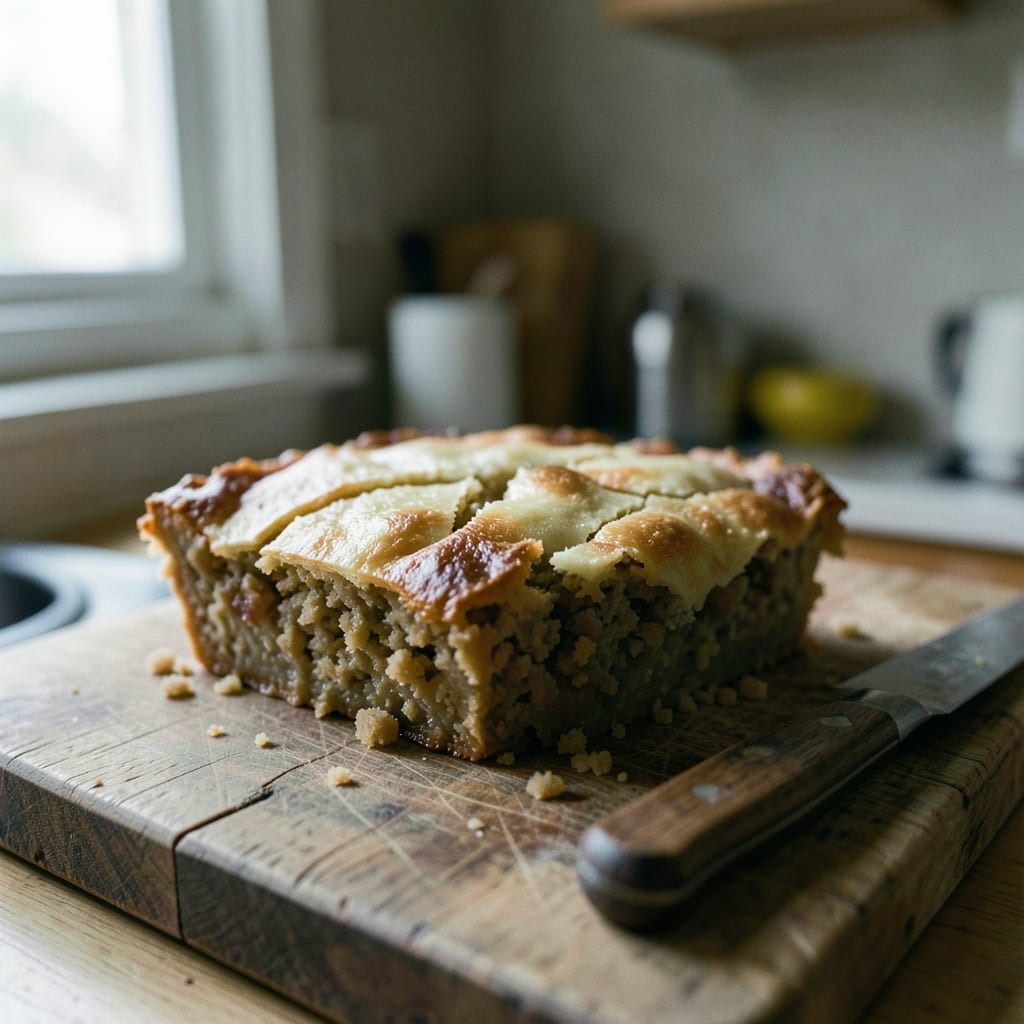
If a recipe fails, it’s usually one of four things: the wrong ingredient (substituting low-fat yogurt for sour cream), a missed step (not toasting spices before adding them), the wrong tool (a nonstick pot for a sear), or the wrong expectation (assuming a broth will thicken like a stew).
Before you give up
- Check the ingredient list for substitutions—some swaps ruin texture.
- Look for the ‘Notes’ section at the bottom for hidden tips or common mistakes.
- Try the recipe again with the exact tools mentioned (a heavy pot for searing, a whisk for emulsifying).
- Ask yourself: did I skip a step, or did I misread the timing?
Who we are

This site is built by someone who still burns the edges of soup sometimes.
| The colophon | |
|---|---|
| Written by | Estelle Yoder, who tests every recipe in her kitchen in Portland, Oregon, where the humidity makes dumplings stick and the winters demand hearty broths. |
| Tested in | A 1970s kitchen with a single burner that misfires, a set of chipped enameled pots, and a counter too narrow for two cooks. The freezer is full of failed experiments. |
| Written with | A 10-inch cast-iron skillet, a wooden spoon that’s seen decades of soups, and a notebook where margins are scribbled with corrections. |
| Learned from | A grandmother who measured by taste (‘a spoonful more salt’) and a high school chemistry teacher who explained why acid makes beans tender. |
| Still getting wrong | The exact moment to add salt—sometimes it’s too late, sometimes it’s not enough. |
The best soups are the ones that feel like they were made for you, even if they weren’t. That’s the kind of recipe this site tries to leave you with.
If you need something that is not here
If you’re looking for a recipe that isn’t posted—maybe it’s a regional dish, a family secret, or something you can’t find ingredients for—start with the pantry guide or the techniques section. If that doesn’t help, the contact page is the place to ask.
No question is too small, and no ingredient is too obscure.
The recipes are grouped by category: Appetizers, Beverages, Breakfast & Brunch, Desserts, Main Courses and Reviews.