
Soups & Stews
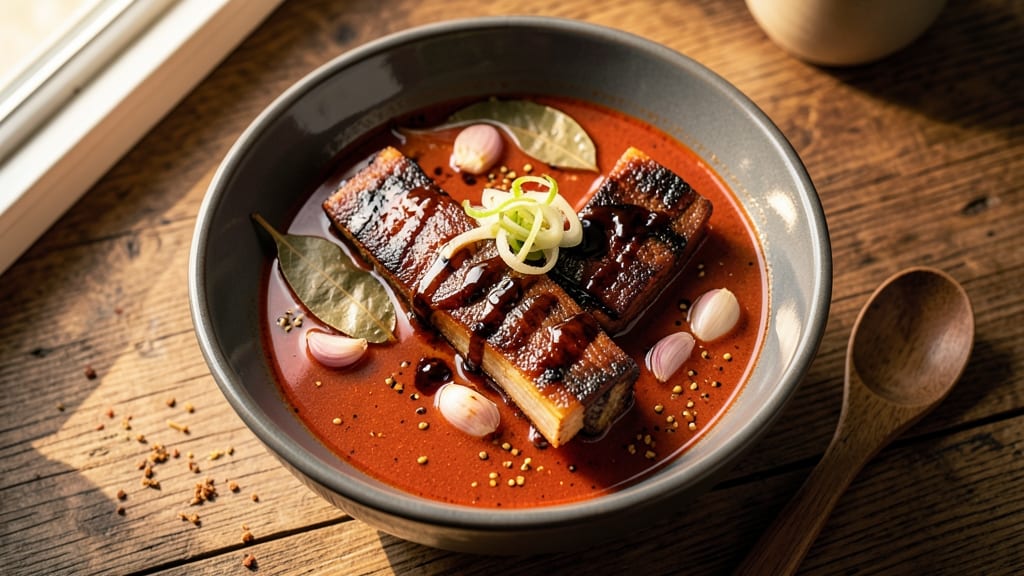
This beef ribs soup recipe Panlasang Pinoy transforms tough ribs into melt-in-your-mouth tenderness through slow simmering and layered Filipino flavors. The secret lies in balancing smoky bone broth with sweet-savory soy caramelized ribs—creating a dish that’s both hearty and deeply comforting.
Filipino home cooks know this soup is a labor of love, but the long hours of simmering pay off in rich, umami-packed broth and ribs that practically fall apart.
The magic happens with traditional ingredients like annatto seeds for color, garlic and ginger for depth, and bay leaves for aromatic complexity.
Unlike quick soups, this recipe demands patience—ribs simmer for hours until tender, absorbing the flavors of soy sauce, vinegar, and a touch of sugar that caramelizes into a glossy glaze. Every spoonful delivers that perfect harmony of smoky, sweet, and tangy notes that define Filipino comfort food.
What makes this recipe special is its versatility—serve it as a standalone meal with steamed rice, or pair it with atchara (pickled papaya) for a tangy contrast. The broth alone is so flavorful it can be used for rice cooking or as a base for other dishes.
Whether you're recreating home-style Filipino flavors or introducing them to family, this soup delivers restaurant-quality results in your own kitchen.
Ready to master this classic? The process is straightforward once you understand the key techniques: proper browning of ribs, layering flavors gradually, and letting the soup work its magic through slow simmering.
Each step builds on the last, transforming simple ingredients into a dish that feels like a warm embrace. Let's get started on creating your own Panlasang Pinoy masterpiece.
Ingredients for beef ribs soup recipe panlasang pinoy
Sixteen ingredients that transform tough ribs into melt-in-your-mouth Filipino comfort.
| Ingredient | Amount | Notes |
|---|---|---|
| Beef Ribs 🥩 | 3 lb | Beef short ribs, cut into 2-inch pieces |
| Annatto Seeds 🌶️ | 1 tsp | For vibrant red color, optional but traditional |
| Garlic Cloves 🧄 | 8 cloves | Minced for aromatic depth |
| Fresh Ginger 🌿 | 2 tbsp | Grated, for zesty kick |
| Bay Leaves 🍃 | 2 whole | Dried, for aromatic complexity |
| Soy Sauce 🍶 | ½ cup | Regular or dark soy for caramelization |
| Cane Vinegar 🍋 | ¼ cup | White or cane vinegar for tang |
| White Sugar 🍚 | ¼ cup | For caramelizing ribs |
| Onion 🧅 | 1 whole | Yellow onion, sliced |
| Carrot 🥕 | 2 whole | Medium carrots, sliced |
| Potato 🥔 | 1 lb | Russet potatoes, cubed |
| Green Bell Pepper 🌶️ | 1 whole | Sliced for freshness |
| Water 💧 | 8 cups | For initial broth |
| Salt 🧂 | 1 ½ tsp | Adjust to taste |
| Black Peppercorns 🌶️ | ½ tsp | Crushed for heat |
The beef ribs are the star—look for short ribs with good marbling at your local butcher or Filipino markets where they often carry pre-cut beef ribs. If you can't find them, beef chuck roast works in a pinch, but it won't have the same rich flavor. Annatto seeds are key for that signature red color—Trader Joe's or Asian grocery stores usually stock them. Fresh ginger and garlic should be vibrant and aromatic; if your ginger has sprouted, it's still fine, but avoid any moldy spots. Bay leaves are non-negotiable for that deep, earthy aroma that defines Filipino soups.
No annatto seeds? Paprika or beet juice can mimic the color, though it won't be as authentic. Running short on soy sauce? Coconut aminos or tamari work, but the flavor will be slightly different. Vinegar substitutes? Lemon juice or apple cider vinegar are fine, but cane vinegar adds that classic tang. For the vegetables, frozen mixed veggies are a lifesaver if fresh ones are out of season—just thaw and drain them well. The potatoes and carrots should be firm; if they're soft or sprouting, skip them. And if you're feeling adventurous, add a splash of calamansi juice for extra zing, but it's not traditional.
This soup tastes even better the next day—double the batch and freeze half for lazy weeknights. Store leftovers in the fridge for up to 4 days, or freeze for 3 months. The broth alone is a treasure—use it for rice cooking or as a base for other dishes. If you're meal prepping, portion the ribs and broth separately so you can reheat just what you need. And trust me, the longer it simmers, the richer it gets—don't rush it!
Why You'll Love This Recipe
- I’ll be real: beef ribs aren’t cheap, but this recipe stretches them so well. A single slab feeds four, and the broth? Rich enough to freeze for future “I’m too tired to think” nights. Plus, annatto seeds and bay leaves are pennies—flavor on a budget.
- One-Pot Magic: I swear by this recipe because it’s literally one pot—no chopping boards overflowing, no extra pans to wash. Just toss in the ribs, garlic, ginger, and a handful of annatto seeds (that’s the secret for that golden glow), then let the broth work its magic. My lazy Sundays thank me.
- Umami Bomb: Between us, the beef ribs here aren’t just meat—they’re deep. The annatto seeds add this earthy, slightly sweet warmth, while the bay leaves and ginger layer in complexity. It’s the kind of soup where the first sip makes you go, “Wait, this is why people cook?”
- Leftovers That Don’t Suck: Honestly, I make this on Sundays because the second batch is better. The flavors meld overnight, and reheating it? Just add hot water—no mushy textures, no sad soup. My kids actually beg for it the next day (and I let them, because priorities).
Step-by-step instructions for smoky-sweet beef ribs soup
Here's how to transform tough beef ribs into tender, caramelized perfection with a rich, smoky broth.
Prepare the Ribs for Maximum Flavor
Start by cutting the 3 lb beef ribs into 2-inch pieces, removing any excess silver skin but leaving the bone intact. This size ensures even cooking while preserving the meat's natural juices. In a small bowl, toast the 1 tsp annatto seeds in a dry skillet over medium heat for 1 minute until fragrant—this releases their vibrant color and earthy aroma. Remove from heat immediately and let cool slightly.
While the annatto cools, crush the 0.5 tsp black peppercorns in a mortar and pestle or between two spoons. This releases their oils and intensifies the heat. Set aside both the annatto and peppercorns for later use. The annatto will give your soup that signature deep red hue, while the peppercorns add a subtle, aromatic warmth that balances the sweet-savory profile.
Build the Caramelized Rib Base
In a large Dutch oven, combine the rib pieces with the 0.5 cup soy sauce, 0.25 cup cane vinegar, and 0.25 cup white sugar. Stir well to coat the ribs evenly, then place the pot over medium-high heat. Let the mixture simmer uncovered for 10 minutes, stirring occasionally, until the ribs develop a glossy, sticky glaze and the liquid reduces by about half. This caramelization step is crucial—it creates that signature sweet-savory depth that defines Panlasang Pinoy ribs.
After 10 minutes, add the 8 cloves minced garlic and 2 tbsp grated fresh ginger. Stir and cook for another 2 minutes until the garlic turns golden and the ginger becomes fragrant. The aroma should fill your kitchen—this is your cue that the aromatics are properly activated. Here's the thing: don't rush this step. Properly caramelizing the soy and sugar takes time, but it's worth every minute for that rich, complex flavor.
Develop the Smoky Broth
Add the 8 cups water to the pot, scraping up any browned bits from the bottom. Bring to a boil, then reduce heat to low and add the 2 whole bay leaves. Let the ribs simmer gently for 1 hour, partially covered, skimming off any foam that rises to the surface. This initial simmering draws out collagen from the bones and connective tissue, creating a rich, gelatinous broth that will thicken as it cools.
After 1 hour, add the sliced 1 whole onion, 2 whole carrots (cut into thick slices), 1 lb cubed potato, and 1 whole sliced green bell pepper. Stir gently to distribute these vegetables throughout the broth. The potatoes will absorb some of the broth's richness while adding hearty texture, while the bell pepper contributes a fresh, slightly sweet contrast to the deep umami flavors. Keep the soup simmering gently for another 45 minutes, until the vegetables are tender but not falling apart.
Finish with Seasoning and Resting
Remove the pot from heat and carefully strain the broth through a fine-mesh sieve into a clean pot, pressing gently on the solids to extract maximum flavor. Discard the bay leaves and return the strained broth to the heat. Add the toasted annatto seeds and crushed peppercorns, stirring until fully incorporated. Taste and adjust seasoning with the 1.5 tsp salt if needed—the broth should be rich but not overly salty, with a perfect balance of sweet, sour, and umami.
Return the rib pieces to the broth and simmer gently for an additional 30 minutes to reabsorb some of the flavorful liquid. For best results, let the soup rest uncovered in the refrigerator for at least 2 hours before serving. This resting period allows the flavors to meld completely and the broth to thicken naturally. When ready to serve, gently reheat the soup over low heat, skimming off any excess fat that rises to the surface for a cleaner presentation.
Pro Tips For Making Beef Ribs Soup Recipe Panlasang Pinoy
- BLANCH THE RIB BONES: Start by simmering the beef ribs in salted water for 10 minutes before adding them to the soup. This removes impurities and blood, which can cloud the broth—my grandmother called it "cleaning the meat." Skip this, and your soup might taste metallic or off.
- TOAST THE ANNATTO SEEDS: Lightly fry the annatto seeds in a dry pan for 30 seconds until fragrant. This deepens their flavor and prevents that bitter aftertaste that sneaks in if you just toss them raw. I learned this the hard way after a batch tasted like soap.
- DON’T CROWD THE GINGER: Slice the ginger paper-thin (or grate it) and add it in layers, not all at once. Too much at once makes the broth bitter, and you’ll end up straining out half of it. Thin slices also infuse faster—no need to boil for hours.
- USE BAY LEAVES LAST: Tuck the bay leaves into the ribs after the soup has simmered for 20 minutes. If you add them early, they’ll turn to mush and leave a bitter residue. Remove them before serving—no one wants a leaf in their spoonful.
Serving suggestions for leftovers
Rice Pairings
Serve this rich beef ribs soup with steamed jasmine rice—its delicate aroma complements the deep umami flavors perfectly. I like to cook 1 cup rice to 1.5 cups water in a rice cooker, then fluff with a fork before serving.
For extra authenticity, try Filipino-style garlic rice by sautéing 3 minced garlic cloves in 1 tbsp butter before adding the rice and broth. 🍚
Pickled Contrasts
Balance the hearty ribs with atchara (pickled papaya)—its tangy crunch cuts through the richness. Store-bought atchara works, but homemade is better.
Mix 2 cups shredded green papaya with ½ cup vinegar, ½ cup sugar, 1 tsp salt, and 1 tbsp mustard seeds, then let sit for 24 hours. Serve 2 tbsp per bowl alongside the soup. 🍋
Crunchy Toppings
Add texture with crispy garlic fried shallots or toasted garlic chips. Fry ½ cup sliced shallots in ¼ cup oil until golden, then drain on paper towels. Sprinkle 1 tbsp over each bowl for a nutty crunch.
For extra flair, try crispy chicharon (pork cracklings)—Filipino markets sell these pre-fried, or you can pan-fry 1 cup pork belly slices until crispy. 🌟
Broth Uses
Don’t waste the leftover broth—use it for rice cooking or as a base for sinigang (sour soup). For rice, simmer 1 cup broth with 1 cup rice and 1.5 cups water until tender.
For sinigang, add 1 lb tamarind pulp, 1 lb mixed veggies, and 1 lb pork to 4 cups broth, then simmer for 30 minutes. The broth’s depth elevates both dishes. ✨
Garnish Like a Pro
Finish each bowl with freshly chopped green onions and sliced Thai basil for brightness. I also like adding a squeeze of calamansi juice (or lemon) at the table—its citrusy tang enhances the sweet-savory balance. For a smoky touch, sprinkle a pinch of smoked paprika over the top. 🌿
Leftovers Reinvented
Transform leftover ribs into beef ribs sinigang by simmering them with tamarind broth, radish, and eggplant. Or make beef ribs adobo by braising the ribs in ½ cup soy sauce, ½ cup vinegar, and ½ cup sugar for 1 hour.
Both dishes repurpose the rich flavors beautifully. 💡
Nutrition facts
Frequently asked questions
Can I use beef chuck roast instead of beef ribs?
Yes, beef chuck roast works as a substitute, but the texture and flavor will differ slightly. Chuck has more connective tissue, so it will become fork-tender but won't have the same rich bone marrow flavor as ribs. Cut it into 2-inch cubes and increase simmering time by 30 minutes to ensure tenderness. For best results, marinate the chuck in ½ cup soy sauce and 1 tbsp vinegar for 2 hours before cooking.
Why does my beef ribs soup taste too salty?
This usually happens from over-salting during the caramelization step or using too much soy sauce. To fix it, add 1 cup water or 1 cup milk to dilute the broth, then skim off excess fat. For future batches, taste the broth after simmering 1 hour before adding full seasoning. If using store-bought soy sauce (which is often saltier), reduce to ¼ cup and adjust with a pinch of sugar to balance.
Can I make this soup in a slow cooker? The slow cooker is perfect for this dish. Brown the ribs in a skillet first, then transfer everything to the slow cooker. Cook on low for 6-7 hours or high for 3-4 hours, adding vegetables in the last 1 hour of cooking. The slow cooker's gentle heat helps tenderize the ribs beautifully while developing deep flavors. Just
What's the secret to making the broth extra rich?
The key is patience and technique. First, always brown the ribs well before simmering—this creates a flavorful crust called the "fond." Second, skimp on water initially (6 cups instead of 8 cups) to concentrate flavors. Third, simmer the ribs for 2 hours before adding vegetables to extract maximum collagen. Finally, strain the broth through cheesecloth for a velvety texture, then reduce it by 20% on the stovetop for intensified richness.
How do I store and reheat leftovers?
Store leftovers in airtight containers in the fridge for up to 4 days or freeze for 3 months. To reheat, place the soup in a pot over medium-low heat, stirring occasionally until warmed through. For best texture, add 1-2 tbsp water per cup of soup to prevent thickening. If freezing, portion the broth and ribs separately—this makes reheating individual servings easier. The flavors actually improve after refrigeration as the broth continues to meld!