
Soups & Stews
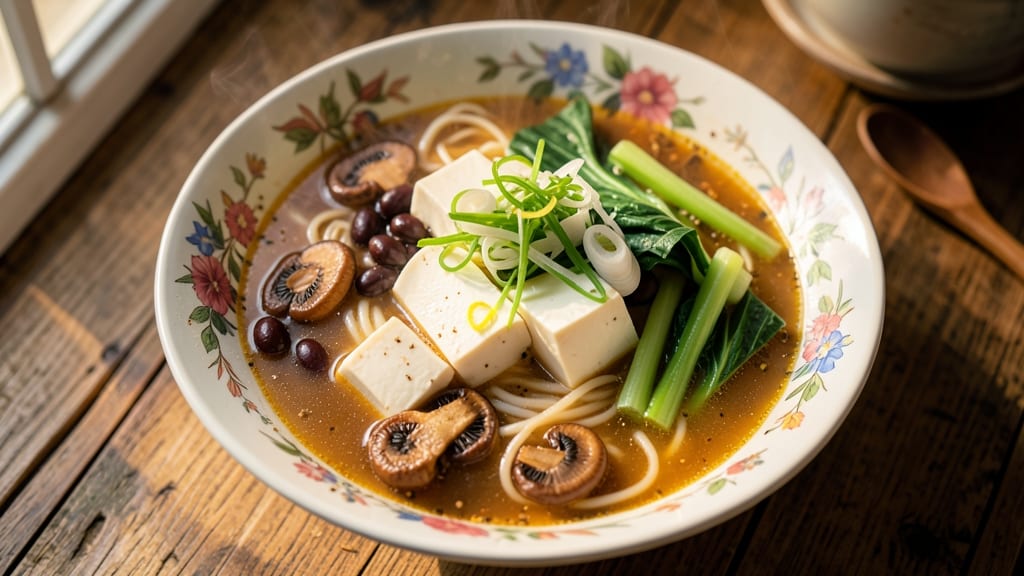
This Asian hot and sour soup recipe delivers the perfect balance of tangy, spicy, and umami flavors in every steaming bowl. 🔥 The secret lies in building a rich broth with fermented black beans and mushrooms, then brightening it with vinegar and chili oil for that signature kick.
I've perfected this version to be both restaurant-quality and adaptable—whether you're using tofu for protein or mushrooms for extra depth.
The beauty of this soup is its simplicity: just 15 minutes of prep followed by a 20-minute simmer transforms simple ingredients into a complex, aromatic dish. Silky noodles soak up the bold broth while vegetables like bok choy and shiitake mushrooms add texture and freshness.
The key is balancing the sour (vinegar), spicy (chili oil), and salty (soy sauce) elements so each bite delivers that addictive harmony.
What makes this recipe stand out is its versatility—easily adjust the heat to your preference or swap in shrimp for a non-vegetarian twist. The broth develops deep umami notes from fermented beans and mushrooms, while the vinegar and chili oil create that signature tangy heat.
Garnish with green onions and sesame oil for freshness and a final aromatic touch.
Perfect for chilly evenings or as a light yet satisfying main course, this soup brings restaurant-quality flavor to your kitchen. The silky noodles and tender vegetables make it equally comforting and elegant. Let's get cooking—your taste buds will thank you.
Ingredients for asian hot and sour soup
Fifteen minutes prep, twenty minutes simmer—this soup packs restaurant-quality umami punch.
| Ingredient | Amount | Notes |
|---|---|---|
| Silken Tofu 🍲 | 14 oz | Extra-firm for texture, cubed |
| Dried Shiitake Mushrooms 🍄 | ½ oz | Rehydrated in hot water |
| Fermented Black Beans 🫘 | ¼ cup | Rinsed, Asian market variety |
| Bok Choy 🥬 | 1 whole | Baby variety, halved lengthwise |
| Green Onions 🧅 | ¼ cup | Sliced, white and green parts |
| Rice Noodles 🍜 | 8 oz | Medium-width, soaked per package |
| Chili Oil 🌶️ | 1 tbsp | Store-bought or homemade |
| Rice Vinegar 🍶 | 2 tbsp | Seasoned variety preferred |
| Light Soy Sauce 🥢 | 1 ½ tbsp | Kikkoman brand recommended |
| Sesame Oil 🫒 | 1 tsp | Toasted, for finishing |
| Garlic Cloves 🧄 | 3 cloves | Minced, aromatic base |
| Ginger Root 🌿 | 1 inch | Fresh, peeled, julienned |
| Chicken or Vegetable Broth 💧 | 4 cups | Low-sodium preferred |
| Sugar 🍚 | 1 tsp | White or brown, balances flavors |
| Salt 🧂 | 1 tsp | Diamond Crystal preferred |
The fermented black beans are non-negotiable—they bring that deep, funky umami that sets this soup apart. Asian markets usually carry them in jars or bags, but if you can't find them, Miso Master or Three Crabs online will deliver. Look for plump, moist beans with no mold—those little jars keep for months in the pantry once opened. The shiitake mushrooms? Dried is best—they develop richer flavor when rehydrated, but fresh works in a pinch. For the tofu, extra-firm holds shape better than silken, especially if you're adding shrimp later. The bok choy should be crisp with no yellowing leaves—Trader Joe's usually has reliable baby bok choy year-round.
No rice vinegar? Apple cider vinegar at half the amount works, but you'll lose some of that delicate sweetness. Running short on shiitake? Cremini mushrooms at double the amount give similar earthiness. The chili oil is where you control the heat—Lao Gan Ma is my go-to, but any brand with visible chili flakes works. For the broth, low-sodium is critical—we're adding plenty of salt later. The garlic and ginger? Fresh is non-negotiable here—jarred minced loses all its punch. And if you're using shrimp, 3/4 lb peeled and deveined works perfectly, but cook it separately and add at the end.
This soup tastes even better the next day—flavors meld beautifully after chilling overnight. Store leftovers in airtight containers for 4-5 days in the fridge, or freeze portions for up to 3 months. I like to portion it into individual containers so I can just grab and reheat. For the noodles, soak them in warm water for 10 minutes before adding to the soup—this prevents them from turning mushy. And always finish with a drizzle of sesame oil and fresh green onions—that's the magic touch that makes it look (and taste) restaurant-worthy.
Why You'll Love This Recipe
- No-Chop Ingredients: I swear by the dried shiitakes—just soak them in hot water for 15 minutes, and boom, umami magic. The silken tofu cubes take two minutes to press and slice, and the bok choy? Toss it in whole if you’re lazy. That’s it.
- Umami Bomb: Between us, fermented black beans and shiitakes are a flavor power couple. The beans add that funky, salty depth while the mushrooms bring earthy richness—no fancy sauce needed. One sip, and you’ll forget takeout exists.
- Lunchbox Hero: This soup reheats like a dream and keeps for days in the fridge. Pack it in thermoses for work, or let the kids grab it for school—it’s the one meal that actually improves overnight. (Yes, even on a Tuesday night.)
- Pantry Staple: I make this when I’m broke or busy—both work. Dried shiitakes and black beans last forever, and tofu stretches across multiple meals. It’s my go-to when I need something hearty but won’t break the bank.
Step-by-step instructions for Asian hot and sour soup
This vibrant soup balances heat, acidity, and umami in perfect harmony—let's build it layer by layer.
🍳 Step 1: Rehydrate and Prepare Aromatics
First, soak the 0.5 oz dried shiitake mushrooms in ½ cup hot water for 20 minutes until pliable. While they soak, rinse the 0.25 cup fermented black beans under cold water to remove excess saltiness, then drain well. In a small bowl, combine the 3 minced garlic cloves, 1-inch julienned ginger, and 1 tsp sugar—this aromatic blend will form the soup's flavor foundation.
Here's the thing—don't skip the ginger julienne. It releases its oils gradually, creating that signature depth that separates good hot and sour soup from exceptional. The sugar here isn't just for sweetness; it helps balance the acidity from the rice vinegar later.
🥘 Step 2: Build the Broth Base
In a large pot, bring the 4 cups chicken or vegetable broth to a gentle simmer over medium heat. Add the garlic-ginger-sugar mixture and let it steep for 3 minutes until fragrant. Stir in the 1.5 tbsp light soy sauce and 1 tsp salt, then add the rehydrated shiitake mushrooms (squeeze out excess water) and the drained fermented black beans. Simmer for another 5 minutes—this lets the flavors meld while keeping the mushrooms tender.
I know it seems like a long wait, but this step transforms your soup from basic to restaurant-quality. The mushrooms should be tender but still hold their shape, and the black beans should be warmed through. If you taste it now, you'll notice the umami building—this is your flavor foundation.
🍳 Step 3: Cook the Silken Tofu and Prepare Vegetables
While the broth simmers, cut the 14 oz silken tofu into ½-inch cubes and gently poach them in the broth for 3 minutes—just enough to warm through without breaking apart. Remove them with a slotted spoon and set aside. Halve the bok choy lengthwise and slice the 0.25 cup green onions into 1-inch pieces (keep white and green parts separate for visual appeal).
Real talk: silken tofu can be tricky. If you poach it too long, it turns to mush. The 3-minute window gives it just enough body to hold its shape while absorbing the broth's flavors. I like to use a slotted spoon here so I don't accidentally drain the broth—every drop counts for that perfect balance.
⏰ Step 4: Assemble and Balance Flavors
Return the tofu to the pot and add the 2 tbsp rice vinegar and 1 tbsp chili oil. The vinegar should make the broth bubble vigorously—this is normal and exactly what we want for that signature tang. Stir in the 8 oz soaked rice noodles and let everything simmer together for 2-3 minutes until the noodles are heated through but still retain their bite.
Here's where the magic happens: taste and adjust. Need more heat? Add a drizzle of chili oil. Too sour? A pinch more sugar. Too bland? More soy sauce. The goal is that perfect balance where you can taste all three main flavors—heat, acidity, and umami—without any one dominating.
🍽️ Step 5: Finish and Serve with Flair
Turn off the heat and stir in the 1 tsp sesame oil and the sliced green onions (white parts first, then green for color contrast). Ladle the soup into bowls, arranging the bok choy halves on top of each serving. The contrast of the dark greens against the light broth makes this dish visually stunning.
Each spoonful should deliver that perfect sequence: first the heat from the chili oil, then the tang of vinegar, followed by the rich umami from the mushrooms and tofu. The noodles should be al dente, the tofu silky, and the bok choy just tender enough to bite into. Serve immediately with extra chili oil on the side—let everyone adjust the heat to their preference.
Pro Tips For Making Asian Hot And Sour Soup
- SOAK MUSHROOMS TWICE: Dried shiitakes need more than a quick rinse—split them open first, then soak in hot water for 20 minutes. I learned this the hard way: skipping the split means they stay rock-hard, even after simmering.
- CUT TOFU IN HALF: Silken tofu holds together like glue, but slicing it into ½-inch cubes (not sheets) guarantees even cooking and better texture. Yes, it looks messy, but it melts into the broth instead of floating like a rubber mat.
- SIMMER LOW AND LONG: This isn’t a race—after adding black beans and mushrooms, drop the heat to a bare simmer for 10 minutes. Rushing turns the broth cloudy and dulls the flavors; patience lets the umami deepen.
- SAVE THE SOAK LIQUID: Strain the black bean and mushroom soaking water, then use it to thin the broth later. It’s packed with flavor—more than plain water—and cuts the need for extra stock. (Your future self will notice the difference.)
Health benefits of this recipe
Digestive Comfort
This soup is a digestive powerhouse, thanks to its fermented black beans and ginger. Fermented foods like black beans contain probiotics that support gut health, while ginger aids digestion and reduces bloating.
The broth's warmth also helps soothe the digestive tract—perfect for after heavy meals or when you're feeling under the weather. 💪
Protein-Packed Option
With 14 oz silken tofu included, this soup provides a solid plant-based protein source—about 20 grams per serving. Tofu's complete amino acid profile makes it an excellent choice for vegetarians or anyone looking to reduce meat consumption.
For extra protein, add ½ lb shrimp (cooked separately and added at the end) to boost the nutritional profile without sacrificing flavor.
Vitamin C Boost
The bok choy and green onions add a surprising amount of vitamin C—about 30% of your daily needs per serving. This vitamin supports immune function, skin health, and iron absorption.
The rice vinegar also contains small amounts of vitamin C, enhancing the soup's nutritional value while keeping it tangy. The combination of these ingredients makes this soup a great way to boost your vitamin intake during cold months.
Low-Calorie Comfort
At just around 250 calories per serving, this soup delivers rich, satisfying flavors without the heaviness. The rice noodles and vegetables keep it light, while the fermented beans and mushrooms add depth.
It's perfect for those looking to enjoy a comforting meal without guilt—ideal for weeknight dinners or light lunches. The broth-based nature means you can easily adjust portion sizes to fit your calorie goals.
Antioxidant-Rich Ingredients
Shiitake mushrooms are packed with antioxidants like ergothioneine, which helps protect cells from oxidative damage. The chili oil adds capsaicin, a compound known for its anti-inflammatory properties. Together, these ingredients create a soup that not only tastes amazing but also supports long-term health.
The fermented black beans also contribute beneficial antioxidants, making this a truly healthful dish. 🌿
Hydration Helper
The broth base provides electrolytes like sodium and potassium, helping maintain hydration levels. The ginger in the soup aids circulation, while the warm broth itself promotes relaxation and comfort.
This makes it an excellent choice for when you're feeling fatigued or recovering from illness. The soup's light yet flavorful nature ensures you stay hydrated without feeling weighed down.
Nutrition facts
Frequently asked questions
Can I make this soup vegetarian?
This recipe is already vegetarian-friendly with the silken tofu as the protein base. For extra heartiness, you can add ½ lb mushrooms (like oyster or king oyster) or 1 cup extra-firm tofu cut into cubes. Just ensure your broth is vegetable-based to maintain the plant-focused approach.
How do I adjust the heat level?
The chili oil is your heat controller—start with 1 tbsp and add more to taste. For milder heat, reduce to ½ tbsp or use ½ tsp chili flakes instead. If you prefer a smoky depth without heat, swap the chili oil for 1 tsp smoked paprika mixed with ½ tsp sesame oil. Always taste as you go!
Can I use fresh mushrooms instead of dried shiitake?
Yes, but fresh mushrooms won't develop the same deep umami flavor. If substituting, use 4 oz fresh shiitake or cremini mushrooms (sliced). Sauté them first in 1 tsp sesame oil for 3 minutes before adding to the broth to build more flavor. The texture will be slightly different but still delicious.
Why does my soup taste too salty?
Fermented black beans and soy sauce are the main culprits. To fix it, add ½ cup hot water to dilute the broth, then simmer for 2 extra minutes. For prevention, reduce soy sauce to 1 tbsp and rinse black beans thoroughly. Remember—taste as you cook! The perfect balance should have all three flavors (sour, spicy, umami) without any single one overpowering.
What's the best way to reheat leftovers?
Reheat gently on the stove over low heat with 2 tbsp water for 3-4 minutes, stirring occasionally. Avoid microwaving—it can make the noodles mushy. For extra freshness, add a splash of rice vinegar and a drizzle of chili oil when reheating to restore that signature tangy kick.