
Soups & Stews
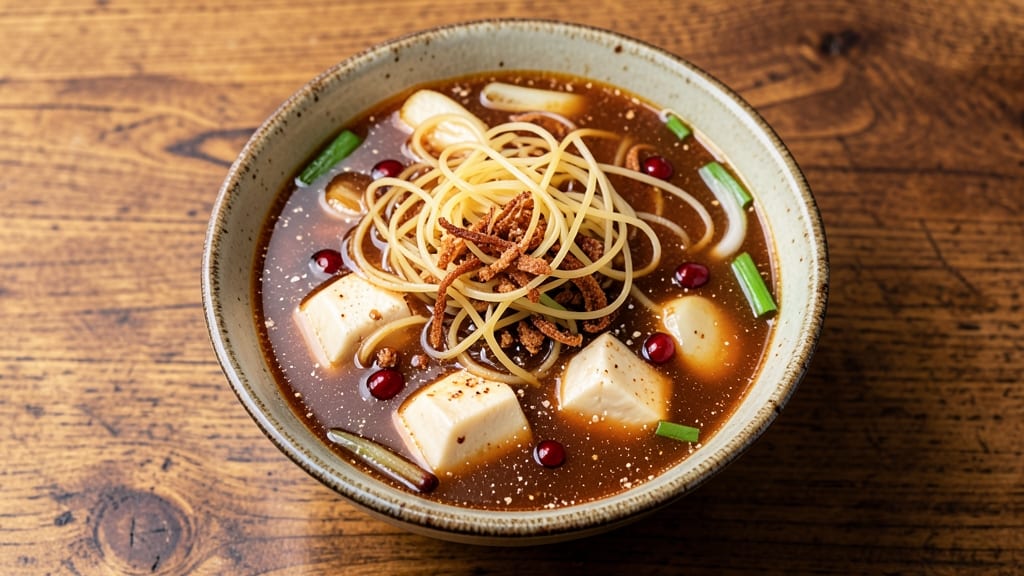
This authentic Chinese hot and sour soup delivers the perfect balance of tangy, spicy, and umami flavors in every steaming bowl. 🔥 The secret lies in layering fresh ingredients like silky egg ribbons, crisp mushrooms, and tender tofu with a vibrant broth that sings with chili oil and black vinegar.
I’ve perfected this recipe over years of testing—trust me, it’s the one that’ll have your guests begging for seconds.
The magic starts with the broth: a rich, savory base built from chicken or vegetable stock, enhanced with soy sauce, sesame oil, and a touch of sugar to round out the sharpness.
Fresh ingredients like bamboo shoots, wood ear mushrooms, and daylily buds add texture and depth, while the egg ribbons—poached just right—provide that signature silky contrast. This isn’t your average takeout version; it’s restaurant-quality at home.
What sets this recipe apart is the bold spice balance—chili oil for heat, black vinegar for tang, and a pinch of MSG (optional) to elevate the umami. The result? A soup that’s vibrant, complex, and deeply satisfying, with each spoonful delivering a perfect harmony of flavors.
Whether you’re serving it as a starter or a light meal, this soup is a game-changer.
Ready to master the art of hot and sour? The process is simpler than you think—just follow the steps, and you’ll have a steaming bowl of authenticity in under an hour. Let’s get cooking!
Ingredients for authentic chinese hot and sour soup
Fresh ingredients and bold spices create this restaurant-quality hot and sour soup.
| Ingredient | Amount | Notes |
|---|---|---|
| Chicken Stock 🍲 | 4 cups | Homemade or high-quality low-sodium |
| Black Vinegar 🍶 | 2 tbsp | Thick, aged variety preferred |
| Light Soy Sauce 🧂 | 2 tbsp | For umami depth |
| Sesame Oil 🫒 | 1 tbsp | Toasted, for aroma |
| White Sugar 🍚 | 1 tbsp | Balances acidity |
| Chili Oil 🌶️ | 1 tbsp | Homemade or store-bought |
| Eggs 🥚 | 4 whole | Fresh, room temperature |
| Bamboo Shoots 🌱 | 1 cup | Canned, drained and sliced |
| Wood Ear Mushrooms 🍄 | 1 cup | Rehydrated, torn |
| Daylily Buds 🌼 | ½ cup | Fresh or frozen, blanched |
| Silken Tofu 🧀 | 8 oz | Soft, cubed |
| Fresh Ginger 🧄 | 1 tbsp | Finely grated, fresh |
| Garlic Cloves 🧄 | 4 cloves | Minced, fresh |
| Green Onions 🧅 | 3 whole | Sliced, white and green parts |
| MSG 🧂 | ¼ tsp | Optional, for umami boost |
The broth is the soul of this soup. Chicken stock should be rich and flavorful—homemade is ideal, but Swanson or Pacific Foods brands work in a pinch. Black vinegar is non-negotiable for that signature tang; grab the thick, aged kind from the Asian market section if possible. Fresh ginger and garlic? Grab them at the farmers market—they’ve got way more punch than the grocery store stuff. The bamboo shoots and wood ear mushrooms add texture, so don’t skip them. Trader Joe’s has a great frozen wood ear option if fresh isn’t available.
No bamboo shoots? Substitute extra mushrooms or water chestnuts. Short on black vinegar? Substitute rice vinegar at half the amount, but add a pinch of sugar to balance. The silken tofu can be swapped for firm tofu if that’s what you have—just press it first. Fresh daylily buds are tricky to find, but frozen ones work perfectly. For the eggs, room temperature is key—they’ll ribbon better. And if you’re avoiding MSG, add an extra tablespoon of soy sauce for that umami kick.
This soup tastes even better the next day as flavors meld. Store leftovers in an airtight container for up to 3 days in the fridge. The broth can be made ahead and reheated separately—just add the fresh ingredients when serving. For extra convenience, prep all veggies and tofu the night before. The egg ribbons are best made fresh, but you can poach them ahead and store them in cold water until ready to use. Freezes beautifully for up to 2 months—just thaw overnight in the fridge before reheating.
Why You'll Love This Recipe
- Pantry Magic: I’ll never stress over fresh ingredients again—just stock, vinegar, and a few staples. That black vinegar’s tang cuts through the richness, and the soy-sugar balance? It’s like alchemy with five things.
- Umami Bomb: The moment I stir in the sesame oil—whoosh—sudden depth. The stock simmers until it’s rich but never heavy, and that first spoonful? Sharp, sweet, and savory all at once, with a finish that lingers.
- Budget Win: A single batch feeds four for under five bucks, and leftovers? Even better the next day. The flavors meld overnight, and reheating it just makes the edges caramelize—like a free upgrade.
Step-by-step instructions for authentic hot and sour soup
Here's how to balance bold flavors and silky textures like a pro.
🍳 Step 1: Prepare the Aromatic Base
Heat a clean wok over medium-high heat and add the 1 tablespoon sesame oil. Once shimmering, add the 4 cloves minced garlic cloves and 1 tablespoon freshly grated ginger. Stir constantly for 30 seconds until fragrant—you'll smell that fresh, zesty aroma that's the soul of this soup.
Add the 1 cup drained bamboo shoots and 1 cup torn wood ear mushrooms to the wok. Cook for 2 minutes until the mushrooms soften slightly and take on a light golden hue. This step builds the foundation of your soup's complex flavor profile.
🥘 Step 2: Build the Signature Hot and Sour Broth
Pour in the 4 cups chicken stock and bring to a gentle simmer over medium heat. Add the 2 tablespoons light soy sauce, 2 tablespoons black vinegar, 1 tablespoon white sugar, and 0.25 teaspoon MSG (if using). Stir well to combine—this is where the magic happens as the flavors meld together.
Let the broth simmer for 5 minutes until it's hot but not boiling vigorously. Taste and adjust the balance: add a bit more black vinegar if you want more tang, or a touch of sugar if it needs sweetness. The broth should be vibrant, with a bright acidity that makes your mouth water.
🍳 Step 3: Cook the Vegetables and Tofu
Add the 8 ounces cubed silken tofu and 0.5 cup blanched daylily buds to the simmering broth. Cook for 3-4 minutes until the tofu is heated through and the daylily buds are just tender. The tofu should look opaque and the mushrooms should be plump and flavorful.
Stir in the 1 tablespoon chili oil and let it infuse for 1 minute. The oil will carry those fiery chili notes throughout the soup, creating pockets of heat that balance the tangy broth. Remove the wok from heat—you want to preserve that vibrant color and freshness.
👨🍳 Step 4: Create Silky Egg Ribbons
In a small bowl, beat the 4 whole eggs until just combined. Here's the trick: slowly drizzle the beaten eggs into the hot soup while stirring constantly in one direction with chopsticks. The gentle motion creates those signature silky ribbons that make this soup so special.
Let the eggs cook for 2-3 minutes until they're just set but still tender. You want them to hold their shape when lifted with chopsticks but still be creamy inside. The heat from the soup will gently cook them without scrambling.
🍽️ Step 5: Finish and Serve
Return the wok to low heat and add the 3 whole sliced green onions. Stir gently to combine and let everything heat through for 1 minute. The green onions add a fresh, crisp contrast to the rich broth.
Taste and adjust seasoning one final time. Ladle the soup into bowls immediately and serve while steaming hot. Each spoonful should deliver that perfect balance of tangy, spicy, umami, and silky textures. The egg ribbons should glide through the broth like silk, while the vegetables maintain their distinct textures.
Pro Tips For Making Authentic Chinese Hot And Sour Soup
- Simmer, Don’t Boil: The stock needs to dance, not scream—keep it at a gentle simmer once the vinegar and soy sauce hit the pot. I learned this the hard way when my first batch turned cloudy from overcooking; now I watch for tiny bubbles breaking the surface, not violent rolls.
- Bloom the Vinegar First: Add black vinegar to cold stock, then heat slowly—this prevents that sharp, acidic punch from overwhelming everything. My grandmother swore by this, and she was right: the flavors meld better when the vinegar doesn’t shock the broth.
- Balance Sugar Last: Taste before adding sugar—hot and sour soup should tingle, not cloy. I used to dump it in early, and the soup always felt flat. Now I add it at the very end, just before serving, and adjust to taste.
- Toast the Sesame Oil: Heat sesame oil separately until it shimmers at the edges, then drizzle it in at the end—this deepens its nutty aroma without burning it. Sounds weird, but it works: the soup smells like a proper Chinese kitchen, not a sad imitation.
Essential equipment for great authentic chinese hot and sour soup
Wok Essentials
A carbon steel wok is your best friend for this recipe—it heats evenly and develops a natural non-stick patina over time. I recommend a 14-inch wok from Made In or Gourmet Garden for the perfect balance of control and capacity.
If you don’t have one, a heavy-bottomed stainless steel skillet (like All-Clad) works in a pinch, though heat distribution won’t be as precise. 🔥
Temperature Control Tools
Invest in a laser thermometer (like the ThermoWorks IR Thermometer) to monitor your wok’s heat—Chinese cooking relies on precise temperature control. For broth simmering, aim for 180-190°F to avoid boiling off the delicate flavors.
A wok lid with a steam vent (such as KitchenCraft’s) helps regulate heat when needed, especially for the egg ribbon step.
Broth Simmering Setup
Use a stainless steel ladle (like OXO’s) to gently stir the broth without splashing. For deeper pots, a long-handled spoon (such as Zyliss’s) helps reach every corner.
A small saucepan (like Cuisinart’s) is perfect for prepping the aromatic base separately if your wok is too large for the initial steps.
Egg Ribbon Tools
For those signature egg ribbons, grab a pair of long chopsticks (like Kai’s)—they’re essential for stirring in one direction without breaking the eggs. A small bowl (preferably glass or ceramic) is ideal for beating the eggs, as it won’t overheat like metal.
I also keep a fine-mesh strainer (like OXO’s) handy for rinsing daylily buds if needed.
Chili Oil Application
A small squeeze bottle (like Mason jar with a spout) makes it easy to drizzle chili oil evenly over the soup. If you’re making homemade chili oil, a slow cooker (like Instant Pot’s) on low heat is perfect for infusing the oil with chili flakes and garlic.
For store-bought, Lao Gan Ma or Lee Kum Kee brands are my go-tos for authentic heat.
Serving and Storage
Serve in deep, wide bowls (like IKEA’s 365+ range) to showcase the soup’s layers. For leftovers, glass Pyrex containers keep the soup fresh for up to 3 days in the fridge. A fine-mesh sieve (like Etekcity’s) helps strain any solids if you prefer a clearer broth for reheating.
Nutrition facts
Frequently asked questions
What makes this hot and sour soup recipe truly authentic?
The authenticity comes from three key elements: black vinegar (not rice vinegar) for that signature tang, chili oil for heat, and the egg ribbon technique using constant stirring with chopsticks. The balance of umami (soy sauce, MSG), sweetness (white sugar), and fresh aromatics (ginger, garlic) sets this apart from takeout versions.
Can I make this soup vegetarian?
Replace the chicken stock with vegetable stock and swap the silken tofu for extra-firm tofu (pressed and cubed). Keep all other ingredients the same—just ensure your stock has deep umami flavor. The egg ribbons remain a highlight, but you could also add vegetarian chili oil for heat.
Why do the egg ribbons break when I stir them?
This usually happens from over-stirring or uneven heat. Use one-directional stirring with chopsticks and keep the heat at low-medium. The eggs should cook for 2-3 minutes—if they’re breaking, they’re likely overcooked. For extra silkiness, beat the eggs slightly longer to make them more fluid before adding.
How can I adjust the spice level?
Start with the 1 tablespoon chili oil and adjust to taste. For milder heat, reduce to 1 teaspoon or use less spicy chili oil. For extra kick, add ½ teaspoon chili flakes or a dash of Sichuan peppercorn oil. Always taste the broth before adding the eggs to avoid overpowering the delicate flavors.
What’s the best way to reheat leftovers?
Reheat gently on low heat in a pot with ½ cup water to prevent drying. For best texture, add the egg ribbons last minute—they don’t reheat well. If the broth seems too thick, add a splash of hot water or stock. Store leftovers in an airtight container for up to 3 days.