
Soups & Stews
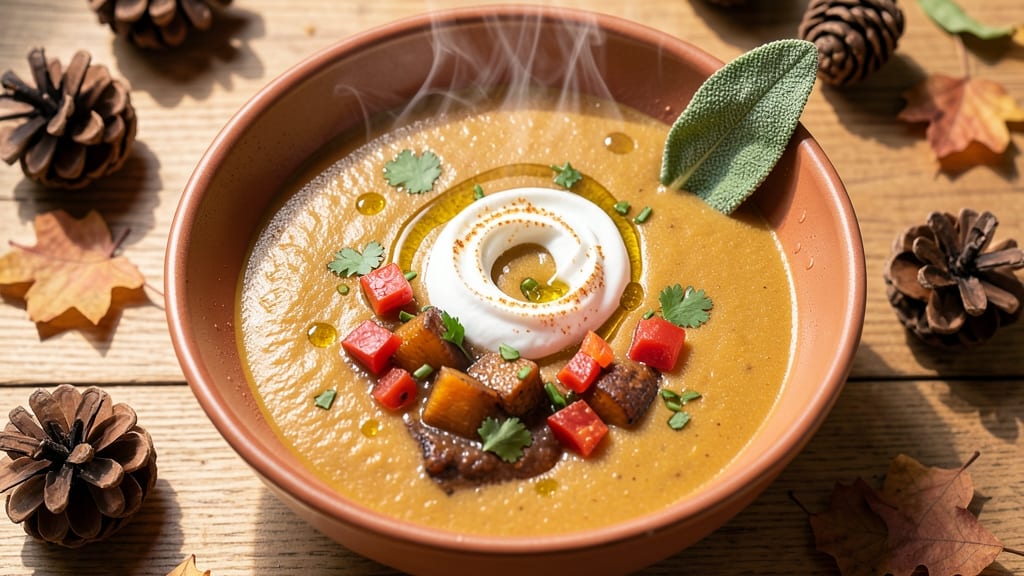
This autumn butternut squash soup recipe transforms humble ingredients into velvety comfort that screams fall—roasted squash, aromatic herbs, and just a whisper of spice. The secret lies in roasting the squash first, which caramelizes its natural sweetness and deepens its flavor without any extra sugar.
I developed this recipe during crisp October evenings when the air outside demanded something warm and nourishing inside.
What sets this soup apart is the balance of textures and flavors: creamy yet light, with a velouté that clings to every spoonful, and a finish that’s brightened by fresh herbs and a touch of warmth from cinnamon and nutmeg.
The roasting step (about 45 minutes) is worth the wait—it creates a depth you can’t achieve by boiling alone. Plus, this recipe builds on simple pantry staples, making it perfect for both weeknight dinners and cozy gatherings.
The result is a restaurant-quality soup that’s rich enough to stand alone but light enough to pair beautifully with crusty bread or a sprinkle of toasted pumpkin seeds. Each bite delivers that perfect harmony of earthy squash, herbal notes, and subtle warmth—exactly what autumn craves.
Ready in about 1 hour (including prep), it’s the kind of dish that makes your kitchen smell like a harvest festival.
Serve it with a side of cornbread or a simple green salad to round out the meal, or enjoy it as-is with a glass of white wine.
The best part? Leftovers reheat beautifully, so you’ll have this comforting soup on hand whenever the weather turns chilly. Let’s make it—your taste buds will thank you.
Ingredients for autumn butternut squash soup
Roasted squash, velvety coconut milk, and aromatic herbs make this soup autumn perfection in a bowl.
| Ingredient | Amount | Notes |
|---|---|---|
| Medium Butternut Squash 🎃 | 2 whole | Peeled, cubed, roasted first |
| Yellow Onion 🧅 | 1 whole | Medium, chopped |
| Garlic Cloves 🧄 | 4 cloves | Peeled, minced |
| Vegetable Broth 💧 | 4 cups | Low-sodium preferred |
| Coconut Milk 🥥 | 1 can | 13.5 oz can, full-fat |
| Extra-Virgin Olive Oil 🫒 | ½ cup | For roasting |
| Fresh Thyme 🌿 | ¼ cup | Leaves only, chopped |
| Fresh Sage 🌿 | ⅛ cup | Leaves only, chopped |
| Ground Cinnamon 🌶️ | ½ tsp | Freshly ground preferred |
| Ground Nutmeg 🌶️ | ¼ tsp | Freshly grated |
| Salt 🧂 | 1 ½ tsp | Kosher or sea salt |
| Black Pepper 🌶️ | ½ tsp | Freshly ground |
| Toasted Pumpkin Seeds 🥜 | ¼ cup | For garnish, optional |
The squash is the star here—pick a medium-sized butternut (about 2-3 lbs) with smooth skin and no soft spots. Whole Foods or local farmers markets often carry the best quality, but any grocery store will have them. Roasting caramelizes the natural sweetness, so don't skip this step! Costco sells pre-cut squash if you're short on time, though fresh is always better. For the coconut milk, full-fat gives the creamiest texture—avoid the light versions. The herbs? Fresh thyme and sage make all the difference—Trader Joe's usually has great bundles for this.
No fresh thyme? Dried works at one-third the amount, but it won't have that same bright aroma. Short on sage? Fresh rosemary at half the quantity gives a similar piney note. The cinnamon and nutmeg are non-negotiable for that autumnal warmth—Penzeys has the best whole spices if you want to toast them first. For the vegetable broth, low-sodium is key—you'll be adding salt later. The pumpkin seeds can be any kind (pepitas, sunflower seeds), but toast them 10 minutes at 350°F for maximum crunch. No time to toast? Store-bought works too—just check for added salt.
This soup tastes even better the next day—reheats beautifully from the fridge. Store in an airtight container for up to 5 days, or freeze for 3 months (leave room at the top—it expands!). For meal prep, double the batch and portion into containers. The roasted squash can be prepped ahead and stored in the fridge for 3 days before blending. Garnish with fresh herbs right before serving—they wilt fast once added.
Why You'll Love This Recipe
- Same recipe, different vibes: toss it with toasted pumpkin seeds for a quick lunch, or drizzle with chili oil and crispy prosciutto for a fancier guest night. The broth base means I can stretch it into a stew or even a curry if I’m feeling adventurous.
- No Peel, No Stress: I slice the squash in half, roast it whole—no peeling, no messy seeds. The skin caramelizes right in the oven, and by the time I’m done stirring in the coconut milk, I’ve already saved 20 minutes compared to my old chop-heavy method.
- Velvet-Smooth Magic: That first sip of coconut milk swirled into the broth? Pure autumn bliss. The roasted squash melts into silkiness while the garlic and onion add just enough bite to keep it interesting—not sweet, not bland, but ridiculously good.
- Weeknight to Dinner Party: Same recipe, different vibes: toss it with toasted pumpkin seeds for a quick lunch, or drizzle with chili oil and crispy prosciutto for a fancier guest night. The broth base means I can stretch it into a stew or even a curry if I’m feeling adventurous.
Step-by-step instructions for autumn butternut squash soup
This velvety soup delivers deep autumn flavors with a perfect balance of roasted sweetness and aromatic herbs.
🔥 Step 1: Roast the Butternut Squash and Onion
Preheat your oven to 400°F. Toss the peeled and cubed butternut squash and chopped yellow onion with ½ cup extra-virgin olive oil, 1 teaspoon salt, and ½ teaspoon black pepper on a large baking sheet. Spread them out in a single layer—this ensures even roasting and crispy edges.
Roast for 35-40 minutes, stirring halfway through, until the squash is tender when pierced with a fork and the edges are golden brown. The onions should be caramelized with deep brown spots. This roasting step develops the natural sweetness of the squash and onion, creating a rich foundation for your soup. Don't skip this—it makes all the difference in flavor!
🍳 Step 2: Sauté Garlic and Herbs
While the squash roasts, heat 2 tablespoons extra-virgin olive oil in a large pot over medium heat. Add the minced garlic and cook for 30 seconds until fragrant—you'll smell that unmistakable garlic aroma. Be careful not to let it brown.
Add the chopped fresh thyme and sage leaves, stirring for 1 minute until the herbs release their oils and become fragrant. This aromatic base will infuse the entire soup with herbal depth. If you notice the herbs starting to darken, reduce the heat slightly to prevent burning.
🥘 Step 3: Simmer the Soup Base
Transfer the roasted butternut squash and onions to the pot with the garlic and herbs. Add the 4 cups vegetable broth and bring to a boil. Reduce heat to medium-low and let it simmer for 15 minutes, stirring occasionally. This step allows the flavors to meld together beautifully.
Use an immersion blender to purée the soup directly in the pot until completely smooth. If you prefer, you can also transfer the soup to a blender in batches (be careful with hot liquids). The texture should be velvety with no visible chunks. If it's too thick, add a splash of warm broth to reach your desired consistency.
🥘 Step 4: Add Coconut Milk and Spices
Return the soup to the pot and stir in the 1 can coconut milk, ½ teaspoon ground cinnamon, and ¼ teaspoon ground nutmeg. The coconut milk adds a luxurious creaminess while keeping the soup dairy-free. Heat through over low heat for 5 minutes, stirring occasionally.
Taste and adjust seasoning with additional salt and pepper if needed. The spices should be present but not overpowering. Here's where it gets magical—the combination of warm cinnamon, nutmeg, and the roasted squash creates that perfect autumnal flavor profile.
🍽️ Step 5: Serve Warm with Garnishes
Ladle the soup into bowls and garnish with the toasted pumpkin seeds for a satisfying crunch and nutty flavor. The seeds add a beautiful textural contrast to the smooth soup. Serve immediately while warm—this soup tastes best fresh from the pot.
Each spoonful should deliver that perfect balance of sweet squash, aromatic herbs, and warming spices. Pair it with crusty bread to soak up every last drop of this comforting autumn creation. The flavors will only get better as it sits for a few minutes, so don't rush serving!
Pro Tips For Making Autumn Butternut Squash Soup
- Roast the Squash First: I learned this the hard way—raw butternut squash turns into gluey soup if you don’t break it down properly. Roast the peeled and cubed squash at 400°F (200°C) for 25-30 minutes until fork-tender before blending. The caramelized edges add depth, and the texture stays silky instead of gummy.
- Char the Onions Low: Skip the high-heat rush—slow-cook the onions on medium-low for 10-12 minutes until deep golden, almost jammy. I used to burn them, and the soup always tasted bitter afterward. A splash of water or broth halfway keeps them from sticking, and the flavor develops richer than fast-sautéed onions.
- Strain the Broth: Unless you love grit in your soup, strain the vegetable broth through a fine-mesh sieve before blending. Canned broth often hides sediment, and homemade versions can be worse. It’s an extra 30 seconds that makes the soup smoother—trust me, your spoon will thank you.
- Balance the Coconut Milk: Add the coconut milk last and stir gently—it separates if you blend it in too early. For a creamy but not heavy texture, mix 1 cup broth with 1 cup coconut milk before folding it into the soup. If it’s too thick, thin with warm water; if too thin, whisk in a splash more coconut milk. Taste as you go.
Troubleshooting perfect results
Overly Thick Soup
If your soup turns out too thick after blending, don’t panic—just add warm vegetable broth 1 tablespoon at a time while blending until you reach your desired consistency.
I’ve found that ¼ cup total is usually enough to fix it without diluting the flavor. Stirring vigorously while adding broth helps distribute it evenly. 🥄
Underseasoned Flavor
Taste your soup before serving, and if it feels flat, boost the flavor with a pinch of kosher salt and black pepper. A splash of lemon juice (1 tsp) brightens the dish, or add a pinch of smoked paprika for depth.
The roasted squash should already have natural sweetness, but if it tastes bland, a tiny bit of maple syrup (½ tsp) enhances it without overpowering.
Squash Not Cooking Through
If your squash remains hard after roasting, it likely needs more time. Check the oven temperature—it should be 400°F. If it’s correct, extend the roasting time by 10-15 minutes and stir again.
For extra insurance, pierce the squash cubes with a fork before roasting to help steam escape. Undercooked squash will make your soup grainy and unappetizing.
Burnt Onions or Garlic
Watch your onions and garlic closely—they can burn quickly! Reduce heat to medium-low once they start sizzling, and stir frequently. If they darken too much, remove them and start fresh with a new batch.
The key is patience—let them cook gently until fragrant but not browned. A splash of cold water (1 tbsp) can also help reset the pan if needed.
Lumpy Texture After Blending
If your soup has lumps after blending, it’s likely because the squash wasn’t soft enough. For a silky texture, press the blended soup through a fine-mesh sieve or use an immersion blender for an extra 30 seconds.
If you’re short on time, a quick pulse in a regular blender with 2 tbsp coconut milk helps emulsify the mixture smoothly.
Coconut Milk Separating
If the coconut milk separates, gently reheat the soup over low heat while whisking continuously. Avoid high heat—it can cause the fats to rise further. A splash of warm broth (2 tbsp) can also help re-emulsify the mixture. Stirring vigorously while heating ensures a creamy, uniform texture once again. 💫
Nutrition facts
Frequently asked questions
Can I substitute regular milk for coconut milk in this recipe?
You can, but coconut milk adds a unique richness and subtle sweetness that regular milk won't match. If you prefer dairy, use 1 cup heavy cream or whole milk instead of the coconut milk, but reduce the broth to 3 cups to maintain balance. The texture will be creamier but slightly lighter in flavor.
How do I make this soup vegan?
This recipe is already vegan! Simply ensure your vegetable broth is plant-based and check that your coconut milk contains no dairy additives. For extra depth, add 1 teaspoon maple syrup to enhance the natural sweetness of the roasted squash.
Can I prep the roasted squash ahead of time?
Roast the squash and onions 1-2 days ahead and store them in an airtight container in the fridge. Reheat gently in the microwave or oven before blending to maintain texture. This shortcut saves 45 minutes on cooking day.
What's the best way to reheat leftovers?
Reheat gently on the stovetop over low heat, stirring frequently to prevent separation. Avoid microwaving—it can make the coconut milk split. If needed, whisk in 1 tablespoon coconut milk while reheating for a silky texture. Leftovers keep for 5 days in the fridge.
Why does my soup taste bland after blending?
Roasting develops flavor, so if your squash tastes mild, extend roasting by 10 minutes. Taste before serving—add ½ teaspoon smoked paprika or a pinch of cayenne for warmth, or stir in 1 tablespoon apple cider vinegar** for brightness. The spices should be present but not overpowering.