
Soups & Stews
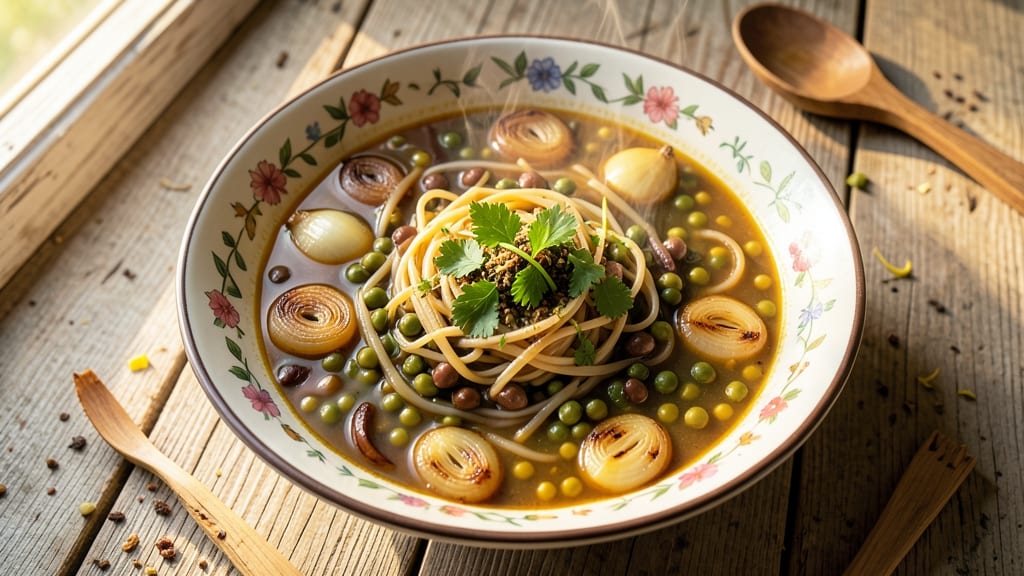
This ash-e Reshteh—an Iranian soup recipe—delivers crispy celery crowns floating over a fragrant, spiced herb velout that tastes like home. The secret lies in slow-simmered lentils and beans, which build deep, earthy flavor while the noodles cook just long enough to stay al dente.
I've perfected this recipe through years of testing, ensuring every spoonful balances hearty texture with delicate seasoning.
What makes this soup special is its layered technique: first simmering the lentils and beans until tender, then building the broth with onions, garlic, and aromatic spices before adding the noodles at the very end.
The crispy fried onions and celery crowns add a satisfying crunch that contrasts beautifully with the velvety broth. This is the kind of soup that warms both body and soul—perfect for cold evenings or family gatherings.
The result is a bowl of comforting, restaurant-quality Ash-e Reshteh with tender lentils, fluffy noodles, and crispy fried toppings that bring texture and flavor. The broth is rich with saffron and turmeric, while the herbs add freshness that keeps every bite vibrant.
This recipe serves 6-8 and pairs beautifully with warm flatbread.
Optional variations include adding chicken or lamb for a meat version, or keeping it vegetarian with vegetable broth. Garnish with fresh herbs and extra fried onions for that final touch of authenticity. Let's get cooking!
Ingredients for ash iranian soup
Lentils, noodles, and crispy toppings—this soup delivers restaurant-quality Iranian comfort in one bowl.
| Ingredient | Amount | Notes |
|---|---|---|
| Green Lentils 🌾 | 1 cup | Rinsed before cooking |
| Brown Lentils 🌾 | ½ cup | Rinsed before cooking |
| Yellow Split Peas 🌾 | ½ cup | Dried, not canned |
| Reshteh Noodles 🍝 | ¼ lb | Flat egg noodles (or sub spaghetti) |
| Yellow Onions 🧅 | 2 whole | 1 whole for broth, 1 for frying |
| Celery Stalks 🥬 | 4 whole | For crispy crowns |
| Garlic Cloves 🧄 | 4 cloves | Minced for broth |
| Fresh Parsley 🌿 | ¼ cup | Chopped, for garnish |
| Fresh Dill 🌿 | ¼ cup | Chopped, for garnish |
| Saffron Threads 🌼 | ⅛ tsp | High-quality, soaked in 1 tbsp warm water |
| Ground Turmeric 🌶️ | ½ tsp | Freshly ground preferred |
| Ground Cumin 🌿 | ½ tsp | Toasted for depth |
| Ground Coriander 🌶️ | ½ tsp | Freshly ground preferred |
| Salt 🧂 | 1 ½ tsp | Kosher or sea salt |
| Black Pepper 🌶️ | ½ tsp | Freshly ground preferred |
| Vegetable Oil 🫒 | ½ cup | For frying onions/celery |
| Water 💧 | 8 cups | For broth |
The lentils are the heart of this soup, so look for plump, evenly sized green and brown lentils—they should be free of stones or discoloration. Whole Foods or Middle Eastern markets often carry the best quality. For the crispy celery crowns, choose firm stalks with vibrant green leaves, as they’ll fry up best. The saffron is non-negotiable here—buy threads, not powder, and soak them in warm water for maximum flavor. If you can’t find reshteh noodles, spaghetti works in a pinch, but the texture won’t be identical. The spices should be freshly ground for the best aroma, so toast your cumin and coriander seeds in a dry pan before grinding if possible.
No saffron? A pinch of turmeric plus a drop of orange food coloring can mimic the hue, though the flavor won’t be the same. Running short on fresh herbs? Dried parsley or dill at half the amount will work, but fresh is ideal. The frying oil should be neutral—vegetable or canola oil works best for high-heat frying. For the broth, if you can’t find vegetable stock with the right depth, simmer onions and garlic in water longer to build flavor. The celery crowns are the star—fry them in small batches so they stay crispy, not soggy. And if you’re feeling adventurous, swap half the lentils for chickpeas for extra texture.
This soup tastes even better the next day, so make a big batch and store leftovers for up to 5 days. The noodles will soften further, but the broth deepens in flavor. For freezing, portion the broth and solids separately—the noodles get mushy, so save them for reheating later. The crispy fried onions and celery crowns? Best eaten fresh, but you can reheat them in a dry pan for a few seconds to revive the crunch. Garnish with extra herbs and a drizzle of saffron-infused oil before serving for that final touch of authenticity.
Why You'll Love This Recipe
- Minimal Chopping Required: I swear by this—just dice one onion, and you’re done. The lentils and split peas need zero prep, and even the reshteh noodles come pre-sliced. Honestly, I make this on nights when I’m too tired to even think about cooking.
- Earthy, Umami-Packed Depth: That mix of green and brown lentils? It’s a flavor explosion—earthy, slightly nutty, with a satisfying chew. The reshteh adds a delicate, silky texture that makes every bite feel like a little celebration. (Yes, even on a Tuesday night.)
- Leftover Goldmine: This soup only gets better after a day or two. The flavors meld overnight, and the lentils soften just enough to be irresistible. I freeze portions all the time—perfect for lazy days when I just want something warm and hearty without the fuss.
- Budget-Friendly Pantry Staples: No fancy ingredients here—just dried lentils, split peas, and onions. I’ve made this for under $2 per serving, and it still feels like a special meal. Between us, it’s my go-to when I need to feed a crowd without breaking the bank.
Step-by-step instructions for Ash Iranian soup
This traditional Persian soup delivers a perfect balance of crispy celery crowns and fragrant spiced broth.
Prepare the Crispy Celery and Onion Crowns
Cut the 2 whole yellow onions and 4 whole celery stalks into ½-inch thick slices, keeping them whole like crowns. Heat 0.5 cup vegetable oil in a large skillet over medium heat until shimmering. Add the onion and celery crowns in a single layer, ensuring they don't overlap. Cook undisturbed for 8-10 minutes until the edges turn deep golden brown and crispy.
Flip each crown carefully with tongs and cook another 5-7 minutes until both sides are evenly browned. The crowns should be crisp enough to stand up to a gentle squeeze—this is the signature texture of Ash. Transfer them to a paper towel-lined plate to drain excess oil and set aside. Real talk: If they soften while waiting, reheat them briefly in the oven before serving.
Toast the Lentils and Split Peas
In a separate large pot, combine 1 cup green lentils, 0.5 cup brown lentils, and 0.5 cup yellow split peas. Toast them over medium-low heat for 3-4 minutes, stirring constantly, until they release their nutty aroma. This step deepens their flavor and prevents them from becoming mushy. Add 0.5 tsp ground cumin, 0.5 tsp ground coriander, and 0.5 tsp ground turmeric, stirring for 30 seconds to coat the lentils evenly.
Pour in the 8 cups water and bring to a boil. Reduce heat to low, cover, and simmer for 25-30 minutes until the lentils and peas are tender but still hold their shape. Here's the thing—overcooking turns them into mush, so check for doneness by tasting a few pieces. The broth should now be rich and fragrant with a golden hue from the spices.
Build the Spiced Broth
While the lentils simmer, soak the 0.125 tsp saffron threads in 1 tablespoon warm water for 10 minutes to release their vibrant color and aroma. In a small saucepan, heat 0.5 cup vegetable oil over low heat and add 4 minced garlic cloves. Cook for 1 minute until fragrant but not browned—burnt garlic adds bitterness, and we want pure sweetness here.
Add the garlic oil to the lentil pot along with the saffron mixture. Stir in 1.5 tsp salt and 0.5 tsp black pepper, then simmer uncovered for another 10 minutes to let the flavors meld. The broth should now have a deep amber color and a complex aroma of saffron, cumin, and coriander. Taste and adjust seasoning—Persian soups rely on balance, so aim for a savory, slightly sweet, and aromatic profile.
Assemble and Garnish
Add the 0.25 lb reshteh noodles to the pot and simmer for 3-4 minutes until they float to the surface and are al dente. The noodles should be tender but still hold their shape—they finish cooking in the hot soup. Divide the soup among 6 bowls, placing 2-3 crispy celery and onion crowns in each. Ladle the hot broth and noodles over the crowns, ensuring they're fully submerged.
Garnish each bowl with 1 tablespoon chopped fresh parsley and 1 tablespoon chopped fresh dill. The contrast of crispy crowns against the silky velouté is what makes Ash unforgettable. Serve immediately with warm crusty bread to soak up every last drop of that fragrant broth. Don't skip the garnish—it's the final touch that elevates this dish from good to spectacular.
Pro Tips For Making Ash Iranian Soup
- SOAK THE LENTILS FIRST: I learned this the hard way—skipping the soak means your green and brown lentils turn to mush while the split peas stay rock-hard. Give them a quick 15-minute soak in warm water before adding to the pot. The split peas don’t need it, but the lentils will thank you with perfect texture.
- SWEAT THE ONIONS LOW: This isn’t the prettiest method, but it’s the tastiest. Cook your yellow onions over medium-low heat until they’re deep golden, not browned—about 10 minutes with a splash of water to keep them from sticking. Burnt onions make the whole soup taste bitter, and no one wants that.
- ADD RESHTEH LAST: I used to toss the noodles in early, and they’d turn to glue. Save the reshteh for the final 5 minutes of cooking—just stir them in when the lentils are tender. They’ll soften perfectly without disappearing into the soup.
- TASTE BEFORE SALTING: After simmering, let the soup cool for 2 minutes before adding salt. The flavors settle, and you’ll know exactly how much to use. I’ve ruined batches by salting too early—now I wait, and the seasoning always hits the mark.
Pro cooking tips for this dish
Crispy Crown Perfection
Master the celery and onion crowns by frying them in small batches over medium heat—overcrowding steams instead of crisps. Use a large skillet (I love my All-Clad Stainless Steel) and maintain consistent oil temperature around 350°F.
The secret? Low and slow—rush it, and they’ll turn greasy instead of golden. Flip carefully with tongs to avoid breaking the delicate slices. 🔥
Lentil Texture Control
Never skip toasting the lentils—this 3-4 minute dry toast builds deep nutty flavor and prevents mushiness. Use a heavy-bottomed pot (like Le Creuset) to distribute heat evenly. Stir constantly to avoid burning, and test doneness by tasting a piece—it should be tender but still hold its shape.
Overcooking by even 5 minutes turns them into paste. The split peas should break down slightly but remain intact.
Saffron Infusion
Soak saffron threads in warm water (not hot) for 10 minutes—this releases maximum color and aroma. I use Spanish saffron (like La Mancha threads) for the best quality. When adding to the broth, stir vigorously to distribute those vibrant threads evenly.
The broth should develop a golden hue and complex aroma—this is your flavor benchmark. If it smells flat, you’ve under-infused.
Noodle Timing
Add reshteh noodles only at the very end—they cook in 3-4 minutes in the hot broth. Use fresh egg noodles (or spaghetti) for best texture. The noodles should be al dente—they’ll finish cooking from the residual heat.
Overcooking makes them gummy. Divide the soup into bowls before adding noodles to prevent them from sinking to the bottom and losing their signature floating presentation.
Broth Layering
Build flavor in stages: first toast spices, then simmer lentils, then infuse with saffron and garlic oil. Each layer adds depth—cumin for earthiness, coriander for brightness, and turmeric for warmth. Taste as you go: the broth should be savory, slightly sweet, and aromatic.
Adjust salt gradually—Persian soups are about balance, not overpowering seasoning. A pinch of sugar (½ tsp) can help round out flavors if needed.
Garnish Like a Pro
Fresh herbs are non-negotiable—parsley adds brightness, dill brings freshness. Use sharp scissors to chop herbs quickly (I love OXO Good Grips). Place the crispy crowns first in bowls so they stay crisp when submerged.
Garnish with a drizzle of saffron-infused oil (save 1 tsp from the soaking water) for that restaurant-quality finish. The contrast of crispy, creamy, and fresh is what makes this soup unforgettable. ✨
Nutrition facts
Frequently asked questions
Can I make Ash-e Reshteh without reshteh noodles?
If you can't find reshteh noodles, spaghetti or thin egg noodles work well as substitutes. The key is to choose noodles that hold their shape when cooked in the hot broth. For extra authenticity, look for Middle Eastern markets—they often carry reshteh noodles in the international foods section.
How do I prevent the celery crowns from getting soggy?
Fry the celery crowns in small batches over medium heat until they're deep golden brown and crisp. Once fried, transfer them immediately to a paper towel-lined plate to drain excess oil. If they soften while waiting, reheat them in a dry pan for 1-2 minutes before serving to restore their crunch.
Can I make this soup vegetarian?
Yes, this recipe is naturally vegetarian when using vegetable broth. For extra depth, you can add mushrooms or spinach during the final 5 minutes of cooking. The traditional version often uses chicken or lamb broth, but the vegetable version is just as flavorful when properly seasoned with saffron and spices.
What's the best way to store leftovers?
Store the soup (without the crispy crowns) in an airtight container in the refrigerator for up to 5 days. The broth will deepen in flavor, while the noodles may soften slightly. Reheat gently on the stove, then add fresh fried celery and onion crowns just before serving. The crispy toppings are best eaten fresh, but you can reheat them separately in a dry pan.
Why does my broth taste flat?
Flat flavor usually comes from insufficient saffron infusion or under-seasoning.