
Soups & Stews
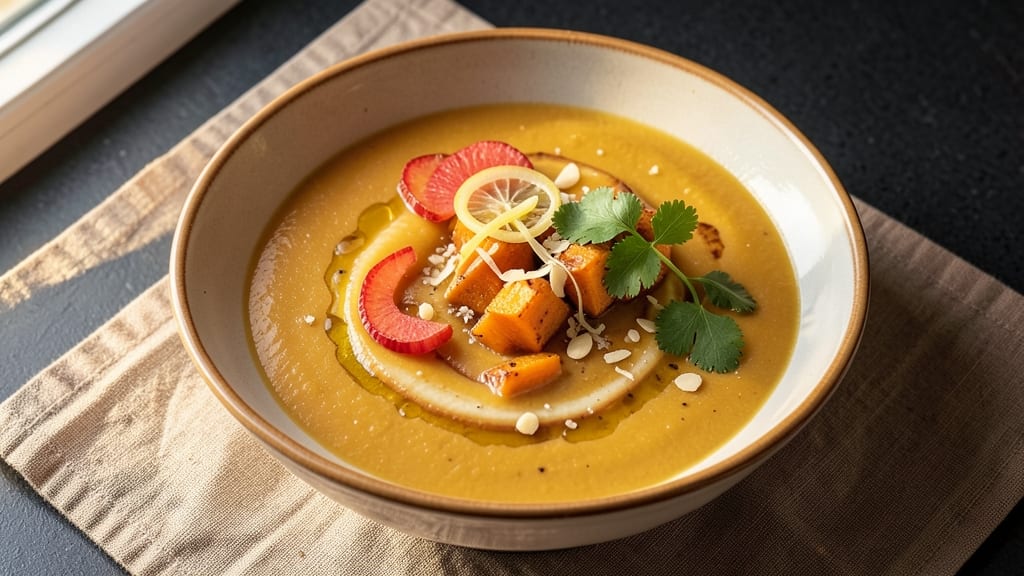
This AIP butternut squash soup delivers restaurant-quality creaminess without dairy, eggs, or grains—perfect for Autoimmune Protocol diets. The secret lies in roasting the squash first, which intensifies its natural sweetness and creates a velvety texture when blended with coconut milk.
I developed this recipe after struggling to find a truly satisfying soup that met all AIP requirements while still feeling indulgent.
What sets this soup apart is the balanced flavor profile: roasted squash provides natural sweetness, ginger adds warmth, and fresh herbs like basil or cilantro bring brightness. The soup simmers gently to develop depth without losing its silky consistency, and the optional coconut milk adds richness without dairy.
Every spoonful delivers comforting warmth while supporting immune health.
The preparation process is straightforward but transformative: roast the squash until caramelized, then blend with aromatic vegetables and coconut milk for that signature velvety texture.
This version skips traditional thickening agents like flour or cream, relying instead on the natural starches in the squash and the emulsifying properties of coconut milk. The result is a soup that's both nourishing and deeply satisfying.
This recipe serves as a complete meal—packed with immune-supporting ingredients like turmeric and ginger—while remaining gentle on digestion. Perfect for chilly evenings or as a comforting base for AIP-friendly meals. Here's how to create it step by step, ensuring every bowl meets your dietary needs without sacrificing flavor.
Ingredients for aip butternut squash soup
Roasted squash, aromatic vegetables, and coconut milk create velvety AIP-compliant soup without dairy or grains.
| Ingredient | Amount | Notes |
|---|---|---|
| Medium Butternut Squash 🎃 | 2 whole | Peeled, seeded, cut into 1-inch cubes |
| Extra-Virgin Olive Oil 🫒 | ½ cup | For roasting and blending |
| Yellow Onion 🧅 | 1 whole | Diced, roughly 1 cup |
| Fresh Ginger Root 🌿 | 1 ½ tbsp | Finely grated, fresh preferred |
| Garlic Cloves 🧄 | 3 cloves | Peeled, roughly chopped |
| Fresh Cilantro Leaves 🌿 | ¼ cup | Packed, stems removed |
| Fresh Basil Leaves 🌿 | ¼ cup | Packed, stems removed |
| Coconut Milk 🥥 | 1 can | Full-fat, 13.5 oz can |
| Vegetable Broth 💧 | 4 cups | Homemade or AIP-compliant store-bought |
| Ground Turmeric 🌶️ | ½ tsp | Freshly ground preferred |
| Sea Salt 🧂 | 1 tsp | Diamond Crystal preferred |
| Freshly Ground Black Pepper 🌶️ | ¼ tsp | Freshly cracked |
| Coconut Oil 🥥 | 1 tbsp | For garnish, optional |
The butternut squash is the foundation—choose a medium-sized squash with vibrant orange flesh and no soft spots. Roasting intensifies its natural sweetness, so don't skip this step. For the ginger, freshly grated delivers the most potent flavor, but powdered works in a pinch at half the amount. The coconut milk should be full-fat for optimal creaminess, and store-bought AIP-compliant brands like Native Forest are widely available. Fresh herbs like cilantro and basil add brightness, but if you're short on time, dried oregano at one-third the amount provides a similar earthy note.
No fresh ginger? Powdered ginger at half the quantity maintains the warmth, though fresh is superior. Substituting coconut milk with extra vegetable broth reduces richness but keeps the soup compliant. For added depth, a pinch of seaweed flakes can mimic umami without soy. The vegetable broth should be homemade or certified AIP—avoid brands containing garlic or onion powder. If you prefer a smoother texture, blend the soup longer, but roasting the squash first is non-negotiable for that signature velvety consistency.
Roasted squash cubes keep 3 days in the fridge, making this an excellent make-ahead soup. Store the blended soup in airtight containers for up to 5 days, though it reheats best when fresh. For longer storage, freeze portions for 3 months. Garnish with a drizzle of coconut oil and extra herbs before serving—this adds visual appeal without compromising AIP compliance. The soup thickens as it cools, so adjust with extra broth if needed.
Why You'll Love This Recipe
- No Chopping Chaos: I slice the squash in half, roast it whole, then scoop out the flesh—no mandoline, no tears. The onion and ginger get a quick pulse in the food processor, so you’re not standing there mincing for 10 minutes.
- Ginger-Garlic Magic: That fresh ginger and garlic combo? It’s the secret weapon—warm, zesty, and just sharp enough to wake up your taste buds. The olive oil toasts them until they’re fragrant, and suddenly, this soup tastes like a hug from a spice market.
- Meal Prep MVP: Make a big batch on Sunday, and you’ve got lunch or dinner covered for days. It reheats beautifully, keeps its creamy texture, and honestly? I’ve had it cold the next day with a drizzle of olive oil—still delicious.
- Budget Bright Spot: Butternut squash is the affordable superstar here—cheaper than most dairy creams, but way more nutritious. One squash feeds four, and the rest of the ingredients? Pantry basics you already own. Frugal doesn’t mean boring.
Step-by-step instructions for AIP butternut squash soup
This method delivers a velvety, dairy-free soup with perfect balance—rich yet light, aromatic without overpowering.
Roast the Butternut Squash and Aromatics
Preheat your oven to 400°F and line a large baking sheet with parchment paper. Arrange the peeled and cubed 2 whole medium butternut squashes in a single layer, leaving space between pieces. Drizzle evenly with 0.25 cup of the extra-virgin olive oil, then sprinkle with 0.5 tsp ground turmeric and 1 tsp sea salt.
Toss the squash gently to coat, then push it to one side of the baking sheet. In the empty space, spread the diced 1 whole yellow onion, 1.5 tbsp finely grated fresh ginger root, and 3 peeled garlic cloves. Drizzle with the remaining 0.25 cup extra-virgin olive oil and toss to combine. Roast for 25-30 minutes until the squash is tender when pierced with a fork and the onions are caramelized at the edges.
Here's the thing—roasting the squash first concentrates its natural sweetness and creates a deeper flavor than boiling. The aromatics develop complex caramelized notes that form the soup's aromatic base. If you notice the edges browning too quickly, tent the sheet with foil to prevent burning while maintaining even cooking.
Blend the Roasted Vegetables with Broth
Transfer the roasted squash and aromatics to a high-powered blender. Add the 4 cups vegetable broth and pulse until completely smooth. I like to blend in batches if needed—don't overfill beyond the blender's recommended maximum. The mixture should have a thick, paste-like consistency with no visible chunks.
This is where the magic happens: blending while still hot creates an ultra-smooth texture without needing dairy. The residual heat from roasting helps break down the squash fibers completely. If your blender struggles, add 2-3 tablespoons of the roasted vegetable mixture to help it start before adding the rest.
Simmer and Infuse with Fresh Herbs
Pour the blended mixture back into a medium saucepan and bring to a gentle simmer over medium heat. Stir in the 1 can coconut milk and reduce heat to low. Let it simmer uncovered for 10-12 minutes, stirring occasionally, until the flavors meld and the soup reaches your desired consistency.
This simmering step isn't just about heating—it's about developing depth. The coconut milk adds natural creaminess without dairy, while the low heat prevents curdling. You'll notice the aroma become more complex as the ginger and turmeric infuse fully. Taste and adjust seasoning with additional sea salt or freshly ground black pepper if needed—this soup should be rich but not overpowering.
Finish with Fresh Herbs and Garnish
Remove the soup from heat and stir in the 0.25 cup fresh cilantro leaves and 0.25 cup fresh basil leaves. These herbs add bright, fresh notes that cut through the richness of the coconut milk. Let the soup sit for 5 minutes to allow the flavors to marry completely.
For serving, ladle into bowls and drizzle with a small amount of 1 tbsp coconut oil if desired. The oil adds a silky finish and subtle coconut aroma. The soup should be velvety with a delicate sheen—if it appears too thick, thin with a splash of warm vegetable broth. Each spoonful should deliver a perfect balance of sweet squash, aromatic spices, and herbal freshness.
Rest and Serve Warm
Let the soup rest for 10 minutes before serving. This resting period allows the flavors to fully develop and the texture to settle into its ideal consistency. The soup will maintain its warmth beautifully, making it perfect for meal prep—simply reheat gently on the stove or in the microwave, stirring occasionally to prevent skin formation.
This soup keeps its velvety texture and rich flavor for up to 5 days in the refrigerator when stored in an airtight container. For best results, reheat portions in a saucepan over low heat rather than in the microwave to preserve the smooth texture. The combination of roasted squash, aromatic spices, and coconut milk creates a deeply satisfying dish that feels luxurious without any dairy.
Pro Tips For Making Aip Butternut Squash Soup
- ROAST THE SQUASH FIRST: I used to steam it raw, and it always tasted flat—like eating a boiled potato. Roast the peeled cubes at 400°F (200°C) for 25-30 minutes until fork-tender and caramelized. The Maillard reaction from roasting deepens the flavor, and it blends smoother than steamed squash ever could.
- PEEL GINGER LIKE A PRO: That fibrous, stringy mess? It’s not your knife’s fault—it’s how you’re holding the ginger. Use a spoon to scoop out the skin in one clean motion after grating, or wrap the root in a damp towel to grip it better. No more picking out bits mid-blend.
- SWEAT THE ONION LOW AND SLOW: I learned this the hard way—charred onions ruin the soup’s delicate balance. Cook the diced onion in olive oil over medium-low heat until translucent (8-10 minutes), stirring occasionally. Patience here keeps the soup from tasting bitter or overpowering.
- BLEND WITH HOT LIQUID: Cold soup = grainy soup. Pour the hot roasted squash and broth directly into the blender before adding the sautéed aromatics. The heat helps emulsify the fat, and you’ll get a silky texture without lumps. Just let it cool slightly first—no one wants to burn their hand on a blender.
Perfect pairings for this aip butternut squash soup
Herbal Garnish Ideas
Fresh cilantro and basil are my go-to herbs for this soup—their bright flavors perfectly complement the roasted squash and coconut milk. I like to chop them finely and sprinkle them over each serving just before eating to preserve their freshness.
If you prefer a different herbal profile, try fresh dill or parsley for a slightly more earthy note. 🌿
Coconut Oil Drizzle
A small drizzle of coconut oil before serving adds a luxurious finish that enhances the soup's natural sweetness. I recommend using unrefined coconut oil for its richer flavor and deeper color.
Start with 1 teaspoon per serving and adjust to taste—this step is optional but makes the soup feel extra indulgent without compromising AIP compliance.
Crispy Squash Garnish
For added texture, pan-fry extra roasted squash cubes in 1 tablespoon coconut oil over medium-high heat for 3-4 minutes until golden and crispy. These crispy cubes add a delightful contrast to the creamy soup. I like to sprinkle them on top just before serving to maintain their crunch. 🔥
Warm Spiced Broth
Serve the soup alongside a small bowl of warm spiced broth made from ginger, turmeric, and black pepper. This extra bowl lets you adjust the soup's consistency to your preference—add a splash of broth to thin it out if needed.
The extra broth also makes for a comforting pairing, especially on colder days.
Fresh Fruit Pairing
For a refreshing contrast, serve the soup with AIP-compliant fruit like sliced apple or pear. The natural sweetness of the fruit balances the soup's earthy flavors beautifully.
I often serve it with thin apple slices on the side for a light, crisp accompaniment that keeps the meal feeling fresh and vibrant.
Warm Coconut Chips
For a crunchy, sweet garnish, sprinkle toasted coconut chips on top of the soup. These add a delightful texture and subtle coconut aroma that complements the soup's flavors.
I like to toast them in a dry pan for 1-2 minutes until golden, then sprinkle them over the top just before serving for maximum freshness.
Nutrition facts
Frequently asked questions
Can I substitute sweet potato for butternut squash in this recipe?
Yes, you can use sweet potato, but the flavor and texture will differ slightly. Sweet potatoes have a denser, earthier taste that works well, though butternut squash provides a natural sweetness that's harder to replicate. If substituting, reduce the roasting time by 5-7 minutes since sweet potatoes cook faster. For best results, use 2 medium sweet potatoes peeled and cubed.
What if I don't have coconut milk? Can I make this soup without it?
If coconut milk isn't available, you can create a thinner version using extra vegetable broth or add 1 tablespoon coconut oil per serving at the end for richness. The soup will still be flavorful, though slightly less creamy. For a dairy-free alternative, try blending in 1/4 cup cooked white beans (if tolerated) or using 1/2 cup extra roasted squash puree.
How do I prevent the soup from getting too thick when reheating?
This soup naturally thickens as it cools, so always reheat it gently over low heat while stirring frequently. If it becomes too thick, thin it with 1-2 tablespoons warm vegetable broth per serving. For extra insurance, store it in a shallow container—this prevents the top layer from becoming too concentrated. Never microwave it directly, as this can create a skin.
Is this soup safe for AIP beginners? What about nightshades?
This recipe is fully AIP-compliant with no nightshades, dairy, eggs, grains, legumes, nuts, or seeds. The only potential concern is fresh herbs like cilantro or basil—some AIP beginners may need to avoid these initially. If sensitive, simply omit them or use fresh dill or parsley instead. Always check your personal tolerances, especially when introducing new ingredients.
Can I make this soup in an Instant Pot or pressure cooker?
Yes! For a pressure cooker version, sauté the onions, ginger, and garlic first, then add all ingredients except fresh herbs. Cook on high pressure for 8 minutes, then release pressure naturally. Blend as directed, then stir in coconut milk and fresh herbs. The texture will be slightly different but still delicious. For Instant Pot, use the soup/broth setting for 5 minutes after adding all ingredients.