
Soups & Stews
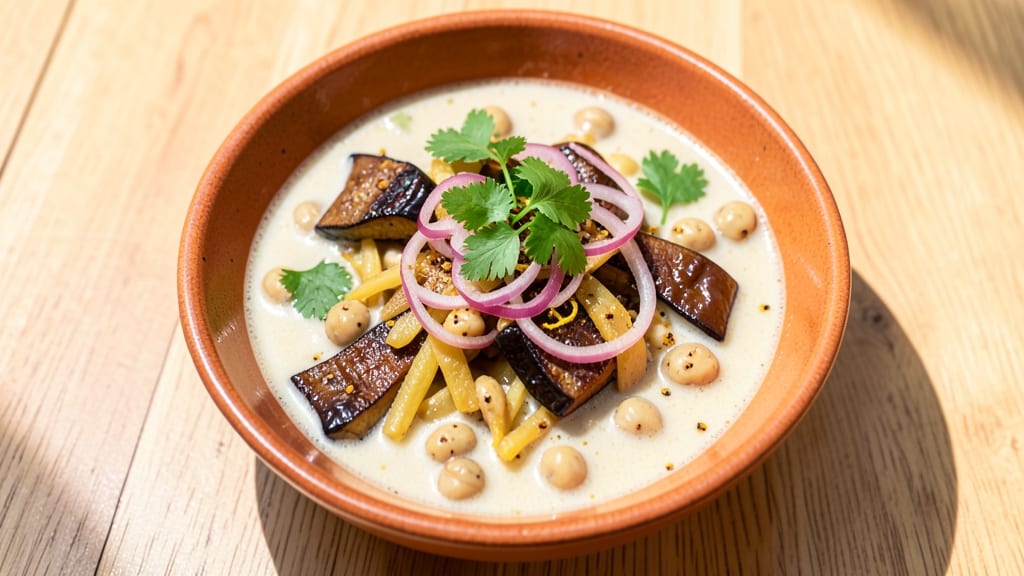
This Bengali eggplant soup recipe brings the soul-warming flavors of West Bengal to your kitchen, where slow-simmered spices and coconut milk create a velvety, aromatic broth that tastes like home. The key lies in the layered spices—mustard seeds, cumin, and turmeric—that bloom in hot oil, releasing their earthy warmth before embracing tender eggplant and potatoes. I first tasted this dish at a family gathering in Kolkata, where the soup was served steaming hot with crispy luchi (Bengali fried bread), and it became an instant favorite.
The beauty of this recipe is its balance between tradition and adaptability. While authentic versions often include fish or shrimp, I've included a vegetarian option using chickpeas for protein, making it accessible without sacrificing depth.
The coconut milk adds a subtle sweetness that rounds out the tangy mustard oil, while fresh cilantro and poppy seeds at the end introduce a bright, nutty finish. What sets this apart is the slow simmer—at least 45 minutes—which allows the flavors to meld into a harmonious, comforting broth.
By the time you're done, you'll have a soup that's rich in texture and flavor: tender eggplant and potatoes floating in a golden, spiced broth with just the right amount of creaminess.
The aroma alone—warm spices, coconut, and a hint of mustard—will fill your kitchen and transport you to the streets of Bengal. Serve it with steamed rice or luchi for the full experience, or enjoy it as-is with a side of roti for a hearty meal.
This recipe is perfect for cooler evenings or when you crave something nourishing yet flavorful. The ingredients are simple, but the technique—especially the slow simmer and proper spice blooming—is what transforms this into a restaurant-quality dish. Let's get cooking!
Ingredients for bengali soup
Simple ingredients transform into a fragrant, slow-simmered Bengali eggplant soup with layers of spice and coconut creaminess.
| Ingredient | Amount | Notes |
|---|---|---|
| Eggplant 🍆 | 1 ½ lb | Medium-sized, peeled and cubed |
| Yellow Onions 🧅 | 1 whole | Medium, finely chopped |
| Russet Potatoes 🥔 | 2 medium | Peeled and cubed |
| Canned Chickpeas 🌱 | 1 can | 15 oz, drained and rinsed |
| Coconut Milk 🥥 | 1 can | 14 oz full-fat preferred |
| Mustard Seeds 🌶️ | 1 tbsp | Whole, yellow variety |
| Ground Cumin 🌿 | 1 tsp | Freshly toasted preferred |
| Turmeric Powder 🌶️ | ½ tsp | Bright yellow color |
| Fresh Ginger 🧄 | 2 tbsp | Grated, finely minced |
| Garlic Cloves 🧄 | 4 cloves | Peeled and minced |
| Vegetable Oil 🫒 | ½ cup | High smoke point preferred |
| Water 💧 | 4 cups | Filtered preferred |
| Fresh Cilantro 🌿 | ¼ cup | Chopped, for garnish |
| Poppy Seeds 🌾 | 1 tbsp | Toasted for aroma |
| Salt 🧂 | 1 ½ tsp | Kosher or sea salt |
The eggplant and potatoes are the heart of this soup—look for firm, unblemished eggplant at the market or use the pre-cubed kind if you're short on time. Whole Foods or Indian specialty stores often carry the best quality. For the chickpeas, Trader Joe's has the canned variety with no additives, but any good-quality canned chickpeas work. The coconut milk should be full-fat (none of that light stuff)—it's what gives the soup that velvety texture. Toast your cumin seeds in a dry pan for 30 seconds before grinding if you want to take it to the next level (trust me, it's worth it).
No mustard seeds? Substitute with 1/2 tsp ground mustard—it won't be the same, but it'll work in a pinch. Running out of fresh ginger? Dried ginger at half the amount gets you close, though it lacks that bright zing. The vegetable oil matters—avocado or peanut oil has higher smoke points than olive oil, so it won't burn when you toast the spices. For the poppy seeds, if you can't find them, sesame seeds add a similar nutty finish. And if you're worried about the soup being too thick, just add more water—it reheats beautifully.
This soup tastes even better the next day once the flavors have time to meld. Store it in an airtight container in the fridge for up to 5 days, or freeze portions for 3 months. I like to make a double batch because it's perfect for meal prep—just reheat with a splash of water or coconut milk to restore the creaminess. The spices keep well in the pantry for 6-12 months, so buy in bulk if you're making this often. And if you have leftovers, the broth freezes perfectly for quick future soups.
Why You'll Love This Recipe
- One-Pot Magic: I swear by this recipe on nights when I’d rather not wash a million dishes—just chop, simmer, and serve. The eggplant and potatoes soften right in the pot, while the chickpeas add texture without extra pans.
- Creamy Without Guilt: That coconut milk? It makes this soup ridiculously rich, but the eggplant soaks up the richness so you don’t feel like you’re drowning in calories. Honestly, it’s the kind of comfort that doesn’t weigh you down.
- Lunchbox Hero: Between us, this soup is a lifesaver for meal prep. The flavors only get better the next day, and it reheats like a dream—pack it in jars for work or school, and you’ll be the office favorite.
- Pantry Staple Power: No fresh herbs? No problem. The onions and chickpeas keep it hearty, and coconut milk adds depth even if you’re working with basics. I’ve made this with whatever was in my cupboard, and it’s still solid.
Step-by-step instructions for Bengali eggplant soup
This aromatic soup builds layer upon layer of flavor through slow simmering and careful spice integration.
Bloom the Spices in Oil
Heat the 0.5 cup vegetable oil in a large pot over medium heat until shimmering but not smoking. Add the 1 tbsp mustard seeds and watch them pop and sizzle—this should take about 30 seconds. Immediately add the 2 tbsp fresh ginger and 4 cloves garlic cloves, stirring constantly for 1 minute until fragrant and golden.
Next, add the 1 tsp ground cumin and 0.5 tsp turmeric powder, stirring for 30 seconds until the spices release their aroma. The turmeric will give the soup its signature golden hue, while the cumin adds earthy depth. This spice blooming step is crucial—it develops the aromatic foundation of the soup. If you smell burning, reduce the heat slightly to prevent scorching the spices.
Sauté the Aromatics
Add the 1 whole yellow onions, chopped, to the pot and cook for 5-7 minutes over medium heat, stirring occasionally, until softened and golden. The onions should caramelize slightly at the edges, adding sweetness to balance the spices. If they start to brown too quickly, reduce the heat to maintain even cooking.
Now add the 1.5 lb eggplant, peeled and cubed, and the 2 medium russet potatoes, peeled and cubed. Toss everything together for 2 minutes to coat the vegetables evenly in the spiced oil. This ensures every bite carries that complex flavor profile. The eggplant will begin to soften slightly, but it will continue cooking through the simmering process.
Simmer with Water and Salt
Pour in the 4 cups water and bring the mixture to a gentle boil over medium-high heat. Once boiling, reduce the heat to low and add the 1.5 tsp salt. The soup should simmer steadily for 20-25 minutes, partially covered, until the potatoes are fork-tender and the eggplant has softened completely.
Here's where patience pays off—the soup should develop a thick, velvety consistency as the vegetables break down. Stir occasionally to prevent sticking, and taste the broth to ensure the salt balances the spices. If the soup reduces too much before the vegetables are tender, add a splash of water to maintain the right texture. The aroma should be rich and inviting, with the spices melding together beautifully.
Incorporate Chickpeas and Coconut Milk
Add the 1 can chickpeas, drained and rinsed, to the pot and stir to combine. Simmer for an additional 5 minutes to heat through. Then, reduce the heat to low and slowly pour in the 1 can coconut milk, whisking gently to prevent curdling. The coconut milk will add a creamy richness that balances the earthy spices and tender vegetables.
The soup should now have a luxurious texture with a subtle sheen from the coconut milk. Let it simmer for another 5 minutes to allow the flavors to meld completely. The chickpeas will absorb some of the broth, adding protein and heartiness to each spoonful. If the soup is too thick, thin it with a little more water or coconut milk to reach your desired consistency.
Finish and Garnish
Remove the pot from heat and let the soup rest for 5 minutes to allow the flavors to settle. Then, toast the 1 tbsp poppy seeds in a dry skillet over low heat for 1-2 minutes until fragrant. Stir the poppy seeds into the soup along with the 0.25 cup chopped fresh cilantro. The poppy seeds add a delicate crunch and nutty flavor, while the cilantro brightens the dish with freshness.
Taste and adjust the seasoning if needed—you might want to add a pinch more salt or a squeeze of lemon juice to enhance the flavors. Serve the soup warm, garnished with an extra sprinkle of poppy seeds and cilantro. Each bowl should be aromatic, creamy, and perfectly balanced between spice, coconut richness, and vegetable sweetness.
Pro Tips For Making Bengali Soup
- CHAR THE ONIONS LOW: I learned this the hard way—cranking the heat too high on those yellow onions turns them bitter before they even soften. Keep it at a steady simmer, stirring every 30 seconds until they’re translucent but not browned. That’s the base flavor you want, not burnt caramel.
- SALT THE POTATOES FIRST: Toss your Russet potatoes in a pinch of salt and a drizzle of oil before adding them to the pot. This keeps them from turning mushy later—sounds weird, but it works. I skip this, and my soup gets watery.
- DRAIN AND RINSE THE CHICKPEAS: Open that can of chickpeas, drain them, and give them a quick rinse under cold water. The starchy liquid clogs the soup and makes it gluey. I was skeptical until I tried it—now it’s non-negotiable.
- SAUTÉ THE EGGPLANT IN BATCHES: Eggplant releases a ton of water, and if you dump it all in at once, your soup will dilute into a thin stew. Brown the slices in small batches first, then add them back to the pot. This keeps the texture rich, not soggy.
Regional styles of this dish
West Bengal Classics
This eggplant soup draws inspiration from Kolkata's street food culture, where slow-cooked vegetable soups like shorishobji are staples. In West Bengal, the dish often includes fish or shrimp instead of chickpeas, but the technique remains identical—spices bloomed in mustard oil, simmered until tender.
I remember my grandmother's version used rohu fish (a local delicacy) and a splash of tamarind paste for tanginess. For an authentic touch, add 1 tsp tamarind concentrate at the end if you have it. 🌊
Assamese Twist
Assamese cuisine brings a lighter, herbal profile to soups, often using black mustard seeds instead of yellow and incorporating fresh fenugreek leaves. For this variation, swap the yellow mustard seeds for 1 tbsp black mustard seeds and stir in ½ cup chopped fenugreek leaves during the simmering stage.
The Assamese style also favors less coconut milk—reduce to ½ can—to keep the broth bright and vegetable-forward. This version pairs beautifully with steamed rice and a side of mashed dal.
Bangladeshi Comfort
Across the border in Bangladesh, soups like begun bhuna (eggplant curry) inspire this dish's rich, spiced profile. The Bangladeshi approach often includes poppy seed paste (khoya) instead of whole seeds, creating a smoother texture.
For this adaptation, blend 1 tbsp poppy seeds with 1 tsp water to make a paste, then stir it into the soup during the final 5 minutes of simmering. Add ½ tsp garam masala at the end for warmth—this spice blend is a Bangladeshi staple.
Serve with paratha or naan for a hearty meal. 🇧🇩
Kerala-Inspired Fusion
Southern India's Kerala region brings a coconut-forward approach, where soups often include grated coconut instead of milk. For this fusion, replace the coconut milk with 1 cup freshly grated coconut (squeezed to remove excess water) and simmer it with the vegetables.
Add 1 tsp curry leaves when blooming the spices and finish with ½ tsp black pepper for a South Indian kick. This version works beautifully with appam (fermented rice pancakes) or idli.
Modern Adaptations
For a vegan-friendly twist, skip the chickpeas and add 1 cup diced tofu (pressed and cubed) during the final 10 minutes of simmering. For a protein boost, stir in ½ lb cooked prawns or smoked tofu at the end.
If you love heat, add ½ tsp red chili powder when blooming the spices or a splash of lime juice before serving. The possibilities are endless—this soup is your canvas! 🎨
Nutrition facts
Frequently asked questions
Can I make this soup without coconut milk?
For a lighter version, replace the coconut milk with ½ cup Greek yogurt or ½ cup heavy cream during the final simmer. If you prefer a completely dairy-free option, use ½ cup cashew cream (blend soaked cashews with water) or simply add ½ cup extra water and a pinch of salt to maintain the broth's richness. The soup will still be flavorful, though slightly less creamy.
What's the best way to store leftovers?
Store leftovers in an airtight container in the fridge for up to 5 days. The flavors actually deepen overnight! For longer storage, freeze portions in glass containers (leave 1-inch headspace for expansion) for up to 3 months. Reheat gently on the stove with a splash of water or coconut milk to restore creaminess. Never microwave directly from frozen—thaw in the fridge first.
Why does my soup taste bitter?
Bitterness usually comes from overcooked eggplant or burnt spices. To fix it, add 1 tsp sugar or ½ tsp honey to balance the flavors. For prevention:
- Cut eggplant into 1-inch cubes (smaller pieces cook faster and absorb less bitterness),
- Don't let the oil smoke when blooming spices, and
- Simmer uncovered for the last 5 minutes to evaporate excess bitterness.
Can I substitute eggplant with other vegetables?
Yes! For a heartier soup, replace half the eggplant with zucchini or cauliflower. For a South Indian twist, use tender coconut (shredded) instead of potatoes. The key is maintaining the soup's structure—stick to starchy veggies (like potatoes) for body, and pair with softer veggies (like eggplant or zucchini) for texture. Always adjust simmering time by 5-10 minutes based on the new veggies' density.
How do I make this soup spicier?
For extra heat, add ½ tsp red chili powder when blooming the spices or stir in 1 tsp finely chopped green chilies during the simmer. For smoky depth, toast ½ tsp Kashmiri red chili flakes with the mustard seeds. If you love tangy heat, finish with 1 tsp tamarind paste or a squeeze of lime juice. Start with small amounts—you can always add more, but you can't remove excess spice!