
Soups & Stews
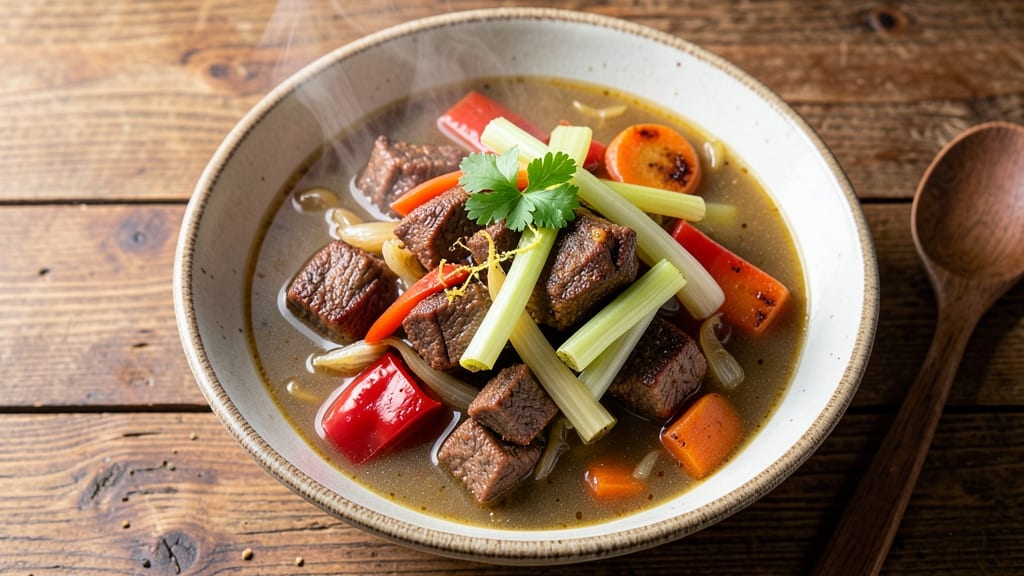
This beef vegetable soup recipe with frozen veggies transforms weeknight dinners into comforting one-pot meals without sacrificing flavor. The secret lies in browning the beef first—creating deep, savory notes that turn ordinary frozen vegetables into a rich, hearty stew.
I've perfected this method to deliver restaurant-quality results in just 30 minutes, using pantry staples and minimal prep work.
What makes this recipe truly special is its balance of simplicity and depth. Frozen vegetables retain enough texture to add satisfying bite, while the beef and herbs infuse the broth with layers of flavor. The key technique?
Sautéing the beef until deeply browned before adding liquids—this step alone elevates the soup from basic to extraordinary. No fancy ingredients required, just quality beef, frozen vegetables, and a few aromatic spices.
By the time you're done, you'll have a steaming pot of soup with tender beef chunks, perfectly softened vegetables, and a broth so flavorful it coats every spoonful. The aroma alone will have everyone gathered around the table, and the best part?
Leftovers freeze beautifully for quick meals later in the week. This is the kind of recipe that proves homemade comfort food can be both easy and impressive.
Whether you're feeding a family or meal prepping for the week, this one-pot method ensures minimal cleanup while delivering maximum satisfaction. The instructions are straightforward, the ingredients accessible, and the results consistently delicious. Let's get started on this hearty, time-saving masterpiece.
Ingredients for beef vegetable soup recipe frozen veggies
Quality beef and frozen vegetables create a hearty soup with restaurant-level depth in one pot.
| Ingredient | Amount | Notes |
|---|---|---|
| Chuck Roast Beef 🥩 | 1 ½ lb | Cut into 1-inch cubes, trimmed of fat |
| Yellow Onion 🧅 | 1 whole | Diced, medium-sized |
| Carrots 🥕 | 16 oz | Frozen, whole or baby |
| Celery Stalks 🧄 | 3 whole | Frozen, chopped or whole |
| Green Bell Pepper 🌶️ | 1 whole | Frozen, chopped or whole |
| Garlic Cloves 🧄 | 4 cloves | Fresh, minced |
| Beef Broth 💧 | 4 cups | Low-sodium preferred |
| Water 💧 | 2 cups | Or additional broth |
| Tomato Paste 🍅 | 2 tbsp | Squeeze tube or canned |
| Dried Thyme 🌿 | 1 tsp | Or 1 tbsp fresh |
| Dried Rosemary 🌿 | ½ tsp | Crushed between fingers |
| Bay Leaves 🌿 | 2 whole | Remove before serving |
| Salt 🧂 | 1 ½ tsp | Diamond Crystal preferred |
| Black Pepper 🌶️ | 1 tsp | Freshly ground |
| Olive Oil 🫒 | 2 tbsp | Extra-virgin for richness |
The beef selection is critical for authentic flavor. Chuck roast delivers the best texture and depth when browned properly—sirloin or flank steak won't provide the same rich, fall-apart quality. Most grocery stores carry pre-cubed chuck roast in the frozen section, which saves significant prep time. For optimal results, look for cuts with visible marbling at Whole Foods or your local butcher shop. The frozen vegetables should be the standard mix of carrots, celery, and bell peppers—Green Giant or Birds Eye brands are consistently reliable for texture retention. If using fresh vegetables, chop them uniformly to ensure even cooking throughout the soup.
No beef broth on hand? Chicken broth with 1 tbsp soy sauce provides a decent substitute, though the flavor profile will differ slightly. Fresh herbs can be swapped at a 3:1 ratio—1 tbsp fresh thyme equals 1 tsp dried. For the tomato paste, Trader Joe's squeeze tubes are ideal as they eliminate waste and last indefinitely in the pantry. The bay leaves can be omitted entirely if you dislike their flavor, though they add subtle earthy notes that complement the beef. When selecting frozen vegetables, avoid bags with ice crystals—check the packaging date and use within the recommended timeframe for peak texture.
This soup develops deeper flavor with time, so simmer for at least 45 minutes after adding the broth. For meal prep, portion into airtight glass containers and store in the refrigerator for up to 5 days or freeze for 3 months. The beef will continue tenderizing during storage, making leftovers even more flavorful. To reheat, bring to a gentle boil over medium heat, then reduce to a simmer for 5 minutes. For a restaurant-quality finish, stir in a pat of unsalted butter and a splash of lemon juice before serving.
Why You'll Love This Recipe
- Frozen Veggies, Zero Hassle: I swear by this trick—just toss in frozen carrots, celery, and bell peppers straight from the bag. No chopping, no peeling, and the flavors still melt together like they’ve been simmering all day. (Yes, even on a Tuesday night when you’re exhausted.)
- Chuck Roast Magic: That slow-cooked chuck roast turns tender enough to shred with a fork, while the onions caramelize into sweet, golden pockets. Honestly, it’s the kind of depth you’d pay extra for at a restaurant—but here? It’s just a pot and patience.
- Leftovers That Feel Fresh: Make a double batch and freeze half—because reheating this soup is like time travel. The beef stays juicy, the veggies stay crisp, and suddenly you’ve got a 5-minute dinner after work. (My kids don’t even complain about the leftovers.)
- Budget-Buster for Busy Nights: A single chuck roast stretches into four servings, and frozen veggies cut costs without sacrificing taste. Between us, this is my go-to when I’ve got a house full of people and $20 to feed them. It’s solid. Reliable. My secret weapon.
Step-by-step instructions for beef vegetable soup with frozen veggies
This simple method delivers restaurant-quality beef vegetable soup using frozen vegetables—no prep work required.
Sear the Beef for Deep Flavor
Heat a large Dutch oven over medium-high heat and add the 2 tablespoons olive oil. Once shimmering, add the 1.5 pounds chuck roast beef cut into 1-inch cubes, working in batches if needed. Sear for 3-4 minutes per side until deep golden brown develops—this creates the rich foundation for your soup.
Don't overcrowd the pan or the beef will steam instead of brown. I like to press down gently on the cubes during the first minute to prevent curling. Remove the beef and set aside temporarily—you'll add it back later once all the vegetables are softened.
Sauté Aromatics and Frozen Vegetables
In the same Dutch oven, add the 1 whole diced yellow onion, 16 ounces frozen carrots, 3 whole frozen celery stalks, and 1 whole frozen green bell pepper. Cook for 5-6 minutes until the onion softens and the vegetables begin to thaw and release their juices.
Here's where the magic happens: the frozen vegetables will release moisture as they cook, creating a natural broth base. Stir occasionally to prevent sticking, and add the 4 minced garlic cloves during the last 30 seconds of cooking to infuse their aroma without burning.
Build the Soup Base
Stir in the 2 tablespoons tomato paste and cook for 1 minute until it darkens slightly. This deepens the flavor profile and adds natural sweetness. Pour in the 4 cups beef broth and 2 cups water, scraping up any browned bits from the bottom of the pot—these contain concentrated flavor.
Add the 1 teaspoon dried thyme, 0.5 teaspoon dried rosemary, 2 whole bay leaves, 1.5 teaspoons salt, and 1 teaspoon black pepper. Return the seared beef to the pot and bring everything to a gentle boil. Once boiling, reduce heat to medium-low and let it simmer uncovered for 20 minutes—this ensures the vegetables soften completely while the beef tenderizes.
Finish and Adjust Seasoning
After 20 minutes, taste the soup and adjust seasoning if needed. The vegetables should be tender but still hold their shape, and the beef should be fork-tender with just a slight resistance. If the soup is too thick, add ½ cup water or broth to reach your preferred consistency.
Remove the bay leaves before serving—while they add wonderful aroma during cooking, their presence can be noticeable if left in. Ladle the soup into bowls and serve immediately, garnished with fresh parsley if desired. The aroma alone will make your kitchen feel like a cozy restaurant.
Pro Tips For Making Beef Vegetable Soup Recipe Frozen Veggies
- SEAR THE ROAST FIRST: I learned this the hard way—skipping the sear means flavorless beef. Brown the chuck roast in batches (yes, it’s messy) over medium-high heat for 3-4 minutes per side before adding liquid. The crust locks in juices and adds depth that no amount of bouillon can replace.
- CHOP FROZEN VEGGIES SMALL: Frozen veggies are convenient, but they won’t soften evenly if you dump them in whole. Roughly chop carrots, celery, and bell pepper into ½-inch pieces before adding them to the pot. Smaller pieces cook faster and absorb the beefy broth better—no more mushy celery or rock-hard bell pepper.
- SALT THE WATER LIKE THE OCEAN: This isn’t just a flavor booster—it’s a texture game-changer. Add at least 1½ teaspoons of salt (more if using low-sodium broth) to the pot with the beef and aromatics. It seasons the meat from the start and prevents bland broth, especially when using frozen veggies that lack natural saltiness.
- SIMMER, DON’T BOIL: Low and slow is the only way to tenderize chuck roast properly. Once the soup is at a gentle bubble, reduce heat to maintain a barely simmer—just enough to see tiny ripples, not a rolling boil. Boiling toughens the meat and turns the broth cloudy. Patience here makes the difference between shredding beef with a fork and struggling with chewy chunks.
Storing and reheating your beef vegetable soup recipe frozen veggies
Refrigerator Storage
Let your beef vegetable soup cool completely before transferring to airtight glass containers—I prefer Pyrex with snap-on lids for durability. Store in the refrigerator at 40°F or below for up to 5 days.
The flavors actually deepen as the spices meld, making it taste even better the next day. Just before serving, stir in a pat of unsalted butter to restore richness lost during cooling. 🥣
Freezer Prep Tips
For long-term storage, portion soup into quart-sized freezer bags or glass containers with 1-inch headspace to prevent expansion cracks. Press out excess air to avoid freezer burn, and label with the date.
This soup freezes beautifully for up to 3 months—the beef continues tenderizing while frozen. For best texture, thaw overnight in the refrigerator before reheating. 🧊
Reheating Methods
For stovetop reheating, transfer soup to a pot and heat over medium-low heat for 10-15 minutes, stirring occasionally. Add 2-3 tablespoons water or broth if it thickens too much. For microwave reheating, use 50% power in 2-minute intervals, stirring between each, until reaching 165°F.
Always taste and adjust seasoning after reheating—soup often needs a pinch of salt or black pepper to revive its flavor. ⏱️
Reviving Texture
If your reheated soup seems too thick, thin it with warm water or broth—I usually add ¼ cup at a time until reaching my preferred consistency. For extra richness, stir in 1 tablespoon olive oil or a splash of lemon juice before serving.
The key is gentle heat: high temperatures can turn the beef mushy, so always reheat slowly and stir frequently. 💫
Meal Prep Strategy
Double the recipe and freeze half immediately for future meals. I like to prep two 3-quart portions on Sunday—one for the fridge and one for the freezer. When ready to serve, simply thaw overnight and reheat.
This ensures you always have a hearty meal ready, whether it's a busy weeknight or an unexpected guest visit. 📅
Garnish Refresh
Brighten reheated soup with fresh garnishes like chopped parsley, grated Parmesan cheese, or a drizzle of hot sauce. These additions not only enhance flavor but also make the soup feel fresh and restaurant-worthy.
I keep a small jar of hot honey on hand for an extra-special touch that balances the savory broth. 🌿
Nutrition facts
Frequently asked questions
Can I use any frozen vegetables in this recipe?
This recipe works best with a mix of carrots, celery, and bell peppers—the classic "holy trinity" of soup vegetables. These three balance sweetness, earthiness, and crunch perfectly. If you only have one type, supplement with fresh onions and garlic for depth. Avoid frozen corn or peas—they cook too quickly and can make the soup mushy.
Why does browning the beef matter so much?
Browning creates the Maillard reaction, which develops deep, savory flavors that regular cooking can't match. This step transforms simple beef into rich, caramelized bits that dissolve into the broth, creating that restaurant-quality taste. Skipping it results in bland soup—worth the extra 5 minutes!
How can I make this soup creamier without dairy?
Blend ½ cup of the soup (vegetables and broth only) until smooth, then stir it back in. This creates a silky texture without dairy. For extra richness, add 1 tablespoon olive oil or a splash of coconut milk at the end. The frozen vegetables actually help create a natural thickening effect!
What if my frozen veggies are still icy when added?
No problem! The soup's liquid will gradually thaw them while cooking. For faster results, microwave the frozen veggies for 1-2 minutes first to break up ice crystals. Just don't overcook—they should be tender but still hold their shape.
Can I make this soup in a slow cooker?
Brown the beef first, then add everything to your slow cooker and cook on low for 6-8 hours or high for 3-4 hours. The low-and-slow method makes the beef exceptionally tender. Add a splash of water if it gets too thick during cooking. Perfect for hands-off meal prep!