
Soups & Stews
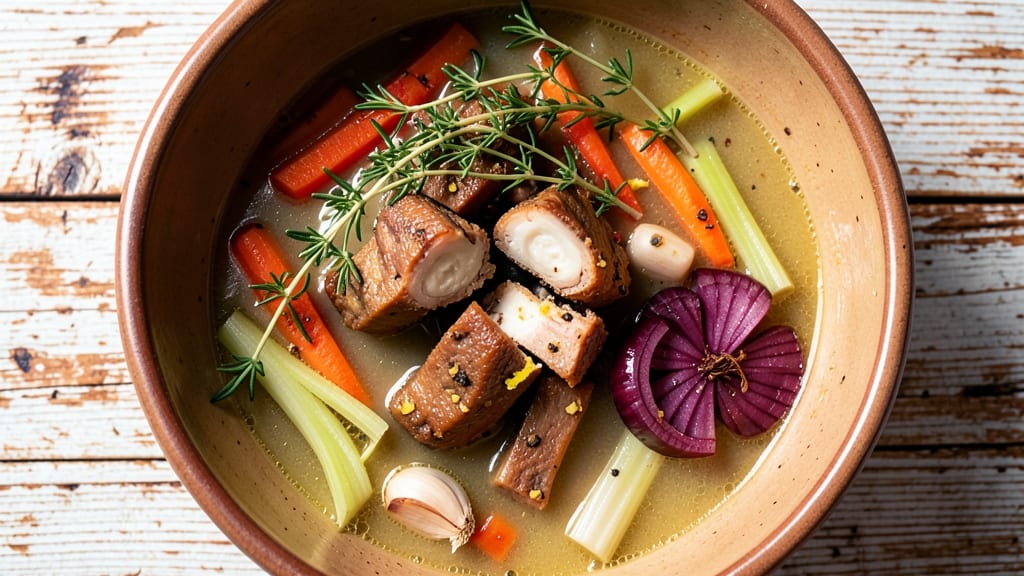
This beef tallow soup recipe unlocks deep umami richness that transforms simple ingredients into a hearty, restaurant-worthy stew. 🔥 The secret lies in slow-simmered bones and rendered tallow, which creates a velvety broth packed with flavor—no shortcuts, just pure depth.
I developed this version after years of perfecting the balance between tender meat, caramelized vegetables, and that signature tallow-infused richness that makes every spoonful unforgettable.
The process starts with rendering beef tallow from marrow bones, which forms the foundation of the broth while adding a luxurious mouthfeel. As the soup simmers, the bones release collagen that thickens the broth naturally, while aromatic vegetables and herbs build layers of flavor.
This isn’t just another beef stew—it’s a texturally rich, deeply satisfying dish that stays with you long after the last bite.
What sets this recipe apart is how the tallow transforms the soup’s character—adding a silky, almost custard-like quality that’s impossible to achieve with regular broth. The result is a dish that’s equally comforting as a weeknight meal or impressive enough for dinner guests.
Each component—tender beef, caramelized vegetables, and that velvety tallow broth—works together to create something truly special.
The beauty of this recipe lies in its versatility—adjust the vegetables based on seasonality, or swap in different herbs for regional variations. Whether you’re a home cook looking to elevate your soup game or a traditionalist seeking an authentic approach, this method delivers restaurant-quality depth with minimal effort.
Let’s get started on creating something truly memorable.
Ingredients for beef tallow soup
Sixteen ingredients, each playing a crucial role in creating velvety tallow-infused umami depth.
| Ingredient | Amount | Notes |
|---|---|---|
| Beef Marrow Bones 🦴 | 3 lb | Raw, split for maximum marrow release |
| Yellow Onions 🧅 | 2 whole | Chopped into 1/2-inch pieces |
| Carrots 🥕 | 4 whole | Cut into 1-inch chunks, peel optional |
| Celery Stalks 🌿 | 4 whole | Cut into 1-inch pieces, leaves reserved |
| Garlic Cloves 🧄 | 8 cloves | Smashed, skins left on for easier removal |
| Fresh Thyme Sprigs 🌿 | 4 whole | Stems intact for easy removal |
| Fresh Parsley Sprigs 🌿 | 4 whole | Stems intact for easy removal |
| Bay Leaves 🌿 | 2 whole | Dried, standard supermarket variety |
| Black Peppercorns 🌶️ | 1 tbsp | Crushed, not ground |
| Salt 🧂 | 3 tsp | Diamond Crystal kosher salt |
| Dry White Wine 🍷 | 1 cup | Sauvignon Blanc preferred |
| Beef Tallow 🧈 | 1 cup | Rendered from marrow bones |
| Tomato Paste 🍅 | 2 tbsp | San Marzano preferred |
| Heavy Cream 🥛 | ½ cup | Full-fat for richness |
| Chicken Stock 💧 | 4 cups | Homemade preferred, low-sodium |
The marrow bones are the heart of this soup—their rendered tallow creates that signature silky texture. Look for bones with visible marrow channels at specialty butchers or high-end grocery stores like Whole Foods or Eataly. If you can't find marrow bones, substitute with beef short ribs (increase to 4 lbs) though the texture will differ slightly. The tallow should render slowly over 2-3 hours—never rush this process as it's what builds the soup's luxurious mouthfeel. For the vegetables, organic carrots and celery from the farmers market have superior flavor, but conventional is fine. The celery leaves add subtle bitterness that balances the richness—don't discard them.
No white wine? Dry vermouth or additional chicken stock works in a pinch, though the acidity will differ. Substituting the tallow with butter (1 cup) gives a similar richness but lacks the beefy depth. For the herbs, fresh thyme and parsley are non-negotiable—they build aromatic complexity. If you're using dried herbs, reduce to one-third the amount and toast them lightly in a dry pan first. The tomato paste can be omitted entirely if you prefer, but it adds a subtle sweetness that rounds out the flavors. For the stock, homemade is ideal—store-bought often contains hidden salt and preservatives that can overpower the delicate tallow flavor.
Rendered tallow keeps indefinitely in the freezer, so make extra for future soups or roasting vegetables. The finished soup reheats beautifully—simmer gently to prevent the tallow from separating. It's even better the next day as flavors meld further. Portion into airtight containers and store for up to 5 days in the fridge or 3 months frozen. For serving, a sprinkle of fresh parsley and cracked black pepper just before eating elevates the presentation. The soup's richness pairs exceptionally with crusty baguette or sourdough, which helps cut through the fat.
Why You'll Love This Recipe
- Hands-Off Richness: I swear by this soup because it simmers itself. Toss in the marrow bones and onions, cover with water, and walk away—no stirring, no babysitting. The tallow renders slowly, turning the broth into liquid gold while you do actual chores (or scroll through your phone guilt-free).
- Umami Bomb: That first spoonful of broth? Chef’s kiss. The marrow bones melt into the liquid, creating a depth of flavor that’s pure comfort—think buttery, savory, with just a hint of caramelized onion sweetness. Honestly, I’ve made broths with fancy ingredients, but this? This is the real deal.
- Leftovers That Beg: This soup only gets better the next day. The flavors meld into something deeper, richer—perfect for reheating at lunch or packing for work. Between us, I’ve been known to eat it straight from the fridge with a spoon. No shame.
- Budget Bone Zone: Marrow bones are the unsung hero of affordable cooking. You get a whole pot of soul-warming soup for the price of a single steak cut. Plus, the carrots and celery stretch the broth, making it hearty enough to feed a family without breaking the bank. Win-win.
Step-by-step instructions for rich beef tallow soup
This slow-simmered soup delivers deep umami flavor through careful extraction and layering.
🔥 Step 1: Render Beef Tallow and Sear Bones
Preheat your oven to 425°F. Place the 3 lb beef marrow bones on a baking sheet and roast for 20 minutes until the exterior starts to brown deeply. This caramelization jumpstarts flavor extraction.
While the bones roast, heat the 1 cup beef tallow in a large Dutch oven over medium heat until it melts completely and begins to shimmer. Remove the bones from the oven and carefully place them in the hot tallow. Increase heat to medium-high and sear the bones for 5-7 minutes on each side until they develop a deep mahogany crust. This step creates the foundational richness that defines the soup.
👨🍳 Step 2: Build the Aromatic Base
Add the chopped yellow onions, carrot chunks, celery pieces, and smashed garlic cloves to the Dutch oven. Cook for 8-10 minutes until the vegetables soften and the garlic becomes fragrant, releasing its oils. The vegetables should caramelize slightly at the edges but not brown completely.
Stir in the crushed black peppercorns, 3 tsp salt, 2 whole bay leaves, and the 2 tbsp tomato paste. Cook for another 2 minutes to toast the spices and develop their flavors. This aromatic base forms the flavor foundation for the entire soup.
🍳 Step 3: Deglaze and Simmer the Bones
Pour in the 1 cup dry white wine and scrape up all the browned bits from the bottom of the pot using a wooden spoon. This deglazing step captures all the concentrated flavors that would otherwise burn. Let the wine reduce by half, about 3-4 minutes, until it develops a slightly syrupy consistency.
Add the 4 cups chicken stock and bring the mixture to a gentle simmer. Cover the pot and transfer to a preheated 300°F oven. Simmer for 3-4 hours, adding water as needed to maintain liquid level. The bones should become fork-tender, and the broth should develop a rich, golden hue and deep umami flavor.
🥘 Step 4: Strain and Finish the Soup
Remove the bones from the broth and strain the liquid through a fine-mesh sieve into a clean pot. Discard the solids. Return the strained broth to the pot and stir in the 4 whole fresh thyme sprigs and 4 whole fresh parsley sprigs. Simmer gently for 10 minutes to infuse the broth with fresh herbal notes.
Remove the herb sprigs and stir in the 0.5 cup heavy cream. Simmer for another 2-3 minutes just until the cream is warmed through but not curdled. The soup should be velvety with a subtle sheen from the cream. Taste and adjust seasoning with additional salt if needed.
⏰ Step 5: Serve Warm with Fresh Garnishes
Ladle the soup into warm bowls and garnish each serving with a sprinkle of freshly cracked black pepper and a few leaves from the reserved parsley and thyme. Serve immediately while hot, as the flavors continue to develop as the soup sits.
This soup delivers rich, umami depth from the slow-simmered bones and beef tallow, balanced by bright herbal notes and a velvety finish from the cream. The result is a deeply satisfying, restaurant-quality bowl that showcases the complexity of beef tallow when used thoughtfully in cooking.
Pro Tips For Making Beef Tallow Soup
- CRACK THE MARROW BONES FIRST: If you’re not using pre-cracked marrow bones, smash the ends with a rolling pin or heavy pan before simmering—this forces the rich marrow to release faster. I used to skip this and spent hours waiting for the broth to turn golden; now I get that depth in under 30 minutes.
- SWEAT THE AROMATICS LOW AND SLOW: Don’t rush the onion, celery, and carrot mirepoix—cook it at 275°F (135°C) for 15–20 minutes until the onions are translucent and the carrots are just softening. Rushing this step makes the soup taste raw and dull, and no one wants that.
- SKIP THE BOILING POINT: Once the marrow bones are submerged, keep the heat at a bare simmer—tiny bubbles, not rolling. I learned this the hard way when my first batch turned cloudy from agitation; low heat keeps the broth clear and lets the collagen render properly.
- STRAIN TWICE FOR CLARITY: After simmering, strain the broth through a fine-mesh sieve, then a cheesecloth-lined colander. The second strain removes those last stubborn bits of sediment that make the soup look murky. Yes, it’s extra work, but the result is restaurant-quality broth.
Essential equipment for great beef tallow soup
Dutch Oven Essentials
Your 5-7 quart Dutch oven is the workhorse of this recipe—it needs to handle high heat for searing and then gentle simmering for hours. I recommend a Lodge cast iron Dutch oven for its superior heat retention and even cooking.
If you don’t own one, a Le Creuset stoneware Dutch oven works beautifully too. The deep sides prevent splattering during deglazing, and the heavy base maintains steady temperatures during the long oven phase. 🔥
Precision Thermometer
An instant-read meat thermometer is non-negotiable for checking bone doneness and broth temperature. I use the ThermoWorks Smoke because it’s accurate to ±2°F and has a backlit display for easy reading in dim kitchens.
For the oven phase, a wireless probe thermometer like the Meater lets you monitor the broth’s temperature without opening the oven door. This keeps the soup’s heat consistent and prevents temperature fluctuations.
Fine-Mesh Sieve
A stainless steel fine-mesh sieve with a long handle is crucial for straining the broth cleanly. The OXO Good Grips Fine Strainer is my go-to because its tight weave catches even the finest particles while allowing the rich, golden broth to pass through smoothly.
If you’re short on space, a cheesecloth-lined colander works in a pinch, but it requires more effort to wring out all the liquid. The clearer your broth, the more luxurious the final soup will taste.
Wooden Spoon Set
Heat-resistant wooden spoons are essential for stirring the soup without scratching your Dutch oven. I keep a set of olive wood spoons (like those from Amazon Basics) because they’re gentle on cookware and naturally resistant to warping.
Avoid metal utensils during the searing and simmering phases—they can react with the tallow and impart off-flavors. A silicon spatula is also handy for scraping up browned bits during deglazing.
Oven Thermometer
Your oven’s temperature display can be wildly inaccurate—sometimes off by 50°F or more. An oven thermometer (like the Taylor Precision) ensures your 300°F simmer stays consistent. Place it near the Dutch oven during the long cooking phase to confirm the actual temperature.
This small investment prevents undercooked bones or over-reduced broth. I’ve ruined more soups than I’d like to admit from relying on the oven’s built-in gauge!
Storage Containers
For leftovers, glass airtight containers are the best choice—they preserve the soup’s flavor and prevent freezer burn. I use Pyrex 8-cup storage bowls with snap-on lids for fridge storage and quart-sized freezer bags (like Stasher bags) for freezing.
Leave 1 inch of headspace in containers to account for expansion when reheating. Label containers with the date to track freshness—this soup tastes even better the next day as flavors meld further. ❄️
Nutrition facts
Frequently asked questions about beef tallow soup
Why does this soup need beef tallow instead of regular butter or oil?
The tallow creates a silky, almost custard-like texture that butter or oil can't replicate. It adds deep umami richness from the beef fat while slowly releasing collagen during the long simmer. This transforms the broth into something truly luxurious—think of it as the difference between a simple broth and a velvety, restaurant-quality stew.
Can I make this soup without marrow bones if I can't find them?
Yes! Use 4 lbs beef short ribs instead—they'll still render fat and add incredible flavor. For the tallow, substitute with 1 cup rendered beef fat (from chuck roast or brisket) or even 1 cup high-quality beef suet. The texture will be slightly different but still delicious. The key is maintaining that rich, beefy depth in the broth.
How do I prevent the soup from getting too greasy?
The tallow is what gives the soup its signature richness, but you can balance it by skimming excess fat from the surface after simmering. For a lighter version, reduce the tallow to ½ cup and add 1 tbsp cornstarch slurry at the end to help emulsify the fat naturally. The cream also helps create a velvety texture without making it greasy. Taste as you go—adjust to your preference!
What's the best way to reheat leftovers without breaking the texture?
Reheat gently on the stovetop over low heat, stirring frequently to prevent the tallow from separating. Never microwave—it can make the broth oily. For extra insurance, stir in 1 tsp cold water per cup of soup before reheating to help re-emulsify any separated fat. The soup actually tastes better the next day as flavors meld further!
Can I make this soup in a slow cooker instead of the oven?
Yes, but with adjustments! Sear the bones and build the base as directed, then transfer everything to a 6-quart slow cooker and cook on low for 8-10 hours (or high for 5-6 hours). The texture will be slightly less concentrated since slow cookers don't extract collagen as efficiently. For best results, finish by straining and simmering on the stovetop for 10 minutes to thicken the broth.