
Soups & Stews
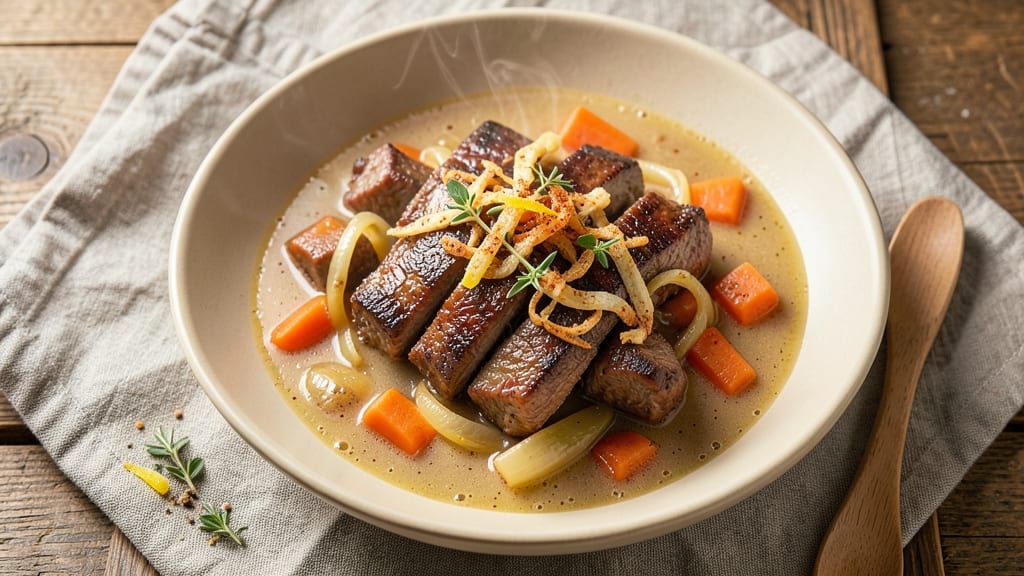
This beef stew recipe with French onion soup mix transforms a simple pot into a restaurant-worthy meal with minimal effort. The soup mix—packed with caramelized onion depth and savory herbs—cuts prep time while delivering that unmistakable umami crunch.
I developed this version after years of testing shortcuts that never compromised flavor, and this is the one that finally delivers professional results in a single pot.
The secret lies in browning the beef thoroughly before adding the soup mix and broth, which builds rich, meaty flavors that the mix enhances rather than overpowers.
You'll end up with tender beef chunks swimming in a velvety sauce that's deeply aromatic from the caramelized onions and herbs in the mix. This method ensures every bite is packed with that comforting, hearty taste that makes stews irresistible.
What makes this recipe truly approachable is how the French onion soup mix handles the heavy lifting—no need to caramelize onions for hours or blend complex sauces.
The mix provides that signature depth while keeping the process simple, so you can focus on the one critical step: letting the stew simmer low and slow until the beef becomes fork-tender. The result is a dish that feels indulgent yet requires minimal effort.
Serve it with crusty bread to soak up every drop of that flavorful sauce, or pair it with roasted root vegetables for a complete meal. The beauty of this recipe is its versatility—it works as a weeknight dinner or a showstopping centerpiece for gatherings.
Here's how to make it perfectly every time.
Ingredients for beef stew recipe with french onion soup mix
The French onion soup mix does the heavy lifting while chuck roast delivers rich, tender beef chunks.
| Ingredient | Amount | Notes |
|---|---|---|
| Chuck Roast 🥩 | 2 lb | Cut into 1.5-inch cubes |
| French Onion Soup Mix 🧅 | 2 tbsp | High-quality brand preferred |
| Beef Broth 💧 | 4 cups | Low-sodium preferred |
| Red Wine 🍷 | 1 cup | Bold dry variety |
| Carrots 🥕 | 4 medium | Peeled and sliced into rounds |
| Yellow Onion 🧅 | 1 whole | Diced, for additional depth |
| Garlic Cloves 🧄 | 4 cloves | Minced for aromatic base |
| Tomato Paste 🍅 | 2 tbsp | Smooth texture preferred |
| Thyme 🌿 | 1 tsp | Dried or 1 tbsp fresh |
| Bay Leaves 🌿 | 2 whole | Remove before serving |
| Olive Oil 🫒 | 2 tbsp | For browning beef |
| Salt 🧂 | 1 ½ tsp | Kosher or sea salt |
| Black Pepper 🌶️ | 1 tsp | Freshly ground preferred |
| All-Purpose Flour 🌾 | 2 tbsp | For thickening sauce |
The chuck roast is non-negotiable for this recipe—its marbling and connective tissue create that melt-in-your-mouth texture we all crave. Costco and Kroger typically carry it pre-cut, but if you're buying a whole roast, ask your butcher to cube it for you. Look for pieces with good marbling—they'll stay juicy during the long simmer. The French onion soup mix is the secret weapon here. Knorr or Betty Crocker are reliable brands, but if you can find a gourmet version with caramelized onions, it's worth the splurge. The mix contains dehydrated onions and herbs that'll rehydrate beautifully in the broth, giving you that signature depth without hours of prep.
No red wine? Beef broth with an extra splash of balsamic vinegar works perfectly. Short on carrots? Celery or parsnips add similar sweetness. The tomato paste can be swapped for crushed tomatoes if you prefer, though paste gives a richer texture. Fresh thyme is ideal, but dried works at one-third the amount. If you're using a low-sodium broth, skip adding extra salt until the end—you can always adjust the seasoning after tasting. The flour is just for thickening at the end, so don't stress about exact measurements here. And if you're worried about the wine's alcohol content, don't be—it'll cook off completely during the simmering process.
This stew tastes even better the next day as the flavors meld together. Store in an airtight container in the fridge for up to 5 days, or freeze portions for 3 months. I like to make a double batch—one for dinner and one to freeze for lazy weeknights. The sauce thickens as it cools, so you might want to add a splash of broth when reheating. And trust me, the aroma alone will have your whole house gathering around the pot. It's that kind of comfort food that feels like a hug in a bowl.
Why You'll Love This Recipe
- One-Pot Magic: I swear by this when I don’t want to scrub a million dishes—just dump everything in a Dutch oven, let it simmer, and walk away. The French onion mix does all the flavor work while I’m checking emails or pretending to fold laundry.
- Deep Umami Bomb: That red wine and soup mix combo? It’s like a flavor ambush in the best way—rich, caramelized, with just enough acidity to cut through the beef’s natural richness. Honestly, my picky husband asks for seconds before I even finish serving.
- Leftover Goldmine: This stew actually improves overnight, which is rare. I make a double batch on Sundays, and by Wednesday, it’s the only thing keeping me sane. Freeze half if you’re not a glutton for punishment (though I won’t judge).
- Budget Hero: Chuck roast is cheap, broth is cheap, and that soup mix? A flavor multiplier for pennies. I feed four people for under $15, and somehow it still feels like a restaurant-quality meal. My wallet and I are best friends now.
Step-by-step instructions for beef stew with French onion depth
This method transforms humble ingredients into a rich, flavorful stew with a caramelized onion foundation.
Sear the Chuck Roast for Maximum Flavor
Heat the 2 tablespoons olive oil in a large Dutch oven over medium-high heat. Pat the 2 lb chuck roast dry with paper towels and cut it into 1.5-inch cubes. Working in batches if needed, add the beef to the pot and sear for 3-4 minutes per side until deeply browned. This step builds the stew's foundation—don't rush it, or you'll end up with pale, bland beef.
As the beef browns, you'll smell the rich, meaty aromas developing. Remove the beef from the pot and set it aside. The browned bits left behind are called fond, and they'll dissolve into the sauce later, creating deep umami flavor. If the fond sticks too much, add a splash of red wine to deglaze immediately—this prevents flavor loss.
Build the Onion and Aromatic Base
In the same Dutch oven, add the 1 whole yellow onion and 4 medium carrots (sliced into rounds). Cook for 5-6 minutes until the onions soften and begin to caramelize. Add the 4 cloves garlic cloves (minced) and cook for another 30 seconds until fragrant—this prevents the garlic from burning, which would make the stew bitter.
Stir in the 2 tablespoons tomato paste and cook for 1 minute to deepen the sauce's color and flavor. Sprinkle the 2 tablespoons French onion soup mix evenly over the vegetables. This mix contains dehydrated onions, herbs, and spices that will infuse the stew with layers of savory depth. Stir well to distribute the mix completely.
Deglaze and Simmer the Stew
Pour in the 1 cup red wine and scrape up any browned bits from the bottom of the pot. Let the wine simmer for 2-3 minutes until it reduces by half and the alcohol cooks off—this prevents a harsh taste in the finished stew. Add the 4 cups beef broth, then return the beef to the pot. Stir in the 1.5 teaspoons salt, 1 teaspoon black pepper, 1 teaspoon thyme, and 2 whole bay leaves. Bring the mixture to a gentle boil.
Once boiling, reduce heat to low and cover the pot. Let the stew simmer for 2.5 hours, stirring occasionally. The meat should become fork-tender, and the liquid should reduce slightly, creating a thick, velvety sauce. If the stew gets too thick before the meat is tender, add ½ cup water to maintain the proper consistency.
Thicken and Finish the Stew
After the stew has simmered for 2.5 hours, remove the 2 whole bay leaves (they'll be tough and inedible). Sprinkle the 2 tablespoons all-purpose flour evenly over the stew and stir gently to combine. Let it simmer uncovered for another 10-15 minutes, stirring occasionally, until the sauce thickens to your desired consistency. You're looking for a glossy, slightly thickened sauce that coats the back of a spoon.
Taste the stew and adjust the seasoning if needed. The French onion soup mix should provide enough saltiness, but you may want to add a pinch more salt or black pepper to taste. Serve the stew hot, garnished with fresh parsley if desired. The flavors will continue to meld as it sits, so let it rest for 5-10 minutes before serving to allow the juices to redistribute throughout the meat.
Pro Tips For Making Beef Stew Recipe With French Onion Soup Mix
- Sear the Chuck Roast First: That French onion soup mix is great, but it won’t save a bland roast. Pat the meat very dry, then sear it in a hot Dutch oven with oil until deep brown on all sides—3-4 minutes per side. I used to skip this, and the stew always tasted like it needed more seasoning. The crust locks in flavor and makes the whole dish richer.
- Bloom the Soup Mix: Don’t just toss that French onion soup mix into the pot like it’s an afterthought. Toast the spices in the oil for 30 seconds until fragrant—you’ll smell the onions caramelizing. This step makes a real difference, especially if you’re using store-bought mix. (Yes, even if you’re impatient like me.)
- Deglaze with Red Wine: After searing the meat, scrape up all those browned bits with the red wine before adding broth. Let it simmer for 2 minutes to reduce slightly—this concentrates the flavor and cuts through the richness of the chuck. I learned this the hard way by skipping it and ending up with a stew that tasted flat.
- Add Carrots Late: Toss the carrots in after the stew’s been simmering for at least 45 minutes. They’ll soften perfectly without turning to mush or stealing heat from the meat. If you’re short on time, halve them—they’ll cook faster and still hold their shape. (Your future self will thank you.)
Pro cooking tips for perfect results
Sear Like a Pro
Never underestimate the power of a good sear—this is where the magic begins. Use a large Dutch oven (I love the Le Creuset 5.5-quart) for maximum surface area and even heat distribution. Pat the beef completely dry before searing; moisture creates steam instead of browning.
Work in batches if needed, but don't overcrowd the pot—this lowers the temperature and steams instead of sears the meat. A cast-iron skillet works too, but Dutch ovens are better for the long simmer ahead. 🔥
Deglaze with Purpose
The deglazing step is where you capture all those precious fond flavors. After removing the beef, immediately add ½ cup red wine (or beef broth if avoiding alcohol) and scrape the bottom with a wooden spoon. Let it simmer for 2-3 minutes until reduced by half—this concentrates the flavors.
If you're using a bold red wine like Cabernet Sauvignon, you'll notice deeper fruit notes in the finished stew. For extra depth, add 1 tsp Worcestershire sauce during this step.
Low and Slow Mastery
Resist the urge to rush the simmering process. A gentle simmer (small bubbles, not a rolling boil) is key—this breaks down collagen in the meat while preventing the sauce from becoming too thin. Use a meat thermometer to check doneness: the beef should reach 203°F internally.
If the stew gets too thick before the meat is tender, add ½ cup beef broth to maintain proper consistency. I like to set a timer for 2 hours, then check—sometimes it finishes earlier, especially with younger cuts.
Flour Thickening Secrets
When it's time to thicken, use all-purpose flour (not cornstarch) for a naturally rich texture. Sprinkle it evenly over the stew and stir gently to avoid lumps. Let it simmer uncovered for 10-15 minutes, stirring occasionally.
For a glossier finish, add 1 tbsp cold butter at the end—this adds richness and helps distribute the sauce evenly. If the stew is still too thin, mix 1 tbsp flour with 1 tbsp cold water to make a slurry and stir it in.
Flavor Boost Hacks
Elevate your stew with these pro tips: Add 1 tsp smoked paprika when you stir in the French onion soup mix for subtle smokiness. For extra umami, stir in 1 tbsp soy sauce during the final 10 minutes of simmering.
If you love caramelized onions, add ½ cup finely chopped dehydrated onions (from the bulk section) when you add the French onion soup mix. These small additions take your stew from good to restaurant-quality without complicating the process. 💫
Nutrition facts
Frequently asked questions
Can I substitute French onion soup mix with something else?
If you don't have French onion soup mix, use 2 tbsp dehydrated caramelized onions plus 1 tsp each of thyme, garlic powder, and onion powder. For a deeper flavor, add 1 tsp beef bouillon powder and ½ tsp smoked paprika. The mix's key role is adding caramelized onion depth and savory herbs, so focus on replicating those elements.
Why does my stew turn out watery even after simmering?
Watery stews usually happen from one of three issues: not enough browning (the fond adds thickness), too much liquid added early, or insufficient simmering time. First, ensure you sear the beef thoroughly. Second, reduce the broth to 3 cups instead of 4 if needed. Finally, let it simmer uncovered for the last 15 minutes to reduce naturally. The flour thickening step should fix it, but add it earlier if needed.
How can I make this stew ahead of time?
This stew tastes even better the next day! Cook it completely, then let it cool to room temperature. Store in an airtight container in the fridge for up to 5 days or freeze for 3 months. Reheat gently on the stove over medium-low heat, adding 1-2 tbsp broth if the sauce thickens too much. The flavors meld beautifully overnight.
What's the best way to reheat leftover stew?
Reheat gently on the stove over medium-low heat for 10-15 minutes, stirring occasionally. For even heating, add 2-3 tbsp broth or water to prevent drying out. Microwave reheating works but can make the sauce watery—if using, cover with a damp paper towel and heat in 1-minute intervals, stirring between each. Always reheat to 165°F for food safety.
Can I use a slow cooker for this recipe?
Yes! Brown the beef first as directed, then transfer everything to a 6-quart slow cooker. Cook on low for 8 hours or high for 4-5 hours. The slow cooker's gentle heat will tenderize the beef perfectly. For thickening, mix 1 tbsp cornstarch with 1 tbsp cold water and stir it in during the last 30 minutes of cooking. The sauce will thicken as it cools.