
Soups & Stews
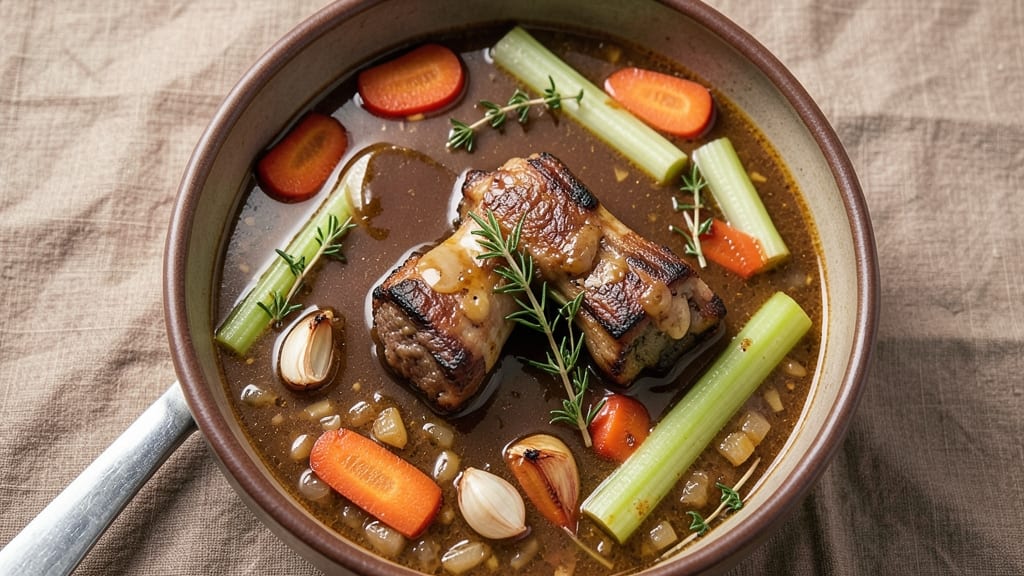
Transforming tough beef bones into a beef soup bone stew recipe is where home cooking meets restaurant-quality depth. This velvety, umami-rich stew unlocks the hidden flavors locked in marrow and collagen, creating a broth so rich it practically melts into every spoonful.
The secret lies in slow simmering—where patience turns simple ingredients into something extraordinary.
What sets this recipe apart is the technique: roasting bones first to deepen flavor, then simmering them for hours to extract gelatin that transforms the broth into a luxurious, almost custard-like consistency.
You'll need just a few core ingredients—beef bones, aromatic vegetables, and time—but the result is a deeply satisfying meal that tastes even better the next day.
By the final hour, your kitchen will fill with an aroma that announces dinner is ready long before the timer goes off.
The broth will be thick and glossy, the vegetables tender yet still holding their shape, and the beef so tender it falls apart at the touch of a fork. This is comfort food at its finest—warm, nourishing, and impossible to resist.
The beauty of this recipe is its versatility. Serve it as a hearty main course with crusty bread, or let it stand in for a quick lunch the next day.
The flavors only deepen with time, making it perfect for meal prep. Here's how to create this soul-warming stew from scratch.
Ingredients for beef soup bone stew
Six aromatic vegetables, four pounds of bones, and time transform into restaurant-quality beef stew.
| Ingredient | Amount | Notes |
|---|---|---|
| Beef Bones (Knuckle or Marrow) 🦴 | 4 lb | Raw, uncooked, with marrow intact |
| Yellow Onion 🧅 | 2 whole | Cut into large chunks, skin on |
| Carrots 🥕 | 4 whole | Large, unpeeled, cut into 2-inch pieces |
| Celery Stalks 🧆 | 4 whole | Cut into 2-inch chunks, leafy ends trimmed |
| Garlic Cloves 🧄 | 6 cloves | Smashed, skin on for deeper flavor |
| Fresh Thyme Sprigs 🌿 | 4 sprigs | Stems intact for easy removal |
| Fresh Bay Leaves 🌿 | 2 whole | Standard dried bay leaf equivalent |
| Black Peppercorns 🌶️ | 1 tbsp | Crushed lightly for aroma |
| Kosher Salt 🧂 | 1 ½ tsp | Diamond Crystal preferred |
| Tomato Paste 🍅 | ½ cup | High-quality, no sugar added |
| Red Wine 🍷 | 1 cup | Bold dry variety like Cabernet |
| Beef Stock 💧 | 6 cups | Homemade or high-quality store-bought |
| Olive Oil 🫒 | ¼ cup | Extra-virgin for roasting |
| Fresh Parsley 🌿 | ¼ cup | Chopped, for garnish |
The bones are the foundation—knuckle or marrow bones from a butcher yield the richest broth. Local butchers or specialty grocers like Whole Foods carry them fresh, but frozen works too. Look for bones with visible marrow channels; these release gelatin during simmering. If using frozen, thaw overnight in the fridge. The tomato paste matters here too—San Marzano or high-quality brands avoid metallic aftertaste. For the vegetables, don't peel carrots; their skin adds color and sweetness to the broth.
No red wine? Substitute with beef stock plus 1 tbsp balsamic vinegar for depth. Fresh thyme and bay leaves can be swapped for 1 tsp dried thyme and 1 dried bay leaf. Pre-cut vegetables from the store? Fresh is ideal, but frozen works in a pinch—just don't overcook them. The olive oil should be extra-virgin; it caramelizes beautifully during roasting. For a deeper flavor, add 1 tsp smoked paprika to the roasting bones. The beef stock can be homemade (simmer bones separately first) or a high-quality brand like Kettle & Fire.
Roasted bones keep in the freezer for up to 3 months—portion them into bags for easy use. The finished stew reheats beautifully; simmer gently for 10 minutes to restore thickness. Store in airtight containers for 5 days in the fridge or 3 months frozen. Garnish with parsley just before serving to keep it vibrant. For extra richness, whisk in 1 tbsp cold butter at the end—trust me on this.
Why You'll Love This Recipe
- I’ll be real: beef bones are cheap, and they stretch this recipe into a full week’s worth of lunches. The broth alone is a treasure—freeze it for future soups, or use it to cook rice and turn a simple meal into something restaurant-worthy. No waste, all flavor.
- Marrow Magic Simplicity: I swear by this recipe because it’s the kind of stew that forgives mistakes—just toss in the bones, a handful of chopped veggies, and let time do the work. No fancy techniques, no last-minute shopping runs; the bones themselves carry the flavor while you chop onions and carrots in five minutes flat.
- Deep Umami Payoff: That first sip? Chef’s kiss. The marrow bones melt into the broth, turning it into a rich, velvety base that clings to every spoonful. Add the garlic and celery, and suddenly you’ve got layers of savory depth that taste like a hug from your nonna’s kitchen.
- Weeknight Crowd-Pleaser: Between us, this is the dish I make when my in-laws show up unannounced or my kids’ friends descend for dinner. It’s hearty enough for a winter night but light enough for a summer picnic if you serve it cold with crusty bread. The leftovers? Even better the next day—if there are any.
Step-by-step instructions for beef soup bone stew
This method transforms simple ingredients into a deeply flavorful bone stew through precise technique and patience.
Roast the Bones for Maximum Flavor
Preheat your oven to 425°F and position a rack in the middle position. Place the 4 lb beef bones on a baking sheet lined with aluminum foil, marrow-side down. This positioning allows the marrow to render slowly into the pan.
Roast the bones for 30 minutes, turning occasionally to ensure even browning. You'll notice the bones develop a deep golden crust and the marrow begins to soften slightly. This roasting step is crucial—it develops the rich, caramelized flavors that form the foundation of your stew. Don't skip this step, as it creates the umami depth that separates good stew from exceptional stew.
After roasting, transfer the bones to a large Dutch oven or heavy pot. Save any rendered juices from the baking sheet—they're packed with flavor. This is where you'll build your entire stew, so choose a pot with a tight-fitting lid that can handle 3-4 hours of simmering.
Sauté Vegetables and Build the Base
In the same Dutch oven, heat the 0.25 cup olive oil over medium heat. Add the 2 whole yellow onion cut into large chunks, 4 whole carrots cut into 2-inch pieces, and 4 whole celery stalks cut into 2-inch chunks. Sauté for 8-10 minutes until the vegetables begin to soften and develop a golden hue around the edges.
Add the 6 cloves garlic (smashed with skin on), 1 tbsp black peppercorns (lightly crushed), and 1.5 tsp kosher salt. Cook for another 2 minutes until the garlic becomes fragrant. You'll notice the kitchen fill with an aromatic blend of caramelized vegetables and spice—this is the aromatic base that carries through your entire stew.
Stir in the 0.5 cup tomato paste and cook for 3-4 minutes until it darkens slightly. This step deepens the color and adds a subtle sweetness that balances the richness of the bones. The paste should coat the vegetables evenly, creating a thick paste that will form the foundation of your stew.
Deglaze and Simmer the Bones
Pour in the 1 cup red wine and scrape up any browned bits from the bottom of the pot with a wooden spoon. This deglazing step captures all the concentrated flavors that have built up during the roasting and sautéing. Let the wine simmer for 3-4 minutes until it reduces by half, intensifying its flavor.
Add the roasted bones back to the pot along with the 6 cups beef stock. The liquid should come about halfway up the bones. Add the 4 sprigs fresh thyme and 2 whole fresh bay leaves, then bring the mixture to a gentle boil. Once boiling, reduce heat to low and cover the pot with a tight-fitting lid.
Simmer for 2.5 hours, maintaining a gentle bubble. Check occasionally to ensure the liquid doesn't reduce too much—add water if needed to keep the bones partially submerged. The bones should become fork-tender, and the marrow should soften enough to be easily scooped out. This long simmering time is what transforms simple ingredients into a rich, flavorful broth.
Finish and Garnish
After 2.5 hours, remove the bones from the pot and let them cool slightly. Use a spoon to scoop out the marrow from the bones and stir it into the stew—this adds incredible richness and depth of flavor. Discard the bones or save them for another use if desired.
Strain the stew through a fine-mesh sieve to remove any remaining vegetables and herbs. Return the strained broth to the pot and simmer for another 10-15 minutes to reduce slightly if needed. The stew should have a velvety texture with a deep, umami-rich flavor.
Just before serving, stir in the 0.25 cup fresh parsley for a bright, fresh finish. Taste and adjust seasoning with additional salt if needed. Ladle the stew into bowls and serve immediately, garnished with extra parsley if desired. The result should be a rich, deeply flavorful bone stew that captures all the umami depth from the slow-simmered bones.
Pro Tips For Making Beef Soup Bone Stew
- BLANCH BONES FIRST: Toss your beef bones in boiling water for 2-3 minutes before stewing—this removes impurities and keeps your broth crystal clear. I learned this the hard way after making a cloudy soup that tasted off; now I never skip it.
- CHAR THE AROMATICS: Cook onions, carrots, and celery in oil until deeply golden—about 15 minutes—before adding bones. The deeper the color, the richer the flavor, and skipping this step means your soup will taste flat no matter how long you simmer.
- DON’T CROWD THE POT: If your pot looks packed, spread bones and veggies in a single layer first, then add liquid. I used to dump everything in at once, and the soup would barely simmer—now I guarantee a proper rolling boil to extract maximum flavor.
- ADD GARLIC LATE: Crush garlic cloves and toss them in only in the last 30 minutes of cooking. Raw garlic burns easily, and adding it too soon turns your soup bitter—your future self will notice the difference.
Creative variations of these flavors
French Classic Style
Transform this stew into a Bœuf Bourguignon-inspired dish by adding 8 oz mushrooms (cremini or button) sautéed with the onions, and 1 lb beef chuck cut into 1-inch cubes along with the bones.
Deglaze with 2 cups red wine instead of 1, and simmer the meat separately for 1.5 hours before combining with the broth. Finish with 2 tbsp brandy for extra depth—just like my grandmother’s recipe. 🍷
Asian-Inspired Fusion
Give your stew an umami kick by adding 2 tbsp soy sauce, 1 tbsp fish sauce, and 1 tsp grated ginger> during the simmer. Swap bay leaves for 1 cinnamon stick and 2 star anise pods> for warmth.
Top with thinly sliced scallions and a drizzle of sriracha before serving. The marriage of slow-cooked beef and Asian flavors is a game-changer. 🌶️
Vegetarian Adaptation
For a hearty vegetarian version, replace beef bones with 4 lb portobello mushrooms> (cut into chunks) and 2 cups dried chickpeas> (soaked overnight). Roast the mushrooms first, then proceed with the same technique.
Add 1 tbsp smoked paprika> for depth and garnish with fresh cilantro> instead of parsley. The result is rich, savory, and packed with plant-based protein. 🌱
Spicy Cajun Twist
Turn your stew into a Cajun-inspired masterpiece by adding 1 tbsp Cajun seasoning> (like Tony Chachere’s) with the bones, plus 1 tsp cayenne pepper> when sautéing the vegetables.
Deglaze with ½ cup hot sauce> (like Crystal) instead of wine. Serve over dirty rice or with cornbread for a Louisiana-style feast. The heat balances the richness perfectly. 🔥
Winter Comfort Version
For a cozy winter stew, add 1 cup diced potatoes> and 1 cup pearl onions> with the carrots and celery. Stir in 1 cup frozen peas> in the last 10 minutes> of simmering.
Top with crispy fried shallots> and a sprinkle of fresh thyme> for a restaurant-worthy presentation. This version is ideal for chilly evenings and tastes even better reheated. ❄️
Nutrition facts
Frequently asked questions
Can I use any beef bones for this stew?
For the best results, use knuckle or marrow bones—they contain the most flavorful marrow and collagen that creates that signature rich broth. Chicken feet or oxtails can add extra gelatin, but beef bones are ideal for this specific recipe. If you can't find marrow bones, beef short ribs work too (just increase simmering time to 3 hours).
Why does the recipe call for roasting the bones?
Roasting develops deep, caramelized flavors that build the stew's foundation. The high heat breaks down collagen and creates a rich crust that infuses the broth with umami. Skipping this step results in a broth that's good but lacks that restaurant-quality depth. If short on time, sear bones in a hot pan for 5 minutes per side instead.
How do I know when the stew is done?
The bones should be fork-tender with soft marrow that scoops out easily. The broth will thicken slightly from collagen release, and the vegetables should be tender but still hold their shape. For extra assurance, check after 2.5 hours—if bones aren't tender, simmer 30 more minutes. The longer it cooks, the richer the flavor becomes.
Can I make this stew in a slow cooker?
Brown the bones and vegetables first, then transfer everything to a 6-quart slow cooker. Add all ingredients except parsley, cover, and cook on low for 8-10 hours or high for 5-6 hours. The slow cooker's gentle heat works perfectly for collagen extraction. Stir in parsley at the end and adjust seasoning as needed.
What if my stew tastes too salty?
If the broth tastes too salty, add 1 cup cold water or beef stock and simmer for 10 minutes to dilute the salt. For a more elegant fix, stir in 1 tbsp unsalted butter or 2 tbsp heavy cream—this adds richness while balancing the salt. Avoid adding fresh water directly to the pot, as it can dilute flavors unevenly.