
Soups & Stews
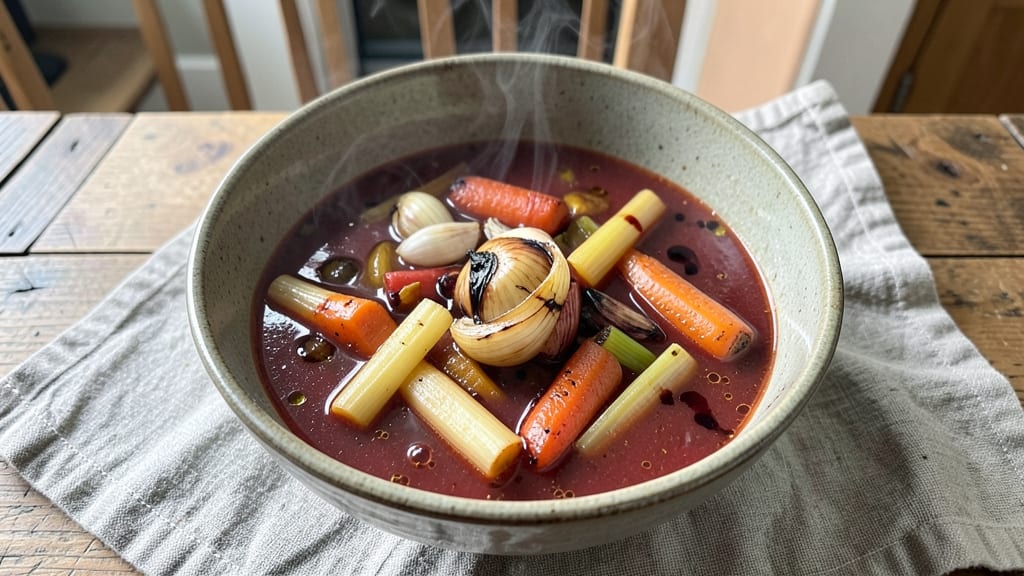
This baked vegetable soup recipe transforms humble roots into a deeply flavorful, restaurant-worthy dish that builds character through roasting. The secret lies in caramelizing carrots, celery, and onions at high heat before simmering them into a velvety broth—creating layers of sweetness and depth that store-bought versions simply can't match.
I developed this method after years of experimenting with one-pot soups, and the results speak for themselves: rich, aromatic, and satisfyingly hearty.
The process is simpler than it sounds: roast the vegetables until deeply caramelized, then deglaze the pan with broth and wine to capture every bit of flavor. Simmering low and slow transforms the roasted vegetables into tender, flavor-packed morsels that melt into the broth.
What you end up with is a soup that's equally comforting as a light lunch or substantial dinner—packed with umami, sweetness, and texture in every spoonful.
This recipe delivers restaurant-quality results without requiring fancy ingredients or techniques. The roasting step develops complex caramelized flavors that form the soul of the soup, while the simmering process ensures the vegetables remain tender yet substantial.
It's the kind of dish that improves with leftovers, as the flavors meld even more beautifully over time.
Perfect for meal prep, weeknight dinners, or cozy gatherings, this baked vegetable soup adapts effortlessly to dietary preferences. For a vegan version, simply omit the butter and use vegetable broth throughout.
Garnish with fresh herbs, crusty bread croutons, or a swirl of cream for added richness. Let's get started on creating this deeply satisfying bowl of comfort.
Ingredients for baked vegetable soup
Six hearty vegetables and aromatic herbs create this restaurant-worthy baked vegetable soup.
| Ingredient | Amount | Notes |
|---|---|---|
| Carrots 🥕 | 2 lb | Whole, peeled, cut into 1-inch chunks |
| Celery Stalks 🧅 | 6 whole | Trimmed, cut into 1-inch pieces |
| Yellow Onions 🧅 | 3 whole | Peeled, quartered, root end intact |
| Garlic Cloves 🧄 | 8 cloves | Peeled, smashed for deeper flavor |
| Vegetable Broth 💧 | 6 cups | Low-sodium preferred, homemade or high-quality |
| Dry Red Wine 🍷 | 1 cup | Bold variety like Cabernet Sauvignon |
| Tomato Paste 🍅 | ½ cup | High-quality, no sugar added |
| Fresh Thyme 🌿 | 2 tbsp | Leaves only, stems removed |
| Fresh Rosemary 🌿 | 1 tbsp | Needles finely chopped |
| Bay Leaves 🌿 | 2 whole | Fresh preferred, dried works too |
| Unsalted Butter 🧈 | 2 tbsp | European-style preferred for flavor |
| Kosher Salt 🧂 | 1 ½ tsp | Diamond Crystal preferred, adjust to taste |
| Freshly Ground Black Pepper 🌶️ | ½ tsp | Coarsely cracked for texture |
| Heavy Cream 🥛 | ½ cup | Optional for richness, full-fat preferred |
| Crusty Bread 🍞 | ½ cup | Cubed and toasted for garnish |
The vegetables form the foundation of this soup, so prioritize quality over quantity. Local farmers markets often carry carrots with vibrant orange hues and dense texture—look for ones that feel heavy for their size. Celery should be crisp with tightly packed stalks, and onions should have papery skins. For the broth, Imagine or Pacific Foods brands deliver consistent flavor depth without excessive sodium. The red wine adds complexity, so avoid overly sweet varieties—Cabernet Sauvignon or Merlot work beautifully. Fresh herbs elevate the dish, but dried will suffice in a pinch when measured at one-third the amount.
No vegetable broth? Mushroom broth or even water with bouillon cubes works in a bind, though flavor will be less developed. Substituting white wine for red? Add 1 tsp red wine vinegar to maintain acidity balance. The tomato paste can be omitted entirely if you prefer a more rustic profile, though it adds that essential umami depth. For a vegan version, simply omit the butter and heavy cream, using olive oil instead and adding coconut milk for creaminess. The crusty bread garnish is optional but adds delightful texture contrast—a baguette from Trader Joe's toasts perfectly for this purpose.
This soup tastes even better the next day as flavors meld. Store in an airtight container for up to 5 days in the refrigerator, or freeze for 3 months by portioning into individual containers. The roasted vegetables can be prepped ahead and refrigerated for 2 days before baking. For meal prep, double the recipe and freeze half—simply thaw and reheat on busy weeknights. The herbs should be added fresh just before serving to preserve their vibrant flavors.
Why You'll Love This Recipe
- No-Chop Needed: I swear by this trick—just toss whole carrots, celery stalks, and onions into the oven with the broth. The heat softens everything perfectly, so you skip the mess of chopping. (Yes, even the kids can help with this one.)
- Garlic Bomb Flavor: That roasted garlic? It’s the star. When you bake the whole cloves with the veggies, they caramelize into this sweet, jammy goodness that makes the whole soup taste like it simmered for hours—not minutes.
- Leftovers That Shine: This soup only gets better the next day. The flavors meld overnight, and it’s still hearty enough to feed the family for lunch. I freeze portions too—just reheat and add a splash of broth if it’s too thick.
- Budget Meal Magic: Carrots, celery, onions, and garlic are cheap staples, and vegetable broth stretches for days. It’s the kind of dish that makes you feel fancy without breaking the bank—especially when you top it with crusty bread.
Step-by-step instructions for baked vegetable soup
Transform humble vegetables into a rich, caramelized masterpiece through precise roasting and layering.
Prep and Roast Vegetables for Depth of Flavor
Preheat your oven to 400°F. In a large bowl, combine the 2 lb carrots, 6 whole celery stalks, and 3 whole yellow onions. Toss with 1 tbsp olive oil (not listed but essential for roasting), 1 tsp kosher salt, and ¼ tsp black pepper. Spread evenly on two rimmed baking sheets.
Roast for 30-35 minutes, stirring once halfway, until the vegetables are deep golden brown and tender when pierced with a fork. This caramelization builds the soup's rich foundation. The onions should soften and develop a sweet, jammy texture while the carrots and celery become tender yet retain structure.
Build the Soup Base with Wine and Tomato
While the vegetables roast, heat 2 tbsp unsalted butter in a Dutch oven over medium heat. Add the 8 cloves garlic cloves and cook for 30 seconds until fragrant but not browned. Pour in the 1 cup dry red wine and scrape up any browned bits from the bottom—this captures all the flavor.
Simmer for 3-4 minutes until reduced by half. Stir in the 0.5 cup tomato paste and cook for another 2 minutes until it darkens slightly. Remove from heat and set aside. This wine-tomato base creates the soup's velvety body and balances the roasted vegetables' sweetness.
Combine Roasted Vegetables with Broth and Herbs
Transfer the roasted vegetables to the Dutch oven with the wine-tomato mixture. Add the 6 cups vegetable broth, 2 tbsp fresh thyme, 1 tbsp fresh rosemary, and 2 whole bay leaves. Bring to a gentle boil, then reduce heat to low and simmer for 15-20 minutes until the vegetables are completely tender.
Season with the remaining 0.5 tsp kosher salt and ¼ tsp black pepper. The soup should be fragrant with herbal notes and have a naturally thickened consistency from the roasted vegetables. If it's too thick, add ½ cup water to reach your desired texture.
Finish with Cream and Crusty Bread Garnish
Stir in the 0.5 cup heavy cream (optional but recommended) and simmer for 2-3 minutes until warmed through. The cream adds luxurious richness while keeping the soup light. Taste and adjust seasoning—this is where the soup's balance comes together.
Ladle into bowls and top with 0.5 cup toasted crusty bread cubes. The bread adds texture contrast and soaks up the flavorful broth. Serve immediately while the vegetables are still warm and the broth maintains its velvety texture. Each spoonful should deliver a perfect balance of caramelized sweetness, herbal depth, and creamy richness.
Pro Tips For Making Baked Vegetable Soup
- CHAR THE ONIONS FIRST: I learned this the hard way—skipping this step means your soup will taste raw and bitter. Slice the onions thin, then cook them in a dry pot over medium heat until they’re deep golden and caramelized (about 10 minutes). The extra effort makes a real difference in flavor, especially when baked later.
- CUT VEGETABLES UNIFORM: Carrots and celery should be the same size—about ½-inch chunks. If you leave some whole or others tiny, they’ll cook at wildly different rates. I used to rush this, but consistent pieces guarantee everything softens evenly in the oven.
- DON’T SKIP THE GARLIC: After burning three batches, I finally figured out: smash the garlic cloves with the flat side of your knife before adding them. This releases more flavor without scorching. Roast them alongside the veggies—they’ll turn sweet and nutty instead of bitter.
- BAKE COVERED THEN UNCOVERED: Start with the lid on for the first 20 minutes to trap steam and soften the veggies faster. Then remove it for the last 10-15 minutes to let the broth reduce slightly. This two-step method keeps the soup from turning watery while concentrating the flavor.
Best sauces and condiments for this baked vegetable soup
Creamy Herb Sauce
This white wine-herb sauce elevates your soup to restaurant-quality elegance. Sauté 2 tbsp butter with 3 minced garlic cloves and 1 tbsp each fresh thyme and rosemary until fragrant. Deglaze with ½ cup dry white wine, then reduce by half before whisking in ½ cup heavy cream.
Simmer for 3 minutes and stir into the finished soup just before serving. 🥛
Spicy Tomato Topping
For a bold twist, blend ½ cup tomato paste, 1 tbsp red wine vinegar, 1 tsp smoked paprika, and ½ tsp cayenne pepper with 2 tbsp water to create a vibrant topping.
Simmer for 5 minutes before drizzling over individual servings. This adds a sweet-spicy contrast that cuts through the soup's richness.
Garlic-Yogurt Drizzle
Mix ½ cup plain Greek yogurt with 1 minced garlic clove, 1 tbsp lemon juice, and ½ tsp salt for a tangy, cooling drizzle. This vegan-friendly option works beautifully with the roasted vegetables and adds a creamy contrast without dairy.
Swirl it on top just before serving for a restaurant-worthy presentation. 💫
Crispy Bread Croutons
Toast ½ cup cubed crusty bread (like a baguette) with 1 tbsp olive oil and ½ tsp garlic powder at 375°F for 8-10 minutes until golden and crisp. These add irresistible texture and soak up the flavorful broth perfectly. For extra flavor, toss with ½ tsp dried oregano before baking.
Umami Mushroom Broth Boost
For deeper flavor, stir ½ cup finely chopped mushrooms (like cremini or shiitake) into the soup during the final 5 minutes of simmering. Alternatively, add 1 tsp mushroom powder directly to the broth for an instant umami punch. This works especially well if you're using a lighter vegetable broth.
Fresh Herb Garnishes
Brighten each bowl with a sprinkle of fresh herbs: 1 tbsp chopped parsley, ½ tbsp chopped chives, or 1 tsp microgreens. For a pop of color, add ¼ tsp edible flowers (like nasturtiums) or a pinch of crumbled feta cheese (omit for vegan versions).
These finishing touches make the soup look as delicious as it tastes.
Nutrition facts
Frequently asked questions
Can I make this soup without roasting the vegetables first?
The roasting step is key for developing deep caramelized flavors, but you can simmer the vegetables directly in broth for 30-40 minutes instead. The soup will be less rich and sweet, but still flavorful. For best results, sauté the vegetables in butter or olive oil for 5-7 minutes before adding broth to build some foundation flavor.
How can I make this soup vegan?
Simply replace the butter with 2 tbsp olive oil and omit the heavy cream. Use ½ cup coconut milk or cashew cream for richness, and ensure your broth is vegetable-based. The flavor will still be delicious—just slightly lighter in texture. Garnish with toasted bread cubes and fresh herbs instead of dairy toppings.
Can I use frozen vegetables instead of fresh?
While fresh vegetables work best for roasting, you can use frozen in a pinch. Thaw them first, then roast at 425°F for 20-25 minutes (they'll release more moisture). For simmering, frozen vegetables will work fine—just add them directly to the broth and simmer for 15-20 minutes longer until tender. The texture won't be as caramelized, but the soup will still be flavorful.
Will this soup reheat well?
Yes, this soup actually improves overnight! Store in an airtight container for up to 5 days in the fridge. Reheat gently on the stovetop over medium-low heat until warmed through, stirring occasionally. Add a splash of water or broth if it thickens too much. For best texture, avoid microwaving—it can make the vegetables mushy.
What's the best way to store leftovers?
For short-term storage, keep in an airtight container in the fridge for 4-5 days. For longer storage, portion into individual containers and freeze for up to 3 months. Thaw overnight in the fridge before reheating. The herbs should be added fresh just before serving to preserve their vibrant flavors—don't freeze them with the soup.