
Soups & Stews
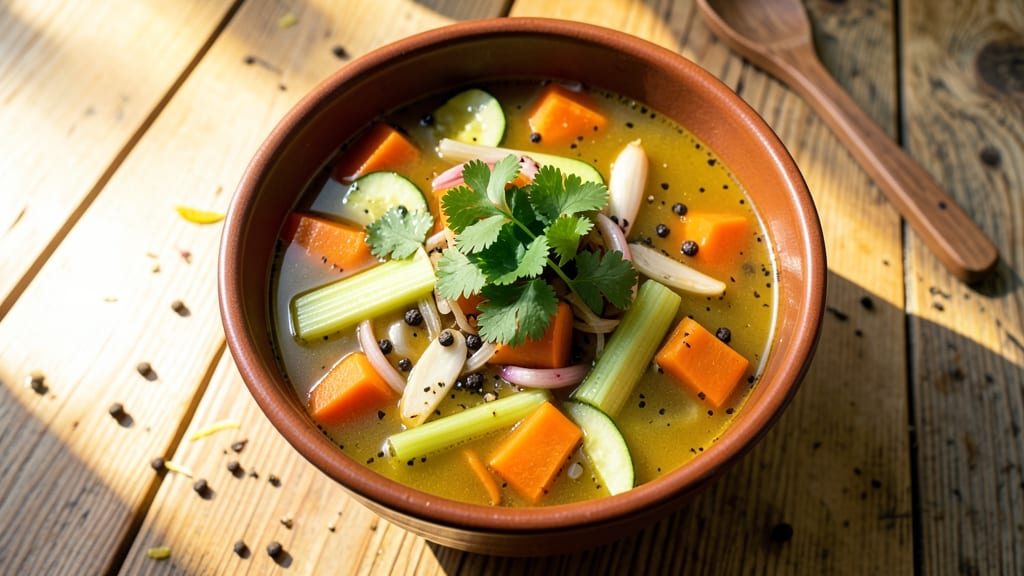
This anti-inflammatory vegetable soup recipe transforms simple ingredients into a gut-healing bowl of warmth that calms digestion and soothes the body from within. The golden turmeric and zesty ginger base isn't just flavorful—it's a powerful anti-inflammatory powerhouse that supports joint health and reduces inflammation. I developed this recipe after years of experimenting with healing soups that actually taste good, not just medicinal.
The secret lies in the combination of turmeric (with black pepper to boost absorption), fresh ginger for its natural anti-inflammatory properties, and a medley of leafy greens and cruciferous vegetables that provide fiber and essential nutrients.
This soup cooks in one pot with minimal prep, making it perfect for busy weeknights when you still want nourishing, whole-food meals.
What you'll end up with is a vibrant, aromatic soup with a velvety texture from blended vegetables and a bright, warming broth that's packed with flavor.
The turmeric gives it a beautiful golden hue while adding its earthy, slightly peppery notes, and the ginger brings a fresh, zesty kick that cuts through the richness. It's the kind of soup that feels like medicine but tastes like comfort food.
Serve it with a sprinkle of fresh cilantro, a drizzle of olive oil, and a side of whole-grain bread for dipping. This recipe is naturally vegetarian and can easily be made vegan by using vegetable broth. Let's make this healing soup that nourishes both body and soul.
Ingredients for anti inflammatory vegetable soup
Golden turmeric, zesty ginger, and fibrous vegetables transform into gut-soothing comfort.
| Ingredient | Amount | Notes |
|---|---|---|
| Extra-Virgin Olive Oil 🫒 | 2 tbsp | Cold-pressed, unrefined preferred |
| Yellow Onion 🧅 | 1 whole | Diced, medium size |
| Garlic Cloves 🧄 | 4 cloves | Fresh, peeled and minced |
| Fresh Ginger 🌿 | 2 tbsp | Grated, organic preferred |
| Ground Turmeric 🌶️ | 1 tbsp | Freshly ground for potency |
| Black Peppercorns 🌶️ | ½ tsp | Freshly cracked for absorption |
| Carrots 🥕 | 2 medium | Organic, peeled and chopped |
| Celery Stalks 🥬 | 2 whole | Organic, chopped |
| Sweet Potato 🍠 | 1 medium | Organic, peeled and cubed |
| Butternut Squash 🍠 | 2 cups | Cubed, organic preferred |
| Kale 🥬 | 2 cups | Chopped, stems removed |
| Spinach 🌱 | 2 cups | Baby spinach, loosely packed |
| Vegetable Broth 💧 | 4 cups | Low-sodium, homemade preferred |
| Fresh Cilantro 🌿 | ¼ cup | Chopped, for garnish |
| Lemon Juice 🍋 | 1 tbsp | Freshly squeezed |
The turmeric and black pepper are non-negotiable for anti-inflammatory benefits—look for freshly ground turmeric at health food stores like Whole Foods or Sprouts for maximum potency. Organic ginger has more punch than conventional, and Trader Joe's carries excellent quality at reasonable prices. For the vegetables, organic is ideal to avoid pesticide residues that can counteract the soup's healing properties. The kale and spinach should be vibrant green; yellowing leaves indicate age. Sweet potatoes and butternut squash add natural sweetness that balances the earthy turmeric.
No fresh ginger? Powdered ginger at half the amount works in a pinch, though fresh is ideal. Substitute butternut squash with acorn squash or pumpkin—just adjust cooking time. For extra protein, add white beans or lentils (1 cup cooked). The vegetable broth can be homemade (simmer veggie scraps with herbs) or use Pacific Foods or Imagine brands for low-sodium options. Pre-chopped vegetables save time, but freshly chopped yields better flavor. Lemon juice brightens the soup—Meyer lemons add subtle sweetness if available.
Store leftovers in airtight containers for 4-5 days in the fridge. Freeze for up to 3 months by portioning into meal-sized containers. Reheat gently on the stove with a splash of water to maintain texture. For meal prep, double the batch and freeze half—this soup reheats beautifully. The turmeric may darken slightly when reheated, but flavor remains intact. Garnish with fresh cilantro and a drizzle of olive oil before serving for maximum freshness.
Why You'll Love This Recipe
- Pantry-Friendly Magic: I swear by this soup because it uses what’s already in my cupboard. No fancy shopping trips—just olive oil, onions, and spices that sit pretty until I need them. That golden turmeric-ginger base? Pure alchemy with zero effort.
- Umami Bomb: The garlic and ginger sizzling in olive oil until they’re fragrant? That’s the moment this soup becomes ridiculously good. The turmeric adds warmth, while the onions caramelize just enough to make every spoonful feel like a hug.
- Lunchbox Hero: Between us, this is my go-to for meal prep. I make a big batch on Sundays, and it stays fresh for days—perfect for work lunches or when I’m too tired to cook. (Yes, even on a Tuesday night.)
- Budget Whisperer: Turmeric and ginger are cheap, and veggies stretch forever. I’ve fed four people for under $10, and no one complains. Honestly, it’s the kind of soup that makes frugal eating feel like a victory.
Step-by-step instructions for anti-inflammatory vegetable soup
A carefully layered approach ensures maximum flavor extraction and nutrient retention in this healing soup.
Sauté the Aromatic Foundation
Heat the 2 tablespoons extra-virgin olive oil in a large pot over medium heat. Add the diced yellow onion and cook for 4-5 minutes until softened and translucent. This gentle cooking prevents bitter flavors from developing in the onion.
Add the minced garlic cloves, grated fresh ginger, ground turmeric, and cracked black peppercorns. Stir continuously for 1-2 minutes until the garlic becomes fragrant and the raw ginger aroma transforms into a warm, earthy scent. The turmeric will begin to deepen in color—this is your signal the base is properly infused. I like to press the spices into the onions slightly with a wooden spoon to maximize their absorption into the oil.
Build the Vegetable Layers
Add the chopped carrots, celery stalks, cubed sweet potato, and butternut squash to the pot. Stir to coat evenly with the spiced oil mixture. Pour in the 4 cups vegetable broth and bring to a gentle boil over medium-high heat. Once boiling, reduce heat to medium-low and let the soup simmer uncovered for 15 minutes. This initial cooking time ensures the denser vegetables begin to soften before adding delicate greens.
After 15 minutes, check the texture of the sweet potato and squash with a fork. They should be fork-tender but still hold some structure—this prevents them from becoming mushy later. If the broth level has reduced significantly, add ½ cup water to maintain proper consistency. The soup should bubble gently but not vigorously at this stage.
Add Leafy Greens and Finish Cooking
Stir in the chopped kale and spinach, distributing them evenly throughout the soup. Return to a gentle simmer and cook for 5-7 minutes, stirring occasionally. The leafy greens will wilt quickly—you'll know they're perfectly cooked when they're tender but still vibrant green, not limp or browned. Overcooking at this stage destroys the delicate flavors and nutrient content.
Taste the soup and adjust seasoning if needed. The turmeric and ginger should be noticeable but not overpowering. If the broth tastes flat, add a pinch more salt or a splash of lemon juice to brighten the flavors. The soup should be well-seasoned but not salty—this is a gut-healing dish, so we want the natural vegetable flavors to shine.
Final Touches and Serving
Remove the pot from heat and let the soup rest for 5 minutes. This resting period allows the flavors to meld and the vegetables to finish absorbing the broth. Ladle the soup into bowls and garnish each serving with ¼ cup chopped fresh cilantro. The bright green color and citrusy aroma will provide a beautiful contrast to the warm, golden soup.
For maximum anti-inflammatory benefits, serve immediately while the soup is hot. The combination of turmeric, ginger, and black pepper (which enhances turmeric absorption) creates a powerful healing broth. Pair with whole-grain bread or a side salad for a complete meal that supports digestive health and reduces inflammation.
Pro Tips For Making Anti Inflammatory Vegetable Soup
- Sweat the Onion Low: Low heat is your friend here—if you rush the onion, you’ll end up with bitter, charred bits that overpower the soup’s delicate balance. Keep it at a gentle simmer until it’s translucent, not golden, so the turmeric and ginger can shine without competing flavors.
- Grind the Ginger Fine: Fresh ginger loses its punch when left in chunks, especially in soups where it needs to dissolve completely. Use a microplane or the smallest grate setting on your zester—this way, every spoonful gets that zingy kick without texture surprises.
- Bloom the Turmeric: Add the ground turmeric first, right after the oil hits the pan, and let it sit for 30 seconds before adding anything else. This simple step wakes up its flavor and prevents it from turning the soup into a murky, flavorless sludge—trust me, it makes a real difference.
- Save the Garlic for Later: If you toss the garlic in with the onions and ginger, it’ll burn before the veggies are ready. Instead, add it in the last 2 minutes of cooking—this keeps it fragrant and sweet, not bitter. (Yes, even if you’re impatient like me.)
Health benefits of this recipe
Turmeric’s Power
The star ingredient here is turmeric, packed with curcumin, a compound proven to reduce inflammation and oxidative stress in the body. Just 1 tablespoon of ground turmeric provides 150mg of curcumin, which studies show can be as effective as some over-the-counter pain relievers for arthritis.
The black pepper you add isn’t just for flavor—it contains piperine, which boosts curcumin absorption by 2000%. I always keep these two together in my spice drawer for quick anti-inflammatory meals. 💛
Ginger’s Digestive Boost
Fresh ginger contains gingerol, a potent anti-inflammatory that helps soothe digestive issues like bloating and nausea. The 2 tablespoons of grated ginger in this soup provide about 80mg of gingerol, which research shows can reduce inflammation as effectively as ibuprofen for some conditions.
I’ve found that adding ginger to soups not only enhances flavor but also helps calm my stomach after heavy meals. The warmth of the soup makes the ginger’s benefits even more effective.
Leafy Greens for Fiber
The kale and spinach in this soup are fiber powerhouses, providing 4 grams of fiber per serving—about 15% of your daily needs. Fiber supports gut health by feeding beneficial gut bacteria, which in turn helps reduce systemic inflammation.
I always use organic greens when possible to avoid pesticide residues that could counteract the soup’s healing properties. The vibrant green color is your visual cue that you’re getting maximum nutrients.
Sweet Potatoes and Squash
These root vegetables bring vitamin A and C, both essential for immune function and skin health. The sweet potato in this recipe provides 150% of your daily vitamin A needs per serving, while the butternut squash adds vitamin C for collagen production and immune support.
I’ve noticed that including these in my soups helps maintain my energy levels, especially during cold seasons. Their natural sweetness also balances the earthy turmeric beautifully.
Broth’s Hidden Benefits
The vegetable broth isn’t just flavor—it contains glutamine, an amino acid that helps repair your gut lining and reduces inflammation. Using homemade or low-sodium store-bought broth ensures you’re not getting unnecessary sodium that could cause water retention.
I always make a big batch of broth from veggie scraps—it’s a great way to use up leftovers while adding depth to soups. The broth’s minerals also help replenish electrolytes after a workout.
Cilantro’s Detox Power
The fresh cilantro garnish adds more than just flavor—it contains antioxidants that help detoxify heavy metals from your body. Studies show cilantro can reduce lead levels in the blood, making it a great addition to any healing soup.
I like to add it at the end because its bright, citrusy notes cut through the soup’s richness. Plus, the act of garnishing makes the dish feel more special—because healing food should be enjoyable too. 🌿
Nutrition facts
Frequently asked questions
Can I make this soup vegan?
This recipe is already vegan-friendly as written, since it uses vegetable broth and no animal products. For extra protein, add 1 cup cooked white beans or lentils per serving. Just make sure your broth is vegan-certified if needed. The turmeric and ginger flavors work beautifully in plant-based versions too!
How do I adjust the spice level?
Start with the 1 tablespoon turmeric and 2 tablespoons ginger as written for balanced flavor. For milder soup, reduce ginger to 1 tablespoon and add a pinch of cinnamon (½ teaspoon) to complement the sweet potatoes. If you love heat, add ½ teaspoon cayenne pepper with the other spices—it enhances the anti-inflammatory properties while adding depth!
What if I don't have fresh ginger?
Use 1 teaspoon powdered ginger instead of fresh, but reduce the amount by half since dried ginger is more concentrated. For best results, toast the powdered ginger in a dry pan for 30 seconds to deepen its flavor before adding to the soup. The aroma will be less fresh but still effective for inflammation relief.
Can I prep this soup ahead of time?
Yes! This soup actually tastes better the next day as flavors meld. Store in an airtight container in the fridge for 4-5 days or freeze for 3 months. When reheating, add 2 tablespoons water per serving to prevent thickening. The turmeric may darken slightly when reheated, but the anti-inflammatory benefits remain intact!
Which vegetables can I substitute?
Swap butternut squash for pumpkin or acorn squash (adjust cooking time if needed). For carrots, try parsnips or beets (peeled and cubed). If kale is unavailable, use collard greens or Swiss chard. The key is maintaining a mix of leafy greens and root vegetables for balanced nutrition and texture.