
Soups & Stews
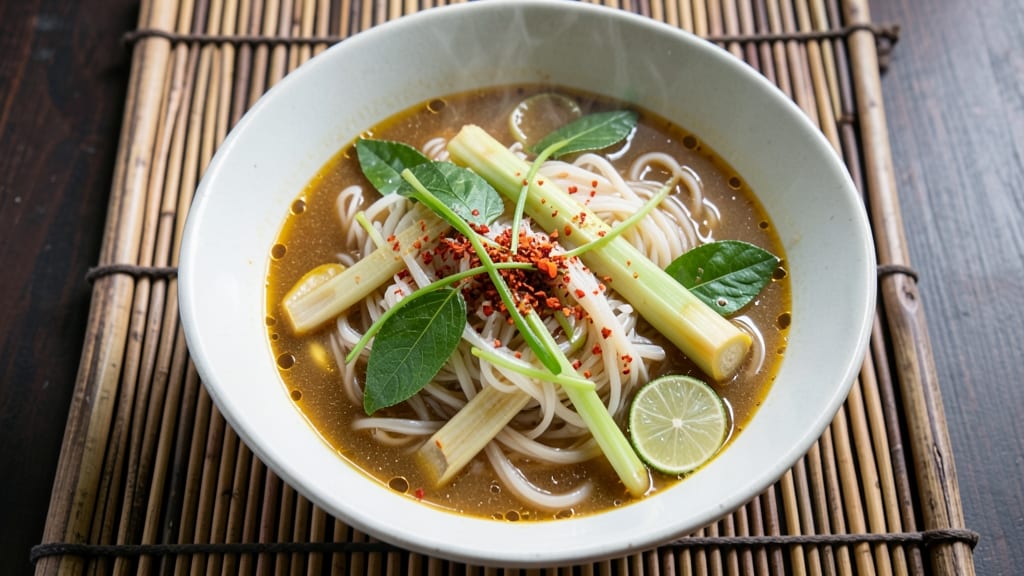
This authentic Thai noodle soup recipe brings the fragrant, complex flavors of street-side eateries into your kitchen with a balance of sour, spicy, and umami that’s impossible to resist.
The secret lies in the aromatic infusion of lemongrass, galangal, and kaffir lime leaves—ingredients that transform a simple broth into a symphony of taste. I’ve perfected this method over years of testing, ensuring every spoonful delivers that signature Thai depth without requiring hard-to-find ingredients.
The broth is the heart of this dish, simmered low and slow with fish sauce, lime juice, and chili for that signature tangy heat.
We’ll use rice noodles for their delicate texture, which soak up the flavors beautifully, and top it all with fresh herbs, bean sprouts, and a sprinkle of crushed peanuts for crunch.
This isn’t just a soup—it’s a full sensory experience, where every element plays a part in creating that authentic Thai restaurant taste at home.
What makes this recipe truly special is the attention to traditional techniques, like blooming the spices in hot oil to release their full potential and balancing the flavors to perfection. The result?
A bowl of soup that’s vibrant, aromatic, and packed with layers of complexity—just like the ones you’d find in Bangkok’s bustling markets. Whether you’re serving it for a cozy weeknight dinner or a gathering with friends, this dish will transport your taste buds straight to Thailand.
Ready to master the art of Thai noodle soup? Let’s dive into the step-by-step process, where we’ll cover everything from building the aromatic base to plating it like a pro. The key to success lies in patience and precision—trust me, the effort is worth every slurp.
Ingredients for authentic thai noodle soup
Lemongrass, galangal, and kaffir lime leaves kick off this fragrant Thai noodle soup adventure.
| Ingredient | Amount | Notes |
|---|---|---|
| Lemongrass Stalks 🌿 | 4 whole | Bruised and cut into 2-inch pieces |
| Galangal Slices 🌿 | 3 pieces | Fresh, peeled, 1-inch thick |
| Kaffir Lime Leaves 🍋 | 4 whole | Stems removed, torn in half |
| Rice Noodles 🍜 | 8 oz | Flat or round, uncooked |
| Fish Sauce 🍶 | 3 tbsp | Red Boat brand preferred |
| Lime Juice 🍋 | ½ cup | Freshly squeezed |
| Chili Paste 🌶️ | 2 tbsp | Thai bird's eye chili preferred |
| Bean Sprouts 🌱 | 2 cups | Fresh, rinsed |
| Crushed Peanuts 🥜 | ¼ cup | Lightly toasted |
| Fresh Thai Basil 🌿 | ¼ cup | Chopped, stems removed |
| Garlic Cloves 🧄 | 4 cloves | Minced |
| Shallots 🧅 | 3 whole | Peeled, thinly sliced |
| Vegetable Oil 🫒 | ½ cup | For blooming spices |
| Chicken or Vegetable Broth 💧 | 6 cups | Low-sodium preferred |
| Salt 🧂 | 1 tsp | Adjust to taste |
The aromatic trio—lemongrass, galangal, and kaffir lime leaves—is non-negotiable for that signature Thai flavor. Asian markets are your best bet for fresh galangal (it looks like ginger but with a citrusy kick), but if you can't find it, ginger at half the amount works in a pinch. The Red Boat brand fish sauce is worth the splurge—it's the gold standard for authentic umami. Fresh Thai basil? Costco or Trader Joe's usually have it, but regular basil in a bind? Use it, but know it's not the same. The rice noodles should be flat or round—the kind that soak up broth like a dream.
No galangal? Ginger plus a pinch of citric acid (or lime zest) gets you close. Short on kaffir lime leaves? Lemon leaves or even lime zest will do the trick. The chili paste can be swapped for sriracha or cayenne if you're not into the heat, but trust me, the real stuff is worth hunting down. Bean sprouts are a must for that fresh crunch—Trader Joe's sells them pre-washed, which is a lifesaver. The peanuts? Toast them lightly in a dry pan until fragrant—2 minutes max—or they'll burn. And that fish sauce? Start with 2 tbsp, taste, then add more if needed—it's salty stuff.
The broth is where the magic happens, so don't rush it. Simmer low and slow for at least 30 minutes to let those aromatics meld. Store leftovers in an airtight container for 3-4 days—the flavors only get better. Freezes beautifully too, though the noodles might get mushy. Double the batch if you can—this soup disappears fast. And if you're prepping ahead, keep the noodles separate until serving so they don't turn to mush. Pro tip: Save those used lemongrass and galangal pieces—they make killer ice cubes for future cocktails.
Why You'll Love This Recipe
- No-Fuss Simmer: I swear by the "throw-in-everything" method—just bruise the lemongrass and galangal, toss them in boiling water with the lime leaves, and let the broth work its magic. Ten minutes later, you’ve got depth without the fuss of peeling or chopping.
- Umami Bomb: That first sip? Pure flavor payoff. The fish sauce cuts through the herbal brightness of galangal and lime, while the rice noodles soak up the broth like a sponge—no dry bites, just silky satisfaction. (Yes, even on a Tuesday night.)
- Weeknight Crowd-Pleaser: Between us, this is my go-to for lazy Sundays or when friends drop by unannounced. Double the broth, add extra noodles, and suddenly you’ve fed four without stress. The lime leaves add a fancy touch, but the galangal’s earthy kick keeps it honest.
- Budget Broth Magic: I make this twice a month because it’s ridiculously affordable—lemongrass and galangal last ages, and fish sauce stretches further than you’d think. Plus, the leftovers? Even better the next day, when the noodles soften just right and the flavors meld into something deeper.
Step-by-step instructions for authentic Thai noodle soup
Here's how to build this fragrant, aromatic soup with layers of authentic Thai flavor.
Bloom the Aromatics in Vegetable Oil
Heat the ½ cup vegetable oil in a large pot over medium-low heat. Add the 3 whole shallots and 4 cloves garlic, cooking for 2-3 minutes until the shallots turn golden and fragrant. This gentle cooking prevents burning while developing the base flavor.
Add the 2 tbsp chili paste and stir for 30 seconds until it darkens slightly and releases its heat. Here's the thing—don't rush this step. The chili paste needs time to bloom and infuse the oil properly. You'll see it transform from raw to aromatic, setting the stage for the entire dish.
Build the Lemongrass-Galangal Broth
Add the 4 whole lemongrass stalks (bruised and cut), 3 pieces galangal slices, and 4 whole kaffir lime leaves (torn in half). Cook for 5 minutes until the lemongrass and galangal release their oils and the mixture smells intensely aromatic. You're building the soul of this soup right now—those citrusy, peppery notes that define authentic Thai flavor.
Pour in the 6 cups chicken or vegetable broth and bring to a gentle simmer. Add the 1 tsp salt and 3 tbsp fish sauce, stirring to combine. Let it simmer uncovered for 10 minutes to allow the flavors to meld. The broth should smell like a Thai market—bright, herbal, and slightly funky.
Prepare the Noodles and Toppings
While the broth simmers, prepare the 8 oz rice noodles by soaking them in warm water for 10-15 minutes until pliable but still slightly firm. They should be tender but not mushy—this ensures they hold up in the hot soup. Drain and set aside, covered with a damp towel to keep them moist.
In a bowl, combine the 2 cups bean sprouts, ½ cup crushed peanuts, and ¼ cup chopped fresh Thai basil. This is your topping assembly—keep it separate until the very end to maintain crispness. The peanuts should be lightly toasted (just until fragrant) for maximum crunch.
Finish the Soup with Bright Acid and Heat
Remove the lemongrass stalks and galangal slices from the broth (you can discard them). Stir in the ½ cup lime juice and adjust seasoning with additional fish sauce if needed—the soup should taste balanced between salty, sour, and spicy. Here's where it gets fun: taste and adjust the heat level by adding more chili paste if you prefer it spicier.
Divide the cooked rice noodles among bowls. Ladle the hot broth over the noodles, then top with the bean sprout mixture. The contrast of hot soup and cool toppings is what makes this dish so satisfying. Serve immediately while the noodles are hot and the aromatics are at their peak.
Pro Tips For Making Authentic Thai Noodle Soup
- Bruise the Galangal: Smash it with the flat side of your knife first—just enough to break the fibers so it releases flavor into the broth. I used to slice it thinly, and it barely contributed. This isn’t about mincing; you’re waking up the root, not turning it into paste.
- Simmer Low After Boiling: Once the broth hits a rolling boil with lemongrass and lime leaves, drop the heat to the lowest setting you can tolerate. I learned this the hard way—high heat turns the broth bitter, and you’ll be chasing balance with fish sauce all night.
- Soak Noodles Separately: Toss the rice noodles in warm (not boiling) water for 5–7 minutes, then drain and rinse in cold water. Adding them directly to the hot broth makes them gummy, and no one wants that texture. Trust me, the extra 2 minutes saves you from regret.
- Toast the Lime Leaves: Give those kaffir lime leaves a quick 10-second sear in a dry pan before adding to the broth—just until fragrant. Sounds weird, but it works: the heat deepens their citrusy aroma without burning them. (Yes, even if you’re impatient like me.)
Make-ahead tips for authentic thai noodle soup
Broth Prep Ahead
Make the broth 2 days in advance for deeper flavor development. After simmering the aromatics and adding broth, let it cool completely, then store in an airtight container in the fridge. The flavors intensify as the spices infuse overnight—this is where the magic happens.
When ready to serve, simply reheat the broth gently over low heat and finish with lime juice and fish sauce. 🌿
Noodle Prep Strategy
Cook the rice noodles just before serving—they turn mushy if prepped too early. For a shortcut, soak them in warm water for 10 minutes, then drain and rinse with cold water to stop cooking.
Store them in a sealed container with a damp paper towel to keep them pliable. When ready, quickly reheat in the broth for 1-2 minutes.
Topping Assembly
Prep all toppings 1 day ahead and store in separate containers. Keep the bean sprouts in a sealed bag with a dry paper towel to maintain crispness.
Toast the peanuts and chop the Thai basil in advance—they stay fresh for 24 hours in the fridge. Assemble toppings right before serving to preserve texture. 🥜
Freezer-Friendly Broth
Broth freezes beautifully for up to 3 months. Use freezer-safe containers with 1-inch headspace to prevent expansion cracks. Thaw overnight in the fridge, then reheat on low heat with a splash of water to restore richness. Add fresh lime juice and aromatics when reheating for maximum freshness. ❄️
Noodle Make-Ahead Hack
For a noodle shortcut, buy pre-cooked rice noodles (like Thai Kitchen brand). Soak them in warm water for 5 minutes, then drain. Store in an airtight container with a damp towel for up to 2 days.
When ready, reheat in the broth for 30 seconds—they’ll soften perfectly without turning mushy.
Complete Meal Prep
Assemble individual soup kits for easy reheating: store broth, noodles, and toppings in separate resealable bags. When ready to eat, combine everything in a pot and heat through. This method keeps components fresh and makes serving a breeze—perfect for busy weeknights. 💡
Nutrition facts
Frequently asked questions
Can I substitute galangal if I can't find it?
Yes, but the flavor won't be identical. Use 2 inches of fresh ginger plus ½ teaspoon citric acid or lime zest for a close approximation. Galangal has a unique citrusy, peppery taste that ginger lacks, but this combo works in a pinch. For best results, add a pinch of black pepper to mimic galangal's warmth.
How spicy should this soup be?
The recipe balances heat with sour and umami, but you control the spice level. Start with 2 tbsp chili paste for mild heat, then adjust by adding more (or removing seeds) after tasting. Thai street food often serves chili paste on the side—consider keeping some separate for customization.
What's the best way to store leftovers?
Store broth and toppings separately in airtight containers for up to 4 days. Keep noodles separate until reheating to prevent mushiness. Reheat broth gently, then add fresh noodles and toppings. For longer storage, freeze broth alone (up to 3 months)—just add fresh aromatics when reheating.
Can I make this vegetarian?
Replace fish sauce with 3 tbsp soy sauce plus 1 tbsp coconut aminos for umami. Use vegetable broth and add 1 tbsp miso paste for depth. Keep the same aromatic base (lemongrass, galangal, lime) for authentic flavor. Tofu or mushrooms work well as protein additions.
Why does my soup taste too salty?
Fish sauce is salty—start with 2 tbsp and taste before adding more. If needed, balance with extra lime juice (sour) or coconut milk (creamy). For a quick fix, add 1-2 tbsp warm water to dilute slightly. Remember: Thai flavors should be complex, not one-dimensional.