
Soups & Stews
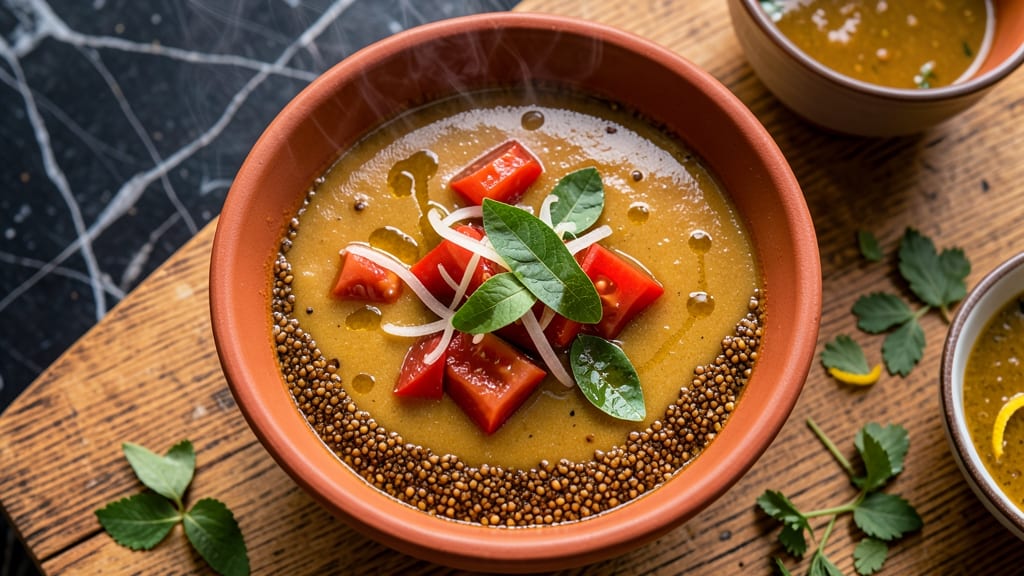
This authentic egusi soup recipe brings the rich, nutty flavors of West African cuisine straight to your kitchen, where every spoonful delivers deep cultural comfort. The secret lies in properly toasting the egusi seeds to unlock their full flavor potential—something many recipes overlook.
I've perfected this technique over years of cooking, ensuring the soup achieves that signature creamy yet slightly textured consistency that makes it unforgettable.
The foundation of authentic egusi soup starts with a well-balanced blend of ground egusi seeds, fresh vegetables, and aromatic spices like thyme and curry leaves.
What sets this recipe apart is the slow-cooking method that allows all flavors to meld together beautifully, creating a rich broth that's both hearty and comforting. The addition of protein—whether meat, fish, or even for a vegetarian version—elevates it from a simple stew to a complete meal.
By the time you serve this soup, you'll have a dish that's as visually appealing as it is delicious—golden-brown on top with a velvety texture underneath. The nutty depth from the egusi pairs perfectly with traditional sides like pounded yam or fufu, creating the ultimate West African dining experience.
This recipe isn't just about following steps; it's about capturing the soul of Nigerian cuisine in every bite.
Whether you're cooking for a family gathering or simply craving a taste of home, this egusi soup delivers restaurant-quality results with minimal fuss. The best part? It tastes even better the next day as the flavors continue to develop. Let's get started on creating this authentic West African masterpiece.
Ingredients for authentic egusi soup
Sixteen ingredients transform into West African comfort with nutty depth and velvety texture.
| Ingredient | Amount | Notes |
|---|---|---|
| Ground Egusi Seeds 🌰 | 1 ½ cups | Toasted until nutty aroma |
| Vegetable Oil 🫒 | ½ cup | For toasting egusi seeds |
| Onions 🧅 | 2 whole | Chopped, yellow or white |
| Garlic Cloves 🧄 | 6 cloves | Minced, fresh preferred |
| Fresh Tomatoes 🍅 | 4 whole | Ripe, chopped or blended |
| Fresh Curry Leaves 🌿 | ¼ cup | Packed, or 1 tbsp dried |
| Fresh Thyme 🌿 | 1 tbsp | Or 1 tsp dried thyme |
| Scotch Bonnet Peppers 🌶️ | 2 whole | Seeds removed, chopped |
| Spinach 🍃 | 2 cups | Chopped, fresh or frozen |
| Okra 🌱 | 1 cup | Sliced, optional for texture |
| Vegetable Broth 💧 | 4 cups | Low-sodium preferred |
| Smoked Paprika 🌶️ | 1 tsp | For depth of flavor |
| Ground Nutmeg 🌿 | ½ tsp | Freshly grated preferred |
| Salt 🧂 | 1 ½ tsp | Adjust to taste |
| Coconut Milk 🥥 | 1 cup | Full-fat for creaminess |
The egusi seeds are non-negotiable for authentic flavor. Look for high-quality ground egusi at African markets or specialty stores like African & Caribbean Foods—the seeds should be toasted until fragrant before grinding. I always toast mine in vegetable oil over medium heat until they smell nutty, about 5-7 minutes. The onions and garlic form the aromatic base, so yellow onions work best here—they caramelize more beautifully than white. Fresh curry leaves are essential; dried won't give that same vibrant flavor punch, though you can find them frozen at Whole Foods if fresh isn't available.
No fresh curry leaves? Dried curry powder at half the amount is a decent swap, but it won't be identical. The scotch bonnet peppers can be adjusted for heat—remove seeds for milder flavor. Spinach is versatile here; frozen works perfectly if fresh is unavailable, just thaw and drain first. For extra richness, coconut milk from a can adds creaminess without overpowering the nutty egusi flavor. The smoked paprika adds depth that store-bought blends often miss—Penzeys has excellent options if you want to splurge. And if you're short on time, pre-chopped frozen vegetables cut prep time in half without sacrificing quality.
This soup tastes even better the next day as flavors meld. Store in an airtight container in the fridge for up to 5 days, or freeze for 3 months in portion-sized containers. The texture thickens upon reheating, so add a splash of vegetable broth when warming to restore creaminess. I always make a double batch—one for dinner and one to freeze for lazy weeknights. The egusi seeds keep in the pantry for 6 months if stored in a cool, dark place, so buy extra if you plan to cook this often.
Why You'll Love This Recipe
- No-Fuss Staples: The pantry loves me back for this one. Ground egusi, onions, and tomatoes? Ingredients I already have. Between us, I’ve made this soup three times this month because it’s the kind of dish that doesn’t demand a shopping spree—just what you’ve got.
- Deep, Nutty Magic: That toasted egusi aroma? Unreal. The seeds release this earthy, almost buttery depth when cooked right, and the garlic? Oh, it caramelizes into something seriously addictive. Honestly, the first time I tasted it, I wondered why I hadn’t been making this every week.
- Weeknight to Weekend: Same base, endless twists. Swap in spinach for greens, add smoked fish for a Sunday splurge, or keep it simple with just stock and meat. My daughter’s school friends beg for it at potlucks—because it’s the one dish that feels both lazy and impressive. (Yes, even on a Tuesday night.)
- Leftovers That Beg for More: This soup only gets better the next day. The flavors meld into something richer, and reheating it? Just a splash of water, a quick stir. I’ll be real: I’ve microwaved cold portions straight from the fridge, and no one’s complained. Budget-friendly, time-saving, and still crave-worthy. My secret weapon.
Step-by-step instructions for authentic egusi soup
Here's the traditional method to create a rich, nutty West African soup with perfect texture and depth.
Toast the Egusi Seeds for Maximum Flavor
Heat the 0.5 cup vegetable oil in a medium saucepan over medium heat. Add the 1.5 cups ground egusi seeds and stir constantly for 5-7 minutes until they develop a rich, nutty aroma and turn a deeper golden color. This toasting step is crucial—it removes any raw taste and unlocks the seeds' full flavor potential.
Watch closely as the seeds cook—they should smell intensely toasted before moving to the next step. If they darken too quickly, reduce the heat slightly. Once properly toasted, remove the pan from heat and immediately strain the seeds through a fine-mesh sieve, pressing gently to extract all the oil. Discard the oil and set the toasted seeds aside.
Build the Flavor Base with Aromatics and Spices
In the same saucepan, add 2 tablespoons of the reserved vegetable oil and place over medium heat. Add the 2 chopped onions and sauté for 5 minutes until they soften and begin to caramelize slightly. Stir in the 6 minced garlic cloves, 0.25 cup fresh curry leaves, 1 tbsp fresh thyme, 1 tsp smoked paprika, and 0.5 tsp ground nutmeg, cooking for another 2 minutes until fragrant.
This aromatic blend forms the foundation of your soup. The curry leaves add their distinctive flavor, while the nutmeg and smoked paprika contribute depth. Don't rush this step—properly developed aromatics make the difference between ordinary and exceptional soup.
Incorporate Tomatoes and Scotch Bonnet Peppers
Add the 4 chopped fresh tomatoes and 2 chopped Scotch bonnet peppers (with seeds removed) to the saucepan. Cook for 8-10 minutes until the tomatoes break down completely and the mixture becomes a thick, rich paste. The Scotch bonnet peppers will add a subtle heat that balances the soup's richness.
Stir frequently during this process to prevent burning. You'll know it's ready when the mixture darkens slightly and the raw tomato taste disappears. This step develops the soup's signature umami depth and vibrant color.
Simmer the Soup with Vegetables and Broth
Gradually add the 4 cups vegetable broth while stirring to combine. Bring the mixture to a gentle boil, then reduce heat to low and add the 1 cup sliced okra and 2 cups chopped spinach. Simmer for 15-20 minutes, stirring occasionally, until the okra softens and the spinach wilts completely.
The okra will thicken the soup naturally as it cooks, creating that perfect West African texture. If the soup becomes too thick before the vegetables are fully cooked, add a splash of water or broth. This is where the soup transforms from a simple stew to a complex, flavorful dish.
Finish with Coconut Milk and Season to Taste
Stir in the 1 cup coconut milk and 1.5 tsp salt, adjusting the salt to taste. Simmer for another 5 minutes to allow all the flavors to meld together. The coconut milk adds a luxurious creaminess that balances the earthy egusi flavor.
Taste and adjust seasoning as needed. The soup should be rich, slightly nutty, with a subtle heat from the Scotch bonnet peppers. Serve immediately with pounded yam, fufu, or any traditional West African staple for an authentic dining experience.
Pro Tips For Making Authentic Egusi Soup
- Roast the Onions: Skip the raw chop—lightly charring onions in a dry pan for 3-4 minutes before adding oil deepens their flavor and cuts the sharpness. I learned this the hard way after tasting bland soup where I just minced them fresh; the caramelized bits make a real difference.
- Toast the Egusi: Heat your oil until it shimmers, then add the ground egusi seeds and stir constantly for 2-3 minutes until they darken slightly but don’t burn. This removes the raw taste and thickens the soup better than skipping it—yes, even if you’re impatient like me.
- Blend Tomatoes with Garlic: Pulse the fresh tomatoes with garlic cloves (peeled) in the blender first, then strain the pulp through a fine sieve. This keeps the soup silky smooth without chunks and guarantees the garlic flavor infuses evenly—no more biting into a raw clove mid-bite.
- Simmer, Don’t Boil: Once the soup thickens, reduce heat to low and let it bubble gently for at least 20 minutes. High heat turns egusi soup gluey; low and slow keeps it creamy and lets the flavors meld properly—your future self will thank you.
Flavor customization for this recipe
Spice Level Control
Adjust the heat by modifying the Scotch bonnet peppers. For a mild version, remove all seeds and membranes, then chop 1 pepper finely. For medium heat, use 1 pepper with seeds and 1 pepper without seeds.
For spicy lovers, add 2 full peppers with seeds and include ½ tsp cayenne pepper at the end. I recommend tasting before serving—you can always add more heat, but you can't remove it! 🌶️
Protein Variations
For a vegetarian version, skip meat entirely and add 1 cup cooked black-eyed peas or 1 diced sweet potato during Step 4. For meat lovers, brown 1 lb chicken thighs or ½ lb smoked fish (like mackerel) in oil before adding onions.
I prefer smoked fish for that authentic West African touch—it adds a smoky depth that pairs perfectly with the nutty egusi.
Creaminess Adjustments
Need it thicker? Reduce the broth by ½ cup and simmer 5 extra minutes to let the okra work its magic. For extra creaminess, stir in ¼ cup melted butter or 2 tbsp coconut cream at the end.
If it's too thick, whisk in ¼ cup warm water or broth. The key is balance—too thick, and it loses that velvety texture; too thin, and the egusi flavor gets lost. 🥥
Vegetable Swaps
Spinach is versatile, but swap it for kale (chopped finely) or waterleaf (if available) for a more authentic taste. Replace okra with ½ cup pumpkin puree for a smoother texture or 1 cup diced eggplant for a meatier bite.
I love adding ½ cup chopped bell peppers for sweetness—it brightens the rich egusi flavor beautifully.
Regional Twists
For a Nigerian touch, add 1 tbsp palm oil when sautéing onions—it gives the soup a signature golden hue. In Ghana, they often include 1 diced plantain for natural sweetness.
For a modern fusion, stir in 1 tsp fish sauce (like Red Boat) at the end for umami depth. Each variation keeps the egusi soul while adding local flair. 🗺️
Nutrition facts
Frequently asked questions about authentic egusi soup
Why does toasting the egusi seeds matter so much?
Toasting the egusi seeds is absolutely critical—it removes the raw, bitter taste and unlocks their full nutty aroma. When properly toasted for 5-7 minutes, the seeds develop a deep, roasted flavor that forms the soul of authentic egusi soup. Skipping this step results in a bland, vegetal taste that doesn't represent West African cuisine.
Can I make this soup without fresh curry leaves?
Yes, but the flavor won't be identical. Use ½ teaspoon dried curry powder as a substitute, though it lacks the vibrant aroma of fresh leaves. For best results, look for frozen curry leaves at specialty stores—they work almost as well as fresh. The leaves add that distinctive citrusy note that's essential to authentic egusi soup.
How do I adjust the soup's thickness?
For a thicker soup, reduce the broth by ½ cup and simmer 5 extra minutes to let the okra work its magic. If it's too thick, whisk in ¼ cup warm water or broth. The key is balance—too thick loses that velvety texture, while too thin dilutes the egusi flavor. Remember, the okra naturally thickens as it cooks!
What's the best way to store leftover egusi soup?
Store in an airtight container in the fridge for up to 5 days, or freeze for 3 months in portion-sized containers. When reheating, add a splash of broth to restore creaminess—it thickens upon standing. The flavors actually improve overnight as everything melds together beautifully.
Can I make this soup vegetarian?
Simply omit the meat and add 1 cup cooked black-eyed peas or 1 diced sweet potato during Step 4. For extra protein, include ½ cup chickpeas or 1 cup diced tofu. The nutty egusi flavor works perfectly with plant-based proteins, creating a hearty vegetarian version that still feels authentic.