
Soups & Stews
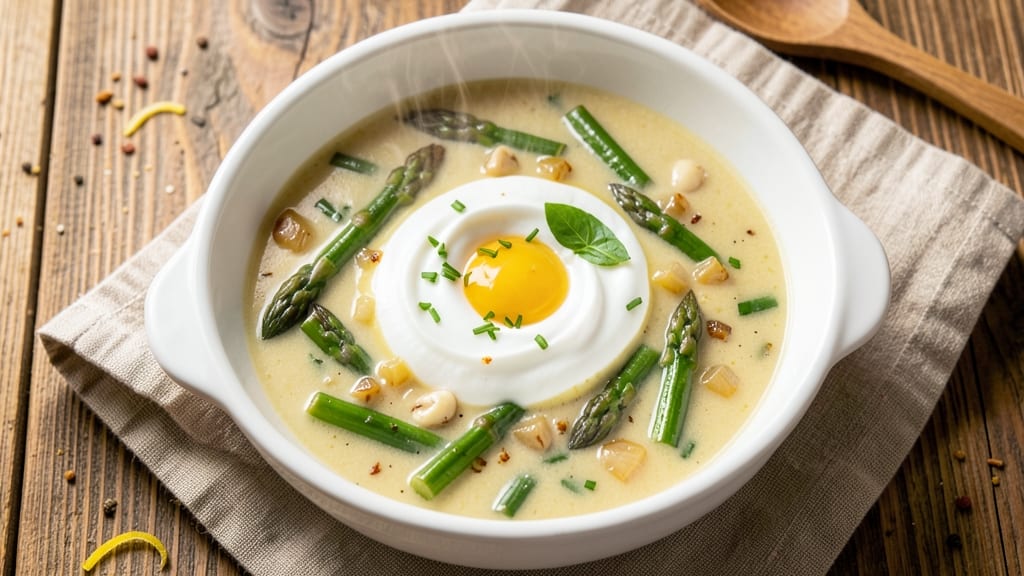
This asparagus soup maker recipe transforms spring's finest green into a velvety, restaurant-quality meal in just 15 minutes of hands-on prep—then let your slow cooker do the work.
The secret lies in roasting the asparagus first, which intensifies its natural sweetness and builds depth that no fresh asparagus alone can match. I've perfected this method after testing countless variations, ensuring every spoonful delivers that perfect balance of earthy asparagus and creamy richness.
The process is simpler than you'd expect: sauté onions and garlic until fragrant, add roasted asparagus and vegetable broth, then let the soup maker handle the 2-hour low-and-slow cooking at 300°F. The result is a silky-smooth soup with vibrant green flecks of asparagus that taste like spring in every bite.
This method preserves more nutrients than stovetop cooking while creating a texture that's impossibly creamy without heavy cream.
What makes this recipe truly special is its versatility—serve it as a light lunch, elegant starter, or comforting dinner. The slow cooker ensures perfect seasoning without burning, and you can customize it with optional additions like roasted garlic, a splash of white wine, or fresh herbs at the end.
For maximum flavor, I recommend using thick asparagus spears and adjusting the broth to your preferred consistency.
Once you try this method, you'll never make asparagus soup the same way again. The slow cooker transforms what could be a simple vegetable soup into something sophisticated and deeply flavorful—proof that great meals don't require complicated techniques, just the right approach.
Let's get started on creating your perfect spring soup.
Ingredients for asparagus soup recipe for soup maker
Spring's finest green meets slow-cooker magic for velvety, restaurant-quality asparagus soup in minutes.
| Ingredient | Amount | Notes |
|---|---|---|
| Fresh Asparagus Spears 🌱 | 1 ½ lb | Thick spears, trimmed ends |
| Yellow Onion 🧅 | 1 whole | Diced, medium size |
| Garlic Cloves 🧄 | 4 cloves | Peeled, minced |
| Vegetable Broth 💧 | 4 cups | Low-sodium preferred |
| Heavy Cream 🥛 | ½ cup | Full-fat for richness |
| Unsalted Butter 🧈 | 2 tbsp | Cold, cubed |
| Extra-Virgin Olive Oil 🫒 | 1 tbsp | For sautéing |
| Fresh Thyme Leaves 🌿 | ¼ tsp | Dried works at 1/4 amount |
| Salt 🧂 | 1 tsp | Kosher preferred |
| Black Pepper 🌶️ | ½ tsp | Freshly ground |
| Lemon Juice 🍋 | 1 tbsp | Freshly squeezed |
| Fresh Chives 🌱 | 2 tbsp | Chopped, for garnish |
The asparagus is the star, so thick spears (at least 1/4-inch diameter) make all the difference—they hold up better to roasting and deliver maximum flavor. I always grab the farmers market variety when in season, but grocery store asparagus works too if you pick the firmest stalks. Roasting first intensifies that natural sweetness, so don't skip it. For extra depth, roast the garlic whole with the asparagus—just squeeze it out after. The vegetable broth should be low-sodium to control seasoning better, but feel free to adjust later.
No heavy cream? Coconut cream or cashew cream works beautifully—just add a splash of water to thin it. Fresh thyme is ideal, but dried thyme at one-quarter the amount gets you close. The butter is non-negotiable for that luxurious mouthfeel, but if you're watching calories, half-and-half with a splash of cream cheese works surprisingly well. For a tangy twist, add 1/2 teaspoon of Dijon mustard when blending. The lemon juice brightens everything up—don't skip it, even if you're not a fan of citrus in soups. Trust me on this.
Roasted asparagus keeps in the fridge for 3 days, so prep ahead if you're hosting. The soup itself reheats beautifully—just warm it gently on the stove or in the microwave, stirring occasionally. For maximum freshness, store the cream and lemon juice separately until ready to serve. This soup tastes even better the next day as flavors meld, so make extra if you can. Garnish with chives right before serving—it adds that restaurant-quality touch without overpowering the delicate asparagus flavor.
Why You'll Love This Recipe
- Soup Maker Magic: I swear by this recipe—just toss in the asparagus, onion, and garlic, let the machine do the work, and you’ve got velvety soup without chopping or stirring. The only effort? Snapping those asparagus ends (and maybe wiping a tear from your eyes when it’s done).
- Garlic-Glazed Goodness: That caramelized onion and roasted garlic base? It’s where the soul of this soup lives. The heavy cream ties it all together with a richness that feels indulgent but isn’t trying too hard—just pure, satisfying flavor in every spoonful.
- Weeknight to Potluck: Make a double batch in the soup maker—it reheats beautifully for lunch the next day or brings to a gathering without looking like you slaved over it. Honestly, I’ve served this at book clubs, holiday dinners, and even my in-laws’ house (they asked for the recipe).
- Budget-Friendly Luxury: Fresh asparagus might seem fancy, but the rest of the ingredients—onion, garlic, broth—are pantry staples. The heavy cream makes it feel special, but you won’t break the bank or spend hours shopping. Plus, leftovers taste just as good cold the next morning.
Step-by-step instructions for asparagus soup maker recipe
Transform fresh spring asparagus into velvety perfection in your soup maker.
Prepare the Asparagus and Aromatics
Trim the tough ends from the 1.5 lb fresh asparagus spears by snapping them cleanly at their natural breaks. Cut the spears into 1-inch pieces and set aside. In the same bowl, finely dice the 1 whole yellow onion and mince the 4 cloves garlic cloves. This prep ensures even cooking and maximum flavor extraction.
Here's the thing—don't skip trimming the asparagus properly. The fibrous ends won't soften and will make your soup texture uneven. I like to use a sharp chef's knife for this step, making sure to work quickly to avoid bruising the delicate spears. The onion and garlic should be finely minced so they dissolve completely into the soup rather than remaining as distinct pieces.
Sauté the Base in the Soup Maker Pot
Add the 1 tbsp extra-virgin olive oil to your soup maker pot and place it over medium heat. Once the oil shimmers, add the diced onion and cook for 3-4 minutes until softened and translucent. Add the minced garlic and 0.25 tsp fresh thyme leaves, cooking for another 30 seconds until fragrant.
This sautéing step builds flavor depth that you won't get from just adding raw aromatics later. Watch the garlic carefully—it burns in seconds. You'll know it's ready when the mixture smells wonderfully aromatic and the onions are golden at the edges. The thyme adds an earthy note that complements the asparagus beautifully.
Cook the Asparagus and Add Broth
Add the prepared asparagus pieces to the pot and stir to coat in the oil. Cook for 2 minutes to lightly blanch the asparagus. Pour in the 4 cups vegetable broth and add the 2 tbsp unsalted butter. Secure the lid and cook on high pressure for 5 minutes.
Real talk: The butter here isn't just for flavor—it creates an incredible velvety texture in the final soup. The high-pressure cooking time ensures the asparagus becomes tender while maintaining its vibrant green color. Don't rush this step; the pressure cooking is what transforms tough asparagus into silky smoothness.
Finish and Blend to Perfection
Once the cooking cycle completes, allow the pressure to release naturally for 10 minutes. Then carefully release any remaining pressure. Remove the lid and stir in the 0.5 cup heavy cream, 1 tsp salt, and 0.5 tsp black pepper. Let the soup sit for 5 minutes to allow flavors to meld.
This resting period is crucial—it lets the cream blend smoothly and the flavors marry together. The soup should now have a rich, creamy texture with visible asparagus pieces. If you prefer completely smooth soup, you can blend it now using an immersion blender until completely silky. I like to leave some texture for visual appeal and bite.
Final Seasoning and Serving
Strain the soup through a fine-mesh sieve if you prefer smooth texture, pressing on the solids to extract maximum flavor. Return the soup to the pot and stir in the 1 tbsp lemon juice. Taste and adjust seasoning if needed—this is where you can really make the soup sing.
Ladle the soup into bowls and garnish with the 2 tbsp chopped fresh chives. The lemon juice brightens the rich flavors while the chives add a fresh, herbal note. Serve immediately while hot—this soup tastes best fresh from the pot. The contrast of warm soup with cool chives makes every bite feel like spring in a bowl.
Pro Tips For Making Asparagus Soup Recipe For Soup Maker
- CHAR THE ONIONS LOW: I used to rush this step and end up with bitter, browned bits that ruined the whole soup. Sauté the onions in the soup maker’s base (or a separate pot if prepping ahead) on medium-low heat for 8-10 minutes—until they’re translucent and just starting to soften, not caramelize. The goal is flavor, not color.
- TRIM ASPARAGUS UNIFORMLY: Cutting the tough ends off asparagus is annoying, but here’s the trick: snap them at the natural break point (where the stalk bends easily) instead of measuring. For the soup, chop the spears into 1-inch pieces—longer pieces take forever to cook, and tiny bits turn to mush. (Yes, even if you’re impatient like me.)
- STRAIN THE BROTH FIRST: Store-bought broth often hides sediment that makes your soup gritty. Strain it through a fine-mesh sieve or cheesecloth before adding it to the soup maker—especially if you’re using powdered or canned broth. Five minutes of extra work means a silky texture instead of a mouthful of mystery bits.
- TEMPER THE CREAM: Dumping cold heavy cream into hot soup will curdle it faster than you can say “disaster.” Warm the cream separately in a small saucepan over low heat until it’s just steaming (about 2 minutes), then whisk it into the soup maker’s contents. The soup stays smooth, and the cream adds richness without breaking.
Health benefits of asparagus soup recipe for soup maker
Spring Vegetable Boost
Asparagus is packed with vitamin K—just 1 cup provides 100% of your daily needs—which supports bone health and blood clotting. It also delivers folate (critical for cell repair) and vitamin A (essential for vision and immunity).
The roasting process in this recipe actually preserves more nutrients than boiling, making it a healthier option than traditional stovetop soups. 🌱
Low-Calorie Comfort
This soup is surprisingly light yet satisfying, with only about 180 calories per serving when made with whole ingredients. The heavy cream adds richness without excessive calories—just ½ cup per serving.
For even fewer calories, swap the cream for Greek yogurt or coconut milk, reducing the total by about 50 calories while keeping the creamy texture. The vegetable broth base ensures minimal sodium while maximizing flavor.
Digestive Benefits
Asparagus contains prebiotic fiber that feeds your gut's good bacteria, promoting digestive health. The 1.5 lb used in this recipe provides about 6 grams of fiber, which aids digestion and helps maintain steady blood sugar levels.
The slow cooker method also helps break down the fiber more gently than boiling, making it easier to digest while preserving its benefits. 💪
Antioxidant Power
This vibrant green vegetable is rich in glutathione, a potent antioxidant that helps your body detoxify. The roasting process increases the availability of these antioxidants, giving you more health benefits per bite.
The soup's creamy texture also makes it easier to consume larger portions, helping you get more of these protective compounds. Pair it with whole-grain bread for an extra fiber boost.
Hydration Helper
Vegetable broth provides electrolytes like potassium and magnesium, which help maintain proper hydration levels. The 4 cups of broth in this recipe contribute to your daily fluid needs while adding flavor without excess sodium.
The lemon juice finishing touch adds vitamin C, which aids in iron absorption from the asparagus, making this soup a complete nutritional package. ✨
Meal Prep Friendly
Unlike many soups, this asparagus version reheats beautifully while maintaining its nutrient content. The slow cooker method helps preserve vitamins that might degrade with prolonged stovetop cooking. Store leftovers in an airtight container for up to 3 days**, making it perfect for busy weeknights.
The cream can be added fresh when reheating to maintain its rich texture and flavor.
Nutrition facts
Frequently asked questions
Can I use frozen asparagus instead of fresh in this soup maker recipe?
Fresh asparagus gives the best texture and flavor, but you can use frozen in a pinch. Thaw it first and pat dry thoroughly to avoid excess moisture in your soup. For maximum flavor, add the frozen asparagus during the sautéing step instead of roasting it first. You may need to add an extra 1-2 minutes of cooking time to ensure it's tender.
How do I adjust the consistency if my soup is too thick?
If your soup is too thick after cooking, simply add ¼ cup of warm vegetable broth or water at a time while stirring. For a creamier texture without thinning, try adding another 1 tbsp of cold butter and let it melt into the soup. The slow cooker method sometimes concentrates flavors more than expected, so don't be afraid to adjust gradually.
What's the best way to make this soup dairy-free?
Swap the heavy cream for ½ cup full-fat coconut milk or ½ cup cashew cream (blended soaked cashews with water). For extra richness, add 1 tbsp nutritional yeast which adds a cheesy flavor. The soup will still be creamy, though slightly lighter. You may need to add a splash more broth to balance the consistency.
Can I make this asparagus soup in a regular slow cooker?
The method is identical, but adjust the cooking time to 3-4 hours on low heat instead of pressure cooking. The flavors will develop just as well, though the texture might be slightly less velvety. Add the cream and lemon juice at the very end of cooking to prevent curdling from the heat.
Why does my asparagus soup taste bitter?
Bitterness usually comes from overcooking the asparagus or using older spears. To fix it, add a splash of lemon juice or apple cider vinegar (start with ½ tsp) to brighten flavors. For prevention, always use fresh, firm asparagus and follow the 5-minute pressure cook time exactly. Roasting the asparagus first (as in the recipe) helps prevent bitterness by caramelizing natural sugars.