
Soups & Stews
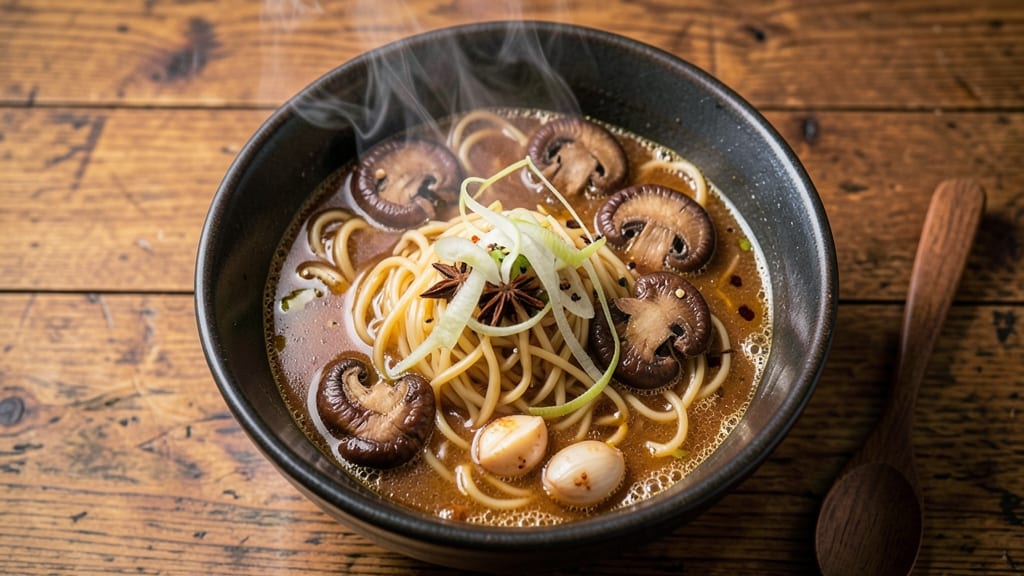
This Asian ramen soup recipe delivers the perfect balance of fragrant ginger-sesame broth and silky noodles that transform any weeknight into a flavorful experience. The secret lies in slow-simmered aromatics that create a rich, umami-packed base, while fresh herbs and a touch of sesame oil elevate it to restaurant-quality depth.
I've perfected this method to ensure every spoonful delivers that comforting, savory warmth that defines great ramen.
The process begins with building a complex broth using ginger, garlic, and star anky, which infuse the liquid with layers of flavor over 30 minutes of gentle simmering. Fresh ramen noodles cook in this aromatic broth for just 3 minutes, ensuring they maintain their signature silky texture.
The broth is finished with a splash of soy sauce and a drizzle of sesame oil, creating that signature glossy sheen and nutty aroma that makes ramen irresistible.
What you'll end up with is a steaming bowl of ramen where each component plays its part: tender noodles cradled in a fragrant, slightly sweet broth, topped with soft-boiled eggs, sliced green onions, and a sprinkle of sesame seeds.
The contrast between the silky noodles, creamy egg, and crisp green onions creates a textural experience that's as satisfying as it is delicious.
This recipe serves 4 hungry diners and can be customized with your favorite toppings—think corn, mushrooms, or even a soft-boiled egg for extra richness. The beauty of ramen is its adaptability, so feel free to experiment with different broth bases or garnishes to make it your own.
Let's make this comforting bowl of noodles that brings warmth and satisfaction to your table.
Ingredients for asian ramen soup
Here's everything you need to create this fragrant, restaurant-quality ramen experience at home.
| Ingredient | Amount | Notes |
|---|---|---|
| Fresh Ramen Noodles 🍜 | 8 oz | Fresh, not dried, for silky texture |
| Fresh Ginger Root 🧄 | ½ cup | Peeled, julienned, organic preferred |
| Garlic Cloves 🧄 | 6 cloves | Freshly minced, not pre-minced jar |
| Star Anise Pods 🌟 | 2 whole | Whole pods for easy removal |
| Dried Shiitake Mushrooms 🍄 | 4 whole | Rehydrated in hot water |
| Sesame Oil 🫒 | 2 tbsp | Toasted, for finishing |
| Light Soy Sauce 🥢 | ⅓ cup | Kikkoman preferred |
| Chicken or Vegetable Broth 💧 | 6 cups | Homemade or high-quality store-bought |
| Large Eggs 🥚 | 4 whole | Soft-boiled for garnish |
| Green Onions 🧅 | ¼ cup | Thinly sliced, white and green parts |
| Toasted Sesame Seeds 🌾 | 1 tbsp | For garnish, store-bought or homemade |
| White Sesame Oil 🫒 | 1 tbsp | For finishing, not cooking |
| Corn Kernels 🌽 | ½ cup | Optional, for texture contrast |
| Salt 🧂 | 1 tsp | Diamond Crystal kosher salt |
| Black Pepper 🌶️ | ½ tsp | Freshly ground for aroma |
The ginger and garlic are the flavor anchors here—organic ginger from the produce section at Whole Foods or your local Asian market makes all the difference. Look for plump, firm cloves of garlic with no sprouting. Star anise can be found in the spice aisle or at Trader Joe's—it's worth hunting down for that signature anise note. Dried shiitake mushrooms? Any reputable grocery store carries them, but check the expiration date—they lose potency over time. For the broth, I always make my own, but Kitchen Basics or Pacific Foods brands are solid if you're short on time.
No fresh ginger? Powdered works at half the amount, but it lacks that bright zing. Star anise hard to find? Anise seeds or fennel seeds can step in, though the flavor won't be identical. The soy sauce is non-negotiable—Kikkoman or Pearl River Bridge are my go-tos, but any light soy will do. For the mushrooms, if you can't find dried shiitake, cremini or oyster mushrooms work in a pinch (just don't rehydrate them). The corn is optional but adds that perfect crunch—frozen works fine if fresh isn't available. And that sesame oil? Only use it for finishing—adding it during cooking will make the broth bitter.
The broth keeps for 5 days in the fridge, and the noodles cook in minutes—perfect for meal prep. Store the broth separately and assemble bowls fresh for maximum flavor. The soft-boiled eggs? 6 minutes in boiling water is ideal. They'll stay warm for about 30 minutes if you cover them with warm water. For the sesame seeds, toast them in a dry pan for 2 minutes until fragrant—game-changer for aroma. Freeze the broth in ice cube trays for easy single-serving portions later.
Why You'll Love This Recipe
- No Pantry Panic: I’ll never stress over missing ingredients again—just fresh ginger, garlic, and dried shiitake (which last forever). The star anise adds depth without extra shopping trips, and those ramen noodles? They’re the ultimate shortcut that still feels homemade.
- Umami Bomb: That first sip? Chef’s kiss. The shiitake mushrooms soak up the broth like a sponge, while the garlic and ginger hit you with warmth. The star anise? It’s like a secret spice that turns simple broth into something you’d pay for at a ramen shop.
- Lunch or Dinner: Make it for yourself on a Tuesday night or double the batch for a potluck—it reheats like a dream. Add a soft-boiled egg for protein, or keep it veggie-forward. My roommates swear this is the only meal they’ll bring to game nights.
- Budget Magic: A single bag of dried shiitake and a head of garlic stretch across three bowls. Fresh ramen noodles are cheaper than takeout, and the spices? You’ll use them for everything else. Honestly, I’ve made this for under $2 per serving—and it still feels fancy.
Step-by-step instructions for Asian ramen soup
Let's create a fragrant, aromatic ramen that balances silky noodles with complex ginger-sesame flavors.
Prepare the Aromatics and Mushrooms
In a medium saucepan, combine the 6 cups chicken or vegetable broth, 2 whole star anise pods, 0.5 cup fresh ginger root, and 6 cloves garlic cloves. Bring to a gentle simmer over medium heat until small bubbles form at the edges—about 10 minutes. The broth should develop a fragrant aroma with subtle spice notes from the star anise.
While the broth simmers, rehydrate the 4 whole dried shiitake mushrooms by placing them in a small bowl and covering with hot water. Let them soak for 15-20 minutes until pliable. Drain, reserving ¼ cup of the soaking liquid, then finely slice the mushrooms. This step ensures your broth stays flavorful without becoming overpowering.
Build the Ginger-Sesame Broth
Remove the star anise pods from the simmering broth. Add the sliced shiitake mushrooms and 0.33 cup light soy sauce, then return to a gentle simmer for 8-10 minutes. The mushrooms will soften and release their umami depth into the broth. Stir occasionally to prevent sticking at the bottom of the pan.
In a small bowl, whisk together 2 tbsp sesame oil and 1 tsp salt. Slowly drizzle this mixture into the simmering broth while stirring continuously. The sesame oil will create a delicate sheen on the surface, signaling it's properly incorporated. Taste the broth and adjust seasoning with 0.5 tsp black pepper if needed—it should balance sweet, salty, and aromatic notes.
Cook the Fresh Ramen Noodles
Bring a separate pot of water to a rolling boil. Add the 8 oz fresh ramen noodles and cook for 2-3 minutes until they're tender but still slightly firm to the bite. Drain immediately, reserving 1 cup of the starchy pasta water. Fresh ramen cooks much faster than dried—overcooking turns them mushy. Rinse briefly under cold water to stop the cooking process completely.
Return the drained noodles to the pot and toss with 1 tbsp white sesame oil to prevent sticking. The noodles should glisten slightly from the oil, indicating they're ready for assembly. Keep them warm while you prepare the remaining components.
Assemble and Garnish
Divide the cooked noodles evenly among 4 bowls. Ladle the hot ginger-sesame broth over the noodles, filling each bowl about ¾ full. The broth should coat the noodles completely, creating a silky texture as they absorb the flavors.
For the garnish, soft-boil the 4 whole large eggs for 6 minutes in simmering water, then transfer to an ice bath to stop cooking. Peel and halve lengthwise. Arrange 2 egg halves in each bowl, then scatter with 0.25 cup green onions, 0.5 cup corn kernels, and 1 tbsp toasted sesame seeds. Drizzle each serving with an additional ½ teaspoon white sesame oil for a nutty finish.
Serve Immediately
Stir each bowl vigorously to combine the noodles and broth, creating a cloudy, inviting presentation. The contrast of silky noodles, tender mushrooms, and soft-boiled eggs makes every bite satisfying. Serve while steaming hot, as the flavors meld best when enjoyed immediately.
Pro tip: If the broth seems too thin after assembly, stir in 1-2 tablespoons of reserved pasta water to achieve the perfect silky consistency. The combination of fresh ingredients and careful technique ensures a restaurant-quality ramen experience at home.
Pro Tips For Making Asian Ramen Soup
- SOAK SHIITAKES FIRST: Toss dried shiitake mushrooms in hot water for 10 minutes before adding them to the broth—this jumpstarts their flavor and prevents them from turning to mush later. I used to just toss them in raw, and the soup always tasted underwhelming until I tried this.
- PEEL GINGER THINLY: Use a spoon to scrape off just the outer purple-black skin, leaving the pale yellow underneath—no peeler needed. Thick slices or grated ginger can make the broth taste bitter, and nobody wants that fighting for attention with the star anise.
- DON’T BOIL THE NOODLES: Cook fresh ramen noodles in the broth itself, off the heat, for 2-3 minutes after the water’s simmering—just until they’re tender but still have a bite. Boiling them separately kills their texture, and you’ll end up with sad, limp strands.
- CRUSH STAR ANISE LIGHTLY: Gently tap the pods with a knife handle or rolling pin before adding them to the broth—this releases their aroma without turning the soup into a spice-filled muddle. Whole pods left intact? You’re basically flavor-napping.
Regional styles of this dish
Japanese Shoyu Ramen
This classic style features a light soy sauce broth that's bright and aromatic. Start with 6 cups dashi broth (made from kombu and bonito flakes) instead of chicken broth, then add 0.5 cup soy sauce and 1 tbsp mirin to the simmering aromatics.
The key is balancing sweetness and saltiness—taste as you go and adjust with a pinch of sugar if needed. Garnish with chashu pork (thinly sliced braised pork belly) and menma (bamboo shoots) for that authentic Tokyo ramen experience. 🍜
Korean Spicy Miso Ramen
For a bold Korean twist, swap the ginger-sesame base for a miso broth infused with 2 tbsp gochujang (Korean chili paste) and 1 tbsp miso paste. Add 1 tbsp sesame paste for depth and a splash of rice vinegar to brighten the flavors.
Top with kimchi, bulgogi beef, and a fried egg for a fusion bowl that packs serious heat and umami. The broth should have a vibrant red hue and a slow-building spicy warmth.
Chinese Sichuan Ramen
Sichuan ramen brings fiery Sichuan peppercorns and chili oil to the party. After simmering your base broth, add 1 tsp Sichuan peppercorns (lightly toasted first) and 1 tbsp chili oil at the end. The peppercorns create that signature "mala" tingling sensation.
Garnish with pickled vegetables, dried tuna (shako), and extra chili oil drizzled on top. Serve with a side of steamed buns to soak up the bold flavors. 🌶️
Taiwanese Beef Noodle Soup
This hearty version swaps chicken broth for a rich beef broth (made from simmering beef bones with 1 tbsp soy sauce and 1 tbsp oyster sauce for depth). Add thinly sliced beef brisket to the broth and simmer until tender.
Use flat wheat noodles instead of ramen noodles, and top with pickled mustard greens, crispy fried shallots, and a soft-boiled egg. The broth should be deep, savory, and slightly sweet—perfect for cold weather.
Vegan Ramen Adaptation
To make this recipe plant-based, use vegetable broth and swap the egg for marinated tofu (cubed and pan-fried). Replace the chicken with shiitake mushrooms and add seaweed strips for umami. Boost the broth with 1 tbsp miso paste and 1 tsp nutritional yeast for a cheesy depth.
Garnish with avocado slices, sprouts, and extra sesame seeds. The noodles will still be silky, but the broth gains earthy, vegetal richness that's surprisingly satisfying. 🌱
Nutrition facts
Frequently asked questions
Can I use dried ramen noodles instead of fresh?
Technically yes, but fresh ramen delivers that signature silky texture. If using dried, cook for 4-5 minutes until al dente, then rinse briefly in cold water to stop cooking. For best results, use fresh ramen noodles—they cook in just 2-3 minutes and maintain their delicate bite. The difference in texture is noticeable!
How can I make the broth richer without meat?
For a vegetarian version, use vegetable broth and boost umami with 1 tbsp miso paste or 2 tbsp soy sauce. Add dried shiitake mushrooms (soaked and sliced) and seaweed strips for depth. Simmer 10 extra minutes with aromatics like ginger and garlic to concentrate flavors. The result is surprisingly rich and savory!
Why does my broth taste bland?
Bland broth often means under-seasoned aromatics. Ensure your ginger is freshly grated (not powdered) and simmer the broth uncovered for 15-20 minutes to let flavors develop. Add 1 extra star anise pod or ½ tsp fish sauce (if using chicken broth) for umami. Taste as you go—ramen broth should balance sweet, salty, and aromatic notes.
Can I make this ahead of time?
Prepare the broth up to 5 days ahead and store it refrigerated. Keep noodles separate until serving. Reheat broth gently, then cook noodles fresh for 2-3 minutes in hot water. Garnishes like eggs and green onions can be added just before serving. The key is reheating the broth slowly to preserve its aromatic oils.
What's the best way to soft-boil eggs for ramen?
Place eggs in a pot of simmering water for 6 minutes (for runny yolks) or 7 minutes (for firmer yolks). Immediately transfer to an ice bath to stop cooking. Peel under cool running water for easier removal. For extra flavor, add ½ tsp soy sauce to the boiling water. The eggs should be creamy but still hold their shape when sliced.