
Soups & Stews
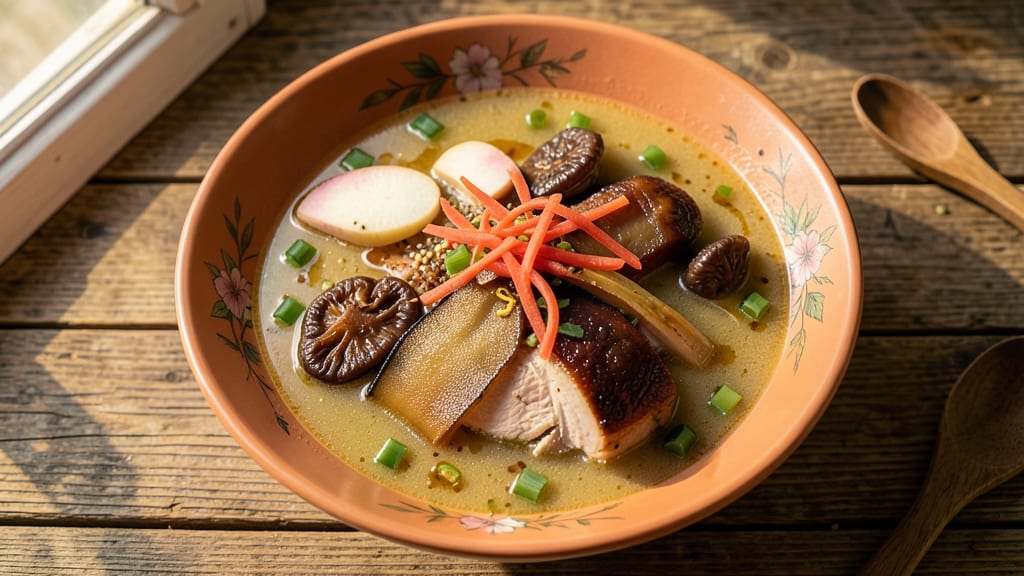
This abalone ginseng chicken soup delivers a symphony of umami and earthy warmth in every spoonful, blending traditional East Asian flavors with modern precision. The delicate abalone, slow-simmered with ginseng, transforms into tender, flavorful bites that harmonize with the rich broth and tender chicken.
What sets this recipe apart is the careful balance of textures and flavors—silky abalone, meaty chicken, and the subtle bitterness of ginseng that deepens as it simmers.
The foundation of this soup lies in its broth, where ginseng infuses the liquid with its medicinal depth, while abalone and chicken contribute their natural umami richness. Unlike quick broths, this requires patience—simmering for hours to develop layers of flavor that elevate each ingredient.
The result is a soup that’s both nourishing and deeply satisfying, perfect for chilly evenings or special occasions when you want to impress.
By the time you finish, you’ll have a bowl of soup that’s as visually appealing as it is delicious—golden broth with floating abalone slices, tender chicken pieces, and the aromatic steam of ginseng.
The delicate balance of flavors makes it a dish that feels both comforting and refined, ideal for pairing with steamed rice or a side of kimchi. This is a recipe that transforms a simple meal into an experience.
Whether you're preparing it for a family gathering or a quiet night in, the process is straightforward once you understand the key techniques—cleaning the abalone properly, simmering the ginseng just enough, and balancing the broth for maximum depth.
The effort is worth it for the rich, complex flavors that linger long after the last bite.
Ingredients for abalone ginseng chicken soup
Eight cups of aromatic broth plus tender abalone and ginseng—this recipe delivers restaurant-quality depth at home.
| Ingredient | Amount | Notes |
|---|---|---|
| Dried Abalone 🦪 | 4 oz | Rehydrated in water for 24 hours |
| Fresh Ginseng Root 🌿 | 2 pieces | Sliced into thin pieces (about 1/4-inch thick) |
| Chicken Thighs 🍗 | 1 ½ lb | Bone-in, skin-on preferred |
| Dried Shiitake Mushrooms 🍄 | 4 whole | Stems removed, rehydrated |
| Fresh Ginger Root 🌿 | 1 piece | Peeling removed, sliced thinly |
| Green Onions 🧅 | 4 whole | White and green parts separated |
| Dashi Powder 🍜 | 1 tbsp | For umami depth (or kombu + bonito flakes) |
| Soy Sauce 🥄 | 2 tbsp | Dark soy for color, light for flavor |
| Sesame Oil 🫒 | 1 tsp | For finishing aroma |
| Rice Wine 🍶 | ½ cup | Dry variety preferred |
| Water 💧 | 8 cups | Filtered preferred for clarity |
| Salt 🧂 | 1 tsp | Kosher or sea salt |
| White Pepper 🌶️ | ½ tsp | Freshly ground for subtle heat |
| Cornstarch 🌾 | 1 tbsp | For abalone thickening |
The abalone is the star, so look for dried pieces at Asian markets—they keep for months and rehydrate beautifully. Fresh ginseng root is ideal, but if you can't find it, dried ginseng slices work too. For the chicken, thighs stay juicier than breasts during long simmering. The shiitake mushrooms? Dried ones pack more flavor than fresh—just soak them in hot water for 20 minutes before adding. If you're short on time, pre-sliced abalone from a trusted supplier cuts prep work in half, though it's pricier.
No dashi powder? Combine 1 tbsp kombu powder with 1 tsp bonito flakes for homemade depth. Fresh ginger always wins, but dried ginger at half the amount gets you close. Short on rice wine? Dry sherry works perfectly. The abalone needs that cornstarch slurry—mix it with cold water first to avoid clumping. For extra richness, add a splash of mirin or coconut milk at the end. And if you're feeling adventurous, a pinch of white miso paste adds another umami layer.
Rehydrated abalone and mushrooms keep in the fridge for 3 days—use them up before they lose texture. The broth freezes beautifully for up to 3 months, though the abalone might get mushy. I like to make a double batch and freeze portions for lazy weeknights. Store ginseng root in a dry, airtight container—it stays potent for years. And if you're serving this to guests, garnish each bowl with sesame oil and green onions right before serving—the aroma alone makes it feel special.
Why You'll Love This Recipe
- One-Pot Magic: The chicken thighs and shiitakes soften right in the broth—no separate pots, no extra pans. Honestly, I just toss everything in, simmer, and let the abalone and ginseng do their work while I prep the table.
- Umami Bomb: That first sip? The abalone melts into the broth like liquid gold, while the fresh ginseng adds a warm, earthy depth. Between us, the ginger and shiitakes make it taste like a fancy restaurant—without the price tag.
- Weeknight to Holiday: Same recipe, different vibes. Serve it steaming in bowls for a cozy Tuesday night, or ladle it into individual cups for a special occasion. My in-laws think it’s homemade, but it’s really my secret weapon for effortless gatherings.
- Leftovers That Shine: The broth gets even richer overnight—perfect for reheating or using as a base for rice or noodles. I’ll be real: I make a double batch just so I can enjoy it for lunch the next day. (Yes, even on a Tuesday.)
Step-by-step instructions for abalone ginseng chicken soup
Here's how to create a velvety abalone soup with deep ginseng flavor and tender chicken.
Rehydrate and Prepare the Abalone and Shiitake Mushrooms
Place the 4 oz dried abalone in a bowl and cover with enough water to submerge completely. Let it soak for at least 24 hours, changing the water every 8 hours. This slow rehydration process ensures the abalone absorbs maximum flavor and becomes tender. You'll know it's ready when it plumps up and feels soft to the touch.
For the 4 whole dried shiitake mushrooms, remove the stems and place them in a separate bowl. Cover with hot water and let soak for 30 minutes. The mushrooms should expand significantly and become pliable. Drain both the rehydrated abalone and shiitake mushrooms, reserving the soaking liquid for later use in the broth.
Build the Umami-Packed Broth Base
In a large pot, combine the 8 cups water with the 1 tbsp dashi powder, 0.5 cup rice wine, and 1 tsp salt. Bring to a boil over high heat, then reduce to a simmer. Add the sliced 2 pieces fresh ginseng root and the peeled, thinly sliced 1 piece fresh ginger root. Let the broth simmer gently for 20 minutes to extract their earthy flavors.
Add the reserved soaking liquid from both the abalone and shiitake mushrooms. This liquid contains concentrated umami compounds that will deepen your broth's complexity. Stir in the 2 tbsp soy sauce (using 1 tbsp dark soy for color and 1 tbsp light soy for flavor) and the 0.5 tsp white pepper. The broth should smell rich and aromatic—this is where the magic happens.
Cook the Chicken and Vegetables
Add the 1.5 lb chicken thighs to the simmering broth. Skin-side up, they'll render fat that adds richness to the soup. Let the chicken simmer for 30 minutes, then carefully remove it and let it rest on a cutting board. The meat should be tender enough to pull apart easily with a fork, but still hold its shape.
While the chicken rests, add the rehydrated shiitake mushrooms (with stems removed) and the white parts of the 4 whole green onions to the broth. Simmer for an additional 10 minutes to infuse their flavors. The mushrooms should be tender but still hold their shape, and the onions should soften slightly but remain distinct.
Thicken the Abalone and Finish the Soup
In a small bowl, mix the 1 tbsp cornstarch with 2 tablespoons of cold water to create a slurry. Gently add the rehydrated abalone pieces to the simmering broth and cook for 5 minutes. Then, slowly pour in the cornstarch slurry while stirring continuously. The soup should begin to thicken immediately—this is where the abalone gets its signature silky texture.
Return the chicken to the pot, along with the green parts of the green onions. Cook for an additional 2 minutes to heat everything through and allow the chicken to absorb the rich flavors of the broth. Taste and adjust seasoning if needed—you might want to add a touch more soy sauce or salt to balance the flavors.
Serve with Finishing Touches
Ladle the soup into bowls, dividing the chicken among them. Drizzle each serving with 1 tsp sesame oil just before serving. The oil will create a delicate aroma and add a final layer of complexity to each spoonful. Garnish with additional green onion slices for freshness and color.
This soup should be served immediately while hot, as the abalone and chicken are at their peak tenderness. The broth will be rich and velvety, with the earthy depth of ginseng and the briny sweetness of abalone perfectly balanced. Each bite should deliver a harmonious blend of textures and flavors that make this a truly special dish.
Pro Tips For Making Abalone Ginseng Chicken Soup
- SOAK ABALONE 2 HOURS MINIMUM: I learned this the hard way—rushing the abalone soak means it’ll stay chewy no matter how long you simmer. Use cold water, change it once after 30 minutes, and resist the urge to skip this step. The texture difference is night and day.
- SLICE GINSENG THINLY AND SOAK: Thick ginseng slices take forever to soften and often turn mushy. Aim for 1-2mm slices, then soak in cold water for 15 minutes—this guarantees they’ll break down evenly without losing their earthy depth. (Yes, even if you’re impatient like me.)
- BROWN CHICKEN THIGHS FIRST: Skipping this step means bland, watery broth. Pat the thighs dry, sear them over medium-high heat until deeply golden (about 5-6 minutes per side), then remove. The Maillard reaction here is non-negotiable for flavor.
- USE SHIITAKES TWICE: Save the soaking liquid from your dried shiitakes—it’s packed with umami. After simmering the mushrooms in the broth, strain and reduce the liquid by half to intensify the flavor. This shortcut cuts prep time but makes a real difference.
Creative variations of abalone ginseng chicken soup
Korean-Inspired Twist
Transform this soup into a Korean-style abalone ginseng tang by adding 1 tbsp gochujang (Korean chili paste) and 1 tsp fermented seafood seasoning (dasida) to the broth. Serve with kimchi on the side and a drizzle of sesame oil for extra depth.
The gochujang adds a subtle heat that balances the earthy ginseng beautifully. 🌶️
Japanese Miso Fusion
For a Japanese-inspired version, replace the soy sauce with 1 tbsp white miso paste and add 1 tsp mirin to the broth. Swap the ginseng for shiitake mushrooms (already in the recipe) and garnish with toasted sesame seeds and thinly sliced scallions.
The miso adds a fermented umami that pairs perfectly with the abalone’s natural sweetness.
Vegetarian Adaptation
Skip the chicken entirely and use extra-firm tofu or shiitake mushrooms for protein. Increase the dried shiitake mushrooms to 6 whole and add 1 cup rehydrated wood ear mushrooms for texture.
Boost the broth with 1 tbsp vegetarian dashi and 1 tsp seaweed flakes for depth. The ginseng and abalone still shine as the star ingredients. 🌱
Spicy Coconut Variation
Add ½ cup coconut milk to the broth for a creamy twist, along with 1 tsp red curry paste and 1 sliced Thai chili. Top with fresh cilantro and lime wedges for a Southeast Asian-inspired bowl.
The coconut milk softens the ginseng’s earthiness while the chili adds a bright, spicy kick. Perfect for a tropical-inspired dinner. 🌴
Winter Comfort Version
For a hearty winter soup, double the ginseng to 4 pieces and add 1 cup rehydrated daikon radish (julienned) and 1 tsp grated fresh ginger.
Serve with steamed rice and a side of pickled vegetables for crunch. The extra ginseng deepens the broth’s warmth, making it ideal for cold weather. ❄️
Quick Weeknight Hack
Short on time? Use pre-cooked chicken thighs (rotisserie-style) and frozen abalone (thawed in cold water). Simmer the broth with 1 tsp ginseng tea powder (available at Asian markets) instead of fresh root.
The flavor is still rich, and the prep time drops to under 45 minutes. Perfect for busy nights! ⏰
Nutrition facts
Frequently asked questions
Can I substitute fresh abalone for dried in this recipe?
Fresh abalone works but requires different prep. Slice it 1/4-inch thick and sear in a hot pan for 1 minute per side before adding to the broth. Fresh abalone is more delicate and won't need the cornstarch slurry. Use 8 oz fresh instead of 4 oz dried to match the recipe's richness.
How do I find fresh ginseng root if I can't locate it?
Dried ginseng slices work perfectly—just increase to 3 tbsp and simmer for 30 minutes instead of 20 minutes to extract full flavor. Look for "red ginseng" at Asian markets or online. For a shortcut, use 1 tsp ginseng tea powder (steeped in the broth) though fresh root gives the best earthy depth.
Can I make this soup without chicken for a seafood-only version?
Replace the chicken with 12 oz scallops or 1 lb firm white fish (like cod or halibut). Add the seafood only in the last 5 minutes of cooking to prevent overcooking. For extra protein, include 8 oz shrimp (peeled and deveined) alongside the fish. The abalone and ginseng will still shine as the stars.
Why does my broth taste bitter after simmering?
Over-simmering releases ginseng's bitterness. Remove the ginseng pieces after 20 minutes (not 30+) and strain the broth before adding abalone. For extra sweetness, add 1 tsp honey or sugar during the last 5 minutes of cooking. The bitterness should balance perfectly with the abalone's natural brininess.
How long can I store leftovers and what's the best way to reheat?
Store in an airtight container for up to 3 days in the fridge. Reheat gently on low heat with a splash of water to prevent drying. For best texture, reheat only the broth separately and add the abalone and chicken just before serving. The abalone becomes rubbery if overcooked during reheating.