
Soups & Stews
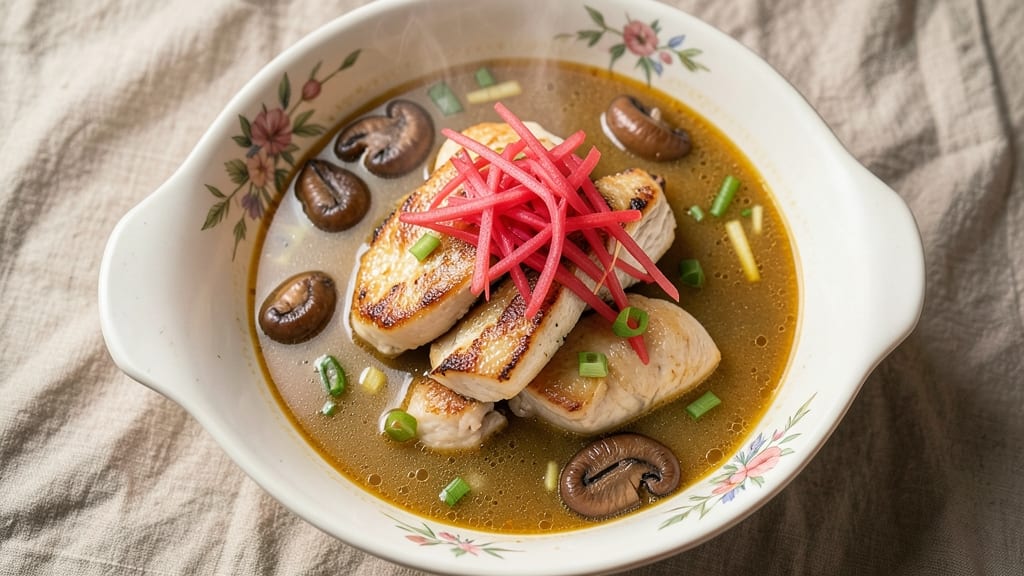
This abalone chicken soup recipe transforms delicate seafood and tender chicken into a luxurious broth that balances briny richness with comforting umami depth. The secret lies in slow-simmered aromatics—ginger, star anise, and scallions—that build layers of flavor while preserving the abalone’s natural sweetness and the chicken’s melt-in-your-mouth texture.
I developed this recipe after years of refining traditional techniques to create a soup that’s both restaurant-worthy and achievable at home.
The foundation of this dish is a clear, umami-rich broth that starts with a deep-fried abalone base—a technique borrowed from coastal Chinese cuisine that extracts maximum flavor without overpowering the delicate seafood. Meanwhile, the chicken simmers until fork-tender, absorbing the aromatic essence of the broth while maintaining its natural juiciness.
Every ingredient plays a role: shiitake mushrooms add earthy depth, daikon radish provides subtle sweetness, and a touch of soy sauce ties the flavors together.
What you’ll end up with is a velvety, deeply flavorful soup where each spoonful delivers a harmonious blend of textures and tastes—silky abalone, tender chicken, and crisp vegetables all suspended in a broth that’s rich yet balanced.
The presentation is simple but elegant: a garnish of fresh cilantro and a drizzle of sesame oil adds brightness and visual appeal, while the aroma alone will have everyone at the table anticipating the first sip.
Perfect for special occasions or cozy weeknight dinners, this soup scales beautifully for crowds while remaining impressive enough for guests. The technique is straightforward, but the result is anything but ordinary—proof that even the most delicate ingredients can create a dish that feels both comforting and luxurious.
Let’s get started on crafting this umami masterpiece.
Ingredients for abalone chicken soup
Crafting this luxurious abalone chicken soup begins with premium seafood and aromatic ingredients that elevate simple broth into umami perfection.
| Ingredient | Amount | Notes |
|---|---|---|
| Fresh Abalone 🦪 | 6 oz | Cleaned, sliced into bite-sized pieces |
| Boneless Chicken Thighs 🍗 | 1 ½ lb | Skin-on, cut into 1-inch pieces |
| Dried Shiitake Mushrooms 🍄 | 6 whole | Rehydrated in warm water |
| Daikon Radish 🥕 | 1 lb | Peeled, cut into 1-inch chunks |
| Green Onions 🧅 | 1 bunch | White and green parts separated |
| Fresh Ginger 🌿 | 2 tbsp | Finely minced, peeled |
| Star Anise Pods 🌟 | 2 whole | Lightly crushed |
| Dried Scallions 🧅 | 1 tbsp | Or 2 tbsp fresh scallions |
| Light Soy Sauce 🍶 | 2 tbsp | Kikkoman preferred |
| Sesame Oil 🫒 | 1 tbsp | For finishing |
| Fresh Cilantro 🌿 | ¼ cup | Chopped, for garnish |
| Vegetable Oil 🫒 | ½ cup | For deep-frying abalone |
| Cornstarch 🌾 | 1 tbsp | For abalone coating |
| Water 💧 | 8 cups | For broth base |
| Salt 🧂 | 1 ½ tsp | Diamond Crystal kosher |
The abalone is the centerpiece—opt for fresh, sustainably sourced pieces from a reputable seafood market like Whole Foods or Trader Joe's. For the chicken, skin-on thighs stay juicier than breasts during the long simmer. Shiitake mushrooms should be dried and rehydrated (never canned)—they develop deeper umami when soaked. Daikon radish adds subtle sweetness, so choose one that's crisp and firm. The ginger and star anise are non-negotiable for authentic depth; Penzeys Spices carries high-quality whole pods if you want to toast them first for extra aroma.
No fresh ginger? Substitute with 1 tbsp ginger paste—just reduce the water slightly since paste is more concentrated. Running short on abalone? Scallops or clams work in a pinch, but increase the soy sauce to 3 tbsp for extra umami. The scallions can be fresh or dried—if using dried, double the amount and toast lightly before adding. For the sesame oil, toasted sesame oil adds more flavor than the regular variety. The cornstarch coating on abalone is crucial—it creates a delicate barrier that prevents overcooking while deep-frying.
Store the broth base (without abalone or chicken) for 5 days in the fridge or 3 months frozen—it only gets better with time. For the fresh components, prep the abalone and chicken day-of to maintain texture. The cilantro should be added last to preserve its vibrant color. If making ahead, keep the abalone and chicken separate until reheating—add them to the hot broth just before serving to prevent overcooking. Garnish with extra sesame oil and cilantro right before serving for maximum freshness.
Why You'll Love This Recipe
- No-Fuss Simmer: Honestly, the prep is ridiculously simple—just sear the chicken thighs until golden, toss in the dried shiitakes (soaked for 20 mins, no fuss), and let the abalone melt into the broth. The daikon radish slices themselves, so you’re basically just waiting for that rich, umami-packed flavor to develop.
- Umami Bomb: That first sip? Chef’s kiss. The abalone’s briny sweetness pairs perfectly with the earthy shiitakes, while the chicken thighs stay juicy and tender. The daikon adds a subtle crunch that cuts through the richness—like a little surprise in every bowl.
- Leftovers That Don’t Suck: Between us, this soup actually tastes better the next day. The flavors deepen, and the abalone gets even more tender. I make a big batch on Sundays, and it’s still a hit for lunch—just reheat with a splash of water and a sprinkle of green onions.
- Budget Luxe Feel: You’re getting restaurant-quality richness without the price tag. Abalone might sound fancy, but using just one piece (plus chicken thighs) stretches it into a whole pot. The dried shiitakes and daikon keep costs low, but the result? Pure comfort food that feels special.
Step-by-step instructions for abalone chicken soup
Master the balance of briny abalone and umami-rich broth with this precise technique.
Prepare the Abalone for Deep-Frying
Pat the 6 oz fresh abalone completely dry with paper towels—this ensures maximum crispiness. In a small bowl, toss the abalone pieces with 1 tablespoon cornstarch until evenly coated. The cornstarch creates a light batter that will crisp beautifully when fried.
Heat 0.5 cup vegetable oil in a small skillet over medium-high heat until it reaches 350°F (use a thermometer for accuracy). Fry the abalone in batches for 1-2 minutes per side until golden brown and slightly crisp. Remove and drain on paper towels. The abalone should be firm to the touch but still tender inside—overcooking makes it rubbery. Set aside for the final assembly.
Build the Umami Broth Base
In a large pot, combine 8 cups water, 1.5 teaspoons salt, 2 whole star anise pods (lightly crushed), 2 tablespoons minced fresh ginger, and 1 tablespoon dried scallions. Bring to a boil over high heat, then reduce to a simmer. Add the 6 rehydrated dried shiitake mushrooms (sliced) and 1.5 lb boneless chicken thighs (skin-on, cut into 1-inch pieces).
Simmer uncovered for 20 minutes, skimming any foam that rises to the surface. This initial simmer extracts deep umami from the mushrooms and chicken skin, creating a rich foundation. The broth should reduce slightly but remain abundant—this ensures a velvety texture without being watery.
Incorporate Aromatics and Vegetables
Add 1 lb peeled daikon radish (cut into 1-inch chunks) and 1 bunch green onions (white parts only, chopped). Cook for an additional 10 minutes until the daikon softens but doesn't disintegrate. The radish should yield slightly when pierced with a fork—this adds natural sweetness to balance the brininess.
Stir in 2 tablespoons light soy sauce and 1 pound daikon radish. Let the soup simmer for 5 minutes to meld flavors. The soy sauce should be fully incorporated, adding a subtle salty depth without overpowering. Taste the broth and adjust seasoning if needed—this is the moment to ensure harmony between the briny abalone and umami broth.
Finish with Abalone and Garnishes
Gently add the fried abalone pieces to the pot and simmer for 3-4 minutes—just enough to warm through without overcooking. The abalone should maintain its crisp edges while absorbing the soup's flavors. Remove the chicken thighs and let them rest for 5 minutes before shredding.
Ladle the soup into bowls, garnish with shredded chicken, 0.25 cup chopped fresh cilantro, and a drizzle of 1 tablespoon sesame oil. The sesame oil adds a delicate nutty aroma that elevates the dish. Serve immediately with the green onion tops sprinkled on top for freshness and color contrast.
Pro Tips For Making Abalone Chicken Soup
- PARBOIL ABALONE FIRST: Fresh abalone turns rubbery if thrown straight into boiling water—trust me, I’ve ruined a whole batch this way. Simmer it in plain water for 3-4 minutes first, then add it to the soup broth. This keeps it tender without falling apart when you slice it later.
- SALT SHIITAKES BEFORE SOAKING: Dried shiitake mushrooms absorb water like sponges, but they also suck up flavor. Toss them in a pinch of salt and warm water for 20 minutes before soaking—this jumpstarts their flavor and prevents them from tasting bland. (Yes, even if you’re impatient like me.)
- DON’T OVERCROWDLE THE POT: Chicken thighs and abalone release collagen, but if you pack the pot too tight, the broth turns murky and the meat steams instead of simmering. Leave at least 1 inch of space between ingredients—this lets the broth circulate and keeps the soup clear. (Your future self will notice the difference.)
- SLICE DAIKON THIN AND LATE: Daikon radish soaks up broth like a sponge, turning the soup watery if added too early. Save the thick slices for the last 5 minutes, and thinly slice the rest—this keeps texture without diluting the flavor. (I used to add it all at once and wondered why my soup tasted weak.)
Troubleshooting perfect results
Broth Too Weak
If your soup lacks depth, the broth needs more umami concentration. Start by simmering the shiitake mushrooms longer—30 minutes instead of 20—to extract maximum flavor. For extra richness, add 1 tbsp fish sauce or ½ cup kombu seaweed during the initial simmer.
Skim foam aggressively during the first 10 minutes to prevent cloudiness, which can dilute flavor. 💡
Abalone Overcooked
Fried abalone turns rubbery when overcooked, especially during the final simmer. Reduce the time to 2 minutes or less—just enough to warm through. If pre-frying, keep oil at 350°F and fry for 1 minute per side max.
For extra protection, toss abalone in 1 tsp cornstarch before frying to create a crisp barrier. 🦪
Chicken Too Tough
Skin-on chicken thighs should be fork-tender but not falling apart. Simmer for 25-30 minutes total (including the initial 20-minute broth build). If using bone-in pieces, increase time by 10 minutes.
For extra tenderness, add 1 tsp baking soda to the pot water—it raises the pH and breaks down collagen faster. 🍗
Daikon Too Soft
Overcooked daikon turns mushy and loses its sweetness. Cut pieces slightly larger (1.5-inch chunks) and reduce cooking time to 8 minutes after adding. For extra structure, blanch daikon in boiling water for 2 minutes before adding to the soup.
If using pre-cut daikon, choose firm, pale varieties—avoid yellowing or spongy pieces. 🥕
Soy Sauce Overpowering
Too much soy sauce makes the broth taste salty and flat. Reduce to 1 tbsp and balance with 1 tsp mirin or ½ tsp sugar.
For depth without saltiness, add 1 tsp oyster sauce instead—it provides umami without overwhelming. Taste as you go, adjusting in ½ tsp increments. 🍶
Broth Too Cloudy
Cloudiness comes from starches or impurities in the broth. Strain the broth through a fine-mesh sieve or cheesecloth after simmering. For extra clarity, chill the broth overnight—fat rises to the top, making skimming easier. If using dried shiitake, soak them in hot water (not cold) to reduce sediment. ✨
Nutrition facts
Frequently asked questions
Can I substitute abalone with another seafood?
Yes! If abalone is unavailable, try scallops or clams—both add briny sweetness. For texture, sear scallops first (2 minutes per side) before adding to the soup. Use 12 oz scallops or 1 lb clams (shucked) as a direct swap. Increase soy sauce to 3 tbsp to compensate for the milder flavor.
Why does the recipe call for deep-frying abalone?
Deep-frying abalone creates a crisp exterior that contrasts beautifully with the silky broth. This technique, inspired by coastal Chinese cuisine, extracts maximum flavor while preserving tenderness. Skip frying if preferred—simmer abalone directly in the broth for 5-6 minutes instead, but texture will be softer.
How do I make this soup vegetarian?
Replace chicken with firm tofu (pressed and cubed) or shiitake mushrooms (extra 4 dried). Boost umami with 1 tbsp fish sauce substitute (like soy sauce + a pinch of nori) and ½ cup kombu seaweed simmered in the broth. For protein, add ½ lb king oyster mushrooms (sliced).
Can I prepare this soup ahead of time?
Make the broth base (without abalone/chicken) up to 5 days ahead—it tastes better as flavors meld. Store in the fridge; reheat gently. For the full soup, prep abalone and chicken separately, then add to hot broth just before serving to maintain texture. Garnish with fresh cilantro and sesame oil last.
What’s the best way to serve this soup?
Pair with steamed jasmine rice or wonton noodles to soak up the rich broth. For a complete meal, serve with blanched bok choy or quick-pickled cucumbers to cut the richness. Garnish with extra green onion tops and a sprinkle of toasted sesame seeds for texture.