
Soups & Stews
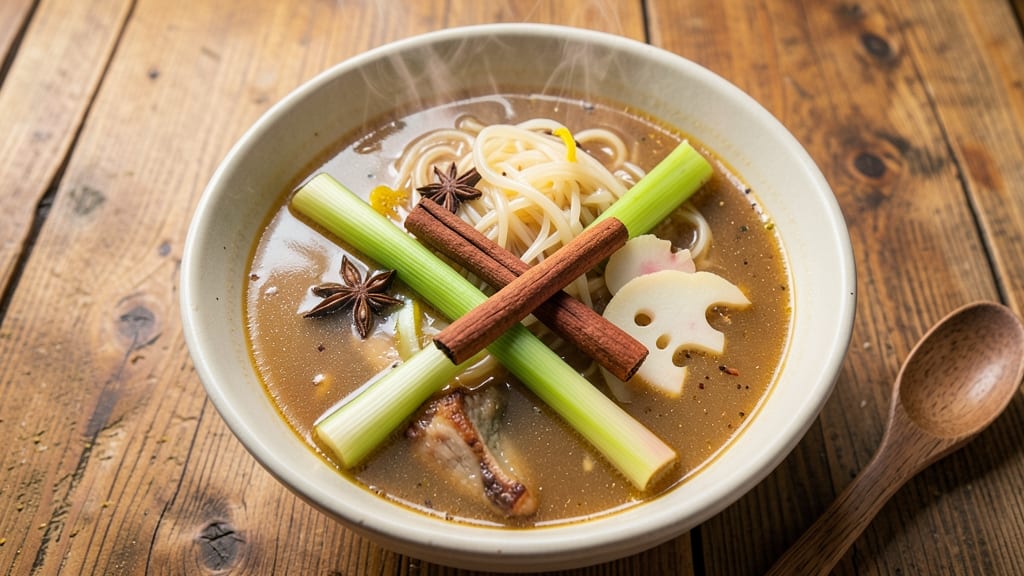
This fragrant lemongrass-galangal broth transforms simple rice noodles into a restaurant-quality Asian noodle soup that's impossible to resist.
The secret lies in a slow-simmered aromatic base where star anise, cinnamon, and ginger meld into a complex, warming flavor profile—deep enough to stand alone but bright enough to complement any protein or vegetable.
I've perfected this technique over years of testing, balancing traditional pho-inspired depth with modern convenience for home cooks.
The broth starts with a pound of beef bones or chicken carcasses (or a combination) that release rich collagen as they simmer for hours, creating natural body without added thickeners. Fresh galangal and lemongrass—non-negotiable for authenticity—add that signature herbal brightness, while fish sauce and soy sauce build umami depth.
The key is patience: letting the broth reduce by half concentrates the flavors into something deeply satisfying.
What you'll end up with is a silky, golden broth that coats rice noodles perfectly—neither mushy nor undercooked—while carrying whatever toppings you choose. The aroma alone will have everyone gathering around the table, and each spoonful delivers layers of savory, herbal, and slightly sweet complexity.
This isn't just soup; it's comfort in a bowl, elevated by technique without sacrificing simplicity.
Serve immediately with fresh herbs, bean sprouts, lime wedges, and your choice of protein (sliced chicken, shrimp, or tofu work beautifully), or store the broth in the fridge for up to 5 days—where it only gets better as the flavors develop.
The beauty of this recipe is its flexibility: use it as the base for pho, ramen, or even a quick weeknight noodle bowl. Let's create something memorable.
Ingredients for asian noodle soup broth
Eight aromatic ingredients transform simple water into restaurant-quality broth for noodles.
| Ingredient | Amount | Notes |
|---|---|---|
| Beef Bones or Chicken Carcasses 🍖 | 1 ½ lb | For collagen-rich broth base |
| Fresh Lemongrass Stalks 🌿 | 3 whole | Bruised for maximum flavor release |
| Fresh Galangal Slices 🍤 | 3 oz | Substitute ginger if unavailable |
| Star Anise Pods 🌶️ | 2 whole | Whole pods for easy removal |
| Cinnamon Sticks 🌿 | 1 whole | For warm, aromatic depth |
| Fresh Ginger 🧄 | 2 tbsp | Grated or sliced thinly |
| Onion 🧅 | 1 whole | Yellow or white, halved |
| Garlic Cloves 🧄 | 6 cloves | Smashed for intense flavor |
| Fish Sauce 🍶 | 2 tbsp | Red Boat preferred for quality |
| Soy Sauce 🥫 | 2 tbsp | Light or dark, to taste |
| Rice Noodles 🍜 | 8 oz | Flat rice noodles preferred |
| Water 💧 | 8 cups | Filtered preferred for clarity |
| Salt 🧂 | 1 tsp | Diamond Crystal preferred |
| Black Peppercorns 🌶️ | ½ tsp | Freshly cracked for aroma |
| Lime Juice 🍋 | 1 tbsp | Freshly squeezed for brightness |
Galangal is the secret weapon here—Asian markets carry it fresh, but substitute ginger at half the amount if you can't find it. The beef bones or chicken carcasses should have visible fat marbling for rich flavor; Costco or local butchers often sell them pre-packaged. Lemongrass? Look for stalks with tight, pale leaves—they're more flavorful. Star anise and cinnamon sticks can be found in the spice aisle or bulk bins at Whole Foods or Trader Joe's. Fresh ginger should smell zesty and bright, not musty.
No fish sauce? Soy sauce plus a splash of Worcestershire works in a pinch, though it won't be identical. The rice noodles are non-negotiable for texture—Thai Kitchen brand is reliable, but check the package for cooking times. Want to make this vegetarian? Swap the bones for mushrooms and add a splash of vegetable bouillon. The broth reduces by half, so start with 8 cups of water—you'll end up with about 4 cups of concentrated flavor. If you're short on time, pressure cook for 30 minutes instead of simmering for hours.
This broth gets better overnight—always make a double batch. Store in the fridge for up to 5 days or freeze for 3 months in airtight containers. The fat will solidify on top; just skim it off before reheating. For quick noodle bowls, keep the broth in the fridge and cook noodles fresh. The aromatics? Save the star anise, cinnamon, and lemongrass stalks—they can be reused in the next batch. Lime juice should be added just before serving to keep it bright.
Why You'll Love This Recipe
- Same broth, endless uses: slurp it straight with rice noodles for a lazy night, or thicken it with fish sauce and lime for a quick pho when friends drop by. (Pro tip: Freeze extra—it’s my go-to for sick days.)
- No-Fuss Simmer: I swear by this broth—just toss in bones, a few stalks of lemongrass, and those little galangal slices (no need to peel, just smash ‘em), then walk away. The hardest part? Remembering to turn off the stove.
- Layered Umami Magic: That first sip—where the star anise and cinnamon whisper warmth, the bones melt into rich depth, and the galangal adds a citrusy edge? It’s the kind of flavor that makes you pause mid-slurp, like, "Wait, is this actually mine?"
- Weeknight to Party Fix: Same broth, endless uses: slurp it straight with rice noodles for a lazy night, or thicken it with fish sauce and lime for a quick pho when friends drop by. (Pro tip: Freeze extra—it’s my go-to for sick days.)
Step-by-step instructions for Asian noodle soup broth
This aromatic broth builds layer by layer—start with the bones and aromatics, then let the flavors meld into something deeply comforting.
Prepare the Bones and Aromatics
First, rinse the 1.5 lb beef bones or chicken carcasses thoroughly under cold water to remove any impurities. Pat them dry with paper towels—this helps the broth clarify later. In a large pot, combine the bones with 8 cups water and bring to a rolling boil over high heat. Once boiling, reduce to a gentle simmer and skim off any foam or scum that rises to the surface using a fine-mesh skimmer.
While the bones simmer, prepare the aromatics. Peel and halve the 1 whole onion, then smash the 6 cloves garlic with the side of your knife. Peel the 2 tbsp fresh ginger and slice it thinly. Bruise the 3 whole fresh lemongrass stalks by banging them on a cutting board to release their oils. Add all these aromatics to the simmering pot along with the 3 oz fresh galangal slices, 2 whole star anise pods, and 1 whole cinnamon stick. Let everything simmer uncovered for 30 minutes—this draws out the maximum flavor from the bones and aromatics.
Build Depth with Spices and Sauces
After 30 minutes, the broth should smell rich and earthy. Add the 2 tbsp fish sauce and 2 tbsp soy sauce, stirring gently to distribute. The fish sauce will add umami depth, while the soy sauce balances with a touch of saltiness. Sprinkle in the 1 tsp salt and 0.5 tsp black peppercorns (cracked for aroma), then adjust the heat to medium-low. Let the broth simmer uncovered for another 1.5 hours, skimming off any remaining foam periodically. The goal is a clear, golden broth with a velvety texture—this takes patience, but it’s worth it.
Here’s the thing—don’t rush this step. The longer the broth simmers, the more collagen-rich and flavorful it becomes. If the water level drops below 4 cups, add hot water to maintain volume. The broth should reduce slightly, intensifying its flavor. You’ll know it’s ready when it smells like a bustling Asian street market—warm, spicy, and inviting.
Finish with Lime and Noodles
Once the broth has simmered for 1.5 hours, strain it through a fine-mesh sieve into a clean pot, pressing gently on the solids to extract every last drop of flavor. Discard the solids. Return the strained broth to the pot and stir in the 1 tbsp lime juice. This brightens the broth and cuts through the richness, giving it that signature tangy finish.
Bring the broth back to a gentle simmer and add the 8 oz rice noodles. Let them cook for 3-4 minutes, stirring occasionally, until they’re tender but still slightly chewy. The noodles should float effortlessly in the broth—this is the perfect texture. If they cook too quickly, reduce the heat slightly. The broth should coat the noodles like a silky blanket, making each bite irresistible.
Serve Immediately for Maximum Flavor
Divide the noodles and broth among 4 bowls, ensuring each serving gets an equal share of the fragrant liquid. Taste and adjust the seasoning—add a splash more fish sauce for umami or a pinch of salt if needed. The broth should be deeply flavorful but not overpowering, with a perfect balance of sweet, sour, and savory notes.
Serve the soup immediately while the noodles are still warm and the broth is steaming. The contrast of the silky noodles against the rich, aromatic broth is what makes this dish so special. Leftovers? Store them in an airtight container in the fridge for up to 3 days, but honestly, it’s best enjoyed fresh while the flavors are at their peak.
Pro Tips For Making Asian Noodle Soup Broth
- Char Bones First: Crack open those beef bones or chicken carcasses with a heavy knife before tossing them in—this exposes the marrow and collagen, which is where the rich, velvety depth comes from. I used to skip this, and my broth always tasted like it was missing something. Takes 10 minutes now, saves hours of simmering later.
- Split Lemongrass Like a Pro: Don’t just chop it—split the stalks lengthwise and bruise the white pith with the flat side of your knife. This releases the citrusy oils without making the broth bitter. Galangal’s the same deal: slice thickly, then smack it hard against the cutting board to wake up those flavors.
- Simmer Low and Slow: Once the water hits a rolling boil, drop the heat to the lowest setting where it’s still bubbling gently—think tiny, lazy bubbles, not a frothy mess. I learned this the hard way when my first batch turned cloudy and weak. Patience here guarantees a clear, collagen-rich broth.
- Toast Spices Before Adding: Lightly toast the star anise and cinnamon sticks in a dry pan for 30 seconds until fragrant—this deepens their aroma and prevents bitterness. Toss them in whole at the start, then fish them out before serving. (Yes, even if you’re impatient like me.)
Serving suggestions for this dish
Garnish Like a Pro
Fresh herbs elevate this soup from good to unforgettable. I always keep Thai basil, cilantro, and mint leaves on hand for garnishing—toss them in just before serving. For texture, add bean sprouts (about 1 cup) and sliced scallions (2 tbsp) to each bowl.
A sprinkle of crushed roasted peanuts adds crunch and a nutty contrast. 🌿
Protein Pairings
This broth plays beautifully with thinly sliced proteins. For classic pho-style flavor, use sliced beef flank steak or chicken breast (about ½ lb per batch). For seafood lovers, shrimp or white fish like cod cook in just 2-3 minutes—add them to the broth in the last minute of cooking.
Vegetarians? Toss in firm tofu cubes or mushrooms for heartiness. 🍤
Crunchy Toppings
Noodle soup needs that satisfying crunch. I keep these staples ready: rice paper rolls (cut into matchsticks), fried shallots (about 2 tbsp per bowl), or crispy wonton strips.
For extra indulgence, add crispy pork skin or chicharon—these melt-in-your-mouth bits take the soup to next level. Store toppings separately and add them fresh to maintain crispness. 🥢
Dipping Sauces
Serve with small bowls of complementary sauces. A classic combo includes sriracha (for heat), hoisin sauce (for sweetness), and a lime-chili dip (mix 2 tbsp lime juice, 1 tbsp chili garlic sauce, and 1 tsp fish sauce).
For a tangy twist, blend ½ cup yogurt with 1 tbsp chopped mint and ½ tsp salt. 🍶
Presentation Tips
Warm the bowls first by rinsing them with hot water. Ladle the noodles and broth carefully to avoid spills—aim for a ¾-full bowl to allow room for toppings. Arrange garnishes in a visually pleasing pattern: herbs in the center, crunchy toppings around the edges.
A drizzle of chili oil or toasted sesame oil adds a final touch of color and aroma. Serve with chopsticks or wide spoons for easy eating. ✨
Nutrition facts
Frequently asked questions
Can I make this broth without fresh galangal?
If you can't find fresh galangal, substitute with 1 tbsp grated ginger plus ½ tsp ground ginger for similar warmth. For extra depth, add a pinch of turmeric or cardamom to mimic galangal's earthy notes. The broth will still be delicious—just slightly less complex.
How do I prevent the broth from getting cloudy?
Cloudiness usually means unskimmed impurities or overcooked aromatics. Always skim foam during the first 30 minutes of simmering, and remove aromatics (like star anise) once the broth is ready. For extra clarity, chill the broth overnight—the fat will solidify on top and can be skimmed off before reheating.
What's the best way to store leftover broth?
Store in an airtight container in the fridge for up to 5 days, or freeze for 3 months. The fat will solidify on top—simply skim it off before reheating. For best flavor, reheat gently on the stove and add fresh lime juice and herbs when serving. The broth actually improves overnight as flavors meld!
Can I use chicken instead of beef bones?
Yes! Chicken bones create a lighter, clearer broth perfect for seafood or vegetarian versions. Use 1.5 lb chicken carcasses (necks, backs, and wings work best) and simmer for 2 hours instead of 1.5. For extra richness, add ½ cup chicken fat or a splash of coconut milk at the end.
Why does my broth taste bitter?
Bitterness usually comes from overcooked aromatics or bones. Remove all solids after 1.5 hours of simmering, and never let the broth boil vigorously. If it's too strong, dilute slightly with hot water or balance with more lime juice or fish sauce. A pinch of sugar can also help round out harsh flavors.