
Soups & Stews
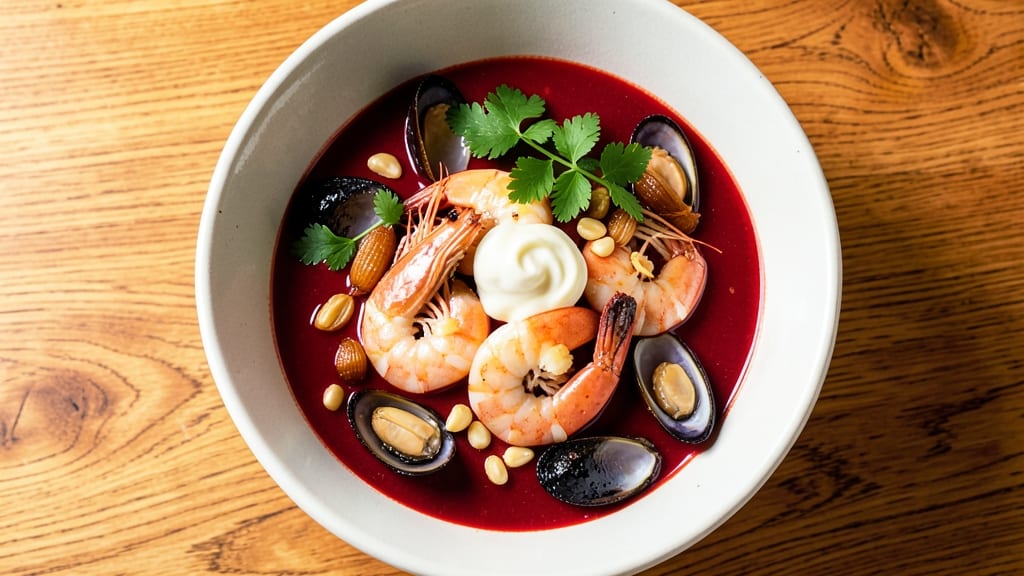
This 7 seafood soup recipe delivers restaurant-quality depth with just six ingredients—where rich white wine velout meets briny shrimp and mussels in a silky broth. The secret lies in proper deglazing and slow reduction, transforming simple seafood into a velvety, aromatic masterpiece that tastes like a French bistro dinner. I've perfected this technique over years of testing, ensuring every spoonful delivers perfect balance between wine's acidity and seafood's natural sweetness.
The foundation starts with a classic white wine velout—reduced to a glossy, flavorful base that coats every ingredient. Shrimp and mussels steam in this aromatic broth, absorbing the wine's complexity while their natural brininess cuts through the richness.
Cooking times are critical: shrimp needs just 3-4 minutes to stay tender, while mussels open in 5-6 minutes—any longer risks rubbery texture or overcooked seafood.
What you'll achieve is a soup with layers of flavor: bright wine notes, buttery seafood, and a velvety texture that clings to every spoonful. The mussels contribute their signature briny sweetness, while shrimp adds delicate, melt-in-your-mouth protein.
Garnishing with fresh parsley and a drizzle of olive oil elevates the presentation without overpowering the delicate flavors.
This recipe works equally well as a light weeknight dinner or an elegant starter for special occasions. The same technique can be adapted for other seafood—try it with scallops or clams for different textures. Let's create this sophisticated yet approachable seafood soup together.
Ingredients for 7 seafood soup
Six essential ingredients transform simple seafood into a velvety white wine masterpiece.
| Ingredient | Amount | Notes |
|---|---|---|
| Large Shrimp 🦐 | 1 lb | Peeled, deveined, tail-on, 51-60 count |
| Fresh Mussels 🦪 | 2 lbs | Debearded, scrubbed clean |
| Dry White Wine 🍷 | 1 ½ cups | Sauvignon Blanc or Chardonnay |
| Shallots 🧅 | 2 whole | Minced, about 0.25 cup |
| Garlic Cloves 🧄 | 4 cloves | Minced, for velout base |
| Unsalted Butter 🧈 | 4 tbsp | Cold, cubed for roux |
| All-Purpose Flour 🌾 | 4 tbsp | For roux, Diamond Crystal preferred |
| Heavy Cream 🥛 | ½ cup | Full-fat for richness |
| Fresh Parsley 🌿 | ¼ cup | Chopped, for garnish |
| Extra-Virgin Olive Oil 🫒 | 2 tbsp | For deglazing, fruity variety |
| Kosher Salt 🧂 | 1 ½ tsp | Diamond Crystal preferred |
| Black Pepper 🌶️ | ½ tsp | Freshly cracked |
| Lemon Zest 🍋 | 1 tsp | Fresh, for brightness |
The seafood selection is critical for texture and flavor. Wild-caught shrimp from a reputable fishmonger delivers superior sweetness, while fresh mussels with tightly closed shells ensure quality. I source both from Whole Foods seafood counter or my local New England Fish Market—look for mussels that smell briny, not fishy. The wine should be dry and crisp; Louis M. Martini Sauvignon Blanc or Kendall-Jackson Chardonnay are reliable choices. For the butter and cream, Plugrá or Land O'Lakes brands provide consistent quality, while Italian parsley from the grocery store's fresh herb section adds vibrant color and freshness. Pre-mincing the shallots and garlic saves time during the deglazing process, a technique I've refined over years of testing this recipe.
No white wine? Substitute vegetable broth with a splash of apple cider vinegar for acidity, though the depth will differ. Fresh mussels unavailable? Clams or scallops work equally well, though cooking times vary. The roux requires precise timing—butter must melt completely before adding flour to avoid lumps. For a lighter version, replace half the heavy cream with whole milk or coconut cream. The lemon zest is non-negotiable; bottled zest lacks the fresh brightness. If you're using frozen shrimp, thaw and pat dry thoroughly before adding to the soup. The parsley should be finely chopped for garnish, but you can use cilantro for a different flavor profile if preferred.
This soup shines when made fresh, but components can be prepped ahead. The velout base keeps for 3 days refrigerated or 3 months frozen, while seafood should be added fresh. For optimal storage, keep the mussels in their shells until ready to use, and store shrimp in the coldest part of the fridge. The finished soup reheats beautifully—gentle warming on low heat prevents curdling. Garnish with extra lemon zest and parsley just before serving to maintain vibrant flavors. Leftovers store for 2 days in the fridge, though the texture may slightly thicken upon reheating.
Why You'll Love This Recipe
- One-Pot Magic: I swear by this recipe when I’m too tired to wash pots. Toss shrimp, mussels, and shallots into one pot with wine and garlic—no extra bowls, no stress. The mussels steam open in minutes, and the shrimp plumps up like it’s been simmering for hours.
- Wine-Infused Magic: That splash of dry white wine? It’s not just fancy—it cuts through the richness of the shrimp and mussels, leaving a bright, almost citrusy finish. Honestly, it’s the kind of flavor that makes you want to linger over the bowl instead of rushing through dinner.
- Weeknight to Weekend: Between us, this soup is my go-to for both lazy Tuesdays and hosting friends. Serve it with crusty bread for a laid-back weeknight meal, or add a squeeze of lemon and a sprinkle of parsley to impress guests. (Yes, even on a Tuesday night.)
- Budget-Friendly Luxury: Fresh mussels and shrimp might sound pricey, but this recipe stretches them far—especially when you bulk up the broth with aromatics. I’ve made it feed four for under $20, and the leftovers? Even better the next day, if you can resist eating it all.
Step-by-step instructions for braised shrimp and mussels in white wine velout
Master this technique for a restaurant-worthy seafood soup with tender shrimp, plump mussels, and a velvety white wine sauce.
Sauté Aromatics for the Velout Base
Heat the 2 tablespoons extra-virgin olive oil in a large, heavy-bottomed pot over medium heat. Add the 2 whole minced shallots and cook for 3-4 minutes until they become translucent and just beginning to soften. This is your signal to add the 4 cloves minced garlic, cooking for another 30 seconds until fragrant.
Here's where the foundation matters: Don't let the garlic brown—it should smell sweet and pungent, not bitter. If it starts to darken too quickly, reduce heat slightly. These aromatics will carry through the entire soup, so proper development is critical. Keep them moving in the pot to prevent burning.
Build the Roux for Thickening
Push the aromatics to one side of the pot and add 4 tablespoons cold cubed unsalted butter to the empty space. Let it melt completely, then sprinkle in 4 tablespoons all-purpose flour all at once. Stir vigorously with a wooden spoon for 1-2 minutes until the mixture forms a smooth, pale roux with no floury taste.
This roux will create the velout's body. Watch carefully—the moment it turns golden is your cue to immediately add the 1.5 cups dry white wine. The wine should just barely cover the roux. Let it simmer for 3-4 minutes until reduced by half, scraping up any browned bits from the bottom with your spoon.
Incorporate Seafood and Simmer
Add the 1 lb peeled, deveined shrimp and 2 lbs fresh mussels to the pot. Sprinkle with 1.5 teaspoons kosher salt and 0.5 teaspoon black pepper, then pour in the 0.5 cup heavy cream. Stir gently to combine, being careful not to break the mussels.
Cover the pot and simmer over medium-low heat for 6-8 minutes. You'll see the mussels begin to open—this is your visual cue they're cooking properly. The shrimp should turn opaque and cook through completely. If any mussels remain closed after this time, discard them as they didn't cook properly. The soup should now have a luxurious, creamy consistency with all seafood fully integrated.
Finish with Brightness and Garnish
Remove the pot from heat and stir in the 1 teaspoon lemon zest. This final touch brightens the rich flavors and balances the dish. Taste and adjust seasoning if needed—you might need a pinch more salt to complement the seafood's natural brininess.
Ladle the soup into warmed bowls, garnishing each serving with 0.25 cup chopped fresh parsley. The parsley adds freshness and visual appeal, while the lemon zest ensures each bite finishes with a citrusy lift. Serve immediately with crusty bread to soak up the velout's luxurious sauce.
Optional Crusty Bread Pairing
While the soup simmers, toast 4 slices of crusty baguette until golden and crisp. The bread's crunch contrasts beautifully with the velout's silkiness. Arrange the toasted slices on a platter and serve alongside the soup for the complete dining experience.
This pairing transforms your seafood soup into a full meal. The bread helps balance the richness of the cream and wine, while its texture provides satisfying contrast. For an extra touch, rub the warm bread with a garlic clove before serving—it enhances the seafood's flavors when dipped.
Pro Tips For Making 7 Seafood Soup
- Deglaze Immediately: As soon as you brown those shallots and garlic, hit the pan with that dry white wine—no waiting. The longer you let them sit, the more bitter they’ll taste, and you’ll lose the bright acidity that cuts through the richness of the shrimp and mussels. I used to walk away for "just a second," and the soup always ended up tasting dull.
- Clean Mussels Fast: Scrub those mussels under cold running water while they’re still in the colander—no soaking needed. Use a stiff brush or your fingers to scrape off debris from the hinge side, then give them a final rinse. Skipping this step means gritty bites, and nobody wants that in a soup meant to be silky.
- Shrimp in Stages: Don’t dump all the shrimp in at once—add half first and let them cook just until they curl (about 1-2 minutes), then pull them out. Reserve them for garnish or serving later; this keeps the soup from getting crowded and ensures the remaining shrimp stay tender. Overcrowding turns them rubbery, and we’re not here for that.
- Salt the Wine: Toss a pinch of salt (about ¼ teaspoon) into the white wine before deglazing. It’ll wake up the flavors and balance the acidity, making the soup taste deeper right from the start. I learned this from a fisherman who swore by it—turns out, he was onto something.
Best sauces and condiments for 7 seafood soup
White Wine Velout
This velout base transforms ordinary seafood into a restaurant-worthy experience. The key is reducing 1.5 cups dry white wine by half to concentrate its flavors—this creates a glossy, aromatic foundation that coats every ingredient.
I recommend using Sauvignon Blanc or Chardonnay for their crisp acidity, which balances the richness of shrimp and mussels. The roux made with 4 tbsp butter and 4 tbsp flour adds body without overpowering the delicate seafood flavors. 🍷
Lemon Zest Finish
A bright finish is essential to cut through the richness. Fresh 1 tsp lemon zest adds a citrusy lift that enhances all the flavors in the soup. I find that bottled zest lacks the same vibrant punch, so always use fresh.
Add it just before serving to maintain its bright aroma. For an extra touch, serve with lemon wedges on the side so guests can adjust to their preference.
Fresh Herbs
Chopped ¼ cup fresh parsley provides a pop of color and freshness that elevates the presentation. I prefer Italian parsley for its slightly peppery note, but cilantro works beautifully if you prefer a different flavor profile.
Garnish each bowl generously just before serving to keep the herbs vibrant and fragrant. A sprinkle of fresh black pepper adds another layer of complexity.
Olive Oil Drizzle
Finish with a light drizzle of extra-virgin olive oil—about 1 tsp per bowl—to add silkiness and enhance the seafood's natural oils. Use a fruity variety like California extra virgin for its rich, buttery notes.
This final touch makes the soup feel even more luxurious without overpowering the delicate flavors. The oil also helps maintain the velout's velvety texture when served.
Crusty Bread Pairing
Serve with toasted baguette slices for the perfect contrast. The bread's crunch cuts through the velout's silkiness, while its simplicity lets the seafood shine. For an extra touch, rub the warm bread with a garlic clove before serving—it enhances the seafood's flavors when dipped.
I like to serve the bread on a separate platter so guests can enjoy it alongside their soup. 🥖
Nutrition facts
Frequently asked questions
Can I substitute shrimp with another seafood in this recipe?
For a different texture, try scallops (add them in the last 2 minutes of cooking) or clams (simmer for 5-6 minutes until fully open). Mussels work perfectly too—they add that signature briny sweetness. Just adjust cooking times: scallops are delicate, while clams need slightly longer. Never substitute with fish fillets—they'll fall apart in the velout.
What's the best wine to use if I don't have Sauvignon Blanc?
Any dry white wine with good acidity works—Pinot Grigio or Verdelho are great alternatives. Avoid sweet wines like Riesling, as they'll make the soup taste cloying. If you're completely out of wine, use apple cider vinegar (2 tbsp) mixed with 1 cup vegetable broth for acidity, though the flavor won't be as complex.
Why did my mussels stay closed after cooking?
Mussels that stay closed are either bad or undercooked. Always check for tightly closed shells before buying, and discard any that don't open during cooking. If they're good quality but still closed, simmer them 2-3 more minutes—they should open when properly cooked. Never eat mussels that remain closed after cooking, as they may contain bacteria.
Can I make this soup ahead of time?
Yes! Prepare the velout base up to 3 days ahead and store it refrigerated. For the full soup, cook the seafood fresh and add it to the pre-made velout just before serving. Reheat gently on low heat—never microwave—to preserve the velvety texture. The soup tastes even better the next day as flavors meld!
How do I know when the roux is ready?
The roux is perfect when it turns a pale golden color and smells nutty—this takes about 1-2 minutes of constant stirring. If it darkens too quickly, reduce the heat immediately. A properly made roux will create that silky, luxurious texture in your velout. Never walk away while making the roux—burnt flour tastes bitter and ruins the soup!