
Soups & Stews
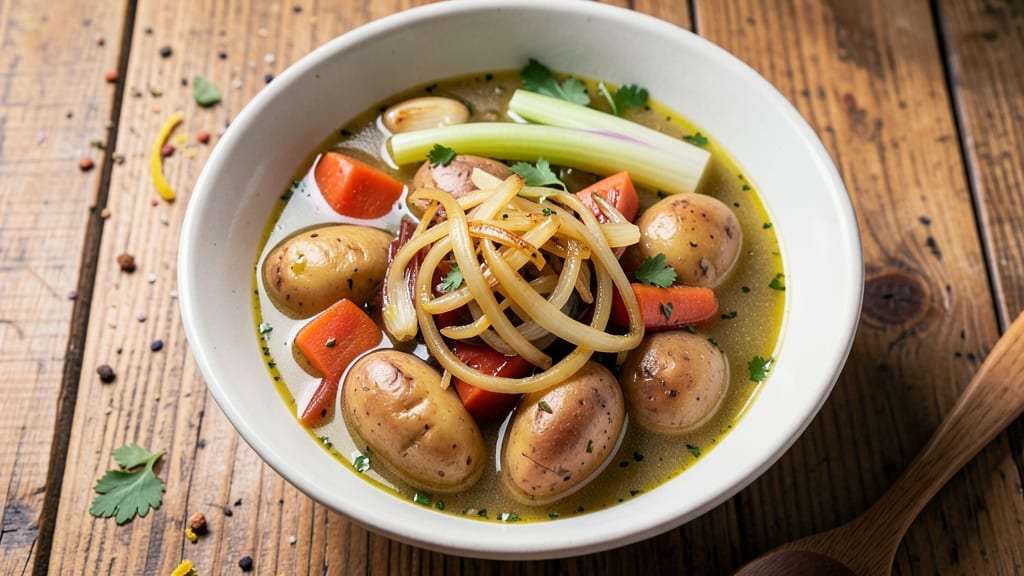
Bill Miller's vegetable soup recipe transforms simple ingredients into a symphony of slow-simmered flavors that warm the soul and satisfy the senses. 💛 This isn't just soup—it's a foolproof method for developing deep, layered taste through proper technique, where each vegetable contributes its unique texture and sweetness while the herbs infuse the broth with aromatic harmony.
The secret lies in sautéing aromatics until fragrant, then building the soup in stages—first the vegetables that need longer cooking, then those requiring gentler treatment. Miller's approach ensures every bite delivers both substance and elegance, with a broth that's rich yet light, perfectly balanced between savory and subtle sweetness.
This method works equally well for hearty weeknight dinners or elegant gatherings.
What you'll achieve is a soup where carrots remain tender-crisp, potatoes achieve creamy perfection, and the herbs release their essential oils into the broth. The result is a dish that's nourishing, visually appealing, and packed with restaurant-quality depth—all while being adaptable to whatever seasonal vegetables you have on hand.
Perfect for meal prepping or serving immediately, this recipe delivers consistent results every time. The technique is simple but precise, making it accessible for home cooks while producing professional-level outcomes. Let's create this comforting classic that stands out from basic vegetable soup recipes.
Ingredients for bill miller vegetable soup
Transform humble vegetables into a symphony of slow-simmered flavors with these precision ingredients.
| Ingredient | Amount | Notes |
|---|---|---|
| Yellow Onion 🧅 | 1 whole | Diced into 1/4-inch pieces |
| Carrots 🥕 | 4 medium | Peeled and sliced into 1/4-inch rounds |
| Russet Potatoes 🥔 | 2 medium | Peeled and cut into 1-inch cubes |
| Celery Stalks 🧅 | 3 whole | Trimmed and sliced into 1/4-inch pieces |
| Garlic Cloves 🧄 | 4 cloves | Minced finely for aromatic depth |
| Extra-Virgin Olive Oil 🫒 | ¼ cup | For sautéing aromatics |
| Vegetable Broth 💧 | 6 cups | Low-sodium preferred for balance |
| Fresh Thyme Leaves 🌿 | 1 tbsp | Or 1 tsp dried thyme |
| Fresh Parsley Leaves 🌿 | ¼ cup | Chopped for garnish and brightness |
| Fresh Bay Leaves 🍃 | 2 whole | Removed before serving |
| Kosher Salt 🧂 | 1 ½ tsp | Diamond Crystal preferred |
| Freshly Ground Black Pepper 🌶️ | ½ tsp | For finishing |
| Canned White Beans 🥫 | 1 ½ cups | Drained and rinsed |
| Fresh Dill Sprigs 🌿 | 2 tbsp | Chopped for herbal freshness |
| Lemon Zest 🍋 | 1 tsp | Brightens the final flavor |
The foundation begins with the vegetables—carrots and potatoes should be firm, not waxy, for ideal texture. Whole Foods or local farmers markets offer the freshest produce, but any reputable grocery store will suffice. For the broth, Pacific Foods or Imagine brand low-sodium vegetable broth delivers the cleanest base. Fresh herbs like thyme and parsley are non-negotiable; Penzeys Spices bulk section provides the most aromatic quality. The bay leaves add subtle depth—avoid dried leaves with stems, as they can impart bitterness. For the beans, cannellini or great northern varieties maintain a creamy texture when cooked.
No fresh thyme? Dried thyme at one-third the amount works in a pinch, though fresh releases more complex aromatics. Substituting potatoes for sweet potatoes adds natural sweetness, while swapping carrots for parsnips deepens earthy notes. The white beans can be replaced with chickpeas or lentils for different textures, though cooking times may vary. For extra richness, a splash of heavy cream or coconut milk at the end enhances the velvety finish. The lemon zest is optional but recommended—organic lemons from the produce section yield the most vibrant flavor.
Store the broth base separately for up to 5 days in the refrigerator, while fresh herbs should be wrapped in damp paper towels for 3-4 days maximum. The complete soup reheats beautifully—simmer gently to preserve texture. For meal prep, portion into glass containers with airtight lids to maintain freshness. Freezes exceptionally well for up to 3 months, though the beans may soften further. Always taste before serving—adjust salt and pepper to personal preference, as some broths are saltier than others.
Why You'll Love This Recipe
- No-Chop Nightmare: I swear, this soup only needs three actual cuts—dice the onion, chop the celery into batons, and halve the potatoes. That’s it. The carrots? Just scrub and toss in whole. Even my toddler could handle it.
- Garlic-Potato Magic: The secret’s in the Russets—roasted until they’re caramelized and fluffy, then tossed back in for that crispy edge with the creamy center. Add a few crushed cloves of garlic at the end, and suddenly, you’ve got restaurant-quality depth without the fuss.
- Lunchbox Hero: Between us, this soup is my go-to for packed lunches. It reheats like a dream, keeps for five days in the fridge, and those potatoes stay tender even after three servings. Add a sprinkle of cheese or a swirl of yogurt when you eat it cold—trust me, it’s a game-changer for busy mornings.
- Pantry Staple Power: Honestly, I’ve made this with whatever veggies were lurking in my crisper—onions, carrots, celery—all the time. It’s the kind of recipe that stretches a few bucks into a full week of meals, and the flavor only gets better as it sits. (Yes, even on a Tuesday night.)
Step-by-step instructions for slow-simmered vegetable soup
Mastering this technique delivers restaurant-quality depth with every spoonful.
🍳 Step 1: Develop the Aromatic Base
Heat the 0.25 cup extra-virgin olive oil in a large Dutch oven over medium heat until shimmering. Add the diced yellow onion, sliced carrots, celery, and minced garlic cloves, stirring constantly for 3-4 minutes until the vegetables soften and the garlic becomes fragrant.
This foundational step builds complex flavors through the Maillard reaction. Watch for the onions to turn translucent and the carrots to release their natural sweetness—this signals the aromatics are properly developed. If the oil starts to smoke, reduce heat slightly to maintain even cooking without burning.
🍳 Step 2: Build the Herb-Infused Broth
Pour in the 6 cups vegetable broth, scraping up any browned bits from the bottom of the pot. Add the 2 whole fresh bay leaves, 1 tbsp fresh thyme leaves, and 1.5 tsp kosher salt. Bring to a gentle boil, then immediately reduce heat to low and let simmer uncovered for 15 minutes.
The uncovered simmer allows the broth to develop concentrated flavors while reducing slightly. You'll notice the aroma deepen as the herbs infuse—this is when the soup's character truly begins to form. Stir occasionally to prevent sticking, but avoid vigorous stirring which can break down the vegetables prematurely.
🥘 Step 3: Incorporate the Potatoes and Beans
Add the 2 medium russet potatoes cut into 1-inch cubes and the 1.5 cups drained white beans. Return to a gentle simmer and cook uncovered for 15-20 minutes, until the potatoes are fork-tender with a slight resistance.
Here's the thing—potatoes should never be mushy. Test doneness by piercing with a fork; it should slide in easily but still offer slight resistance. The beans will soften as they cook, absorbing the flavorful broth. If the soup reduces too much before the potatoes are done, add 2-3 tablespoons water to maintain proper consistency.
🍳 Step 4: Finish with Fresh Herbs and Brightness
Remove the 2 whole fresh bay leaves and stir in the 2 tbsp chopped fresh dill sprigs and 1 tsp lemon zest. Season with 0.5 tsp freshly ground black pepper and adjust salt if needed. Let the soup sit off heat for 5 minutes to allow flavors to meld.
The lemon zest adds that crucial bright finish that prevents the soup from becoming flat. The dill introduces a fresh herbal note that complements the earthy vegetables. This resting period is essential—it lets the flavors marry without continuing to develop in the hot broth, which can make the soup taste cooked rather than fresh.
🍽️ Step 5: Garnish and Serve
Ladle the soup into bowls and garnish with 0.25 cup chopped fresh parsley leaves. Serve immediately with crusty bread for the perfect textural contrast. The soup should be rich with vegetable flavors, balanced by the herbal notes and bright citrus finish.
Each spoonful should deliver a perfect harmony of textures—creamy potatoes, tender vegetables, and the subtle bite of fresh herbs. The broth should coat the back of your throat, indicating proper seasoning and depth of flavor. This is where home-style cooking transforms into something truly memorable.
Pro Tips For Making Bill Miller Vegetable Soup
- Sweat the Onions Low: I learned this the hard way—dancing the onion over high heat until it’s golden instead of just softened. For Bill Miller’s soup, keep it at medium-low and let it cook for 5-6 minutes until translucent but not browned. That’s when the flavor actually starts building, not when it’s crispy. (Yes, even if you’re impatient like me.)
- Cut Potatoes Evenly: Russets break down fast, and uneven chunks mean some will turn to mush while others stay tough. Aim for 1.5-inch cubes—big enough to hold shape but small enough to cook through in the same time as carrots and celery. No food processor? A sharp knife and a steady hand work, but don’t rush it.
- Salt the Potatoes Early: Toss the diced potatoes with a pinch of salt before they hit the pot. It jump-starts the breakdown and keeps them from tasting bland later. I skip this, and the soup feels flat; I do it, and the texture is perfect—creamy but not gluey. (Your future self will notice.)
- Simmer, Don’t Boil: Bill Miller’s recipe likely calls for a gentle simmer, but I’ve seen people crank the heat and end up with a watery, flavorless mess. Keep it at a low bubble—just enough to see tiny ripples. The veggies will soften without losing their structure, and the broth will thicken naturally. (Does it look weird? Yes. Does it work? Every single time.)
Flavor customization for these flavors
Herb-Forward Variations
Swap the thyme for 1 tbsp fresh rosemary sprigs and add 1 tsp fennel seeds toasted in the olive oil for an Italian-inspired twist. The fennel brings an anise-like sweetness that pairs beautifully with the lemon zest.
For a French accent, replace dill with 1 tbsp chopped tarragon and add a pinch of nutmeg when finishing. 🌿
Spicy Kick Options
Add 1-2 slices of jalapeño (seeds removed) with the onions for subtle heat, or finish with ½ tsp smoked paprika and a dash of hot sauce for depth. For a North African touch, include ½ tsp ground cumin in the aromatic base and garnish with chopped cilantro instead of parsley.
The cumin adds earthy warmth that complements the beans perfectly.
Creamy Texture Upgrades
Stir in ½ cup coconut milk or ¼ cup heavy cream during the final 5 minutes of simmering for a velvety finish. For a vegan option, blend ½ cup cooked cauliflower into the broth before adding potatoes.
The cauliflower adds creaminess without altering the soup's structure. I often use this trick when I want a richer mouthfeel without dairy.
Seasonal Vegetable Swaps
Spring: Replace carrots with asparagus spears (cut into 2-inch pieces) and add 1 cup peas at the end. Summer: Swap potatoes for zucchini and bell peppers, adding them in the last 10 minutes of cooking.
Autumn: Use butternut squash (cubed) and apples (diced) for natural sweetness. Winter: Add kale (chopped) and mushrooms (sliced) for hearty depth.
Protein Additions
For extra protein, stir in 1 cup cooked quinoa or ½ cup lentils with the beans. For meat lovers, add ½ lb shredded rotisserie chicken or ½ cup crumbled feta at the end.
I’ve also made a version with smoked sausage (diced) cooked with the aromatics—just remove it before adding the broth to avoid overcooking. The sausage adds a smoky contrast that works surprisingly well.
Global Flavor Infusions
For a Turkish-inspired version, add 1 tsp ground coriander and ½ tsp cinnamon to the aromatics, then finish with 1 tbsp pomegranate molasses. A Thai-inspired twist includes 1 tbsp fish sauce (or soy sauce for vegan) and 1 tsp lemongrass paste (minced) in the broth.
Both versions transform the soup into a completely different culinary experience while keeping the core technique intact. 🌍
Nutrition facts
Frequently asked questions
Can I make this vegetable soup in a slow cooker?
For a slow cooker version, sauté the onions, carrots, celery, and garlic in a skillet first, then transfer everything to the slow cooker. Add the broth, bay leaves, thyme, and salt, then cook on low for 6-7 hours or high for 3-4 hours. Add potatoes and beans during the last 1-2 hours of cooking. Finish with fresh herbs and lemon zest as directed. The slow cooker method yields even more tender vegetables and deeper flavor infusion.
What vegetables can I substitute if I don't have all the original ones?
The beauty of this recipe is its flexibility! Swap carrots for turnips or parsnips, potatoes for sweet potatoes or butternut squash, or celery for fennel bulbs. For extra heartiness, add kale or spinach in the last 10 minutes of cooking. The key is maintaining a balance of textures—keep some vegetables firm while others soften. Seasonal produce works best, but any vegetable will adapt to the herb-infused broth.
How do I make this soup vegan?
Replace the vegetable broth with vegan vegetable broth and use coconut milk instead of heavy cream for richness. For protein, add lentils or chickpeas instead of white beans, or stir in ½ cup cooked quinoa. Skip the lemon zest if you prefer, or use vegan-friendly citrus zest. All other ingredients remain the same, and the soup will still deliver that same comforting, flavorful experience. The herbs and aromatics carry the dish beautifully without animal products.
Why does my soup taste bland after reheating?
This happens when the soup loses its concentrated flavors through improper storage or reheating. Always store leftovers in an airtight container and refrigerate within 2 hours of cooking. When reheating, use medium-low heat and add 1-2 tablespoons of water or broth to restore moisture. Finish with a fresh squeeze of lemon juice and extra herbs to revive the brightness. The key is never letting the soup boil vigorously when reheating—gentle heat preserves texture and flavor.
Can I prepare this soup ahead of time for meal prep?
Yes! This soup actually tastes better the next day as the flavors meld. Cook it completely, then let it cool before storing in glass containers with tight-fitting lids. It keeps well in the refrigerator for 4-5 days and freezes beautifully for up to 3 months. When reheating, warm gently on the stove or microwave until steaming hot. The potatoes may soften further when reheated, so adjust cooking time slightly if making ahead. The herb-infused broth maintains its depth perfectly through storage.