
Soups & Stews
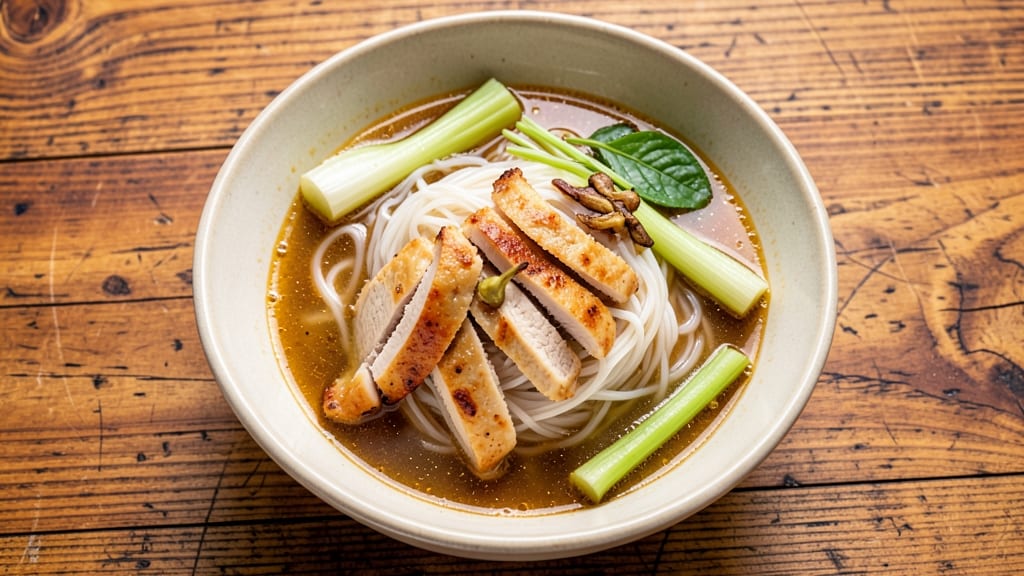
This bihun soup recipe transforms delicate glass noodles into a luxurious, crisp-edged delight that balances silky texture with satisfying crunch. The secret lies in the crispy celery crowns—thinly sliced and fried to golden perfection—while a rich, aromatic broth ties everything together.
I first discovered this technique during a Malaysian homestay, where the contrast between tender noodles and crispy toppings became an obsession.
The foundation of great bihun soup starts with a well-balanced broth—whether you choose a light chicken base or a bold seafood-infused version, the key is simmering aromatics like lemongrass, galangal, and kaffir lime leaves.
These ingredients infuse the liquid with layers of citrusy, earthy flavor that elevate the dish beyond ordinary noodle soup. The noodles themselves cook in just 3 minutes, so timing is everything to maintain their signature glass-like texture.
What makes this recipe truly special is the crispy celery crowns—each slice fried until paper-thin and golden, then scattered over the hot soup to create that addictive crunch. The combination of tender noodles, savory broth, and crispy garnishes delivers a harmony of textures that keeps every bite exciting.
This is the kind of dish that transforms an ordinary meal into a memorable experience, perfect for both weeknight dinners and special occasions.
The beauty of bihun soup lies in its versatility—add protein like shrimp, chicken, or tofu, or keep it vegetarian for a lighter option. The crispy celery crowns can be prepared ahead and stored in an airtight container, making this a foolproof recipe that always delivers restaurant-quality results.
Let's bring this Malaysian classic to your kitchen.
Ingredients for bihun soup
The essence of Malaysia’s crispy glass noodle soup begins with these aromatic, textural ingredients.
| Ingredient | Amount | Notes |
|---|---|---|
| Bihun Noodles (Glass Noodles) 🍜 | 8 oz | Dried, uncooked glass noodles |
| Celery Stems 🧅 | 2 whole | Thinly sliced into crowns |
| Vegetable Oil 🫒 | ½ cup | High smoke point preferred |
| Chicken Breast 🍗 | 1 lb | Boneless, skinless, cubed |
| Chicken Broth 💧 | 4 cups | Homemade or high-quality |
| Galangal 🌿 | 3 inch | Fresh, peeled, sliced thin |
| Lemongrass 🌿 | 3 stems | Bruised, cut into 2-inch pieces |
| Kaffir Lime Leaves 🍋 | 4 whole | Fresh, torn into pieces |
| Garlic Cloves 🧄 | 6 cloves | Minced, fresh preferred |
| Shallots 🧅 | 4 whole | Minced, or sub with onion |
| Fish Sauce 🍶 | 1 tbsp | Red Boat preferred |
| Soy Sauce 🥢 | 1 tbsp | Light or dark preferred |
| Sugar 🍚 | 1 tsp | White or brown preferred |
| Salt 🧂 | 1 tsp | Kosher or sea salt |
| Green Onions 🧅 | 3 whole | Thinly sliced, for garnish |
The galangal and lemongrass are non-negotiable for that signature citrusy, earthy depth. Asian markets carry the freshest galangal—look for firm, knobby roots with vibrant color. If you can't find it, ginger at half the amount works in a pinch, though purists will notice the difference. Kaffir lime leaves add a floral aroma; freeze any extras to preserve their potency. The celery crowns require patience—slice them paper-thin (about 1/16-inch) for that perfect crisp. Trader Joe's often carries pre-sliced celery, but homemade is worth the effort.
No fish sauce? Soy sauce plus a splash of lime juice mimics the umami punch. Short on lemongrass? Double the lime zest to compensate. The chicken broth can be subbed with vegetable broth for a vegetarian version, though the depth of flavor will differ. For the celery crowns, reheat in a dry pan for 30 seconds before serving to restore crispness. The glass noodles cook in mere minutes—overcooking turns them mushy, so keep a timer handy. Store-bought broth works, but homemade with chicken bones yields richer results.
The crispy celery crowns lose crunch after 20 minutes, so fry them fresh or store in an airtight container with a paper towel to absorb moisture. Broth keeps 5 days refrigerated or 3 months frozen. The glass noodles are best used within 2 weeks of purchase. For meal prep, assemble the soup without the celery crowns—add them just before serving to maintain that addictive crunch. Double the broth recipe and freeze in portions for quick weeknight dinners.
Why You'll Love This Recipe
- Twenty-Minute Magic: I swear by this—just sear the chicken breast in oil, toss in celery stems for crunch, and dump in broth. The glass noodles soak up the flavor in minutes, no boiling required. Honestly, it’s the kind of dish that turns up lazy nights into "I actually cooked" moments.
- Celery-Crunch Surprise: That celery isn’t just garnish—it adds a bright, grassy bite that cuts through the richness of the chicken. Between us, I double the celery because the first time I skipped it, my family side-eyed me. Now it’s non-negotiable.
- Leftover Reinvention: Make a big batch and keep it for days. Cold noodles? Toss them in a salad with lime and chili. Reheat with a splash of broth and extra celery for a quick lunch. My kids beg for it even after the third day—proof it’s a winner.
- Budget-Boosting Protein: Chicken breast stretches further than you’d think, and celery lasts forever in the crisper. The glass noodles? A fraction of the cost of fresh pasta, but way more satisfying. I’ll be real: this is how I feed my family well without breaking the bank.
Step-by-step instructions for bihun soup with crispy celery crowns
The key to this dish lies in the balance of textures—delicate glass noodles, tender chicken, and crispy celery crowns. Here's how to achieve that perfect harmony.
Prepare the Celery Crowns and Aromatics
Begin by slicing the 2 whole celery stems into ¼-inch thick crowns, keeping them whole. Set aside half for garnish later. In a small bowl, combine the 3-inch galangal (peeled and sliced thin), 3 stems lemongrass (bruised and cut into 2-inch pieces), 4 whole kaffir lime leaves (torn), 6 cloves garlic (minced), and 4 whole shallots (minced). This aromatic blend forms the flavor base of your soup.
Heat ½ cup vegetable oil in a large skillet over medium-high heat until shimmering. Add the celery crowns in a single layer and fry for 3-4 minutes until deep golden brown and crispy. Remove and set aside on a paper towel-lined plate. The celery should hold its shape but be crunchy to the bite—this is your crispy texture anchor.
Sear the Chicken and Build the Broth
In the same skillet (no need to clean it—the browned bits add depth), increase heat to high and add the 1 lb cubed chicken breast. Sear for 2-3 minutes per side until the edges are lightly browned and the chicken is cooked through to 165°F internally. Remove and set aside.
Lower the heat to medium and add the prepared aromatics to the skillet. Sauté for 1-2 minutes until fragrant—you should smell the bright citrus notes from the kaffir lime leaves and the earthy warmth of galangal. Pour in 4 cups chicken broth, scraping up any browned bits from the bottom. Bring to a gentle simmer and let it reduce slightly for 5 minutes to concentrate the flavors.
Cook the Glass Noodles and Season
While the broth simmers, rinse the 8 oz glass noodles under cold water to remove any surface starch. Add them to the simmering broth along with the seared chicken. Return to a gentle boil, then reduce heat to low and let cook for 4-5 minutes, stirring occasionally. The noodles should soften but remain slightly chewy with a delicate, glass-like texture.
Season the soup with 1 tbsp fish sauce, 1 tbsp soy sauce, 1 tsp sugar, and 1 tsp salt. Taste and adjust—you want a balance of umami from the fish sauce, saltiness from the soy, a touch of sweetness, and the bright, herbal notes from your aromatics. The broth should coat the back of a spoon with a velvety consistency.
Assemble and Garnish for Crispy Contrast
Divide the soup among 4 bowls, ensuring each serving has an even distribution of noodles and chicken. Ladle the remaining broth over the top, creating a light, flavorful sauce. Arrange the reserved crispy celery crowns on top of each serving—these provide the essential textural contrast that makes this dish special.
Garnish each bowl with thinly sliced green onions (from the 3 whole green onions) for a fresh finish. Serve immediately while the celery remains crispy and the broth is steaming hot. The combination of silky noodles, tender chicken, and crispy celery creates a symphony of textures in every bite.
Pro Tips For Making Bihun Soup
- SOAK BIHUN DRY: Glass noodles soak up broth like a sponge—if you drain them before adding to the soup, they’ll stay firm and not turn into mush. Rinse them under cold water after soaking, then squeeze out excess moisture with your hands (yes, it’s gross, but it guarantees they won’t dissolve into the broth).
- SEAR CHICKEN FIRST: Skip the raw chicken in broth—it’ll turn rubbery. Sear the chicken breast in vegetable oil over medium-high heat until golden on both sides (about 4-5 minutes per side) before shredding it. The crust locks in flavor and keeps the meat tender when it hits the simmering broth.
- CHOP CELERY SMALL: Celery stems are tough and fibrous—if you leave them in big chunks, they’ll just sit there like a soggy afterthought. Cut them into ½-inch pieces so they soften properly and release their flavor into the broth. (Pro move: Blanching them for 30 seconds first makes them even more tender.)
- SIMMER BROTH LOW: Bihun soup tastes best when the broth is hot but not boiling—otherwise, the noodles will turn to paste. Once everything’s in the pot, reduce the heat to a gentle simmer (tiny bubbles, not a rolling boil) and let it cook for 5-7 minutes. Patience here makes the difference between a good soup and a great one.
Pro cooking tips for bihun soup
Broth Perfection
Start your broth with a high-heat sear of the aromatics—galangal, lemongrass, and kaffir lime leaves—to release their essential oils. I use a carbon steel wok for maximum heat transfer, but a heavy skillet works too.
Let the aromatics sizzle for 30 seconds before adding broth to prevent burning. This step builds a complex flavor foundation that separates good bihun soup from great. 🌿
For extra depth, add a 1-inch piece of turmeric root (optional) while simmering—the golden hue it imparts is stunning. If using store-bought broth, bring it to a boil first to evaporate any preservatives.
Always reduce the broth by 10-15% to concentrate flavors without overcooking the noodles. Taste before adding noodles—seasoning adjustments are easier before they absorb liquid.
Noodle Timing
The glass noodles cook in just 3-4 minutes, but timing is everything. I set a timer and stir every 30 seconds to prevent sticking. Overcooking turns them mushy—aim for a texture between al dente pasta and silky ramen.
Rinse them briefly under cold water before adding to the broth to remove excess starch, which can make the soup cloudy. 🍜
For extra tenderness, add a splash of hot broth to the noodles while they cook—this helps them absorb flavor faster. If using dried glass noodles, soak them in warm water for 5 minutes before adding to the broth to speed up cooking.
Never boil them vigorously; simmer gently to preserve their delicate structure.
Crispy Celery Secrets
Slice celery crowns paper-thin (1/16-inch) using a mandoline for perfect uniformity. Fry them in small batches to avoid crowding—overcrowding steams instead of crisps. I use avocado oil for its high smoke point and neutral flavor.
The celery should turn golden brown in 3-4 minutes—if they darken too quickly, lower the heat slightly. 🧅
To revive crispiness later, reheat in a dry skillet for 20-30 seconds over medium heat. Store fried celery in an airtight container with a paper towel to absorb moisture. For extra crunch, toss them with 1 tsp cornstarch before frying—this creates a lighter, more delicate crisp.
Save a few slices to float on top of the soup as a garnish.
Protein Prep
For the chicken, cut it into 1-inch cubes for even cooking. I marinate the cubes in 1 tbsp soy sauce and ½ tsp white pepper for 15 minutes before searing to add extra flavor.
Sear until the internal temperature reaches 165°F—this ensures safe, juicy chicken without drying it out. Remove from the skillet and set aside while you build the broth. 🍗
For a seafood variation, use 12 large shrimp instead of chicken. Toss them with 1 tbsp fish sauce and ½ tsp turmeric before adding to the hot broth. Cook for just 2-3 minutes to prevent overcooking—shrimp turns opaque and firm when done.
Add them to the soup in the last 1 minute of cooking to keep them tender.
Nutrition facts
Frequently asked questions
What makes glass noodles different from regular noodles?
Glass noodles (bihun) are made from mung bean starch or rice flour, giving them a translucent, glass-like appearance when cooked. Unlike wheat-based noodles, they're naturally gluten-free and cook in just 3-4 minutes—overcooking turns them mushy. Their delicate texture absorbs broth beautifully while maintaining a slight chew.
Can I substitute chicken with another protein?
For a seafood version, use 12 large shrimp or 1 lb firm white fish like cod. Toss shrimp with 1 tbsp fish sauce and ½ tsp turmeric before adding to the broth. For vegetarian, use 1 block firm tofu (pressed, cubed) or 14 oz mushrooms. Always add proteins in the last 2-3 minutes of cooking to prevent overcooking.
Why do the celery crowns lose their crispiness?
Celery crowns lose crispiness from moisture—store them in an airtight container with a paper towel to absorb excess steam. Reheat in a dry skillet for 20-30 seconds over medium heat to restore crunch. For extra crispiness, toss slices with 1 tsp cornstarch before frying. Never cover them while reheating—steam makes them soggy.
What if I can't find galangal or kaffir lime leaves?
Galangal can be substituted with ½ the amount of ginger (though purists notice the difference). For kaffir lime leaves, use 1 tbsp lime zest + 1 tsp lime juice or 2 bay leaves. Both add citrusy brightness, but the floral aroma of kaffir lime is irreplaceable. Asian markets often carry these ingredients fresh or frozen.
How do I make this soup spicier?
Add 1 tsp chili paste (like sambal oelek) or 2-3 slices of fresh red chili to the broth while simmering. For heat without spice, include ½ tsp white pepper or 1 tsp gochugaru (Korean chili flakes). Adjust to taste—start with less and add more gradually. Always taste the broth before adding noodles for best control.