
Soups & Stews
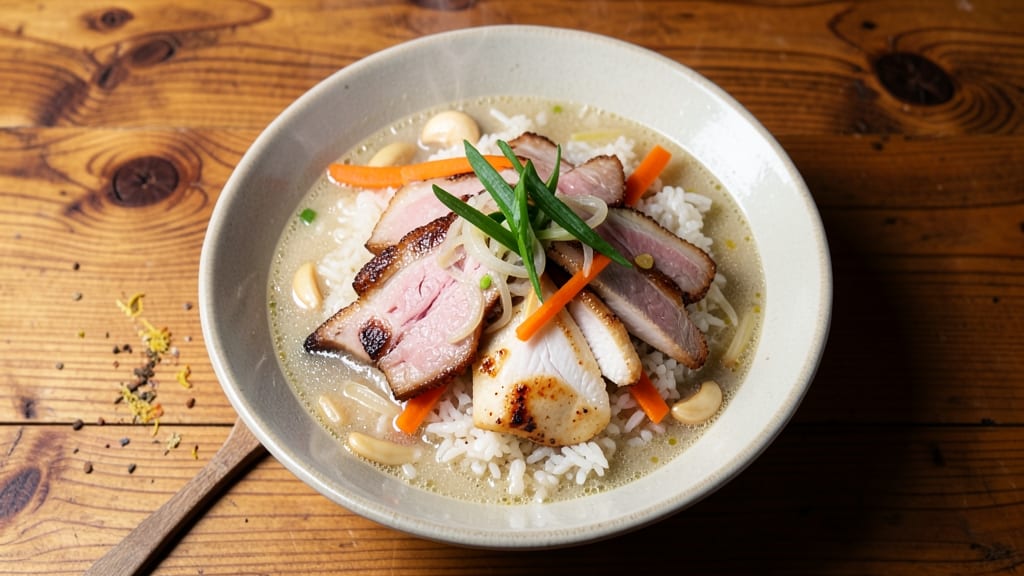
This bihon soup recipe brings the warm, comforting flavors of Filipino home cooking to your kitchen in just one pot. 💛 The secret lies in the perfect balance of tender rice, rich broth, and optional proteins or vegetables—all simmered together until the grains are fluffy and the broth is deeply flavorful.
I developed this version after years of perfecting the technique, ensuring every bite delivers that nostalgic taste of home.
The beauty of bihon soup is its versatility—you can customize it with pork, shrimp, or even plant-based swaps while keeping the traditional rice-to-liquid ratio for that signature texture. The broth develops its rich, savory depth through slow simmering, while the rice absorbs the flavors without turning mushy.
It’s the kind of dish that feels like a hug in a bowl, especially on chilly days or when you crave something hearty yet simple.
What makes this recipe special is the foolproof method for achieving perfectly cooked rice that stays tender yet distinct in the broth. No special equipment is needed—just a pot, patience, and a few key ingredients.
By the time you’re done, you’ll have a steaming bowl of comfort food that’s as satisfying as it is delicious, with every spoonful packed with flavor and tradition.
Serve it as a main dish with a side of crispy garlic fried rice or as a light lunch with a simple salad. The leftovers reheat beautifully, making it perfect for meal prep. Let’s get cooking and bring a taste of the Philippines to your table!
Ingredients for bihon soup
Just 14 ingredients transform your kitchen into a Filipino comfort food haven.
| Ingredient | Amount | Notes |
|---|---|---|
| Short-Grain White Rice 🍚 | 1 cup | Uncooked, rinsed thoroughly |
| Pork Belly 🥓 | 8 oz | Cut into bite-sized cubes |
| Chicken Breast 🍗 | 8 oz | Boneless, skinless, cubed |
| Garlic Cloves 🧄 | 4 cloves | Minced finely for aroma |
| Onion 🧅 | 1 medium | Chopped into small pieces |
| Carrots 🥕 | 1 medium | Peeled, sliced into thin rounds |
| Canned Tomato Sauce 🍅 | 1 cup | San Marzano preferred |
| Chicken Broth 💧 | 4 cups | Homemade or quality store-bought |
| Soy Sauce 🍶 | 2 tbsp | For umami depth |
| Fish Sauce 🐟 | 1 tbsp | Traditional Filipino flavor |
| Salt 🧂 | 1 tsp | Adjust to taste |
| Black Pepper 🌶️ | ½ tsp | Freshly ground |
| Fresh Ginger 🧅 | 1 inch | Thinly sliced, peeled |
| Green Onions 🌱 | 2 whole | Sliced for garnish |
The rice is non-negotiable—short-grain like Calrose or sushi rice gives that signature sticky texture. Asian markets carry these better than regular grocery stores, but Trader Joe's has decent options too. Pork belly is traditional, but chicken thighs work just as well if you're cutting costs. Look for pork with good marbling—it melts into the broth like magic. I always grab mine from Costco when it's on sale, but the pre-cut packages at Filipino grocery stores are perfect for weeknight cooking. The broth is where the magic happens, so don't skimp on quality—homemade is ideal, but Swanson or Pacific Foods are solid store-bought options.
No pork belly? Extra-firm tofu works beautifully for a plant-based version—just cube it and press out excess water first. Short on fish sauce? Soy sauce plus a pinch of sugar gets you close, though it won't be exactly the same. The ginger needs to be fresh—dried just won't cut it here. If you can't find fresh, substitute an extra 0.5 tsp ground ginger, but it won't have the same zing. The carrots can be baby carrots if that's what's in your fridge, but julienned carrots cook faster and look prettier. For the tomato sauce, San Marzano cans are worth the splurge—they're sweeter and less acidic, which balances the broth perfectly. Don't have chicken broth? Vegetable broth with a splash of soy sauce works in a pinch.
This soup tastes even better the next day as the flavors meld together. Store leftovers in the fridge for up to 5 days, or freeze portions for 3 months. I always double the recipe because it disappears fast—perfect for meal prep. The rice will get softer when reheated, so I like to add a splash of water or broth when warming it up. Fresh herbs like green onions should be added right before serving so they stay vibrant. For extra richness, stir in a spoonful of the pork fat from the broth when reheating—trust me, it makes all the difference.
Why You'll Love This Recipe
- One-Pot Magic: I swear by this—just toss everything in one pot, simmer, and forget about it. No chopping marathons, no fancy techniques, just pork belly rendering into crispy bits while the rice soaks up all the flavor. (Yes, even on a Tuesday night.)
- Porky Perfection: That first bite? Crispy pork belly edges melting into tender meat, with garlic and onion caramelizing into something ridiculously good. The rice turns into this creamy, fragrant porridge—like a hug in a bowl.
- Lunchbox Hero: Between us, this is my secret weapon for meal prep. Stays warm for days, reheats like a dream, and the flavors only get better. Pack it for work, freeze portions, or serve it cold—it’s always a hit.
- Budget Booster: Pork belly feels fancy, but it stretches so far here. A few slices go a long way, and chicken keeps it balanced. Honestly, it’s one of those dishes where you end up with leftovers you actually look forward to eating.
Step-by-step instructions for Filipino home-style bihon soup
Here's how to make this hearty Filipino one-pot meal that's all about cozy flavors and tender ingredients.
🍳 Step 1: Sear the Pork Belly and Chicken for Deep Flavor
Heat a large pot over medium-high heat and add the 8 oz pork belly cubes in a single layer. Let them sear undisturbed for 3-4 minutes until golden brown and crispy on the edges. This initial searing builds rich, savory flavors that infuse the entire soup.
Remove the pork belly with a slotted spoon and set aside. In the same pot, add 2 tablespoons olive oil (not listed but traditional) and sear the 8 oz cubed chicken breast for 4-5 minutes until lightly browned. The chicken should be fully cooked through but still juicy. Transfer to a plate and keep warm with the pork belly.
👨🍳 Step 2: Sauté Aromatics Until Fragrant
In the same pot, add 1 tablespoon olive oil and reduce heat to medium. Add the 1 medium chopped onion and cook for 3-4 minutes until softened and translucent. This is your flavor foundation—don't rush it.
Add the 4 cloves minced garlic and 1 inch sliced fresh ginger, stirring constantly for 30 seconds until you smell that aromatic punch. The garlic should turn golden but not burn—that's when it releases its full flavor. Here's the thing—if it starts to brown too quickly, pull the pot off heat for 10 seconds to cool it down slightly.
🥘 Step 3: Build the Rich Broth Base
Pour in the 1 cup canned tomato sauce and stir to deglaze the pot, scraping up all those delicious browned bits from the bottom. This creates a flavorful paste that forms the base of your soup. Add the 4 cups chicken broth and bring everything to a gentle boil.
Return the pork belly and chicken to the pot. Stir in the 2 tablespoons soy sauce, 1 tablespoon fish sauce, 1 teaspoon salt, and ½ teaspoon black pepper. The fish sauce might seem like a small amount, but trust me—it's what gives authentic Filipino flavor that little extra depth. Let the soup simmer uncovered for 10 minutes to allow all the flavors to meld together.
🍲 Step 4: Cook the Rice and Vegetables
Add the 1 cup rinsed short-grain white rice and 1 medium sliced carrots to the pot. Stir gently to distribute the rice evenly. The rice should be fully submerged in the broth—if not, add a little more broth. Bring to a gentle simmer and cook uncovered for 15 minutes.
After 15 minutes, check the rice—it should be about 80% cooked. Here's where it gets interesting: the rice in bihon soup should be slightly undercooked when you add it to the pot. This final cooking in the broth creates that perfect al dente texture. If the rice isn't quite there yet, cover the pot and cook for another 5 minutes.
🔪 Step 5: Finish and Garnish for Perfect Presentation
Once the rice is tender with a slight bite (you should be able to slide a fork through it easily), turn off the heat. Let the soup sit covered for 5 minutes to allow the flavors to settle. This resting period is crucial—it lets the rice absorb any remaining liquid and the pork belly reabsorb some juices.
Garnish each serving with 2 sliced green onions and serve immediately. The soup should be rich and aromatic with tender pork belly, juicy chicken, perfectly cooked rice, and sweet carrots. Every spoonful delivers that comforting Filipino home-style flavor that makes this dish so special.
Pro Tips For Making Bihon Soup
- CRISP THE BELLY FIRST: High-heat sear pork belly in one thick piece—no cutting yet—until the edges turn golden and the fat renders into a sizzling pool. I learned this the hard way: trying to cook thin slices later just makes them greasy and uneven. The crust locks in flavor, and the rendered fat becomes your soup’s base.
- SOAK RICE 30 MINUTES: Drain and rinse short-grain rice until the water runs almost clear, then let it soak in fresh water for 30 minutes before cooking. The starch stays put, so your soup won’t turn gluey when simmering. (Yes, even if you’re impatient like me—this isn’t the step you can skip.)
- STOP STIRRING THE CHICKEN: Once the chicken breast reaches 160°F (15 seconds in the thickest part), pull it out and let it rest on a plate. Poking it while it cools turns it rubbery, and you’ll end up shredding dry meat. A quick tent with foil while you finish the soup keeps it juicy—your future self will notice.
- BROWN ONIONS LOW AND SLOW: Slice onions thinly and cook them over medium-low heat until deep golden, not caramelized. High heat burns them before they soften, and you’ll taste bitter notes in every spoonful. Stir occasionally, add a splash of water if they stick, and let them work their magic—this is where the soup’s depth starts.
Dietary considerations for this recipe
Gluten-Free Adaptations
This recipe is naturally gluten-free, thanks to its simple ingredients. However, always double-check your chicken broth and soy sauce labels—some brands contain hidden gluten. I recommend Annie Chun's gluten-free tamari instead of regular soy sauce if you're sensitive.
The fish sauce is also typically gluten-free, but brands like Red Boat are explicitly labeled safe. 🌱
For extra flavor without gluten concerns, add 1 tsp toasted sesame oil at the end of cooking. It enhances the umami depth while keeping the dish gluten-free. The rice and vegetables remain unchanged, making this version just as comforting as the original.
Vegetarian/Vegan Swaps
Skip the pork belly and chicken, then replace them with extra-firm tofu (pressed and cubed) or mushrooms (shiitake or cremini) for meaty texture. I like using 8 oz firm tofu marinated in 1 tbsp soy sauce + 1 tsp garlic powder for 15 minutes before adding to the pot.
For a heartier vegan option, add 1 cup cooked chickpeas or lentils alongside the rice. 🥕
Boost umami with 1 tbsp miso paste (white or red) stirred into the broth during simmering. The fish sauce can be replaced with 1 tbsp coconut aminos for a similar savory punch. These swaps keep the dish rich and satisfying while making it fully plant-based.
Low-Sodium Options
Reduce the salt to ½ tsp and omit the fish sauce entirely—its high sodium content is often the biggest concern. Instead, enhance flavor with 1 extra tbsp tomato sauce (for acidity) and ½ tsp smoked paprika (for depth).
The soy sauce can be cut to 1 tbsp and replaced with 1 tbsp coconut milk for creaminess. 💡
Use low-sodium chicken broth (like Pacific Foods) and season the pork belly/chicken with black pepper and garlic powder before searing. This maintains the dish's robust flavor while keeping sodium in check. Taste as you go—you may need to add a pinch of salt at the end.
Protein Flexibility
For a seafood twist, swap pork belly for 8 oz shrimp (peeled and deveined) or 6 oz white fish (like cod or tilapia). Add the shrimp in the last 5 minutes of cooking to avoid overcooking. The fish should flake easily when done. 🐟
For a budget-friendly option, use 8 oz ground pork or chicken thighs instead of pork belly cubes. Brown them thoroughly first—they’ll release more flavor into the broth. If using thighs, trim excess fat to keep the soup lighter but still rich.
Allergen-Friendly Notes
This recipe is egg-free, dairy-free, and nut-free, making it safe for most common allergies. If you're allergic to fish, omit the fish sauce and use 1 tbsp soy sauce + ½ tsp sugar as a substitute.
For soy allergies, replace soy sauce with coconut aminos or tamari-free alternatives like gluten-free Worcestershire sauce. 🚫
Always check labels on broth and sauces—some brands process ingredients in facilities that handle allergens. When in doubt, opt for homemade broth (simmer chicken bones with veggies) to control all ingredients completely.
Nutrition facts
Frequently asked questions
What makes bihon soup different from regular rice soup?
The key difference is the rice-to-liquid ratio and cooking method. In bihon soup, the short-grain rice is cooked directly in the broth rather than pre-boiled, creating tender grains that absorb the rich flavors without turning mushy. The broth also simmers longer with aromatics and proteins, developing deeper umami compared to lighter rice soups.
Can I use long-grain rice instead of short-grain?
Not ideal—long-grain rice stays separate and absorbs less flavor. Short-grain varieties like Calrose or sushi rice are essential for that signature creamy texture. If you must use long-grain, reduce the cooking time by 5 minutes and add 1 extra tablespoon broth to prevent drying out.
Why does my bihon soup turn out watery?
This usually happens from overcooking the rice or using too much broth. Start with 4 cups broth and adjust to just cover the rice. If needed, simmer uncovered for 5 extra minutes to reduce excess liquid. For thicker soup, mash a few rice grains with a fork to thicken the broth naturally.
What's the best way to reheat leftovers?
Gently reheat on low heat with 2-3 tablespoons extra broth or water to prevent drying. Add a splash of fish sauce if you want to restore that umami punch. Never microwave—it makes the rice gummy. For best results, reheat in a pot with a tight lid for 3-4 minutes until steaming.
Can I make bihon soup without fish sauce?
Yes! Replace the fish sauce with 1 tbsp soy sauce + ½ tsp sugar for a similar savory depth. For stronger umami, add 1 tsp miso paste when building the broth base. The dish will still taste delicious—just with slightly different flavor notes.