
Soups & Stews
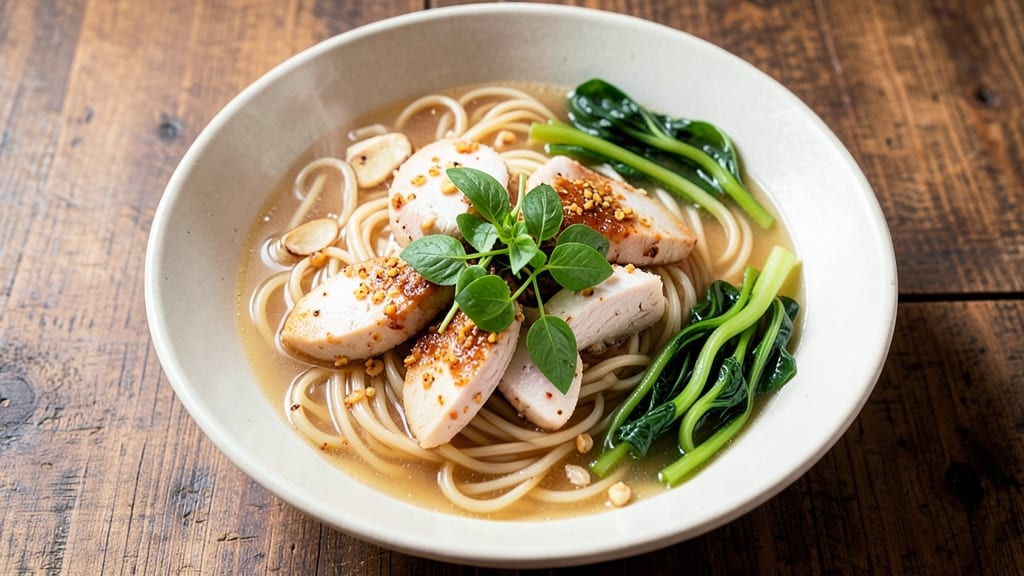
This Filipino bihon soup recipe delivers the ultimate comfort in a bowl—crispy garlic fried rice noodles floating in a rich, savory broth packed with traditional flavors.
The secret lies in perfectly balancing the chewy noodles with aromatic garlic, tender vegetables like malunggay and kangkong, and a deeply flavorful broth that simmers just right. I've refined this recipe over years of family gatherings, where it's always the first to disappear.
What makes this dish special is the crispy texture of the garlic fried rice noodles—a signature Filipino touch that adds satisfying crunch to every spoonful. The broth, made from scratch with chicken or pork, carries layers of umami from soy sauce, fish sauce, and a hint of calamansi for brightness.
Traditional ingredients like ginger and garlic form the flavor base, while vegetables add freshness and nutrition.
By the time you finish this recipe, you'll have a steaming bowl of bihon soup that's hearty enough for a cold evening but light enough for a quick lunch. The noodles maintain their signature chew while absorbing the savory broth, and the crispy garlic bits add a delightful contrast.
It's the kind of dish that brings warmth to any table, whether served with a side of atchara or a sprinkle of chopped green onions.
Perfect for meal prep or last-minute dinners, this recipe scales easily for a crowd while keeping the authentic Filipino soul intact. The beauty of bihon soup lies in its versatility—swap in your favorite vegetables or adjust the broth to your taste, but always keep that crispy garlic element.
Let's get cooking!
Ingredients for bihon soup recipe filipino
Crispy garlic noodles, tender veggies, and rich broth—this is Filipino comfort in a bowl.
| Ingredient | Amount | Notes |
|---|---|---|
| Bihon Noodles 🍜 | 8 oz | Dried, medium thickness |
| Garlic Cloves 🧄 | 12 cloves | Fresh, peeled, half sliced |
| Chicken Breast 🍗 | 1 ½ lb | Boneless, skinless, cut small |
| Malunggay Leaves 🌿 | 1 cup | Fresh, chopped (or sub spinach) |
| Kangkong 🌱 | 1 cup | Fresh, chopped (or sub water spinach) |
| Ginger Root 🧅 | 2 tbsp | Fresh, grated (about 1 inch piece) |
| Soy Sauce 🥄 | 2 tbsp | Dark soy for color (or regular) |
| Fish Sauce 💧 | 1 tbsp | Red boat brand preferred |
| Calamansi Juice 🍋 | 1 tbsp | Or lime juice in a pinch |
| Vegetable Oil 🫒 | 3 tbsp | For frying garlic |
| Green Onions 🧅 | 3 whole | Thinly sliced for garnish |
| Salt 🧂 | 1 tsp | Adjust to taste |
| Black Pepper 🌶️ | ½ tsp | Freshly ground |
| Chicken Broth 💧 | 4 cups | Homemade or store-bought |
The garlic is non-negotiable for that signature crunch. Buy fresh bulbs and slice half for frying, saving the rest for the broth. Filipino markets or Asian grocery stores have the best selection, but regular supermarkets work too. For the noodles, bihon (medium-thick rice noodles) is key—don't substitute with ramen or spaghetti. The chicken breast should be cut into small, even pieces so it cooks quickly in the broth. Malunggay (shrubbery spinach) is traditional but spinach or kangkong work just as well if you can't find it.
No fish sauce? Soy sauce plus a splash of Worcestershire gets you close, though it won't be as authentic. Running short on calamansi? Lime or lemon juice brightens things up, though calamansi's tang is unmatched. The broth is where the magic happens—simmer it long enough to develop deep flavor, but don't overcook the chicken. For extra richness, add a splash of coconut milk at the end. And trust me, don't skip the crispy garlic step—it's what makes this dish special.
The garlic noodles stay crispy for about 20 minutes once fried, so keep them separate until serving. Broth reheats beautifully—just add a splash of water if it gets too thick. Portion into containers for easy meal prep, and store the crispy garlic bits separately to keep them crunchy. Leftovers keep for 3 days in the fridge, though they're always better fresh. Freeze the broth separately if you want to make a big batch.
Why You'll Love This Recipe
- No Chopping Needed: Honestly, I just smash a few garlic cloves—no mincing, no fuss—and let the pan do the work. That rich aroma alone tells me the soup’s about to be ridiculously good.
- Umami Bomb Combo: The chicken and kangkong team up like old friends—tender meat with that earthy, slightly bitter water spinach punch. Add malunggay, and suddenly you’ve got a soup that’s dangerously addictive without needing fancy ingredients.
- Lunchbox Hero: Between us, this is my secret weapon for meal prep. Cook a big batch on Sunday, and I’ve got three days of hearty, no-reheat-needed lunches. The noodles stay al dente, and the flavors only get better the next day.
- Pocketbook Pleaser: Chicken breast stretches further than you’d think, and a single bag of bihon noodles feeds a crowd. I’ve made this for six people for under $10—solid value when everyone’s asking for seconds.
Step-by-step instructions for crispy garlic fried rice noodles in savory broth
Here's how to make this Filipino comfort dish with perfectly crispy garlic and tender noodles.
Prepare the Chicken and Aromatics
Cut the 1.5 lb chicken breast into small, even pieces about the size of your thumb. This ensures they cook quickly and evenly in the broth. In a separate bowl, combine the 12 cloves half-sliced garlic, 2 tbsp grated ginger root, 1 tsp salt, and 0.5 tsp black pepper. Mix well so every piece of chicken gets that aromatic punch.
Heat 1 tbsp of the 3 tbsp vegetable oil in a large pot over medium-high heat. Add the chicken pieces and cook for 3-4 minutes until they turn white and lose their raw appearance. Remove the chicken with a slotted spoon and set it aside. You want to keep those beautiful browned bits in the pot—they're packed with flavor that will infuse into your broth.
Build the Flavorful Broth
In the same pot, add the remaining 2 tbsp vegetable oil and swirl to coat the bottom. Toss in the garlic-ginger mixture and stir for 30 seconds until fragrant—you should smell that garlic releasing its sweet, pungent aroma. Pour in the 4 cups chicken broth and bring to a gentle boil.
Add the 1 cup chopped malunggay leaves and 1 cup chopped kangkong to the broth. Let it simmer for 5 minutes until the greens wilt slightly. Stir in the 2 tbsp soy sauce and 1 tbsp fish sauce, then add the cooked chicken back into the pot. The broth should taste rich and savory now, with a perfect balance of umami from the fish sauce and saltiness from the soy.
Cook the Bihon Noodles
While the broth simmers, prepare the 8 oz bihon noodles according to package instructions, but cook them for 1 minute less than recommended. They should be al dente—just slightly firm to the bite. Drain the noodles and rinse briefly under cold water to stop the cooking process. This prevents them from becoming mushy when they hit the hot broth later.
Here's the key to crispy garlic: in a separate skillet, heat the remaining 1 tbsp vegetable oil over medium heat. Add the remaining half-sliced garlic cloves and fry for 2-3 minutes, stirring constantly, until they turn golden brown and crispy. Watch them closely—they'll burn quickly once they reach this stage. Remove them from the oil and set aside, keeping them separate from the broth until serving.
Assemble and Finish the Soup
Add the drained bihon noodles to the chicken broth and stir gently to combine. The noodles should absorb the flavorful broth immediately. Let the soup simmer together for 2-3 minutes, allowing the noodles to soften slightly in the warm liquid. Taste and adjust seasoning with additional soy sauce or fish sauce if needed—you're aiming for that perfect balance of savory and slightly salty.
Just before serving, stir in the 1 tbsp calamansi juice. This bright citrus note cuts through the richness of the chicken and broth, adding a refreshing contrast. Ladle the soup into bowls and top each serving with the crispy fried garlic and thinly sliced green onions. The garlic should be golden and crunchy, adding that satisfying texture contrast to each bite.
Pro Tips For Making Bihon Soup Recipe Filipino
- COOK CHICKEN IN TWO STAGES: The chicken breast gets dry fast in broth, so I learned this the hard way—sear it first in a dry pan until golden, then remove and set aside. Once the garlic and onions start sweating in the broth, add the chicken back in to finish cooking. This keeps it juicy while building flavor.
- MINCE GARLIC LIKE A FINE PASTE: I used to chop garlic into rough bits, but that leaves harsh chunks in your soup. Instead, smash the cloves with the flat side of your knife first, then mince them into a near-paste consistency. This dissolves better and infuses the broth evenly—no one likes garlic surprises in their noodles.
- ADD MALUNGGAY LAST MINUTE: Malunggay leaves wilt fast in hot broth, so toss them in only when the soup is nearly done and the noodles are al dente. This keeps their vibrant color and crisp texture intact. If they’re added too early, they’ll turn into sad, limp bits—no one wants that in their soup.
- USE COLD NOODLES FOR AL DENTE: I skip the pre-boiling step entirely. Just toss uncooked bihon noodles directly into the simmering broth and cook them for 8-10 minutes, stirring occasionally. This guarantees they absorb flavor perfectly without turning mushy—no need for guesswork or overcooking.
Storing and reheating your bihon soup recipe filipino
Broth Storage Tips
Store the broth in an airtight container in the refrigerator for up to 4 days. The flavors actually deepen as it sits, so I recommend making extra and saving it for future meals.
When reheating, warm it on the stovetop over medium-low heat—never boil—until steaming hot. If it thickens too much, add 1-2 tablespoons of water to restore the perfect consistency. 💛
Noodle Prep Ahead
Cook the bihon noodles just 1 minute less than package instructions suggest, then rinse with cold water to stop cooking. Store them in a separate airtight container for up to 2 days.
When reheating, toss them in hot broth for 2-3 minutes to warm through—this keeps them chewy rather than mushy. Trust me, this step saves time on busy weeknights!
Crispy Garlic Preservation
The crispy garlic is the star—keep it separate until serving to maintain that satisfying crunch. Store it in a small airtight container at room temperature for up to 24 hours, or refrigerate for 3 days.
To reheat, pop it in a dry skillet over low heat for 30 seconds until it crisps back up. Pro tip: Sprinkle a pinch of salt on the garlic before frying for extra flavor depth.
Freezer-Friendly Broth
For long-term storage, freeze the broth in ice cube trays for easy portioning. Once frozen, transfer cubes to a freezer bag with all the air squeezed out to prevent freezer burn.
Thaw overnight in the fridge before using. The texture remains rich and flavorful—perfect for quick soups or even as a base for other Filipino dishes like sinigang or laing. ❄️
Reheating Leftovers
When reheating the full soup, combine broth and noodles in a pot over medium heat and stir gently. Add 2-3 tablespoons of water if needed to loosen the broth. Stir in the crispy garlic just before serving to keep it crispy.
For microwave reheating, cover with a damp paper towel and heat in 30-second intervals, stirring between each, until hot throughout. Always taste and adjust seasoning—leftovers often need a splash more fish sauce or calamansi juice.
Nutrition facts
Frequently asked questions
What makes the crispy garlic in bihon soup so special?
The crispy garlic is the soul of this dish! It's achieved by frying fresh garlic cloves in oil until golden brown, creating a perfect crunch that contrasts beautifully with the soft noodles and broth. The secret is using medium heat and stirring constantly to prevent burning. This technique is a classic Filipino trick that elevates the soup from ordinary to extraordinary.
Can I substitute malunggay and kangkong with other vegetables?
Malunggay (shrubbery spinach) and kangkong (water spinach) can be swapped for any leafy green you have on hand—think spinach, bok choy, or even Swiss chard. The key is using 1 cup total of chopped greens to maintain the dish's balance. Just remember that some vegetables may require slightly less cooking time to avoid becoming mushy in the broth.
How do I keep the noodles from getting mushy when reheating?
Reheat the noodles separately in hot broth for just 2-3 minutes—never microwave them directly. The best method is to combine cold noodles with hot broth and let them warm through gently. For extra insurance, cook the noodles 1 minute less than package instructions suggest before storing them, and always rinse them with cold water after cooking to stop the cooking process.
Is there a vegetarian version of this bihon soup?
Yes! Simply replace the chicken with 1 lb of firm tofu or mushrooms (like shiitake) for a hearty vegetarian version. Boost the umami by adding 1 tbsp of soy sauce to the broth and consider adding a splash of coconut milk for richness. The crispy garlic and vegetable combination will still shine while keeping the dish satisfyingly meaty.
Why does my broth taste bland compared to what I've had in restaurants?
Restaurant broths often simmer for longer hours to develop deep flavor. For homemade versions, try these pro tips: Use a mix of chicken and pork broth (or add a splash of fish sauce), toast the garlic and ginger in oil for 30 seconds before adding broth, and let it simmer uncovered for 20-30 minutes to concentrate the flavors. A squeeze of calamansi at the end adds that restaurant-quality brightness.