
Soups & Stews
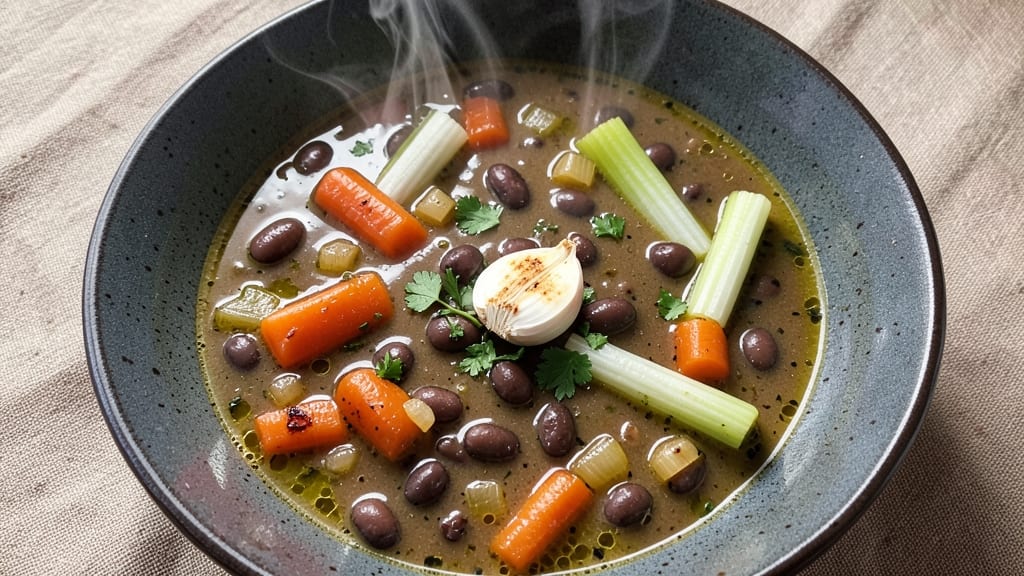
Betty Crocker-style bean soup delivers the cozy, spiced comfort of a classic one-pot meal—perfect for chilly evenings or lazy weekends. This recipe captures the warmth of traditional flavors while adapting to modern kitchens, using simple ingredients like navy beans, broth, and aromatic spices. The secret lies in slow simmering, which deepens the flavors and creates that signature hearty texture we all love.
What sets this soup apart is its balance of earthy beans, tender vegetables, and warm spices like cinnamon and cloves—just like the original Betty Crocker version, but with flexibility for substitutions. You’ll start with dried beans for richer flavor, though canned beans work in a pinch.
The broth builds the foundation, while onions, carrots, and celery form the classic "holiday" base. Simmering for about 1 hour ensures every ingredient melds into a satisfying, aromatic dish.
By the time you’re done, you’ll have a pot of soup that’s deeply flavorful, slightly sweet from the carrots, and rich with the comforting spices that make it feel like home. The texture is just right—creamy from the beans and broth, with tender vegetables that hold their shape.
It’s the kind of meal that warms both body and soul, especially when served with crusty bread to soak up every last drop.
This recipe is designed to be adaptable—swap in your favorite broth, add extra vegetables, or even include a touch of smoked paprika for depth. Whether you’re cooking for a family gathering or a quiet night in, this bean soup delivers the cozy, spiced comfort you crave. Let’s get started!
Ingredients for betty crocker bean soup
Simple pantry staples and aromatic spices create this nostalgic, comforting Betty Crocker-style bean soup.
| Ingredient | Amount | Notes |
|---|---|---|
| Dried Navy Beans 🌾 | 2 cups | Unsoaked, rinsed thoroughly |
| Chicken or Vegetable Broth 💧 | 6 cups | Low-sodium preferred |
| Yellow Onion 🧅 | 1 medium | Diced, about 1 cup |
| Carrots 🥕 | 3 medium | Peeled, chopped into 1/2-inch pieces |
| Celery Stalks 🧄 | 3 whole | Chopped, about 1 cup |
| Garlic Cloves 🧄 | 4 cloves | Minced, about 1 tbsp |
| Ground Cinnamon 🌿 | 1 tsp | Freshly ground preferred |
| Ground Cloves 🌶️ | ½ tsp | Adjust to taste |
| Bay Leaves 🍃 | 2 whole | Removed before serving |
| Salt 🧂 | 1 ½ tsp | Adjust to taste |
| Black Pepper 🌶️ | ½ tsp | Freshly ground preferred |
| Olive Oil 🫒 | 2 tbsp | For sautéing vegetables |
| Tomato Paste 🍅 | 2 tbsp | For depth of flavor |
The beans are the heart of this soup, so don’t skimp. Dried navy beans give the richest flavor, but if you’re short on time, canned beans work in a pinch—just drain and rinse them well. For broth, low-sodium options let you control the seasoning better. I always grab Swanson or Pacific Foods for their clean taste. The vegetables—onion, carrots, and celery—should be fresh but don’t need to be organic. Trader Joe’s has great pre-chopped versions if you’re in a hurry, though chopping your own gives you more control over the texture.
No cinnamon or cloves? Allspice or nutmeg at half the amount will still give you that warm, cozy vibe. Running low on bay leaves? Dried thyme or rosemary at one-third the amount works too. The tomato paste can be skipped if you’re not a fan, but it adds a nice depth that ties everything together. Fresh garlic is ideal, but powdered garlic at one-fourth the amount is fine if you’re in a rush. For extra richness, stir in a splash of heavy cream or coconut milk at the end—just don’t add it too early or it’ll curdle.
This soup tastes even better the next day—flavors meld beautifully overnight. Store leftovers in an airtight container in the fridge for up to 5 days. Freezes well for 3 months, so make a big batch and portion it out. I like to freeze it in 2-cup servings for easy lunches. To reheat, just warm on the stove over medium heat, stirring occasionally. If it gets too thick, add a splash of broth or water to loosen it up.
Why You'll Love This Recipe
- I’ll be real: dried beans are my budget secret weapon. They’re cheap, shelf-stable, and stretch into a full meal—no fancy ingredients needed. Plus, the leftovers? Just as good cold in a sandwich or reheated with a sprinkle of cheese.
- One-Pot Wonder: I swear by this recipe when I’m too tired to scrub pots—just toss in the beans, broth, and chopped veggies, then let it simmer. No extra bowls, no fuss, and honestly? The navy beans soften just enough to melt into the broth while keeping that satisfying texture.
- Savory Soul Food: That classic combo of onion, celery, and carrots—aka the "holy trinity" of soup—builds a flavor base that’s rich but never heavy. The broth soaks it all up, and the beans? They’re the heart of the dish, earthy and tender without being mushy.
- Meal Prep MVP: Between us, this is my go-to for lunches all week. The flavors actually get better overnight, and I can make a big batch on Sunday, portion it out, and reheat it without breaking a sweat. (Yes, even on a Tuesday night.)
Step-by-step instructions for Betty Crocker bean soup
This hearty bean soup comes together in one pot with rich spices and tender vegetables.
Sauté the Vegetables
Heat the 2 tablespoons olive oil in a large pot over medium heat. Add the diced yellow onion, chopped carrots, and chopped celery stalks. Cook for 5-6 minutes until the vegetables soften and the onion becomes translucent. Stir occasionally to prevent browning.
Here's the thing—you want the vegetables to release their natural juices and develop a slight caramelization. If they stick, add a splash of water and scrape the bottom with a wooden spoon to deglaze. This builds flavor that'll infuse the entire soup.
Add Spices and Tomato Paste
Reduce the heat to medium-low and stir in the 2 tablespoons tomato paste, 1 teaspoon ground cinnamon, ½ teaspoon ground cloves, 1½ teaspoons salt, and ½ teaspoon black pepper. Cook for 2 minutes until the spices are fragrant and the tomato paste darkens slightly.
This is where the magic happens—the spices toast gently, releasing their aromatic oils. Don't rush this step; let them mingle with the vegetables for maximum depth. If you smell something burning, lower the heat immediately.
Simmer the Beans
Add the 2 cups dried navy beans and 6 cups chicken or vegetable broth to the pot. Bring to a boil, then reduce heat to low and cover. Simmer for 1½ to 2 hours until the beans are tender but not mushy. Stir occasionally and add water if needed to maintain liquid level.
The beans are done when they're fork-tender but still hold their shape. I check by tasting one—it should be soft but not falling apart. Real talk: don't skip the occasional stir, or the bottom might stick and burn.
Finish and Season
Remove the 2 whole bay leaves and adjust seasoning with additional salt or pepper if needed. Taste and add more cinnamon or cloves if you want a stronger spice profile. The soup should be rich, slightly sweet from the carrots, and warmly spiced.
Here's the moment that matters: let the soup sit off heat for 5 minutes before serving. This allows flavors to meld completely and prevents a sudden rush of steam when you lift the lid. Serve with crusty bread for dipping!
Pro Tips For Making Betty Crocker Bean Soup
- SOAK BEANS OVERNIGHT: I learned this the hard way—skipping the soak leaves your beans tough and gummy. Toss them in plenty of cold water (about 4 cups per cup of beans) and let them sit 8–12 hours. No time? Quick-soak works: boil for 2 minutes, then let them sit off heat for an hour. The longer they soak, the creamier your soup.
- CHOP VEGETABLES UNIFORM: Your carrots and celery shouldn’t look like confetti, but they also shouldn’t be giant chunks. Aim for ¼-inch dice—small enough to cook fast, big enough to stay recognizable. Onions? Thinly slice them so they soften without disappearing. Uneven pieces mean some veggies turn to mush while others stay crunchy.
- SIMMER, DON’T BOIL: After adding the beans, broth, and veggies, keep the heat at a gentle simmer—not a rolling boil. Too much heat breaks down the beans into a gluey mess. A steady simmer (tiny bubbles, occasional swirls) keeps them tender without falling apart. Trust me, your soup will thank you.
- SALT LATER, NOT EARLY: Adding salt right at the start makes the beans tough. Wait until the soup’s been simmering for at least 30 minutes before seasoning. If you’re using bouillon, taste the broth first—it’s often salty enough. Adjust at the end for the perfect balance. Your taste buds will notice the difference.
Common mistakes when making this recipe
Skipping the Soak
Dried beans are the secret to that authentic, hearty texture—but many beginners skip soaking them first. While you can use unsoaked beans (like in this recipe), they take longer to cook and may not soften evenly.
If you forget to soak overnight, at least rinse them thoroughly before adding to the pot. I’ve learned the hard way that unrinsed beans can make the soup taste bitter or gritty. 🌾
Ignoring the Broth Level
One of the biggest mistakes is not monitoring the broth level while simmering. Beans absorb liquid as they cook, and if the pot dries out, the beans will toughen or even burn.
Keep an eye on the soup and add ½ to 1 cup of water or broth every 30 minutes if needed. I always set a timer to check—it’s easy to get distracted by the cozy spices!
Overcooking the Beans
Tender beans are key, but mushy ones ruin the texture. Once the beans reach 1½ to 2 hours of simmering, they’re done when they’re fork-tender but still hold their shape.
Taste-test one! If it’s falling apart, you’ve gone too far. Overcooked beans turn the soup into a thick paste. Trust me, I’ve made this mistake—and it’s not pretty. 🥄
Rushing the Spices
The warm spices—cinnamon, cloves, and bay leaves—need time to bloom and infuse the soup. If you add them right at the start with the broth, they’ll just sit there, flavorless. Instead, toast them with the tomato paste and sautéed vegetables for 2 minutes first.
This step is non-negotiable for that signature Betty Crocker warmth. Skipping it means missing out on the soul of the soup.
Forgetting to Rest
After simmering, the soup needs 5 minutes off the heat before serving. This resting time lets flavors meld and prevents a sudden burst of steam that can make the soup taste flat.
I know it’s tempting to dive in right away, but patience here makes all the difference. Serve it with crusty bread, and you’ll thank me later! 🍞
Using High Heat
Simmering bean soup on high heat speeds up cooking, but it also causes the beans to toughen and the broth to reduce too quickly. Keep the heat at a gentle simmer—just enough to see small bubbles break the surface.
If it’s boiling vigorously, lower the heat. This slow cook ensures the beans soften evenly and the flavors develop fully. Trust the process! ⏳
Nutrition facts
Frequently asked questions
Can I use canned beans instead of dried?
Yes, you can substitute 2 cups dried navy beans with 1 (15-ounce) can of navy beans, drained and rinsed. For best results, use low-sodium canned beans and add an extra ½ cup broth to maintain the soup's consistency. The flavor will be slightly less rich, but it’s a great shortcut.
How can I make this soup vegetarian?
Swap the chicken broth for vegetable broth and add 1 cup cooked quinoa or lentils for extra protein. Boost umami with 1 teaspoon soy sauce or 1 tablespoon nutritional yeast when sautéing the vegetables. The spices will still shine, and the texture will remain hearty.
Why does my soup taste bitter?
Bitterness usually comes from unrinsed beans or overcooked broth. Always rinse dried beans thoroughly before cooking, and never let the soup boil vigorously—keep it at a gentle simmer. If it’s already bitter, stir in 1 teaspoon sugar or honey to balance the flavors.
Can I make this in an Instant Pot?
Sauté the vegetables as directed, then add all ingredients (including beans and broth) to the Instant Pot. Cook on high pressure for 20 minutes, followed by a 10-minute natural release. The beans will be tender, and the spices will infuse beautifully. Just watch the broth level—add water if needed during cooking.
What’s the best way to store leftovers?
Let the soup cool to room temperature, then transfer to an airtight container. It keeps in the fridge for 5 days or freezes for 3 months in portions. For reheating, warm on the stove over medium heat and stir in 1-2 tablespoons broth or water if it thickens too much.