
Soups & Stews
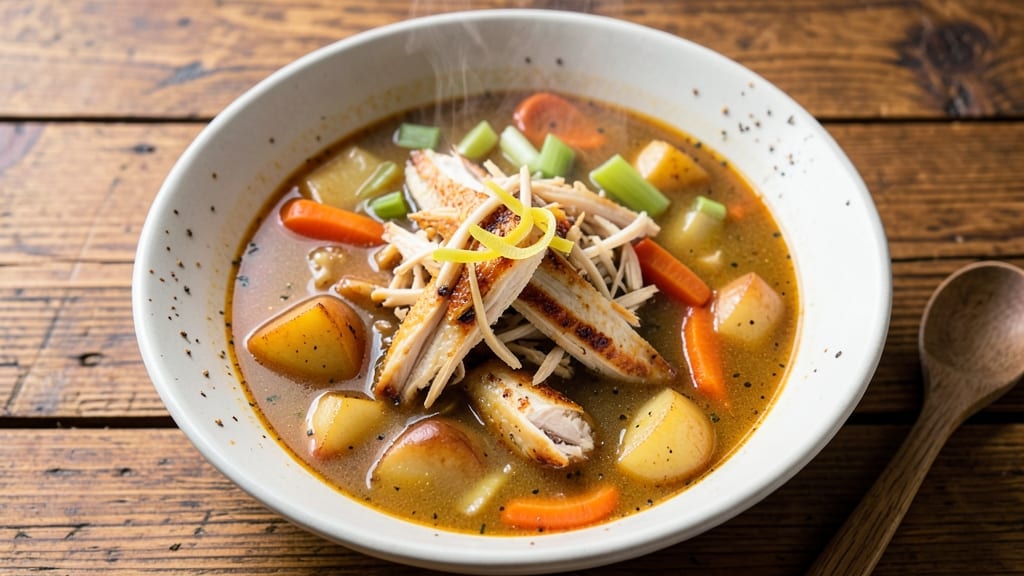
This rotisserie chicken soup delivers the kind of soul-warming comfort Pioneer Woman perfected—rich, slow-simmered broth infused with tender shredded chicken and hearty vegetables. The secret lies in extracting every ounce of flavor from that rotisserie chicken, transforming leftovers into a restaurant-quality meal without extra effort.
What starts as a simple pantry staple becomes a deeply satisfying dish when cooked low and slow, allowing flavors to meld into perfect harmony.
Unlike quick-fix soups, this recipe prioritizes depth of flavor through slow simmering, which develops a velvety broth that coats every spoonful. You'll use rotisserie chicken as the star—shredded and returned to the pot to soak up all the aromatic vegetables and herbs.
The result is a soup that's both nourishing and indulgent, with just the right balance of savory, herby, and slightly sweet notes from the carrots and celery.
What makes this Pioneer Woman-inspired version stand out is its adaptability—use whatever vegetables you have on hand, swap in different herbs, or adjust the seasoning to your taste. The slow-cooked method ensures the broth remains rich and flavorful, while the shredded chicken adds protein and texture.
This isn't just soup; it's a foolproof comfort food that works for busy weeknights or cozy gatherings, always delivering on warmth and satisfaction.
The best part? It comes together in one pot with minimal prep, making it ideal for modern kitchens. Whether you're using store-bought broth or building it from scratch, this recipe turns simple ingredients into something extraordinary. Let's get started on creating your own bowl of slow-simmered comfort.
Ingredients for best rotisserie chicken soup recipe pioneer woman
Pioneer Woman's secret to soul-warming comfort lies in these 14 ingredients that transform simple pantry staples into velvety rotisserie chicken soup.
| Ingredient | Amount | Notes |
|---|---|---|
| Rotisserie Chicken 🍗 | 3 cups | Shredded meat and reserved broth |
| Chicken Broth 💧 | 6 cups | Low-sodium preferred for flavor control |
| Carrots 🥕 | 1 ½ lb | Medium size, peeled and chopped |
| Celery Stalks 🧅 | 4 whole | Trimmed, chopped into 1-inch pieces |
| Yellow Onion 🧅 | 1 whole | Medium size, diced |
| Russet Potatoes 🥔 | 2 lb | Medium size, peeled and cubed |
| Garlic Cloves 🧄 | 4 cloves | Fresh, minced |
| Fresh Thyme Sprigs 🌿 | 2 whole | Or 1 tsp dried thyme |
| Fresh Parsley 🌿 | ¼ cup | Chopped, for garnish |
| Bay Leaves 🍃 | 2 whole | Fresh preferred |
| Salt 🧂 | 1 ½ tsp | Kosher or sea salt |
| Black Peppercorns 🌶️ | ½ tsp | Freshly ground |
| Dried Parsley 🌿 | 1 tsp | For extra depth of flavor |
| Extra Virgin Olive Oil 🫒 | 1 tbsp | For sautéing vegetables |
The rotisserie chicken is non-negotiable for that restaurant-quality flavor. Costco or Trader Joe's always have the best-priced rotisserie chickens—look for ones with crispy skin and juicy meat. The reserved broth from the rotisserie chicken is pure liquid gold, so don't skip saving it. For the vegetables, organic carrots and celery from Whole Foods or your local farmers market add the brightest flavor, but regular grocery store produce works perfectly fine. The potatoes should be firm and starchy—Russets are ideal, but Yukon Golds add a creamy texture if you prefer. Fresh herbs make all the difference here, so if you're using dried, make sure they're labeled 'culinary' quality—not the dusty stuff sitting at the back of your spice rack.
No rotisserie chicken? Poached or baked chicken thighs work beautifully—they're more flavorful than breasts. Short on carrots? Sweet potatoes or butternut squash add natural sweetness that complements the broth. The thyme can be swapped for rosemary or oregano, but stick with thyme for that classic Pioneer Woman touch. No fresh parsley? Dried parsley at half the amount gets you close, though it won't be as vibrant. For the broth, low-sodium chicken broth is crucial—you'll be seasoning it further, and you don't want to overdo the salt. The olive oil might seem like a small detail, but using extra-virgin adds a fruity depth that regular vegetable oil can't match.
This soup tastes even better the next day as the flavors meld together. Store leftovers in the fridge for up to 5 days, or freeze for 3 months—portion it into containers so you can grab and reheat just what you need. The broth reduces slightly when reheated, so add a splash of water or reserved chicken broth when warming. For extra richness, stir in a dollop of Greek yogurt or coconut milk before serving. The garnish of fresh parsley isn't just for looks—it adds a bright, fresh finish that cuts through the richness of the soup. Make a double batch and freeze half; you'll thank yourself on those busy weeknights when you can just pull out a container and heat it up.
Why You'll Love This Recipe
- Rotisserie Hack: I swear by this shortcut—no raw chicken to deal with. Just shred that pre-cooked bird, and the crispy skin adds incredible texture without extra work.
- Golden Crisp Magic: That carrot-celery-onion base simmers into the perfect sweet-savory broth, while the rotisserie skin turns the soup into a flavor bomb. Honestly, the first spoonful makes me pause.
- Lunchbox Hero: Pack it cold or reheat it—this soup travels like a dream. My kids grab it for school lunches, and even my picky husband asks for seconds (yes, even on a Tuesday night).
- Soup Stash Savior: Make a double batch, and you’ll have hearty leftovers for days. Freezes like a champ, too—just add hot water when you’re ready. My wallet (and my freezer) thank me every time.
Step-by-step instructions for Pioneer Woman's slow-simmered comfort soup
This isn't just any soup—it's a deeply comforting, deeply flavorful masterpiece that transforms humble ingredients into something extraordinary.
Sauté the Vegetable Base for Maximum Flavor
Heat the 1 tablespoon extra virgin olive oil in a large Dutch oven over medium heat. Add the 1 whole yellow onion, 1.5 lb carrots, and 4 whole celery stalks (all chopped as specified). Cook for 8-10 minutes, stirring occasionally, until the vegetables soften and the onion becomes translucent.
This slow cooking releases their natural sugars, creating a sweet, aromatic foundation for your soup. I press down gently with a wooden spoon to ensure even browning—this builds deep flavor that low-sodium broth alone can't provide. You'll know it's ready when the vegetables release easily from the pan and develop a slight golden hue.
Build Depth with Aromatics and Herbs
Add the 4 cloves minced garlic, 2 whole fresh thyme sprigs, and 2 whole bay leaves to the pot. Stir for 30 seconds until the garlic becomes fragrant but doesn't brown. The thyme and bay leaves will infuse the broth with their earthy, piney notes—don't skip this step, as these herbs make all the difference in a comforting soup.
Here's the thing—if you're using dried thyme instead, add it now with the garlic. Fresh herbs pack more punch, but dried works in a pinch. I always add the herbs to the oil first to toast them slightly, which releases their essential oils and intensifies their flavor. The bay leaves will simmer quietly in the background, contributing subtle complexity without overpowering.
Layer in Potatoes and Chicken Broth
Add the 2 lb russet potatoes (cubed as specified) and pour in the 6 cups chicken broth. Bring everything to a gentle boil, then immediately reduce heat to low-medium so the broth simmers steadily. The potatoes should be mostly submerged—add a splash of water if needed to ensure even cooking.
This is where the magic happens. The potatoes will absorb the broth's flavor while releasing their own starchy sweetness. I stir once to distribute everything evenly, then let it simmer undisturbed. The goal is to develop a rich, velvety broth without breaking the potatoes into mush. You'll know it's working when you see tiny bubbles breaking the surface and the aroma fills your kitchen.
Simmer Until Potatoes Are Fork-Tender
Cover the pot and let it simmer for 25-30 minutes until the potatoes are fork-tender when pierced. The exact time depends on your stove and potato size, but they should yield easily with minimal resistance. If you're unsure, taste one—it should be soft inside but not falling apart.
I check the potatoes at the 20-minute mark to avoid overcooking. The soup should have reduced slightly by now, intensifying the flavors. If it looks too thin, uncover and simmer for another 5 minutes to thicken it naturally. This slow cooking ensures every bite is packed with comfort and depth.
Finish with Rotisserie Chicken and Seasonings
Remove the 2 whole bay leaves and stir in the 3 cups rotisserie chicken (including any reserved broth from the package). Add the 1.5 tsp salt, 0.5 tsp black peppercorns, and 1 tsp dried parsley, stirring gently to combine. Let the soup simmer uncovered for another 5 minutes to allow the chicken to heat through and the flavors to meld.
This is the moment that matters: the chicken should be piping hot, and the soup should be seasoned to perfection. Taste and adjust the salt if needed—rotisserie chicken can vary in saltiness. The dried parsley adds an extra layer of herbal brightness that complements the fresh parsley you'll add later. Let it sit off the heat for 5 minutes before serving to allow the flavors to settle.
Garnish and Serve with Fresh Herbs
Ladle the soup into bowls and garnish each serving with 0.25 cup fresh parsley (chopped as specified). The bright green parsley provides a beautiful contrast and a fresh finish that cuts through the richness of the soup. Serve immediately with crusty bread to soak up every last drop of that velvety broth.
Real talk: this soup tastes even better the next day as the flavors deepen. The rotisserie chicken continues to infuse the broth, making each spoonful more comforting. Store leftovers in the refrigerator for up to 4 days or freeze for 3 months. The key to its success lies in the slow simmer and layered flavors—don't rush it, and you'll have a soup that feels like a warm hug in a bowl.
Pro Tips For Making Best Rotisserie Chicken Soup Recipe Pioneer Woman
- Shred Early, Shred Often: I used to dump the whole rotisserie chicken into the pot and hope for the best—big mistake. Instead, pull the meat off the bones before adding it to the broth. Use two forks or your hands to break it into bite-sized pieces while it’s still warm, then toss it in. This keeps the broth from getting cloudy and makes every spoonful heartier. (Yes, even if you’re impatient like me.)
- Sauté the Veggies Hard: The Pioneer Woman recipe swears by a quick sweat of the mirepoix, but don’t just wilt those carrots, celery, and onion—cook them until they’re soft and golden at the edges. About 8-10 minutes over medium heat, stirring occasionally. This builds flavor that just simmering alone won’t. I learned this the hard way when my soup tasted like it was missing something.
- Strain the Broth: Rotisserie chicken broth can be hit-or-miss, and sometimes it’s loaded with bits of skin and fat. After simmering the soup, strain it through a fine-mesh sieve or cheesecloth into a fresh pot. It takes 2 minutes but makes the texture silky smooth. Trust me, your future self will notice the difference—especially if you’re serving it to picky eaters.
- Boost the Umami: The recipe’s base is solid, but add a splash of soy sauce (1 tablespoon) or a pinch of MSG when you’re tasting the broth. It’s not noticeable in a bad way—just deeper, richer flavor. I was skeptical until I tried it, and now I can’t imagine making this soup without it. (And no, it won’t taste "Chinese.")
Regional styles of this dish
Southern Comfort Style
In the South, this soup gets a smoky depth from a splash of hot sauce (like Crystal) or a pinch of smoked paprika—about ½ teaspoon—stirred in during the final 5 minutes of simmering.
I love adding collard greens (about 2 cups chopped) with the potatoes for a heartier texture. For extra richness, stir in 1 cup cooked white beans or corn kernels right before serving. Serve with cornbread for the ultimate Southern experience. 🔥
Midwest Hearty Twist
The Midwest version swaps fresh herbs for dried sage (about 1 teaspoon) and adds ½ cup diced ham along with the rotisserie chicken. I also include ½ cup pearl barley (uncooked) with the potatoes to create a thicker, more filling soup.
For a touch of sweetness, stir in 1 tablespoon maple syrup during the last 10 minutes of cooking. This version pairs perfectly with buttered dinner rolls and a side of pickled vegetables.
Pacific Northwest Freshness
On the West Coast, this soup becomes lighter with the addition of kale (about 2 cups chopped) and fresh dill (about 1 tablespoon chopped). I also use wild-caught salmon (about ½ cup flaked) instead of chicken for a unique twist.
The broth gets a boost of brightness with ½ cup coconut milk stirred in at the end. Serve with sourdough bread and a sprinkle of toasted hazelnuts for crunch. 🌿
New England Creamy Adaptation
For a New England touch, blend ½ cup of the soup (after removing the chicken) with ¼ cup heavy cream until smooth, then stir it back into the pot. Add ½ cup shredded sharp cheddar cheese and 1 teaspoon Dijon mustard for tang.
I also include ½ cup diced apples with the carrots for a subtle sweetness. This version is perfect with crusty sourdough and a side of roasted Brussels sprouts.
Tex-Mex Fusion
Spice it up Tex-Mex style by adding 1 teaspoon ground cumin, ½ teaspoon chili powder, and ½ teaspoon oregano with the garlic. Stir in 1 cup black beans and ½ cup diced bell peppers during the final 5 minutes of cooking.
Top each serving with avocado slices, sour cream, and lime wedges. This version is a crowd-pleaser for those who love bold flavors and a little heat. 🌶️
Nutrition facts
Frequently asked questions
Can I use store-bought rotisserie chicken from any brand?
Yes! Any rotisserie chicken works, but choose one with crispy skin and juicy meat for the best flavor. Brands like Costco, Trader Joe's, or your grocery store's in-house rotisserie chicken are excellent choices. The key is using both the shredded meat AND the reserved broth from the package—don't skip the broth, as it adds incredible depth to your soup.
How do I adjust this recipe for a slow cooker?
Simply combine all ingredients (except fresh parsley) in your slow cooker and cook on low for 6-8 hours or high for 3-4 hours. The long cook time enhances the flavors, making the broth even more velvety. Add the fresh parsley just before serving to keep it vibrant. The potatoes may need a splash of water if the soup looks too thick during cooking.
What if I don't have fresh herbs like thyme or parsley?
No problem! Use dried herbs at half the amount (e.g., ½ teaspoon dried thyme instead of 2 sprigs). For parsley, dried works too, though it won't be as bright. If you're missing herbs entirely, focus on extra garlic (add 1-2 more cloves) and a pinch of smoked paprika for depth. The soup will still be delicious—just slightly less aromatic.
Can I make this soup gluten-free or dairy-free?
This recipe is naturally gluten-free and dairy-free. Just ensure your chicken broth is gluten-free (most store-bought brands are). For extra richness in dairy-free versions, stir in coconut milk or cashew cream at the end. Always check labels on broth and other ingredients to avoid hidden gluten or dairy additives.
Why does my soup taste bland after simmering?
Bland soup usually means the broth wasn't properly seasoned or the vegetables weren't cooked long enough. Try this fix: Add a pinch of MSG (optional), a splash of soy sauce, or a pat of butter at the end for umami depth. Also, ensure you're using low-sodium broth and seasoning gradually—taste as you go! The slow simmer should concentrate flavors, so if it's still weak, simmer uncovered for another 10 minutes to reduce the liquid.