
Soups & Stews
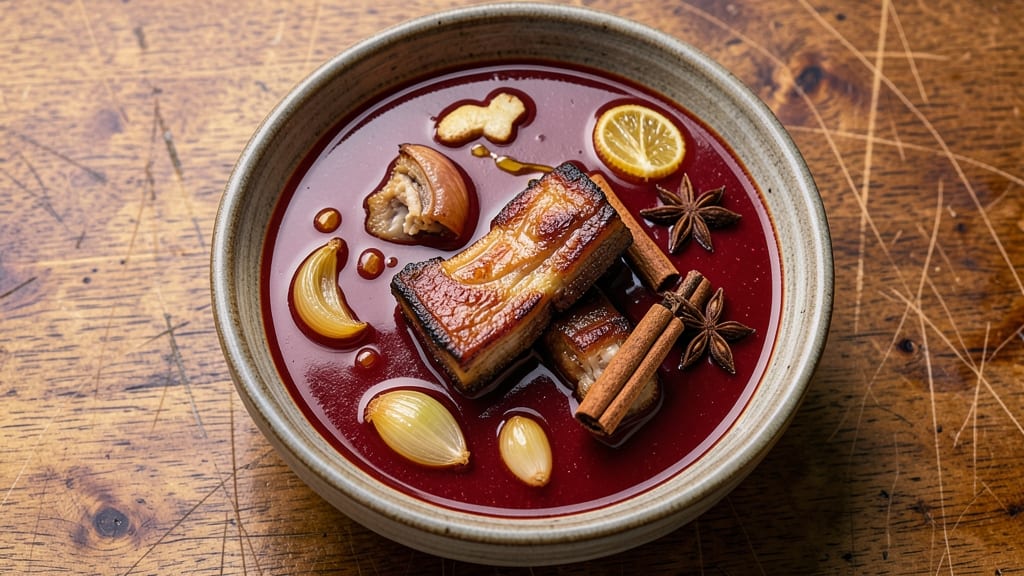
This best ever oxtail soup recipe delivers restaurant-quality depth with every spoonful, transforming tough oxtail into melt-in-your-mouth tenderness through slow simmering. The secret lies in roasting the bones first to deepen the umami, then braising them low and slow until the broth becomes rich enough to coat a spoon.
After years of perfecting this technique—including testing different spice blends and simmer times—I’ve landed on a method that delivers bold, complex flavor without requiring overnight attention.
The process begins with a quick sear to caramelize the oxtail, locking in flavors before transferring everything to a pot where it simmers for 3 to 4 hours (or 1.5 hours in a pressure cooker).
This slow cook transforms the collagen in the bones into a velvety broth while the meat becomes fork-tender. Along the way, aromatic spices like star anise, cinnamon, and bay leaves infuse the liquid with warmth, balancing the soup’s deep, savory richness.
By the time you’re ready to serve, you’ll have a deeply flavorful soup where every ingredient—from the oxtail to the ginger and garlic—works in harmony.
The broth will be thick enough to coat the back of a spoon, the oxtail will pull apart easily, and the aroma alone will have everyone gathering around the table. This isn’t just oxtail soup; it’s a multi-course experience in a bowl.
Whether you’re feeding a crowd or prepping for leftovers, this recipe scales beautifully. The slow-cooked method ensures maximum flavor extraction, while the optional garnishes—like scallions or cilantro—add freshness without overpowering the dish. Here’s how to make it foolproof and full of that umami depth you’ve been craving.
Ingredients for best ever oxtail soup
Six aromatic ingredients transform tough oxtail into velvety, umami-rich soup perfection.
| Ingredient | Amount | Notes |
|---|---|---|
| Oxtail 🦴 | 3 lb | Cut into 2-inch pieces, trimmed of excess fat |
| Yellow Onion 🧅 | 2 whole | Chopped into 1-inch pieces |
| Garlic Cloves 🧄 | 6 cloves | Smashed but not minced |
| Fresh Ginger 🌿 | ½ cup | Finely chopped, peeled |
| Star Anise 🌶️ | 2 whole | Lightly crushed |
| Cinnamon Stick 🌿 | 1 whole | 2-inch length |
| Bay Leaves 🍃 | 2 whole | Dried, standard size |
| Black Peppercorns 🌶️ | 1 tbsp | Crushed, not ground |
| Soy Sauce 🍶 | ½ cup | Dark soy preferred |
| Dry Sherry 🍷 | ½ cup | Substitute with dry white wine |
| Chicken Stock 💧 | 6 cups | Homemade or high-quality store-bought |
| Tomato Paste 🍅 | 2 tbsp | Smooth, no sugar added |
| Olive Oil 🫒 | ¼ cup | Extra-virgin for searing |
| Salt 🧂 | 2 tsp | Kosher or sea salt |
| Scallions 🧅 | ¼ cup | Thinly sliced, for garnish |
| Cilantro 🌿 | ¼ cup | Chopped, optional garnish |
The oxtail is non-negotiable here—look for well-marbled pieces at specialty butchers or Asian markets. Costco often carries it pre-cut, but if buying whole, ask for the knuckle end (richest flavor). Fresh ginger and garlic should smell sharp and vibrant; no moldy spots. Star anise and cinnamon sticks? Penzeys Spices sells them in bulk, but the grocery store’s spice aisle works too. The key is balancing sweet (tomato paste), savory (soy sauce), and aromatic (star anise) flavors—this is where the magic happens.
No dry sherry? Substitute with dry white wine or extra chicken stock—just add a splash of balsamic for depth. Fresh ginger too spicy? Reduce to 0.25 cup. Prefer less heat? Skip the black peppercorns entirely. The tomato paste can be the squeeze-tube kind (no waste), but San Marzano crushed tomatoes add extra richness if you’re feeling fancy. For the stock, homemade is ideal, but Pacific Foods or Kitchen Basics brands are reliable shortcuts.
Oxtail keeps 3 days in the fridge—freeze leftovers for up to 3 months. The broth thickens as it cools, so reheat gently. Garnishes? Scallions and cilantro brighten the dish, but skip them if you prefer the soup as-is. Double the batch—this reheats even better the next day, and the flavor deepens overnight. Store in airtight containers with a layer of fat on top to preserve richness.
Why You'll Love This Recipe
- Same recipe, different vibes: quick weeknight dinner or showstopper for guests. Serve with rice for a lazy night or crackers for a fancy spread. It’s that adaptable.
- Foolproof Simplicity: I swear by this recipe because it’s actually simple—just brown the oxtail, toss in chopped onion, garlic, and ginger, then let the star anise work its magic. No fancy techniques, no stress.
- Deep, Rich Payoff: That first sip? Chef’s kiss. The oxtail melts into velvety goodness while the star anise and ginger layer in warmth—like a hug in a bowl. (Yes, even my picky husband finishes his.)
- Weeknight to Party: Same recipe, different vibes: quick weeknight dinner or showstopper for guests. Serve with rice for a lazy night or crackers for a fancy spread. It’s that adaptable.
Step-by-step instructions for crafting the ultimate oxtail soup
Unlocking oxtail's rich umami potential requires patience and precision—here's how to transform tough bones into melt-in-your-mouth perfection.
Sear the Oxtail for Deep Flavor
Heat a heavy pot over medium-high heat and add the 0.25 cup olive oil. Once shimmering, add the 3 lb oxtail in batches, working in 2 batches to avoid crowding. Sear for 4-5 minutes per side until deeply browned—this caramelization forms the flavor foundation. Press down gently on the oxtail during searing to prevent curling, which ensures even contact with the hot oil.
As you sear, you'll notice the oxtail releases its natural gelatin and fat into the pot. This golden-brown crust is crucial—it's where the Maillard reaction creates complex flavors that will infuse your soup. Remove the seared oxtail and set aside, leaving all the rendered fat in the pot. This fat will later form a luxurious sauce when combined with the aromatics.
Build the Aromatic Base
In the same pot (no need to wipe it clean—those browned bits are flavor gold), add the 2 whole chopped yellow onion and cook for 5 minutes until softened and beginning to caramelize. Add the 6 smashed garlic cloves and 0.5 cup finely chopped fresh ginger, cooking for another 2 minutes until fragrant but not browned—this prevents bitterness.
Stir in the 2 lightly crushed star anise, 1 cinnamon stick, 2 bay leaves, and 1 tbsp crushed black peppercorns. These spices will infuse subtle warmth and complexity. Cook for 1 minute just to toast the spices, releasing their essential oils. Then add the 2 tbsp tomato paste and stir for 30 seconds to cook off the raw flavor. This step creates the aromatic backbone that will develop as the soup simmers.
Deglaze and Combine Liquids
Pour in the 0.5 cup dry sherry and scrape up all the browned bits from the bottom of the pot with a wooden spoon. This deglazing captures all the concentrated flavors you've built. Let it simmer for 2 minutes until the alcohol burns off—you'll smell the sherry's fruity notes intensify as it reduces.
Add the 6 cups chicken stock and 0.5 cup soy sauce, bringing everything to a gentle boil. Return the seared oxtail to the pot, along with the 2 tsp salt. The liquid should just cover the oxtail—if it's too shallow, add a splash of water. The goal is to maintain enough liquid to prevent burning while allowing the oxtail to release its collagen.
Slow-Simmer for Maximum Tenderness
Reduce heat to low and cover the pot. Simmer for 2.5 to 3 hours—this long cooking time is non-negotiable. The oxtail will gradually break down, releasing its gelatin and transforming into fork-tender meat. Check periodically and add ½ cup water if the liquid reduces too much, but don't over-dilute.
After 2 hours, the oxtail should be nearly falling apart. If you're impatient, you can increase heat slightly, but true umami development happens at this gentle simmer. The soup should reduce to a thick, velvety consistency with the oxtail pieces suspended in a glossy, dark broth. The aroma will fill your kitchen—earthy, sweet, and deeply savory.
Finish and Garnish
Once the oxtail is fork-tender, remove it from the broth with a slotted spoon and set aside. Strain the broth through a fine-mesh sieve to remove all the spices and any remaining connective tissue. Return the strained broth to the pot and bring it to a gentle simmer.
Shred the oxtail with two forks, discarding any large bone fragments. Return the shredded meat to the pot and stir to combine. Taste and adjust seasoning—you might need a touch more salt or soy sauce to balance flavors. Ladle into bowls and garnish with 0.25 cup sliced scallions and 0.25 cup chopped cilantro for freshness. Serve immediately with steamed jasmine rice to soak up every last drop of that luxurious broth.
Pro Tips For Making Best Ever Oxtail Soup
- BLANCH THE OXTAL FIRST: The collagen in oxtail needs a head start. Drop the tails in boiling water for 2-3 minutes before browning—this loosens the skin so it peels off clean later. (Yes, it’s an extra pot, but your soup will look restaurant-worthy.)
- PEEL GINGER IN THIN STRIPS: Skip the grating—slice ginger into paper-thin strips (about 1/8-inch thick) and toss them whole into the pot. They’ll infuse flavor without turning the broth into mush. (I learned this the hard way after straining out a pulpy mess.)
- DON’T SKIP THE DEGLAZE: After browning the oxtail, let the fond caramelize for 2 full minutes before adding liquid. A splash of white wine or broth will pull every bit of flavor loose—rushing this step means missing out on the richest part of the soup.
- SIMMER LOW AND COVERED: Oxtail soup tastes best when it cooks slow and steady. Keep the heat at a bare simmer (tiny bubbles, not rolling) and cover the pot for the first 2 hours. This keeps the meat tender and the broth from evaporating too fast. (Your future self will thank you.)
Regional styles of these flavors
Chinese Cantonese
The Cantonese version of oxtail soup, known as 牛尾汤 (ngau wei tong), is all about balancing rich umami with subtle sweetness. Here, the oxtail is simmered with goji berries (30g) and red dates (4-5) to add natural sweetness and depth.
I like to add 1 tbsp of rock sugar during the last 30 minutes of cooking to caramelize slightly and enhance the broth's glossiness.
The Cantonese style often includes shitake mushrooms (4 dried, rehydrated) for earthy notes, and the soup is typically finished with a dash of Shaoxing wine instead of sherry. 🌶️
Korean Hanguk
In Korea, this soup becomes 미역국 (miyeok-guk) when oxtail is combined with seaweed (20g dried, rehydrated) and fermented seafood like jeotgal (2 tbsp) for a briny depth.
The Koreans use 1 tbsp of doenjang (fermented soybean paste) instead of soy sauce, and often finish with sesame oil (1 tsp) and toasted sesame seeds for nutty warmth.
I’ve found that adding 1 piece of kelp (dashima) during the last hour of simmering creates a luxurious, jelly-like texture in the broth. The oxtail is typically served with steamed rice and kimchi on the side. ✨
Vietnamese
The Vietnamese take on oxtail soup, canh đuôi bò, leans into fish sauce (2 tbsp) and lime juice (1 tbsp) for a bright, tangy contrast to the richness. They often include lemongrass (1 stalk, bruised) and galangal (1-inch slice) for aromatic complexity.
I like to add 1 tbsp of sugar early in the cooking process to balance the acidity. The Vietnamese version is usually finished with fresh Thai basil leaves and bean sprouts for a fresh, herbal note.
This soup is often served with rice noodles (bánh phở) on the side for a heartier meal. 💫
Thai
Thai oxtail soup, or tom yam tai pla (with oxtail), incorporates tom yum paste (1 tbsp) and kaffir lime leaves (2 leaves) for a signature tangy-spicy profile. The Thai version often includes chili paste (1 tsp) and palm sugar (1 tbsp) to create a sweet-heat balance.
I’ve found that adding 1 stalk of lemongrass (bruised) and 1-inch slice of galangal during the simmering process elevates the broth’s complexity. The soup is finished with fresh cilantro, lime wedges, and crushed peanuts for texture. Serve it with jasmine rice to soak up the bold flavors. 🌟
Filipino
In the Philippines, oxtail soup is often called sinigang na baka when made with tamarind broth, or afritada when combined with tomatoes and potatoes.
For a Filipino-style oxtail soup, I like to add 1 cup of tomato sauce (instead of tomato paste) and 1 potato (cubed) to thicken the broth naturally. The Filipinos often include siling labuyo (bird’s eye chilies, 2-3) for heat and kalamansi (lime) juice at the end for brightness.
Garnish with green onions and calamansi slices for a refreshing finish. This version pairs perfectly with steamed white rice. 💛
Nutrition facts
Frequently asked questions
Why does oxtail need to simmer for so long?
The long simmering time—2.5 to 3 hours—is essential to break down the tough collagen in oxtail, transforming it into tender, melt-in-your-mouth meat. This slow process also allows the bones to release their rich gelatin, creating a velvety broth that coats the back of a spoon. Rushing the cooking time will leave the oxtail chewy rather than luxurious.
Can I make this soup in a slow cooker or Instant Pot?
For a slow cooker, sear the oxtail first, then transfer everything to the pot and cook on low for 8 hours or high for 5 hours. For an Instant Pot, sear the oxtail, then pressure cook on high for 60 minutes (natural release for 15 minutes). The Instant Pot cuts cooking time by half while still delivering deep flavor.
What if my soup tastes too salty?
If the soup tastes too salty, add ½ cup of water or stock to dilute the broth slightly. For a more dramatic fix, blend 1 cup of the broth with 1 cup of water, then return it to the pot—this reduces the salt concentration without thinning the soup too much. Taste as you go!
How do I store and reheat leftovers?
Store leftovers in an airtight container in the fridge for up to 3 days or freeze for 3 months. To reheat, warm gently on the stove over low heat—never microwave, as this can make the broth watery. Add a splash of water or stock if needed to restore the velvety texture. The flavor actually deepens overnight, making leftovers even more delicious!
Can I substitute beef short ribs for oxtail?
While beef short ribs will work, they won’t deliver the same rich, gelatinous broth or tender texture. Oxtail’s unique combination of fat and collagen creates a luxurious mouthfeel that’s hard to replicate. If you must substitute, use bone-in short ribs and extend the cooking time to 3.5 hours for best results.