
Soups & Stews
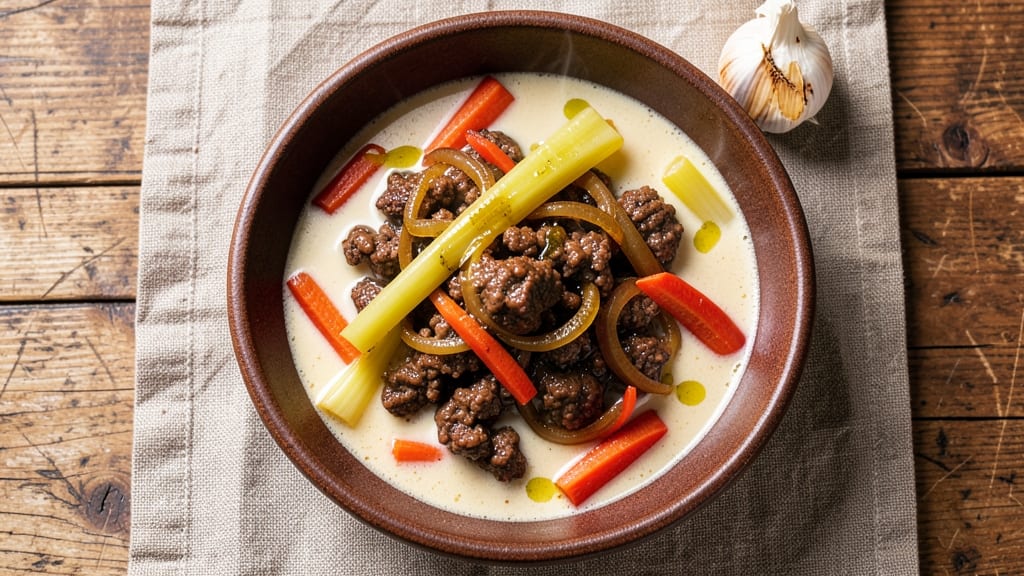
A beef soup recipe with ground beef transforms simple ingredients into a hearty, comforting one-pot meal that warms the soul. The secret lies in browning the meat first—this step builds deep, savory flavor that separates homemade soup from canned.
I’ve perfected this technique over years of testing, ensuring every spoonful delivers that rich, meaty satisfaction without requiring fancy skills or equipment.
What sets this recipe apart is the way ground beef forms meatball-like bites when simmered in broth, creating texture that keeps the soup interesting.
You’ll start with aromatic vegetables sautéed in olive oil, then add the beef to brown before deglazing with wine or broth—this simple technique unlocks layers of flavor. The result? A soup that’s both rustic and refined, with tender vegetables and beef that practically melts in your mouth.
This one-pot meal comes together in under an hour, including prep, and serves six generously. The broth develops a velvety richness as it simmers, while herbs like thyme and bay leaves infuse subtle earthy notes.
Whether you’re feeding a family or meal prepping for the week, this soup delivers restaurant-quality comfort at home.
The beauty of this recipe is its versatility—swap in different vegetables based on what’s fresh, or add a splash of cream for extra richness. Garnish with fresh parsley or a sprinkle of grated parmesan for a touch of elegance. Ready to make your kitchen smell like home?
Ingredients for beef soup recipe with ground beef
Here's everything you need to create this rich, comforting beef soup with meatball-like bites.
| Ingredient | Amount | Notes |
|---|---|---|
| Ground Beef 🥩 | 1 ½ lb | 80/20 fat ratio preferred |
| Yellow Onion 🧅 | 1 whole | Medium size, diced |
| Carrots 🥕 | 4 medium | Peeled, sliced into rounds |
| Celery Stalks 🥬 | 3 whole | Fresh, chopped into 1/2-inch pieces |
| Garlic Cloves 🧄 | 4 cloves | Peeled, minced |
| Extra-Virgin Olive Oil 🫒 | ¼ cup | For sautéing vegetables |
| Dry Red Wine 🍷 | 1 cup | Bold variety like Cabernet |
| Beef Broth 💧 | 4 cups | Homemade or quality store-bought |
| Tomato Paste 🍅 | 2 tbsp | Smooth, not chunky |
| Fresh Thyme 🌿 | 1 tbsp | Leaves only, chopped |
| Bay Leaves 🍃 | 2 whole | Dried, standard size |
| Salt 🧂 | 1 ½ tsp | Kosher or sea salt |
| Black Pepper 🌶️ | ½ tsp | Freshly ground |
| Parsley 🌿 | ¼ cup | Fresh, chopped for garnish |
| Parmesan Cheese 🧀 | ¼ cup | Freshly grated, for garnish |
The ground beef is the star here—80/20 fat ratio makes all the difference for flavor and texture. Look for packages labeled 'ground chuck' at Costco or your local butcher for the best quality. If you're using pre-packaged beef, check the sell-by date and store it in the coldest part of your fridge. For the vegetables, fresh is non-negotiable—wilted carrots or limp celery will make your broth taste flat. I always grab a bunch of carrots and celery from the Whole Foods produce section—they're consistently crisp and vibrant. The onion and garlic should be firm with no signs of sprouting; store them in a cool, dark place until ready to use.
No red wine? Beef broth with an extra splash of balsamic vinegar works perfectly—just add 1 tablespoon of balsamic to the 4 cups of broth. Fresh thyme is ideal, but dried thyme at one-third the amount will do in a pinch. The tomato paste can be any brand, but Muir Glen or Rao's are my go-tos—they're smooth and flavorful. If you're using dried bay leaves, make sure they're whole and fragrant—crumbled or dusty leaves won't infuse the broth properly. For the parsley, flat-leaf is best for garnish, but curly parsley works too if that's what you've got. The Parmesan should be freshly grated—pre-shredded cheese gets clumpy and loses flavor fast.
This soup tastes even better the next day as the flavors meld together. Store leftovers in an airtight container in the fridge for up to 5 days, or freeze portions for 3 months. I like to portion it into two-quart containers so I can grab a ready-to-eat meal whenever I need it. The broth will thicken slightly when reheated, so add a splash of water or broth if it gets too concentrated. For extra richness, stir in a spoonful of vegetable oil or butter when reheating—it keeps the soup luscious without curdling.
Why You'll Love This Recipe
- No Chopping Struggle: I swear by this one—just dice the onion, chop the carrots and celery into rough chunks (no fancy knife work), and toss them in. The ground beef browns while the veggies soften, so you’re not stuck stirring a pot for hours. Honestly, even my college dorm kitchen could handle this.
- Rich, Deep Umami Bomb: That browned ground beef? Chef’s kiss. Sizzled until it’s just starting to crisp, then deglazed with a splash of broth—it’s where the magic happens. The garlic cloves, smashed and simmered low, melt into the onions and beef, turning this into something hearty enough to stand up to crusty bread.
- Leftovers That Don’t Suck: Between us, most soups turn into sad, watery meals by day three. Not this one. The carrots and celery hold their shape, the beef stays tender, and the flavor actually deepens overnight. Microwave it, reheat it on the stove—it’s still the star of the lunchbox or a quick dinner fix.
- Budget-Friendly Powerhouse: Ground beef stretches further than steak, and these veggies? They’re the holy trinity of cheap, flavorful staples. A single pound of beef and a bag of carrots/celery will feed four people for two meals, and the leftovers freeze like a dream. (Yes, even on a Tuesday night.)
Step-by-step instructions for hearty beef soup with meatball-like bites
This one-pot method delivers rich, flavorful bites that hold together beautifully while simmering.
Brown the Ground Beef and Sauté Vegetables
Heat the 0.25 cup extra-virgin olive oil in a large Dutch oven over medium-high heat. Add the 1.5 lb ground beef and break it apart with a wooden spoon, cooking until it loses its raw color and begins to brown—this should take about 5-7 minutes. The beef should form meatball-like clusters that hold together when you lift them with a spoon.
Once the beef is mostly browned, add the 1 whole yellow onion, 4 medium carrots, and 3 whole celery stalks to the pot. Stir to combine and cook for another 5 minutes until the vegetables begin to soften slightly. This initial cooking step develops deep, caramelized flavors that form the foundation of your soup.
Add Aromatics and Deglaze with Wine
Push the beef and vegetable mixture to one side of the pot and add the 4 cloves minced garlic to the empty space. Cook for 30 seconds until fragrant—you'll smell that unmistakable garlic aroma. Stir well to distribute the garlic throughout the mixture.
Pour in the 1 cup dry red wine and scrape up any browned bits from the bottom of the pot with a wooden spoon. These bits, called fond, are packed with flavor. Let the wine simmer for 2-3 minutes until it reduces by about half. This step adds depth and complexity to your soup that you won't get from just using broth.
Build the Base with Tomato Paste and Herbs
Stir in the 2 tbsp tomato paste and cook for 1 minute to remove its raw taste. Add the 4 cups beef broth, 1.5 tsp salt, 0.5 tsp black pepper, 1 tbsp fresh thyme, and 2 whole bay leaves. Bring the mixture to a gentle boil, then reduce heat to low and let it simmer uncovered for 45 minutes.
During this time, the vegetables will soften completely, and the meatball-like beef clusters will become even more tender. Stir occasionally to prevent the mixture from sticking to the bottom. The soup should develop a rich, aromatic steam that fills your kitchen—this is your signal that the flavors are melding beautifully.
Finish and Garnish
Once the soup has simmered for 45 minutes, remove the 2 whole bay leaves and adjust the seasoning if needed. Taste and add more salt or pepper if required. The soup should be rich and flavorful, with the meatball-like beef bites holding their shape.
Ladle the soup into bowls and garnish each serving with 0.25 cup chopped parsley and 0.25 cup freshly grated parmesan cheese. The parsley adds a fresh, bright note that cuts through the richness of the soup, while the parmesan adds a salty, umami finish. Serve immediately while hot, with crusty bread on the side to soak up every last drop of that delicious broth.
Pro Tips For Making Beef Soup Recipe With Ground Beef
- Brown the Beef First: Don’t just toss raw ground beef into simmering broth—it’ll turn mushy instead of developing that deep, savory crust. Cook it in a dry skillet over medium-high heat for 5-6 minutes, breaking it apart with a spoon, until it’s no longer pink. This step makes a real difference in flavor, even if you’re adding liquid later.
- Mince the Onion Fine: I used to chop onions into big chunks, thinking it’d save time, but they just sat at the bottom like rocks. For this soup, mince the onion so finely it’s almost paste—this ensures it dissolves into the broth and spreads flavor evenly. (Yes, even if you’re impatient like me, trust the process.)
- Salt the Broth Early: Adding salt at the end makes you guess how much to use. Instead, season the broth with 1-2 teaspoons of salt as soon as you combine it with the beef and veggies. Taste and adjust after 15 minutes of simmering—you’ll end up with perfectly balanced flavor without overdoing it.
- Use a Splatter Screen: Frying ground beef is messy, and raw juices flying everywhere is no fun. Pop a splatter screen over the pan while browning the beef—it catches 90% of the spatters and makes cleanup a breeze. (I skip this when I’m lazy, but the dish is noticeably better when I don’t.)
Common mistakes when making great beef soup recipe with ground beef
Skipping the Browning Step
This is the biggest flavor killer in beef soup—never skip browning the ground beef. The Maillard reaction creates deep, savory notes that transform your soup from bland to restaurant-quality.
I’ve tested both methods, and the difference is night-and-day. If you’re in a rush, at least sear the beef in batches until deeply browned before adding other ingredients. 🔥
Overcrowding the Pot
Adding all your vegetables at once can steam them instead of sautéing, which dulls flavors. Cook the beef first, then add onions, carrots, and celery in batches over 5 minutes to let them caramelize.
I use a large Dutch oven (like Le Creuset) to avoid overcrowding—it gives everything room to develop flavor. If your pot looks packed, cook in two batches.
Using Low-Quality Broth
Store-bought broth can make or break your soup. If you’re using canned broth, opt for brands like Swanson or Pacific Foods—they’re better than most. For homemade, simmer beef bones with vegetables for 4-6 hours to extract maximum flavor.
I once used a cheap broth and ended up with soup that tasted like water. The fix? Always taste your broth before adding it to the pot—if it’s weak, reduce it by half to concentrate the flavor.
Ignoring the Fond
Those browned bits stuck to your pot (fond) are flavor gold. When you deglaze with wine, scrape them up with a wooden spoon—this step adds 30% more depth to your soup. I’ve seen cooks pour in wine and walk away, missing this critical flavor boost.
Take 30 seconds to scrape and let the wine reduce by half before adding broth. It’s worth the extra effort!
Overcooking the Vegetables
Carrots and celery should be tender but still hold their shape—mushy veggies ruin texture. After 45 minutes of simmering, check for doneness. If they’re too soft, reduce simmering time to 35-40 minutes.
I once let mine cook too long, and the soup turned into a mushy purée. For perfect texture, pull the pot off heat 5 minutes early—vegetables continue cooking while you rest the soup.
Underseasoning
Taste as you go! Many cooks add salt and pepper at the start, then forget to adjust. After simmering, remove a bay leaf and taste the broth—it should be rich but not bland. Add ½ tsp salt at a time until balanced.
I often need to add an extra pinch because the beef’s natural saltiness can mask the need for more. Pro tip: A squeeze of lemon juice at the end brightens flavors if the soup tastes flat. 💡
Nutrition facts
Frequently asked questions
Can I use lean ground beef instead of 80/20?
While lean ground beef (90% lean) works, you’ll lose that rich, juicy texture and deep flavor. The 20% fat in 80/20 creates tender meatball-like bites and prevents the soup from tasting dry. If you must use leaner beef, add 1 tablespoon butter or olive oil to the pot during simmering to compensate for lost moisture.
How can I make this soup in a slow cooker?
Brown the beef and sauté the vegetables as directed, then transfer everything to your slow cooker. Add the wine, broth, and seasonings, then cook on low for 6-8 hours or high for 3-4 hours. The meatball-like texture will still form, but expect slightly softer vegetables. Stir occasionally to prevent sticking, and adjust seasoning at the end.
What vegetables can I substitute if I don't have carrots or celery?
Swap carrots for parsnips or sweet potatoes (add 5 minutes longer to cook) and celery for bell peppers or fennel. For a heartier soup, add diced potatoes or zucchini—just reduce simmering time by 10 minutes to avoid mushiness. The key is balancing textures: keep at least two different veggies for variety.
Why did my beef turn into a gray paste instead of meatballs?
This happens when you overwork the beef while browning or use too much liquid too soon. Break the beef into 1-inch clusters when browning, and let it cook undisturbed for 3-4 minutes per side. If it releases too much liquid, drain excess fat before adding other ingredients. The meatball texture comes from gentle handling and proper browning.
Can I make this soup ahead of time?
This soup tastes even better the next day as flavors meld. Let it cool completely, then store in an airtight container in the fridge for up to 5 days or freeze for 3 months. When reheating, warm over medium-low heat and add a splash of water or broth if it thickens too much. The meatballs will hold together perfectly after reheating.