
Soups & Stews
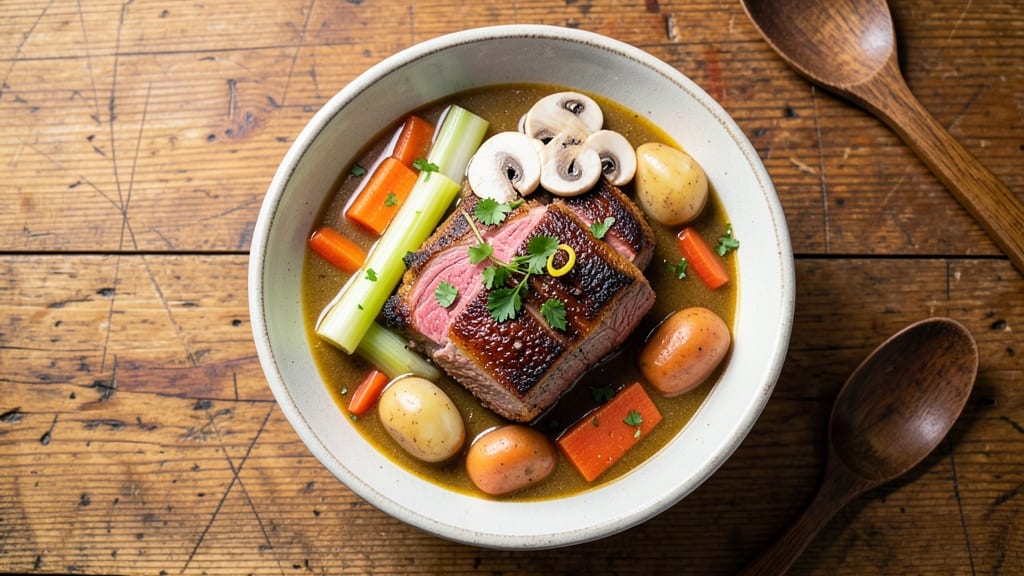
This healthy beef soup recipe delivers all the comforting flavors of classic beef soup without the guilt—packed with lean protein, fiber-rich vegetables, and immune-boosting spices.
The secret lies in using grass-fed beef and a homemade broth that’s rich yet light, simmered just long enough to develop deep flavor while preserving nutrients.
What sets this apart is the perfect balance of hearty ingredients like carrots, celery, and mushrooms, all transformed into tender, flavorful bites that still offer that satisfying crunch.
The beauty of this recipe is its versatility—it’s designed to be both nutritious and deeply satisfying, making it ideal for meal prep or a cozy weeknight dinner.
By using lean cuts of beef and vegetable-based broth, you cut unnecessary fat without sacrificing taste, while the slow simmer ensures the meat becomes fork-tender and infused with aromatic herbs.
This isn’t just another diet-friendly soup; it’s a protein powerhouse that keeps you full and energized, thanks to the combination of high-quality protein and fiber-packed vegetables.
What you’ll end up with is a bowl of soup that’s hearty yet light, packed with layers of savory, slightly sweet, and earthy flavors from the vegetables and herbs. The broth remains clear and flavorful, not overpowering, while the beef stays tender and rich.
Every spoonful delivers a mix of textures—creamy potatoes, crisp-tender carrots, and melt-in-your-mouth beef—all while keeping the calorie count in check. It’s the kind of soup that feels like a hug for your taste buds and your body.
Perfect for busy weeknights, meal prep, or when you’re craving something comforting yet nutritious, this recipe scales easily to feed a crowd or make enough for leftovers. The best part? You can customize it with your favorite veggies or herbs without losing the balance of flavors and nutrition.
Ready to make a soup that’s as good for you as it is delicious?
Ingredients for beef soup recipe healthy
Lean protein meets veggie crunch—these ingredients transform into a hearty, nutrient-packed beef soup.
| Ingredient | Amount | Notes |
|---|---|---|
| Grass-Fed Beef Chuck Roast 🥩 | 1 ½ lb | Trimmed of excess fat for lean protein |
| Yellow Onion 🧅 | 1 whole | Chopped into 1/2-inch pieces |
| Carrots 🥕 | 3 medium | Peeled and cut into 1-inch chunks |
| Celery Stalks 🌿 | 3 whole | Trimmed and cut into 1-inch pieces |
| Russet Potatoes 🥔 | 2 medium | Peeled and cut into 1-inch cubes |
| Creamy Mushrooms 🍄 | 8 oz | Sliced into 1/4-inch pieces |
| Garlic Cloves 🧄 | 4 cloves | Minced for aromatic depth |
| Vegetable Broth 💧 | 6 cups | Low-sodium preferred for flavor control |
| Tomato Paste 🍅 | 2 tbsp | For rich umami depth |
| Extra-Virgin Olive Oil 🫒 | 2 tbsp | For sautéing vegetables |
| Fresh Thyme Leaves 🌿 | ½ tsp | Or 1/4 tsp dried thyme |
| Fresh Rosemary 🌿 | ¼ tsp | Chopped finely for earthy notes |
| Bay Leaves 🌿 | 2 whole | Removed before serving |
| Kosher Salt 🧂 | 1 ½ tsp | Diamond Crystal preferred |
| Freshly Ground Black Pepper 🌶️ | ½ tsp | For finishing touches |
The grass-fed beef chuck roast is non-negotiable for that melt-in-your-mouth texture and lean protein. Costco or Whole Foods usually have it pre-cut, saving you time. Look for cuts with good marbling but minimal fat—this keeps it healthy without sacrificing flavor. The mushrooms? Creamy varieties like oyster or shiitake add umami depth, but white mushrooms work too. For the broth, low-sodium vegetable broth is key—it lets the natural flavors shine without adding hidden salt. If you're short on time, Imagine or Pacific Foods brands are solid choices, but homemade is always better.
No grass-fed beef? Lean sirloin or top round cut into cubes works in a pinch. Swap the carrots for butternut squash if you prefer—just roast it first for natural sweetness. The thyme and rosemary can be dried if fresh isn't available, but use one-third the amount. For extra richness, stir in a splash of red wine (1/4 cup) when sautéing the veggies. The tomato paste is a game-changer—it thickens the broth slightly and adds that classic soup depth. If you're watching calories, reduce the olive oil to 1 tbsp and compensate with extra broth.
This soup tastes even better the next day as flavors meld. Store in an airtight container for 4-5 days in the fridge or freeze for 3 months. I like to portion it into individual containers for easy lunches—just reheat with a splash of water or broth. The potatoes and beef stay tender when reheated, while the carrots and celery hold their crunch. For extra freshness, garnish with extra thyme or a drizzle of olive oil before serving. Leftovers? Double the batch and freeze half—perfect for busy nights.
Why You'll Love This Recipe
- One-Pot Magic: I swear by this—just dump the chopped veggies (onion, carrots, celery) and beef into one pot, add broth, and let it simmer. No chopping boards to clean, no extra pans, and the potatoes melt into the broth like they’re meant to be there.
- Deep, Rich Flavor: That grass-fed chuck roast? It’s the star—tender, beefy, and packed with natural richness. The carrots and celery sweeten as they cook, while the potatoes add a hearty, creamy texture that makes every spoonful feel like a hug.
- Meal Prep MVP: Between us, this soup tastes better the next day. I make a big batch on Sunday, and by Wednesday, it’s even more flavorful. Perfect for lunches, potlucks, or when you need a no-fuss dinner that still feels special.
- Budget-Friendly Protein: A single chuck roast stretches for four servings, and the veggies are cheap staples. Honestly, it’s one of those recipes where you get more than you expect—without breaking the bank or spending hours in the kitchen.
Step-by-step instructions for hearty beef and vegetable soup
Here's how to craft a nourishing, protein-rich soup that's bursting with flavor and texture.
Sear the Beef for Deep Flavor
Pat the 1.5 lb Grass-Fed Beef Chuck Roast completely dry with paper towels. Heat a large Dutch oven over medium-high heat and add 2 tbsp Extra-Virgin Olive Oil. Once shimmering, add the beef and sear on all sides until deeply browned—about 5-6 minutes total. This step develops rich, caramelized flavors that form the soup's foundation.
Remove the beef and set aside. Resist the urge to overcrowd the pan—this ensures proper browning. The beef will continue cooking later, so don't worry about full doneness yet. This searing creates the Maillard reaction that transforms simple ingredients into something extraordinary.
Sauté the Vegetable Base
In the same Dutch oven, add the chopped 1 whole Yellow Onion, 3 medium Carrots, and 3 whole Celery Stalks. Cook for 5 minutes until the onions become translucent and the vegetables begin to soften slightly. This process releases their natural sweetness and builds the soup's aromatic depth.
Add the 8 oz Creamy Mushrooms and cook for another 3 minutes until they release their moisture and begin to brown. Stir occasionally to prevent sticking. The mushrooms will contribute an earthy richness that pairs beautifully with the beef's savory notes. Here's where the soup starts to develop its complex flavor profile.
Build the Flavor Foundation
Stir in the 4 cloves Garlic Cloves and cook for 30 seconds until fragrant. Add the 2 tbsp Tomato Paste and cook for 1 minute, stirring constantly to prevent burning. This step creates a concentrated umami base that will infuse throughout the soup.
Pour in the 6 cups Vegetable Broth and add the 2 whole Bay Leaves, 0.5 tsp Fresh Thyme Leaves, and 0.25 tsp Fresh Rosemary. Return the seared beef to the pot, along with the 2 medium Russet Potatoes cut into cubes. Bring everything to a gentle boil, then reduce heat to low and cover partially.
Simmer Until Tender
Let the soup simmer for 1 hour 15 minutes until the beef is fork-tender and pulls away from the bone easily. The potatoes should be completely tender, and the carrots and celery should be soft but still hold their shape. This slow cooking transforms tough beef into melt-in-your-mouth tenderness while allowing all the flavors to meld beautifully.
Check occasionally and add a splash of water if the soup becomes too thick. The broth should coat the back of a spoon but still be light enough to ladle easily. Real talk: This is where patience pays off. The longer you simmer, the more flavorful the broth becomes.
Finish and Season
Remove the beef from the pot and set it aside. Discard the bay leaves. Stir in the 1.5 tsp Kosher Salt and 0.5 tsp Freshly Ground Black Pepper. Shred the beef using two forks and return it to the soup. Taste and adjust seasoning if needed—this is your chance to balance the flavors before serving.
Serve the soup hot, garnished with additional fresh thyme or rosemary if desired. Each spoonful delivers tender beef, hearty vegetables, and a rich broth that's packed with umami flavor. This isn't just healthy—it's deeply satisfying, with every element working in harmony.
Pro Tips For Making Beef Soup Recipe Healthy
- Brown the Beef First: Don’t just toss in raw chuck roast—sear it in batches until deeply browned on all sides. That crust locks in flavor and keeps the soup from tasting like boiled beef broth. I used to skip this, and the soup always felt flat until I learned to take the extra 10 minutes.
- Cut Potatoes Evenly: Russet potatoes break apart when overcooked, turning your soup into a mushy mess. Cut them into 1.5-inch chunks—big enough to hold shape but small enough to cook through. Uneven pieces mean some will turn to glue while others stay rock-hard.
- Salt the Potatoes Early: Add a pinch of salt to the potatoes when you chop them—it jumpstarts flavor and prevents blandness later. I realized this after tasting soup where the potatoes tasted like they’d been forgotten. Works especially well with grass-fed beef, which needs extra seasoning.
- Use a Dutch Oven: Skip the wide pot—Dutch ovens concentrate heat and reduce evaporation, keeping the soup rich without needing extra water. I finally invested in one after years of soups that turned thin and watery by the end. It’s the non-negotiable upgrade for healthy beef soup.
Troubleshooting your beef soup recipe healthy
Broth Too Thin?
If your soup ends up watery, don’t panic—it’s an easy fix. Simmer the soup uncovered for an extra 10-15 minutes to reduce the liquid naturally. For a quicker solution, stir in 1 tbsp cornstarch or flour mixed with 2 tbsp cold water and simmer for another 5 minutes.
This thickens the broth without altering flavor. I’ve also had success adding a ½ cup cooked white beans or ½ cup diced potatoes to absorb excess liquid while adding body. 💡
Beef Still Tough?
Overcooking is the usual culprit here. If your beef remains chewy, it likely didn’t simmer long enough. For future batches, aim for 1 hour 30 minutes to 2 hours total cooking time (including searing).
Pro tip: Add the potatoes 15 minutes before the beef finishes to ensure they’re tender without overcooking the meat. If you’re short on time, try pressure cooking—set your Instant Pot to high pressure for 45 minutes after searing. 🥩
Vegetables Mushy?
This happens when veggies simmer too long. To keep them crisp-tender, add harder vegetables like carrots and celery 10 minutes before serving. For potatoes, add them 20 minutes before the beef is done.
If your soup is already overcooked, strain out the veggies and blend them with ½ cup broth to make a quick, creamy puree. Stir this back in for a velvety texture without sacrificing crunch. 🥕
Broth Too Salty?
If you used low-sodium broth but still find the soup too salty, dilute it with ½ cup extra broth or water and simmer for 10 minutes to balance the flavor.
For a more natural fix, add 1 cup diced apples or ½ cup unsweetened applesauce—the acidity and natural sweetness cut through saltiness beautifully. If the issue is from added salt, stir in 1 tbsp lemon juice or vinegar to brighten the broth. 🧂
Lacking Depth?
Flat flavor often means insufficient umami or aromatic herbs. Boost richness by adding 1 tbsp soy sauce or Worcestershire sauce (check for low-sodium versions) during the last 10 minutes of simmering. For herbal depth, stir in 1 tsp fish sauce or a splash of red wine while cooking.
If your broth tastes bland, try a 10-minute parmesan rind simmer—it adds umami without altering texture. 🌶️
Grainy Texture?
This usually means the broth wasn’t strained properly or the veggies were overcooked. For future batches, strain the broth through a fine-mesh sieve after simmering to remove any grit.
If your soup is already grainy, blend ½ cup broth with 1 tbsp olive oil until smooth, then stir it back in for a silky finish. For immediate fixes, add 1 tbsp cornstarch slurry to smooth out roughness while thickening. 💫
Nutrition facts
Frequently asked questions
Can I use regular beef instead of grass-fed?
Yes, but choose lean cuts like sirloin or top round to keep it healthy. Grass-fed adds natural richness and slightly lower fat, but regular beef works perfectly if trimmed of visible fat. Just be mindful of portion sizes—lean cuts are less forgiving if overcooked.
How can I make this soup lower in calories?
Reduce the olive oil to 1 tbsp and use extra broth or water to thin the soup. Swap potatoes for cauliflower or zucchini (same volume) and add a handful of spinach or kale at the end for extra nutrients without many calories. The beef portion stays the same for protein satisfaction.
Can I prep this soup ahead of time?
This soup tastes even better the next day. Store in an airtight container for 4-5 days in the fridge or freeze for 3 months. For reheating, add a splash of water or broth to prevent thickening. The beef and veggies stay tender when reheated gently on the stove or in the microwave.
What if I don't like mushrooms?
Swap them for green beans, asparagus, or bell peppers (same quantity) for a lighter texture. For umami depth without mushrooms, add 1 tbsp soy sauce or 1 tsp fish sauce during the last 10 minutes of simmering. The soup will still be flavorful and healthy!
Is this soup gluten-free?
Yes, as written! Just ensure your vegetable broth is certified gluten-free (many brands label this). The recipe avoids all gluten-containing ingredients naturally. For extra safety, check labels on tomato paste and spices if you're highly sensitive.