
Soups & Stews
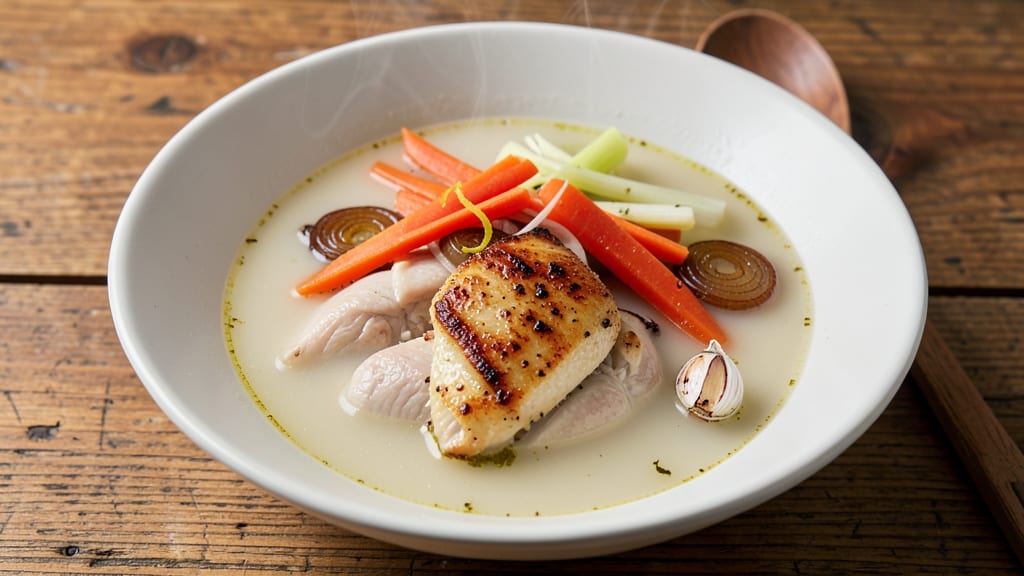
A basic clear soup is the ultimate comfort food—light yet satisfying, ready in 20 minutes, and endlessly adaptable. Whether you're using vegetable broth for a vegetarian version or beef for heartier flavor, this recipe delivers a clean, refreshing base that works for any season.
The secret lies in proper simmering and ingredient ratios that balance simplicity with depth.
This recipe builds on a foolproof method that transforms simple ingredients into a velvety, aromatic broth. You'll start with a flavorful base—whether chicken, beef, or vegetable—and let it simmer just long enough to develop richness without overcooking.
The result? A crystal-clear soup that's light enough for summer but comforting enough for winter.
Perfect for meal prep or last-minute dinners, this soup adapts to your pantry. Add fresh herbs, a splash of citrus, or a sprinkle of protein to customize it. The technique ensures consistent results every time, making it ideal for beginners and seasoned cooks alike.
Once you master this foundational recipe, you can experiment with variations like adding noodles, dumplings, or seasonal vegetables. The broth itself becomes a versatile canvas for any topping or garnish you prefer. Let's get started with a method that's both simple and impressive.
Ingredients for basic clear soup
Transform simple ingredients into a velvety, aromatic broth with this crystal-clear soup foundation.
| Ingredient | Amount | Notes |
|---|---|---|
| Chicken Breast 🍗 | 1 ½ lb | Boneless, skinless, cut into chunks |
| Yellow Onion 🧅 | 1 whole | Medium size, peeled and quartered |
| Carrots 🥕 | 3 medium | Peeled and cut into 1-inch pieces |
| Celery Stalk 🌿 | 3 whole | Trimmed and cut into 1-inch pieces |
| Garlic Cloves 🧄 | 4 cloves | Peeled and lightly smashed |
| Chicken or Vegetable Broth 💧 | 6 cups | Low-sodium preferred for balance |
| Fresh Thyme Sprigs 🌿 | 2 whole | Or 1 tsp dried thyme |
| Fresh Parsley 🌿 | ¼ cup | Chopped, for garnish |
| Extra-Virgin Olive Oil 🫒 | 2 tbsp | For sautéing vegetables |
| Salt 🧂 | 1 ½ tsp | Diamond Crystal preferred |
| Black Peppercorns 🌶️ | ½ tsp | Freshly cracked |
| Lemon Juice 🍋 | 1 tbsp | Freshly squeezed |
| Fresh Ginger 🌿 | 1 inch | Peeled and sliced thinly |
The broth base determines the soup's character—chicken broth delivers classic depth, while vegetable broth keeps it vegetarian. For maximum flavor, use homemade broth if possible, but quality store-bought like Pacific Foods or Imagine works beautifully. Fresh ginger and thyme are non-negotiable for authentic aroma; Trader Joe's carries excellent pre-peeled ginger slices, saving prep time. The Diamond Crystal kosher salt is preferred for its fine grain and consistent flavor profile, but any kosher salt will suffice. For the vegetables, organic carrots and celery ensure cleaner flavor without bitterness.
No fresh thyme? Dried thyme at one-third the amount works in a pinch, though fresh provides superior aroma. Substitute fennel bulb for half the onion if you're feeling adventurous—it adds a subtle sweetness. The ginger can be omitted entirely if you dislike its sharpness, though it's essential for that signature clear-soup brightness. For a lighter broth, use low-sodium broth and reduce the added salt to 1 teaspoon. The lemon juice should be freshly squeezed—bottled versions lack the bright acidity needed to cut through the soup's richness. If you're making this ahead, freeze the broth base without the fresh herbs for up to 3 months.
This soup reaches peak flavor after 24 hours of refrigeration, when the flavors meld beautifully. Store in airtight containers with a thin layer of olive oil on top to preserve freshness for 4-5 days. For longer storage, freeze in ice cube trays for easy portioning—each cube makes a perfect single-serving starter. The fresh herbs should be added just before serving to maintain their vibrant color and aroma. When reheating, do so gently over low heat to prevent clouding the broth's clarity. This recipe scales perfectly for meal prep—double the batch and freeze half for future use.
Why You'll Love This Recipe
- I swear by this trick: chop all the veggies—onion, carrots, celery—while the chicken simmers. No last-minute scrambling. That crispy garlic aroma? It hits the second the pan warms up.
- 20-Minute Mise en Place: I swear by this trick: chop all the veggies—onion, carrots, celery—while the chicken simmers. No last-minute scrambling. That crispy garlic aroma? It hits the second the pan warms up.
- Soup That Sings: The chicken stays tender, the carrots melt into sweetness, and that celery? It adds this earthy depth that makes you want seconds. Honestly, it’s the kind of simple broth that turns a boring day around.
- Leftovers That Lie: I’ll make a big batch on Sunday, and by Wednesday, no one remembers how "basic" it was. Freeze half—it’s my secret weapon for sick days or lazy nights when I can’t even think about cooking.
Step-by-step instructions for light chicken vegetable soup
This method delivers a perfectly balanced, aromatic broth in under 20 minutes—crisp vegetables, tender chicken, and layers of herbal brightness.
Sear the Chicken for Deep Flavor
Heat a large pot over medium-high heat and add the 2 tablespoons extra-virgin olive oil. Once shimmering, add the 1.5 lb chicken breast chunks in a single layer. Let them sear undisturbed for 3-4 minutes until golden brown on one side—this creates a flavorful crust that infuses the broth.
Flip the chicken and cook another 3-4 minutes until fully browned. Remove the chicken with a slotted spoon and set aside. The remaining browned bits in the pot will form the foundation of your soup's rich flavor. Don't wipe the pot clean; these are called "fond" and contain concentrated taste.
Sauté the Vegetable Base
In the same pot, add the 1 whole yellow onion quarters, 3 medium carrots, and 3 whole celery stalks. Cook over medium heat for 5-6 minutes, stirring occasionally, until the vegetables soften slightly and the onion becomes translucent. This step builds the soup's sweet, aromatic base.
Add the 4 cloves garlic and 1 inch fresh ginger slices, cooking for 1 minute until fragrant. The garlic should sizzle gently—if it burns, reduce the heat slightly. This quick cooking preserves their bright flavors rather than letting them turn bitter. Stir in the 2 whole fresh thyme sprigs and cook for 30 seconds to release their essential oils.
Simmer with Broth and Seasonings
Pour in the 6 cups chicken or vegetable broth, scraping up any browned bits from the bottom of the pot. Return the chicken to the pot, add the 1.5 teaspoons salt and 0.5 teaspoon black peppercorns, and bring to a gentle boil over high heat. Once boiling, reduce heat to medium-low and let it simmer uncovered for 10 minutes—this allows the chicken to cook through while keeping the vegetables crisp.
After 10 minutes, check the chicken for doneness by piercing with a fork. It should flake easily with no pink center. If it needs more time, simmer another 2-3 minutes. The broth should now be infused with the chicken's flavor and have a delicate golden hue. This is where the soup's clarity begins to develop.
Finish with Brightness and Garnish
Remove the chicken from the pot and let it cool slightly before shredding it into bite-sized pieces with two forks. Return the shredded chicken to the pot. Stir in the 1 tablespoon lemon juice and taste—this bright citrus note cuts through the richness of the broth and chicken. Adjust seasoning if needed, adding more salt or pepper as necessary.
Simmer for 2 minutes to let the lemon juice fully integrate. Turn off the heat and stir in the 0.25 cup chopped fresh parsley. Ladle the soup into bowls, garnishing each serving with additional parsley if desired. The final soup should be clear with visible vegetable pieces, tender chicken, and a delicate balance of herbal and citrus notes.
Pro Tips For Making Basic Clear Soup
- BLANCH THE CHICKEN FIRST: Toss raw chicken breast chunks into boiling water for 3-4 minutes before adding to the pot—this jumpstarts flavor extraction and keeps the broth from turning cloudy. I learned this the hard way after making soup that looked like swamp water.
- CHAR THE AROMATICS: Sear onion, carrot, celery, and garlic in oil until edges darken—even if it means a few pieces stick. That caramelization builds depth faster than slow simmering ever will. (Yes, even if you're impatient like me.)
- SKIP THE CROWDED POT: Don't dump all veggies in at once—layer them in stages to prevent boiling over and ensure even cooking. My first batch looked like a science experiment because I ignored this.
- STRAIN TWICE FOR CLARITY: Use a fine-mesh strainer first to catch big bits, then a cheesecloth-lined sieve for a silky finish. The extra effort makes the difference between "meh" and "wow" soup. (Your future self will thank you.)
Make-ahead tips for this recipe
Broth Prep Ahead
Prepare the broth base up to 3 days in advance for maximum flavor development. After simmering the vegetables and broth (Step 3), strain out the solids and store the liquid in airtight containers in the refrigerator.
The flavors deepen as the broth cools, and you can reheat it quickly when ready to assemble the soup. For even more convenience, freeze the broth in ice cube trays—each cube makes a perfect single-serving starter when thawed. 💧
Vegetable Prep Shortcuts
Save time by prepping vegetables the night before. Store cut carrots, celery, and onions in a sealed container with a damp paper towel to maintain crispness.
If using fresh ginger, peel and slice it ahead but store it in a small airtight container with a splash of water to prevent drying out. For garlic, keep the cloves whole and smash them just before cooking to preserve their freshness. 🌿
Protein Prep Options
Shred the chicken ahead of time and store it in the refrigerator for up to 2 days or freeze it for 3 months. This makes assembly a breeze—simply reheat the broth, add the pre-shredded chicken, and finish with fresh herbs.
For a vegetarian version, swap the chicken for pre-cooked chickpeas or tofu and store them separately until ready to add. 🍗
Herb Storage Hacks
Fresh thyme and parsley stay vibrant longer if stored properly. Place stems in a glass of water like flowers and cover loosely with a plastic bag in the fridge. For parsley, wrap it in a damp paper towel and store in a sealed container.
These methods keep herbs fresh for up to 1 week, ensuring your soup always has bright, fresh flavors. ✨
Freezer-Friendly Assembly
Assemble the entire soup (except fresh herbs) and freeze it in single-serving portions for quick meals. Use freezer-safe containers or heavy-duty ziplock bags, leaving 1-inch headspace for expansion.
When ready to eat, thaw overnight in the fridge and reheat gently on the stovetop. Add fresh parsley and lemon juice just before serving to restore brightness. ❄️
Reheating for Clarity
To maintain the soup's crystal-clear appearance, reheat it gently over low heat or in the microwave at 50% power. Avoid boiling, as this can cloud the broth. If the soup looks cloudy after reheating, strain it through a fine-mesh sieve to restore clarity.
A splash of cold water can also help clarify the broth instantly. 💡
Nutrition facts
Frequently asked questions
Can I make this clear soup vegetarian?
Simply replace the chicken with 1 cup cooked chickpeas or ½ cup firm tofu (cut into small cubes). Use vegetable broth instead of chicken broth, and add 1 extra carrot and 1 extra celery stalk for better flavor depth. The same simmering technique keeps the broth clear while developing rich umami notes from the vegetables.
Why is my clear soup cloudy after cooking?
Cloudiness usually means the broth needs more simmering time or the vegetables were overcooked. For instant clarity, strain the soup through a fine-mesh sieve or cheesecloth. If reheating causes cloudiness, use low heat and avoid boiling. The lemon juice at the end also helps brighten the appearance naturally.
How do I adjust the soup's thickness?
For a lighter broth, add ½ cup extra broth and simmer for 5 more minutes. To thicken, mash 1 cooked potato or 2 tablespoons cornstarch mixed with water into the soup. Remember, clear soups should remain delicate—avoid overthickening. A splash of cold water can also help adjust consistency while keeping clarity.
Can I use frozen vegetables instead of fresh?
Yes, but with adjustments. Use 1 cup frozen peas or corn instead of fresh carrots/celery, and add them only in the last 2 minutes of cooking to prevent mushiness. Fresh vegetables create clearer broths, but frozen works well for convenience. Just avoid overcooking—they release more starch when thawed.
What's the best way to store leftovers?
Store in airtight containers in the fridge for 4-5 days. For longer storage, freeze the broth (without herbs) for up to 3 months. When reheating, use low heat and add fresh herbs at the end. Never freeze with lemon juice—add it fresh when serving to maintain brightness.