
Soups & Stews
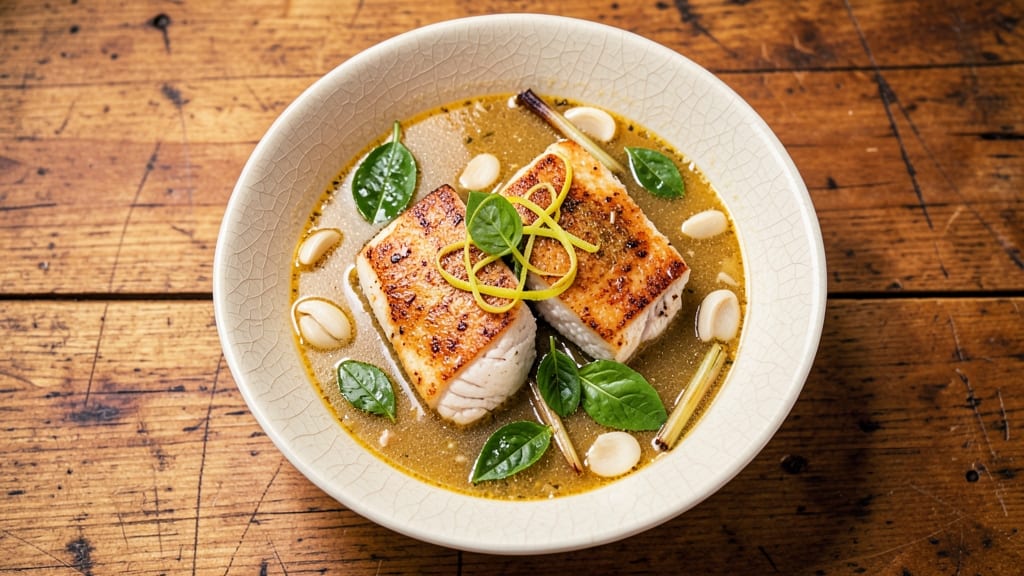
This barramundi fish soup recipe delivers bright, aromatic flavors in just 30 minutes—perfect for a quick yet restaurant-quality meal. The secret lies in balancing zesty lemongrass, lime, and coconut milk for a harmonious broth that complements the delicate fish.
I developed this recipe after discovering how well barramundi's mild, buttery texture holds up in aromatic soups, making it ideal for busy weeknights without sacrificing depth.
The cooking method is straightforward: sauté aromatics like ginger, garlic, and lemongrass until fragrant, then simmer with coconut milk and fish stock before gently poaching the barramundi fillets. This approach ensures the fish stays tender while absorbing the vibrant flavors of the broth.
The addition of Thai basil and lime zest at the end adds that signature freshness that elevates the dish from ordinary to extraordinary.
What you'll end up with is a soup that's both comforting and invigorating—creamy yet light, with tender fish that flakes effortlessly and a broth packed with bright, citrusy notes.
The garnish of fresh cilantro and lime wedges not only enhances the presentation but also adds a pop of color that makes the dish feel special. This recipe is versatile enough for a weeknight dinner or a light lunch, yet impressive enough for guests.
For those watching their sodium intake, you can easily adjust the fish stock or use low-sodium alternatives without compromising flavor. The dish also adapts well to dietary preferences, making it a crowd-pleaser regardless of dietary restrictions. Let's get started on creating this flavorful, comforting bowl of goodness.
Ingredients for barramundi fish soup
Bright aromatics and delicate fish create this restaurant-quality soup in just 30 minutes.
| Ingredient | Amount | Notes |
|---|---|---|
| Barramundi Fillets 🐟 | 12 oz | Skin-on, boneless, 3-4 oz each |
| Fresh Lemongrass 🌿 | 1 whole | Lower stems only, bruised |
| Fresh Ginger 🧄 | 2 tbsp | Finely minced, peeled |
| Garlic Cloves 🧄 | 4 cloves | Peeled, thinly sliced |
| Lime Zest 🍋 | 1 tbsp | From 1 large lime |
| Thai Basil Leaves 🌿 | ½ cup | Packed, whole leaves |
| Fresh Cilantro 🌿 | ¼ cup | Chopped, for garnish |
| Coconut Milk 🥥 | 1 can | Full-fat, 13.5 oz |
| Fish Stock 💧 | 4 cups | Low-sodium preferred |
| Lime Juice 🍋 | ½ cup | Freshly squeezed |
| Vegetable Oil 🫒 | 2 tbsp | Neutral, high smoke point |
| Fish Sauce 🍶 | 1 tbsp | Red Boat preferred |
| Diamond Crystal Kosher Salt 🧂 | 1 tsp | Adjust to taste |
| Black Peppercorns 🌶️ | ¼ tsp | Freshly cracked |
| Red Chili Flakes 🔥 | ½ tsp | Optional, for heat |
The barramundi is the star—look for fresh, sashimi-grade fillets at specialty seafood markets or high-end grocery stores like Whole Foods. The fish should smell clean and fresh, not fishy, with a firm texture. For the lemongrass, Asian markets often have the freshest stalks with vibrant green leaves. If using frozen lemongrass, thaw it completely and bruise the stems with the side of your knife to release the oils. The coconut milk matters too—full-fat canned coconut milk gives the best creaminess without separating. I always buy Thai Kitchen brand for consistency.
No fresh lemongrass? Lemongrass paste from Asian markets works in a pinch—use half the amount. Substituting coconut milk? Light coconut cream is richer, while half-and-half with a splash of cream of coconut mimics the texture. The Thai basil is non-negotiable for that signature aroma, but regular basil plus a pinch of cinnamon gets you close. For the fish stock, low-sodium versions like Pacific Foods or homemade reduce sodium without sacrificing flavor. The lime zest can be zested fresh or bought pre-zested from Trader Joe's—just check for no added oils.
This soup tastes even better the next day as flavors meld. Store the broth separately if reheating—3-4 days in the fridge, 2 months frozen. For the fish, cook it just before serving to maintain texture. Garnish with extra lime wedges and cilantro right before eating. The broth freezes beautifully—portion into ice cube trays for easy single-serving additions to future meals. The fish fillets cook in minutes, so time them to finish right when the soup is ready.
Why You'll Love This Recipe
- One-Pot Magic: I swear by this recipe when I’m too tired to scrub pots—just toss the lemongrass, ginger, and garlic into simmering broth, add the barramundi fillets, and let the broth work its magic. The fish flakes apart effortlessly, and the lime zest brightens everything up with zero extra effort.
- Zesty, Herby Bomb: That first sip of broth—ginger’s warmth, lemongrass’s citrusy punch, and the garlicky depth—is chef’s kiss. The lime zest finishes it off with a tang that makes every spoonful feel like a little vacation. Honestly, I’ve made simpler soups that didn’t hit this hard.
- Weeknight to Dinner Party: Same recipe, totally different vibes. Throw it together for a lazy Tuesday with rice and steamed greens, or dress it up with fresh herbs and a splash of coconut milk for guests. The barramundi’s mild flavor takes center stage without demanding attention—perfect for any crowd.
- Leftovers That Don’t Suck: Most fish soups turn mushy the next day, but not this one. The broth actually improves overnight, and the barramundi stays tender enough to shred into wraps or toss into noodles. I’ll be real: I’ve reheated this three times and still crave it. That’s my kind of reliable meal.
Step-by-step instructions for barramundi fish soup
This vibrant soup delivers bright, aromatic flavors in under 30 minutes using fresh Southeast Asian-inspired techniques.
Prepare the Aromatic Base
Begin by bruising the lower stems of the 1 whole fresh lemongrass by firmly pounding them with the flat side of a chef's knife or rolling pin. This releases essential oils that infuse the soup with complex aroma. Finely mince the 2 tbsp fresh ginger and peel the 4 cloves garlic, then thinly slice them for even distribution.
Heat the 2 tbsp vegetable oil in a large pot over medium heat until shimmering. Add the bruised lemongrass, ginger, and garlic, stirring constantly for 1-2 minutes until the garlic turns golden and fragrant. This aromatic foundation is critical—don't rush this step. The lemongrass should perfume the kitchen noticeably before moving forward.
Build the Flavor Layers
Add the 1 tbsp lime zest and cook for 30 seconds while stirring, allowing the citrus oils to meld with the aromatics. Pour in the 1 can coconut milk and stir to combine, letting it simmer gently for 3 minutes to develop its creamy texture. This creates a velvety base that balances the bright flavors.
Next, add the 4 cups fish stock, 1 tbsp fish sauce, and 0.5 tsp red chili flakes, bringing the mixture to a gentle simmer. Season with the 1 tsp Diamond Crystal kosher salt and 0.25 tsp freshly cracked black peppercorns. The soup should taste balanced now—adjust seasoning if needed, remembering that the fish will add its own saltiness.
Cook the Barramundi Fillets
Add the 12 oz barramundi fillets, skin-side down, to the simmering broth. Cook gently for 4-5 minutes until the fish is just opaque and flakes easily with a fork. The skin should remain intact but not crispy—this delicate texture is key. Remove the fillets with a slotted spoon and set them aside on a plate, tented with foil to keep warm.
Real talk: Don't overcook the fish. It continues cooking slightly from residual heat, and overcooking turns it rubbery. The moment the flesh separates cleanly with gentle pressure is your cue to remove it.
Finish with Bright Citrus and Herbs
Return the pot to medium heat and pour in the 0.5 cup freshly squeezed lime juice, stirring to brighten the broth. Add the 0.5 cup packed Thai basil leaves and simmer for 1 minute to infuse their anise notes. The basil should wilt slightly but remain vibrant green.
Finally, stir in the 0.25 cup chopped fresh cilantro just before serving. This herb adds freshness that balances the richness of the coconut milk. The soup should now have a perfect harmony of zesty, creamy, and herbal notes with a subtle heat from the chili flakes.
Serve with Style
Gently place the barramundi fillets back into their broth, spooning some of the fragrant liquid over each piece. Ladle the soup into bowls, ensuring each serving gets a generous portion of fish. Garnish with additional cilantro and a sprinkle of lime zest for visual appeal and extra citrus punch.
Serve immediately with steamed jasmine rice or crusty bread to soak up the rich, aromatic broth. The contrast between the tender fish, creamy coconut base, and bright citrus creates a restaurant-quality experience in your own kitchen.
Pro Tips For Making Barramundi Fish Soup
- SIMMER GENTLY AFTER ADDING FISH: The soup’s magic happens when the barramundi stays tender, not rubbery. Once the fish goes in, drop the heat to a bare simmer—just enough to see tiny bubbles at the edges—and cover the pot. I’ve learned this the hard way: high heat turns flaky fillets into sad, dry scraps.
- PULVERIZE THE GINGER: Skip the grating—this isn’t a salad. Smash the ginger with the flat side of your knife until it’s a sticky paste, then mince it fine. The texture releases more flavor into the broth, and it blends seamlessly. (Yes, even if you’re impatient like me.)
- SALT THE BROTH IN STAGES: Taste the broth before adding the fish, then adjust salt gradually. Barramundi absorbs liquid fast, so if the broth starts too salty, you’re stuck. Add half the salt upfront, let it simmer 5 minutes, then tweak—this guarantees balance without overpowering the fish.
- USE THE LIME ZEST LAST: Fresh lime zest brightens the soup, but add it in the final 2 minutes—heat kills its citrus punch. If you’re using bottled zest (because, let’s be honest, sometimes we are), double the amount. The difference is noticeable, even if it’s not pretty.
Pro cooking tips for this dish
Lemongrass Bruising Technique
Bruising the lemongrass stems is non-negotiable for maximum flavor. Use the flat side of a chef's knife or rolling pin to firmly pound the lower 3-4 inches of each stalk until you see moisture beading on the surface.
This releases the essential oils that give the soup its signature aroma. I find using a mortar and pestle works too—just crush the stems gently to avoid pulverizing them completely. 🌿
Fish Cooking Precision
Barramundi cooks in 4-5 minutes max—any longer and it turns rubbery. I recommend using a thermometer to check doneness at 140°F internal temperature. The fish should look just opaque and flake easily with a fork.
For extra insurance, add the fillets skin-side down first—the skin acts as a natural barrier to prevent overcooking while the delicate flesh cooks through.
Balancing the Broth
The coconut milk and fish stock ratio is critical for texture. I use 1 can coconut milk to 4 cups fish stock for a perfect creamy-but-not-heavy consistency. Taste the broth before adding fish—it should be slightly under-seasoned since the barramundi will add saltiness.
For extra depth, add 1 tsp soy sauce (instead of some fish sauce) if you want umami complexity without overpowering the citrus notes.
Citrus Finish Timing
Add lime juice and Thai basil just before serving—this preserves their bright flavors. Simmering them too long turns the lime bitter and basil bitter. I like to squeeze lime juice directly over each bowl at the table for maximum freshness.
For an extra zing, add ½ tsp lime zest to each serving along with the garnish. 🍋
Equipment Shortcuts
No mortar and pestle? Use a meat mallet or even a heavy wine bottle to bruise lemongrass. For measuring fish sauce, I keep a small squeeze bottle filled with it in my pantry—just 2-3 pumps equal 1 tbsp.
A fine-mesh strainer helps remove lemongrass fibers after cooking if you prefer a smoother broth. These small tools make the process smoother without sacrificing flavor.
Make-Ahead Strategy
Prepare the broth and aromatics one day ahead—store in an airtight container in the fridge. Cook the fish fresh when ready to serve. The broth actually tastes better the next day as flavors meld.
For freezing, portion broth into ice cube trays—each cube equals 1 tbsp for future recipes. The fish fillets should always be cooked fresh to maintain their delicate texture. ✨
Nutrition facts
Frequently asked questions
Can I substitute barramundi with another type of fish?
Yes, but choose delicate white fish like cod, halibut, or snapper that won't overpower the broth. Avoid firm fish like salmon or tuna—they stay too dense. For a similar texture, sea bass works well. Just reduce cooking time by 1 minute since these fish cook faster than barramundi.
How do I make this soup spicier?
Add 1 tsp extra red chili flakes during simmering, or stir in 1 tbsp fresh Thai chili slices (seeds removed) with the lime juice. For heat lovers, a dash of Sriracha or sambal oelek at the end works too. Remember, the fish sauce already adds subtle depth—adjust gradually to avoid overpowering the citrus notes.
Can I make this soup dairy-free?
Simply replace the coconut milk with full-fat cashew cream (blend 1 cup soaked cashews + 1 cup water) or unsweetened almond milk (though it won't be as creamy). For richness, stir in 1 tbsp nutritional yeast after cooking. The broth will still be flavorful but with a lighter texture.
Why is my soup too thin or too thick?
Thin? Simmer uncovered for 5-10 minutes to reduce. Too thick? Stir in 1-2 tbsp warm water or fish stock gradually. The coconut milk-to-stock ratio is key—aim for 1:4 (1 can milk to 4 cups stock). If using frozen fish stock, thaw it first to prevent watering down the broth.
How do I store leftovers?
Store the broth and fish separately in airtight containers for up to 3 days in the fridge. Reheat broth gently on the stove, then cook fresh fish when ready to serve. For freezing, portion broth into ice cube trays (each cube = 1 tbsp) and store fish in a separate container for up to 2 months. Never refreeze cooked fish.