
Soups & Stews
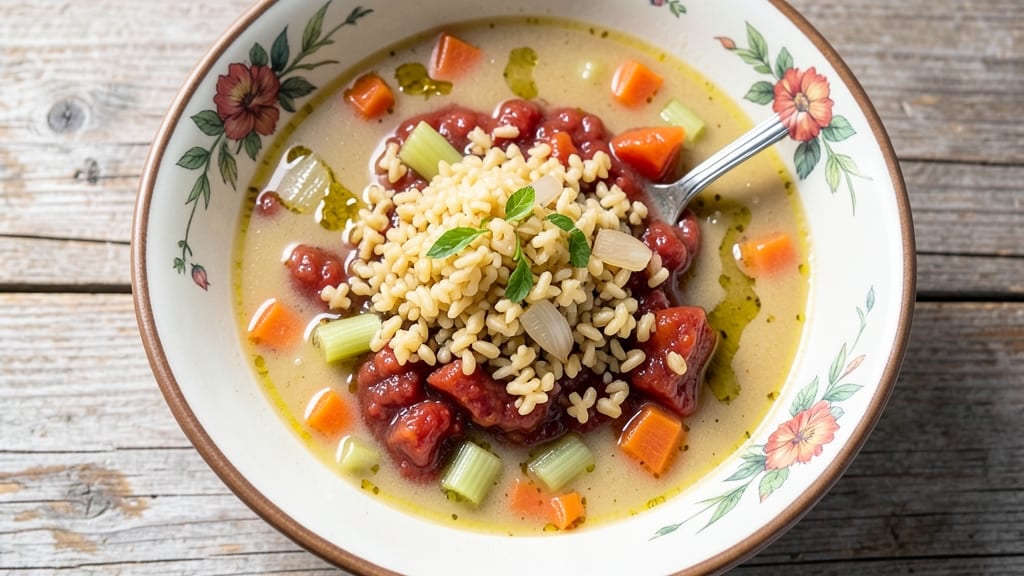
Barilla pastina soup delivers the ultimate comfort in a bowl—creamy tomato broth infused with tender vegetables and al dente pasta that adds satisfying crunch with every spoonful. This traditional Italian recipe transforms simple ingredients into a dish that feels like a warm hug, perfect for chilly evenings or when you crave something hearty yet light. The secret lies in simmering the broth just right, letting the flavors meld while keeping the pastina firm enough to bite into.
What sets this soup apart is the balance of textures and flavors: the velvety tomato broth, the crisp-tender pastina, and the option to add a sprinkle of Parmesan for depth.
Unlike many soups that rely on heavy cream, this version stays light yet rich, thanks to a slow-simmered vegetable base and a touch of olive oil for brightness. The recipe is designed to be adaptable—use chicken broth for extra heartiness or keep it vegetarian with vegetable stock.
By the time you finish, you’ll have a bowl of soup that’s creamy, aromatic, and packed with layers of flavor—each spoonful offering a mix of smooth broth and satisfying pasta crunch.
The pastina cooks just enough to soften but holds its shape, ensuring that first satisfying bite. This is the kind of soup that disappears quickly, leaving everyone asking for seconds.
Serve it as a starter to begin a meal or as a complete dish on its own, paired with crusty bread to soak up every last drop. The beauty of this recipe is in its simplicity—no fancy techniques, just good ingredients and patience. Let’s get cooking!
Ingredients for barilla pastina soup
Simple ingredients that transform into velvety tomato broth with al dente pasta crunch.
| Ingredient | Amount | Notes |
|---|---|---|
| Barilla Pastina 🍝 | ½ cup | Uncooked, star-shaped pasta |
| Canned San Marzano Tomatoes 🍅 | 1 can | 28 oz can, crushed by hand |
| Vegetable Broth 💧 | 4 cups | Low-sodium preferred |
| Carrots 🥕 | 1 medium | Peeled, diced small |
| Celery Stalks 🧅 | 2 whole | Diced, about 0.5 cup |
| Onion 🧅 | 1 medium | Diced, yellow or red |
| Garlic Cloves 🧄 | 3 cloves | Minced, fresh preferred |
| Extra-Virgin Olive Oil 🫒 | 2 tbsp | For richness and brightness |
| Fresh Basil Leaves 🌿 | ¼ cup | Chopped, for freshness |
| Parmesan Cheese 🧀 | ¼ cup | Freshly grated, for serving |
| Salt 🧂 | 1 tsp | Kosher or sea salt |
| Black Pepper 🌶️ | ½ tsp | Freshly ground |
| Crusty Bread 🍞 | 1 loaf | For serving, optional |
| Freshly Ground Black Pepper 🌶️ | ¼ tsp | For finishing |
The San Marzano tomatoes are non-negotiable here—their sweet, meaty texture elevates the broth. Grab the 28 oz can from Trader Joe's or Whole Foods for the best flavor. Fresh basil matters too; farmers market basil has more punch than grocery store containers. The pastina? Barilla's star-shaped variety is ideal—it holds its shape beautifully. For the broth, low-sodium vegetable stock prevents salt overload, but feel free to adjust to taste. If you're using chicken broth for extra heartiness, reduce the salt by half since it's often high-sodium.
No San Marzano tomatoes? Crushed regular tomatoes work, but you'll lose some depth. Fresh basil? Dried oregano at half the amount gets you close, though it won't have that fresh aroma. The celery and carrots can be swapped for frozen mixed vegetables in a pinch—just thaw and drain first. For a richer broth without cream, add 1 tbsp tomato paste to the simmering vegetables. The Parmesan is purely optional but adds a savory finish—skip it for a vegetarian version or use nutritional yeast for a dairy-free alternative.
This soup tastes even better the next day as flavors meld. Store leftovers in an airtight container in the fridge for up to 4-5 days. The pastina stays firm but tender—perfect for reheating. For freezing, portion into containers and freeze for up to 3 months**. When reheating, add a splash of water or broth to restore creaminess. The crusty bread? Garlic bread or sourdough works best—toss it in the oven while the soup simmers for a complete meal.
Why You'll Love This Recipe
- No-Chop Required: I swear by this—just dice the carrots and celery roughly, then toss them in. That vegetable broth and San Marzano tomatoes handle the rest, turning everything into a silky, sweet base. Even my toddler can help "mash" the pastina with a fork.
- Tomato Magic: The San Marzano tomatoes here aren’t just flavor—they’re the star. Their natural sweetness balances the earthy pastina, while the broth keeps it light. It’s the kind of soup that makes you forget it’s "just" a tomato soup.
- Lunchbox Hero: Between us, this is my go-to for meal prep. The pastina holds up perfectly for days, and I’ll pack it cold or reheat it—either way, it’s a hit. My coworkers actually ask for seconds, which never happens.
- Budget-Friendly Luxury: Honestly, this costs me pennies per serving but tastes like a restaurant dish. The pastina and canned tomatoes stretch the broth, and the carrots/celery add depth without breaking the bank. Leftovers? They’re just better tomorrow.
Step-by-step instructions for al dente Barilla pastina soup
This method delivers a rich, velvety tomato broth with perfectly al dente star-shaped pasta.
Sauté the Vegetable Base
Heat the 2 tablespoons extra-virgin olive oil in a large pot over medium heat. Add the diced onion, diced carrots, and diced celery stalks, cooking for 5-6 minutes until the vegetables soften and begin to release their natural juices. You'll notice the mixture smells sweet and aromatic—this is your signal they're ready for the next step.
Add the 3 minced garlic cloves and cook for an additional 30 seconds until fragrant. Be careful not to let the garlic burn—it should smell sweet and nutty, not bitter. This aromatic base forms the flavor foundation for your entire soup.
Build the Tomato Broth
Pour in the 1 can crushed San Marzano tomatoes and stir well to combine with the sautéed vegetables. Let the mixture simmer gently for 5 minutes to allow the flavors to meld together. You'll see the tomatoes break down slightly and release their rich, tangy juices.
Add the 4 cups vegetable broth, 1 teaspoon salt, and 0.5 teaspoon black pepper. Bring the mixture to a gentle boil, then reduce the heat to low and let it simmer uncovered for 15 minutes. This slow simmering process develops deep, complex flavors in the broth while preventing it from becoming too acidic.
Cook the Barilla Pastina
While the broth simmers, bring a separate pot of salted water to a rolling boil. Add the 0.5 cup uncooked Barilla pastina and cook for 3-4 minutes until it's al dente—the pasta should have a slight bite to it when you taste it. Drain immediately and set aside, reserving 0.5 cup pasta water.
This short cooking time is crucial—overcooking will turn the pasta mushy. The al dente texture provides that satisfying crunch that makes this soup special. The reserved pasta water will help adjust the soup's consistency later if needed.
Combine and Finish
Add the cooked Barilla pastina to the simmering tomato broth. Stir gently to distribute the pasta evenly throughout the soup. Let the entire mixture simmer together for an additional 5 minutes to allow the pasta to absorb some of the broth's flavors while maintaining its texture.
Taste and adjust the seasoning if needed. If the soup is too thick, add 1-2 tablespoons of the reserved pasta water to reach your desired consistency. The soup should be creamy but not heavy—each spoonful should coat the back of your spoon with a velvety texture.
Serve with Fresh Garnishes
Ladle the hot soup into bowls and immediately garnish each serving with 0.25 cup freshly grated Parmesan cheese and 0.25 teaspoon freshly ground black pepper. The Parmesan adds a salty, umami depth while the fresh black pepper provides a bright, finishing touch.
Serve with crusty bread on the side for dipping. The bread's crisp texture contrasts beautifully with the creamy soup, and each bite delivers that perfect al dente pasta crunch. This soup is best enjoyed immediately while the pasta maintains its satisfying texture.
Pro Tips For Making Barilla Pastina Soup
- TOAST THE PASTINA FIRST: I learned this the hard way—skipping the quick toast makes the pasta gummy. Heat a dry pot over medium-high and stir the Barilla pastina for 1-2 minutes until it smells nutty and looks slightly translucent. This step guarantees texture instead of mush.
- SAUTÉ THE AROMATICS LONG: Don’t rush the celery and carrots. Cut them into ¼-inch dice and cook them in olive oil for 8-10 minutes until they’re deeply golden, not just softened. This builds flavor that’ll carry through the whole soup—trust me, your spoon will taste the difference.
- SKIP THE BOILING BROTH: Low and slow is the name of the game. Once the tomatoes and broth come in, keep the heat at a gentle simmer—never a rolling boil. High heat breaks down the tomatoes and makes the pastina turn to paste. A steady simmer keeps everything tender and cohesive.
- USE WHOLE TOMATOES, NOT CRUSHED: Drain the San Marzano tomatoes, but leave them whole and quarter them instead of mashing. They’ll release flavor gradually and avoid turning the soup into a thick, one-note sauce. Plus, you’ll get fewer seeds floating around—no one wants that.
Storing and reheating this dish
Refrigerator Storage
Let your Barilla pastina soup cool to room temperature for no more than 2 hours before transferring to an airtight container—I love using glass Pyrex containers with snap-on lids. Store it in the fridge at 40°F or below for up to 4-5 days.
The flavors actually deepen overnight as the broth continues to meld with the pasta. The pastina stays perfectly al dente, ready to be reheated with minimal texture loss. 💪
Freezer Storage
For longer storage, freeze your soup in quart-sized freezer bags or airtight containers, leaving 1 inch of headspace for expansion. Seal tightly to prevent freezer burn and label with the date. This soup keeps its quality for up to 3 months in the freezer.
When ready to enjoy, thaw overnight in the fridge or use the microwave on defrost setting for quicker results. 🥶
Stovetop Reheating
My preferred method for reheating is on the stovetop—it preserves the best texture. Pour the soup into a pot and heat over medium-low heat for 8-10 minutes, stirring occasionally. If the soup seems too thick after reheating, add 1-2 tablespoons of water or broth to restore creaminess.
Taste and adjust seasoning with a pinch of salt or black pepper if needed. The pastina will maintain its satisfying bite. 🔥
Microwave Reheating
For quick reheating, transfer the soup to a microwave-safe bowl and cover loosely with a microwave-safe lid or damp paper towel. Heat on 70% power for 3-4 minutes, stirring halfway through. If the soup looks dry, add a splash of water or reserved pasta water.
The microwave method works in a pinch but may slightly soften the pastina—best for when you're short on time. ⏰
Reviving Texture
If your reheated soup feels too soft, don't worry—you can revive the pastina's texture. Add 1-2 tablespoons of cold water and let it sit for 5 minutes before reheating again. This trick helps restore the al dente quality.
For extra richness, stir in 1 teaspoon of olive oil or a sprinkle of Parmesan while reheating. The result will be just as satisfying as when you first made it! ✨
Nutrition facts
Frequently asked questions about Barilla pastina soup
Can I use regular pasta instead of Barilla pastina?
While you can substitute other small pasta shapes like orzo or stelline, Barilla pastina's star shape is ideal—it holds its texture beautifully and adds that satisfying crunch. For best results, use a pasta with a similar cooking time (3-4 minutes al dente). Avoid larger shapes like penne, as they'll overcook in the broth.
How do I make this soup vegetarian?
Simply swap the vegetable broth for vegetable stock and skip any meat additions. For extra depth, stir in 1 tbsp tomato paste with the sautéed vegetables. The Parmesan can be omitted or replaced with nutritional yeast for a dairy-free option. The resulting soup stays rich and flavorful!
Why does my soup taste too acidic?
This usually happens when the tomatoes simmer too long, releasing excess acidity. To fix it, stir in 1 tsp sugar or 1 tbsp tomato paste to balance the flavors. For prevention, simmer the broth for no more than 15 minutes after adding the tomatoes. A pinch of baking soda (just 1/8 tsp) can also help neutralize acidity in a pinch.
Can I add protein to this soup? For extra heartiness, add 1 cup diced chicken breast (cooked separately) or 1/2 cup white beans (rinsed) to the simmering broth. For a seafood twist, stir in 1/2 lb cooked shrimp just before serving.
What's the secret to getting that perfect al dente crunch?
The key is cooking the pastina separately for just 3-4 minutes in boiling water, then adding it to the broth at the end. This ensures it stays firm while absorbing the flavors. For extra crunch, reserve 1 tbsp of the pasta water and stir it in before serving—this helps maintain the texture while reheating.