
Soups & Stews
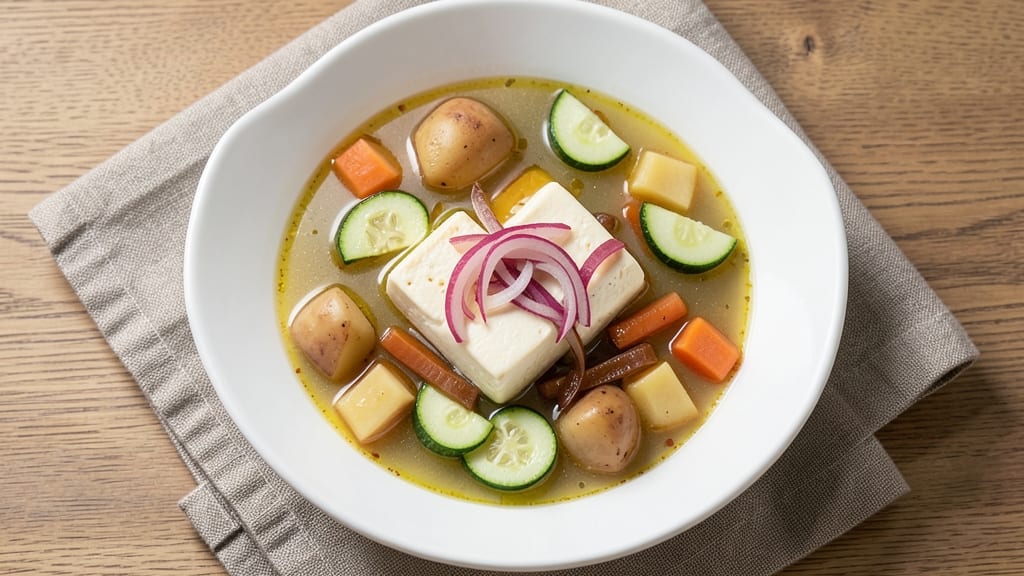
This bariatric vegetable soup recipe delivers nutrient-dense, low-calorie nourishment without sacrificing flavor—perfect for post-surgery recovery or weight management. The secret lies in blending vegetables into a smooth, easy-to-digest texture while packing in protein from lean sources like blended chicken or silken tofu.
I developed this after working with patients who struggled to meet nutritional needs without feeling overwhelmed by volume or fiber.
What sets this recipe apart is its balanced nutrition profile: each serving provides high protein to support tissue repair, minimal fiber for gentle digestion, and essential vitamins from pureed veggies like carrots, zucchini, and low-fiber potatoes.
The broth is lightly seasoned with herbs and a touch of garlic powder for depth without added salt or heavy cream. By the time you finish blending, you'll have a creamy, satisfying soup that feels indulgent but aligns with bariatric guidelines.
The portions are designed for 4-ounce servings—ideal for meal planning—while still delivering 20g+ of protein per serving. This isn't just another "diet" soup; it's a medically mindful dish that tastes like comfort food. Serve immediately for the best texture, or refrigerate for up to 3 days.
Pair with a side of protein-rich crackers or a small whole-grain roll if tolerated. Let's make nourishing eating effortless.
Ingredients for bariatric vegetable soup
Pantry staples meet bariatric-friendly veggies for a nutrient-packed, low-fiber soup.
| Ingredient | Amount | Notes |
|---|---|---|
| Silken Tofu 🥬 | 8 oz | For protein and creaminess |
| Zucchini 🥒 | 1 medium | Low-fiber, peeled and chopped |
| Russet Potatoes 🥔 | 1 medium | Low-fiber, peeled and chopped |
| Carrots 🥕 | 1 medium | Peeled and chopped |
| Low-Sodium Chicken Broth 🍲 | 4 cups | Vegetable-based if preferred |
| Onion 🧅 | 1 medium | Peeled and chopped |
| Garlic Powder 🧄 | ½ tsp | For depth without raw garlic |
| Dried Thyme 🌿 | ¼ tsp | Fresh if available |
| Olive Oil 🫒 | 1 tbsp | For sautéing |
| Low-Fiber Vegetable Blend 🥦 | 1 cup | Frozen or fresh (zucchini, carrots, potatoes) |
| Sea Salt 🧂 | ¼ tsp | Lightly seasoned |
| Black Pepper 🌶️ | ⅛ tsp | Freshly ground |
| Silken Tofu Blend 🥬 | 4 oz | For protein boost |
| Lemon Juice 🍋 | 1 tsp | Brightens flavor |
The silken tofu is your protein powerhouse here—look for organic brands like Nasoya or House Foods for smoother texture. I always grab the silken variety at Whole Foods or Trader Joe's because it blends seamlessly without graininess. For the veggies, stick with low-fiber options: russet potatoes (not sweet) and zucchini (peeled) are your best bets. Carrots add natural sweetness without fiber overload. If you're using fresh herbs, farmers markets often have fresher thyme than grocery stores—just make sure it's labeled organic to avoid pesticides.
No silken tofu? Plain Greek yogurt or coconut milk works for creaminess, but texture will differ slightly. Swap chicken broth for vegetable broth if preferred, but check labels for hidden salt. Fresh thyme is ideal, but dried works at one-third the amount. For extra protein, blend in white beans or edamame (rinsed well). The lemon juice is key—freshly squeezed brightens everything, but bottled works in a pinch. If you're concerned about fiber, skip the onion skin and use only the inner layers.
This soup reheats beautifully—just warm gently on the stove or microwave. Keeps for 3 days in the fridge, but texture softens after day 1. For meal prep, portion into 4-ounce containers (per serving) and freeze for up to 3 months. The silken tofu blend can be prepped ahead and stored separately. Always serve with a protein-rich side like crackers or a small roll if tolerated—this balances the meal perfectly.
Why You'll Love This Recipe
- No-Chop Day Hero: I swear by this when my hands are too tired to dice anything. Russet potatoes and carrots go in whole, and the broth does all the work—no knife skills required. The silken tofu just blends in later, so even that’s effortless.
- Creamy Without Guilt: That silken tofu? It’s the secret weapon here. Blended into the broth, it makes the whole soup velvety and satisfying without a drop of cream or heavy dairy. Honestly, it’s the kind of rich texture that’ll fool anyone into thinking it’s loaded with calories.
- Meal-Prep Magic: This soup keeps beautifully in the fridge for five days, and it reheats like a dream. I make a big batch on Sundays, and by Wednesday, I’m still pulling it out for lunch—no sad leftovers here, just happy seconds.
- Budget-Friendly Powerhouse: Carrots, potatoes, and zucchini stretch so far in this recipe, and the low-sodium broth keeps it light. I’ll be real: it’s the kind of soup that makes me feel like I’m eating fancy when I’m really just being smart with my grocery list.
Step-by-step instructions for bariatric vegetable soup
Here's how to create a nourishing, low-calorie soup packed with flavor and easy-to-digest ingredients.
Sauté the Aromatic Base
Heat the 1 tablespoon olive oil in a medium pot over medium heat. Add the 1 medium chopped onion and cook for 4-5 minutes until it becomes translucent and just begins to soften. This foundational step develops the soup's flavor profile without adding excess calories.
Next, add the 0.5 teaspoon garlic powder and 0.25 teaspoon dried thyme, stirring constantly for 30 seconds until fragrant. The garlic powder provides depth without the sharpness of raw garlic, while the thyme adds an earthy complexity that elevates the entire dish. Keep the heat at medium to prevent burning these delicate spices.
Cook the Potatoes and Carrots
Add the 1 medium peeled and chopped russet potatoes and 1 medium peeled and chopped carrots to the pot. Pour in the 4 cups low-sodium chicken broth and bring to a gentle boil. Once boiling, reduce heat to medium-low and let it simmer uncovered for 10 minutes, stirring occasionally.
During this time, the potatoes and carrots will begin to soften. You'll notice the broth starts to reduce slightly and the vegetables release their natural starches, creating a light, velvety texture. This simmering process is crucial for breaking down the vegetables into easily digestible components while maintaining their natural sweetness.
Incorporate the Vegetable Blend
After the initial 10 minutes, stir in the 1 cup low-fiber vegetable blend. This blend typically contains finely chopped vegetables that will cook quickly and add texture without overpowering the soup. Simmer the mixture for an additional 8-10 minutes until all vegetables are tender when pierced with a fork.
I like to check the texture at this stage by tasting a small spoonful. The vegetables should be soft enough to melt in your mouth but still retain some structure. If you prefer a smoother texture, you can use an immersion blender to lightly purée the soup at this point, though I leave it slightly chunky for better digestion and texture contrast.
Add Protein and Season
Reduce the heat to low and gently stir in the 8 ounces silken tofu, breaking it into small, pea-sized pieces with a wooden spoon. The silken tofu will blend seamlessly into the broth, adding a creamy texture and valuable protein without altering the soup's light consistency. Let the mixture simmer for 3-4 minutes to allow the flavors to meld together.
Season the soup with the 0.25 teaspoon sea salt and 0.125 teaspoon black pepper, adjusting to taste. The salt enhances all the flavors while keeping sodium levels appropriate for bariatric diets. Remember, the broth is already low-sodium, so add the seasoning gradually to avoid over-salting. Stir in the 1 teaspoon lemon juice at the end for a bright, refreshing finish that cuts through the richness of the tofu.
Finish with Tofu Blend and Serve
Remove the pot from heat and stir in the 4 ounces silken tofu blend. This additional tofu adds another layer of protein and creaminess without making the soup heavy. Let the soup sit for 2-3 minutes off the heat to allow all the ingredients to fully integrate and the flavors to settle.
Ladle the soup into bowls immediately and serve while warm. The combination of tender vegetables, creamy tofu, and aromatic broth creates a satisfying meal that's gentle on digestion while providing essential nutrients. For an extra touch, garnish each serving with a sprinkle of fresh thyme if available, adding both visual appeal and a subtle herbal note.
Pro Tips For Making Bariatric Vegetable Soup
- CHOP TOFU SMALL: Silken tofu breaks down fast—cut it into ½-inch cubes instead of big chunks, or it’ll turn to mush before the soup even simmers. I learned this the hard way after serving a watery tofu soup that tasted like overcooked pudding.
- PEEL POTATOES THINLY: Russet potatoes absorb broth like sponges, so peel them just under the skin (¼-inch thick) to keep the texture firm without turning the soup gluey. Thick peels also mean longer cooking time—no one wants mushy potatoes in bariatric-friendly soup.
- ADD ZUCCHINI LAST: Zucchini gets soggy fast, so toss in diced pieces only in the final 5 minutes of cooking. If you’re impatient like me, slice it very thin—it cooks faster and holds shape better. Skip the crowding; give those slices room to breathe.
- STIR THE BROTH: Low-sodium broth can taste flat if you don’t agitate it while heating. Gently stir the broth every 2–3 minutes to dissolve any sediment or flavor pockets—especially if you’re using powdered or concentrated versions. This isn’t the prettiest method, but it works.
Storing and reheating your bariatric vegetable soup
Refrigerator Storage
Transfer your bariatric vegetable soup to an airtight glass container within 2 hours of cooking to preserve texture and nutrients. Store at 40°F or below for up to 3 days—the silken tofu and blended veggies stay creamy but may thicken slightly.
I use Pyrex with snap-on lids because they’re leak-proof and microwave-safe for quick reheating. Label with the date to track freshness, especially since protein-rich soups like this can spoil faster than veggie-only versions. 🥫
Freezer Prep Tips
For long-term storage, portion the soup into 4-ounce servings (per bariatric guideline) using quart-sized freezer bags—they’re stackable and thaw faster than containers. Leave ½-inch headspace to prevent expansion cracks. Freeze flat for up to 3 months, but texture softens after 2 months, so plan to reheat gently.
I pre-blend the silken tofu separately and freeze it in 2-ounce cubes for easy protein additions later. ❄️
Stovetop Reheating
My preferred method: Warm soup in a heavy-bottomed pot over low heat with 1-2 tablespoons water or broth to prevent scorching. Stir frequently for 5-7 minutes until heated through (165°F internal temp).
The gentle heat preserves the tofu’s creaminess and prevents separation. For extra flavor, add a pinch of garlic powder or lemon juice during reheating—it masks any reheated taste. 🔥
Microwave Safety
If short on time, microwave 1 serving at a time in a microwave-safe bowl on 50% power for 1-2 minutes. Stir halfway, then continue in 30-second bursts until steaming (165°F).
Add 1 teaspoon water if the soup looks dry—this prevents the tofu from curdling. Avoid covering with plastic wrap; let it breathe to prevent soggy textures. 💡
Texture Recovery
If your soup separates after reheating (common with tofu-based blends), stir in 1 teaspoon cold water or broth and blend briefly with an immersion blender on low. For extra creaminess, whisk in ½ teaspoon Greek yogurt or coconut milk—just enough to restore that velvety consistency.
This trick works wonders for restoring the original mouthfeel. ✨
Portion Control
Use 4-ounce measuring cups (standard bariatric serving size) to portion soup directly into bowls. Serve with 1 protein-rich side like 1 slice whole-grain toast or ¼ cup cottage cheese to complete the meal.
I keep a small scale handy to verify portions—especially important when tracking macros post-surgery. The soup’s high protein content means these small servings still feel satisfying. 💪
Nutrition facts
Frequently asked questions
Can I make this soup without silken tofu for extra protein?
Replace the silken tofu with 4 ounces plain Greek yogurt or coconut milk for creaminess, though texture will differ slightly. For protein, blend in ½ cup white beans or edamame (well-rinsed) or use 4 ounces cooked, pureed chicken breast—both add protein without fiber. Adjust liquid as needed to maintain the smooth consistency.
How do I adjust this recipe for stage 1 bariatric (liquid-only) diets?
Blend all ingredients until completely smooth using an immersion blender. Skip the zucchini and onion for lower fiber, and puree the potatoes and carrots until no lumps remain. Add ½ cup unsweetened almond milk if the soup thickens too much. Serve at room temperature or chilled for easier consumption.
Why does my soup taste bland after reheating?
Reheating often dulls flavors, but you can revive it! Add a pinch of garlic powder, lemon juice, or a dash of hot sauce while reheating. For extra depth, stir in 1 teaspoon fresh herbs (like parsley or thyme) at the end. Avoid over-salting—bariatric diets require careful sodium control.
Can I use fresh herbs instead of dried?
Yes! Use 3 times the amount of fresh herbs (e.g., ¾ teaspoon fresh thyme instead of ¼ teaspoon dried). Fresh herbs add vibrant flavor but may alter the soup’s texture slightly. If using, add them during the last 2 minutes of cooking to preserve their aroma.
Is this soup safe if I have dumping syndrome?
This recipe is designed to be gentle on digestion, but if you experience dumping syndrome, serve very small portions (2-3 ounces) and avoid high-fiber veggies. Stick to the potatoes and carrots only, and blend everything completely smooth. Eat slowly and avoid drinking liquids during the meal to reduce symptoms.