
Soups & Stews
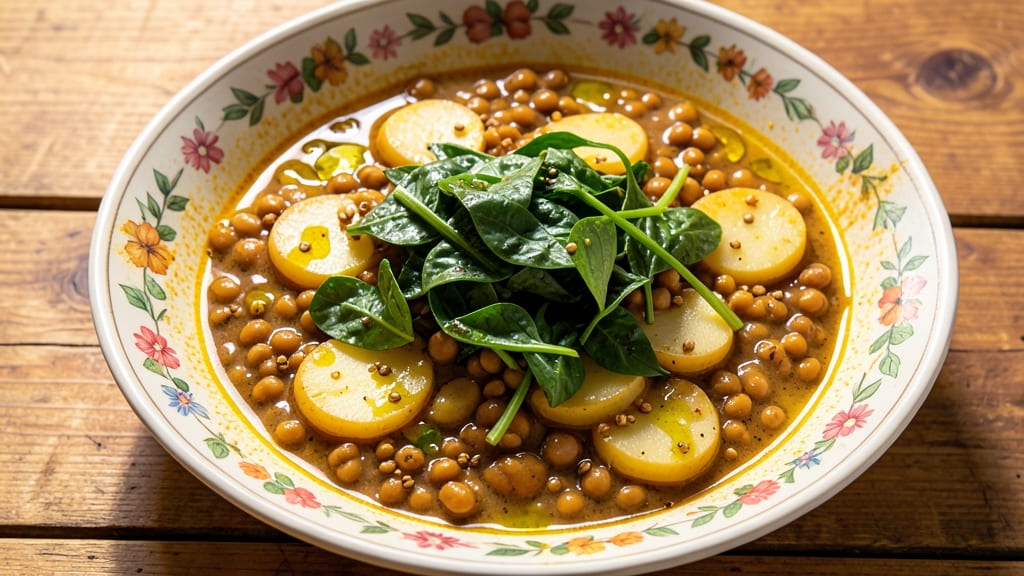
This Bangla soup recipe brings the heart of Bengali cuisine to your kitchen with its aromatic blend of mustard oil, turmeric, and lentils—simmered low and slow for deep, comforting flavors. 🌟 The dish is a staple in Bengali households, often served during festivals or as a healing meal for those recovering from illness, thanks to its nutritious ingredients and soothing warmth.
What sets this soup apart is the balance of spices and herbs—cumin, coriander, and fresh fenugreek leaves—that create a fragrant broth while keeping the flavors gentle yet vibrant.
The recipe relies on traditional ingredients like yellow lentils, potatoes, and spinach, which are simmered until tender, absorbing the rich, earthy essence of the spices.
By the time you finish cooking, you'll have a bowl of slow-simmered spice and herb harmony—creamy from the lentils, hearty from the vegetables, and infused with the signature tang of mustard oil.
The soup is simple to prepare but deeply satisfying, making it perfect for a cozy family dinner or a nourishing meal any day of the week.
The beauty of this recipe lies in its versatility—adjust the spice levels to suit your taste, or add extra greens like mustard leaves for a more authentic touch.
Once you taste the result, you’ll understand why this dish holds a special place in Bengali culture and why it’s cherished across generations.
Ingredients for bangla soup
Six cups of lentils and veggies transform into hearty Bangla soup with just mustard oil and spices.
| Ingredient | Amount | Notes |
|---|---|---|
| Yellow Lentils (Masoor Dal) 🌾 | 1 ½ cups | Rinsed well before cooking |
| Potatoes 🥔 | 4 medium | Yukon gold preferred, peeled |
| Fresh Spinach 🍃 | 4 cups | Packed, stems removed |
| Mustard Oil 🫒 | ½ cup | For authentic flavor |
| Turmeric Powder 🌿 | 1 tsp | Freshly ground preferred |
| Cumin Seeds 🌶️ | 1 tsp | Toasted lightly for aroma |
| Ground Coriander 🌿 | 1 tsp | Freshly ground if possible |
| Fresh Fenugreek Leaves (Methi) 🌿 | ½ cup | Or dried at 1 tbsp |
| Garlic Cloves 🧄 | 4 cloves | Minced for depth of flavor |
| Onion 🧅 | 1 medium | Finely chopped, yellow preferred |
| Ginger 🧄 | 1 inch | Fresh, peeled, grated |
| Salt 🧂 | 1 ½ tsp | Adjust to taste |
| Cilantro 🌿 | ¼ cup | Chopped, for garnish |
| Water 💧 | 6 cups | For simmering |
The mustard oil is non-negotiable for that signature flavor—look for it in Indian grocery stores or online. Reliable brands like Kitchens of India or Patanjali work well. If you can't find it, a mix of olive oil and a pinch of mustard seeds (toasted) gets you close. Fresh fenugreek leaves add that authentic touch, but dried works in a pinch. For the lentils, yellow lentils are key—they stay whole and creamy, unlike red lentils which turn mushy. The potatoes should be firm, not waxy, so they hold up during simmering.
No mustard oil? Olive oil with a pinch of mustard powder mimics the flavor. Short on fenugreek? Extra cilantro or parsley bridges the gap. The turmeric and cumin are essential—don't skip them. For the garlic and ginger, fresh is best, but if you're in a hurry, jarred minced garlic (no salt added) works. The spinach can be frozen—thaw and drain well before adding. Want more depth? Add a pinch of asafoetida (hing) when tempering the spices.
This soup tastes even better the next day—reheats beautifully with a splash of water. Keeps for 4-5 days in the fridge, or 3 months frozen in airtight containers. For leftovers, store with a layer of oil on top to preserve the mustard flavor. Double the batch—it disappears fast. The lentils thicken as they cool, so add water if needed when reheating.
Why You'll Love This Recipe
- I’ll be real: this soup is my go-to for packed lunches. The potatoes hold their shape, the lentils stay tender, and the spinach keeps it fresh-tasting even after a day. My kids (who usually turn up their noses at greens) actually finish their portions—proof it’s a winner.
- No-Fuss Pantry Staples: Honestly, I keep this recipe alive because it never fails me—just lentils, potatoes, and spinach from my freezer stash. The mustard oil alone (that pungent, golden kick) transforms basic ingredients into something special, and I’m always digging through my cupboards for turmeric powder because it’s already there.
- Earthy-Rich Depth: Between us, the way masoor dal softens into that creamy, savory base while the spinach wilts into vibrant green strands? Ridiculously good. The turmeric doesn’t just color it—it adds this warm, almost floral note that makes every spoonful feel intentional.
- Lunchbox Hero: I’ll be real: this soup is my go-to for packed lunches. The potatoes hold their shape, the lentils stay tender, and the spinach keeps it fresh-tasting even after a day. My kids (who usually turn up their noses at greens) actually finish their portions—proof it’s a winner.
Step-by-step instructions for slow-simmered spice and herb harmony
This hearty Bangla soup builds flavor layer by layer—start with the lentils and work your way to that aromatic finish.
🔥 Step 1: Toast Spices and Sauté Aromatics
Heat the 0.5 cup mustard oil in a heavy-bottomed pot over medium heat. Add the 1 tsp cumin seeds and toast for 30 seconds until they sizzle and release their aroma—you'll smell it instantly, and that's your cue. Add the 1 medium finely chopped onion and cook for 5 minutes until translucent and slightly golden.
Stir in the 1 inch grated ginger and 4 cloves minced garlic, cooking for another 1 minute until fragrant. This step develops the base flavor—don't rush it. The spices should smell warm and inviting, not burnt. Here's the thing—mustard oil has a strong flavor, so let it bloom properly before adding the rest.
🍳 Step 2: Build the Lentil and Potato Base
Add the 1.5 cups rinsed yellow lentils (masoor dal) and 4 medium peeled potatoes to the pot. Pour in 6 cups water and bring to a boil. Once boiling, reduce heat to medium-low and add the 1 tsp turmeric powder and 1 tsp ground coriander. Stir gently to combine.
Let it simmer uncovered for 20 minutes until the potatoes begin to soften. You'll know it's ready when you can pierce a potato with a fork and feel slight resistance. Keep the heat steady—this is where the lentils start absorbing liquid and the potatoes break down. If the soup looks too thin, add ½ cup water (but we're aiming for a hearty consistency).
🥘 Step 3: Add Herbs and Season to Perfection
After 20 minutes, stir in the 0.5 cup fresh fenugreek leaves (methi) and 1.5 tsp salt. Add the 4 cups fresh spinach and cook for another 5 minutes until the spinach wilts completely. The soup should be vibrant green now—this is your visual cue that the spinach is fully incorporated.
Taste and adjust seasoning—you might need a pinch more salt or coriander depending on your preference. Here's where it gets good: let the soup simmer uncovered for another 10 minutes to allow flavors to meld. You'll notice the aroma becoming richer and more complex. The lentils should be tender but still hold their shape—if they're mushy, they've been cooking too long.
⏰ Step 4: Finish with Fresh Herbs and Serve Warm
Remove the pot from heat and let it sit for 5 minutes to allow the flavors to settle. Stir in the 0.25 cup chopped cilantro just before serving—this adds a bright, fresh finish that cuts through the richness of the mustard oil.
Ladle the soup into bowls and serve immediately while steaming hot. Each spoonful should deliver a perfect balance of earthy lentils, creamy potatoes, and the aromatic mustard oil. The fenugreek leaves add a subtle bitterness that enhances the overall flavor profile. If you have any leftovers, they actually taste better the next day as the flavors deepen.
Pro Tips For Making Bangla Soup
- SOAK THE DAL 30 MINUTES: Skip this and your soup will taste flat—yellow lentils (masoor dal) soften faster than you think. I learned this the hard way after serving mushy, underflavored dal. A quick 30-minute soak in warm water cuts cooking time by half and keeps the texture perfect—no more gummy bites.
- PEEL POTATOES THINLY: Thick skins mean uneven cooking and a soup that fights for consistency. Use a sharp peeler and strip just enough to expose the flesh—this keeps the potatoes tender without turning to mush. (Yes, even if you’re impatient like me, resist the urge to rush.)
- SALT THE SPINACH LAST: Add salt to spinach too early, and it wilts into a sad, watery mess. Toss it in just before serving—let the soup’s existing seasoning work its magic. This trick keeps the leaves vibrant and the texture crisp enough to bite.
- LOW-HEAT FINISH FOR OIL: Mustard oil burns faster than you’d expect, especially when simmering. Once the dal and potatoes are cooked, reduce the heat to the lowest setting and let the oil infuse gently—this prevents a bitter aftertaste. (Your future self will thank you for not rushing this step.)
Storing and reheating this recipe
Fridge Storage Tips
Let your Bangla soup cool completely before transferring to airtight containers—I use glass Pyrex bowls with tight lids. Store in the fridge for up to 4-5 days, but trust me, it tastes even better the next day as the flavors meld.
The mustard oil preserves its aroma better when sealed properly, so don't skip this step. 🌟
Freezer Prep
For longer storage, portion the soup into quart-sized freezer bags—leave 1 inch headspace for expansion. Press out excess air to prevent freezer burn and label with the date.
This soup keeps for 3 months without losing its vibrant color or rich flavor. I like to freeze it in single-serving portions for quick meals.
Reheating Methods
For stovetop reheating, transfer soup to a pot with ¼ cup water and simmer on low heat for 10-15 minutes, stirring occasionally. The lentils thicken when cold, so add water if needed.
For microwave reheating, cover with a damp paper towel and heat on 50% power in 2-minute intervals until steaming.
Preserving Mustard Flavor
To keep that signature mustard oil aroma intact, add a ½ teaspoon of mustard oil or mustard powder when reheating. This restores the depth of flavor that sometimes fades during storage. The spinach may separate slightly—just stir it back in before serving. 💫
Leftovers Hack
If your soup thickens too much after reheating, thin it with warm water or vegetable broth—about 2 tablespoons at a time. For extra richness, stir in 1 teaspoon of yogurt or a dollop of cream when serving.
The texture becomes even creamier this way, almost like a second version of the original.
Serving Reminders
Always garnish with fresh cilantro and a drizzle of mustard oil before serving—this restores the vibrant colors and fresh aroma. Serve with steamed rice or naan bread to soak up the flavorful broth. The soup reheats beautifully, so it's perfect for meal prep throughout the week. ⏰
Nutrition facts
Frequently asked questions
Can I substitute mustard oil with another oil?
Yes, but the flavor will differ slightly. For a similar taste, use olive oil or sesame oil and add a pinch of mustard powder or toasted mustard seeds when cooking. If you prefer a milder option, vegetable oil works but lacks the signature aroma. The key is to toast the spices well to compensate for the missing flavor depth.
How do I adjust the spice level for kids or sensitive stomachs?
Reduce the cumin seeds to ½ teaspoon and omit the fenugreek leaves—they have a strong, slightly bitter taste. Use ½ teaspoon of turmeric instead of 1 teaspoon and skip the mustard oil if needed. The potatoes and lentils will still provide a comforting, mild flavor without overpowering spices.
Why does my soup turn out too thick or too thin?
If it's too thick, add ½ cup warm water or vegetable broth and simmer for 5 minutes longer. For a thinner soup, increase the water to 6.5 cups initially or add 1 extra potato to absorb excess liquid. The lentils release starch as they cook, so simmering longer can also thicken the broth—keep an eye on it after 20 minutes.
Can I make this soup in a slow cooker or Instant Pot?
For a slow cooker, sauté the onions, garlic, and ginger first, then add all ingredients and cook on low for 4-5 hours or high for 2-3 hours. For an Instant Pot, sauté the aromatics, add everything except spinach, and cook on high pressure for 12 minutes. Release pressure naturally, stir in spinach, and cook for 2 more minutes. Adjust salt and herbs at the end.
What other vegetables can I add for extra nutrition?
Try adding carrots, cauliflower, or green beans for extra veggies. For a more traditional touch, include mustard greens or radish leaves. If you love greens, add kale or swiss chard along with the spinach. Just reduce the spinach to 2 cups to balance the flavors. The potatoes and lentils will still be the hearty base.