
Soups & Stews
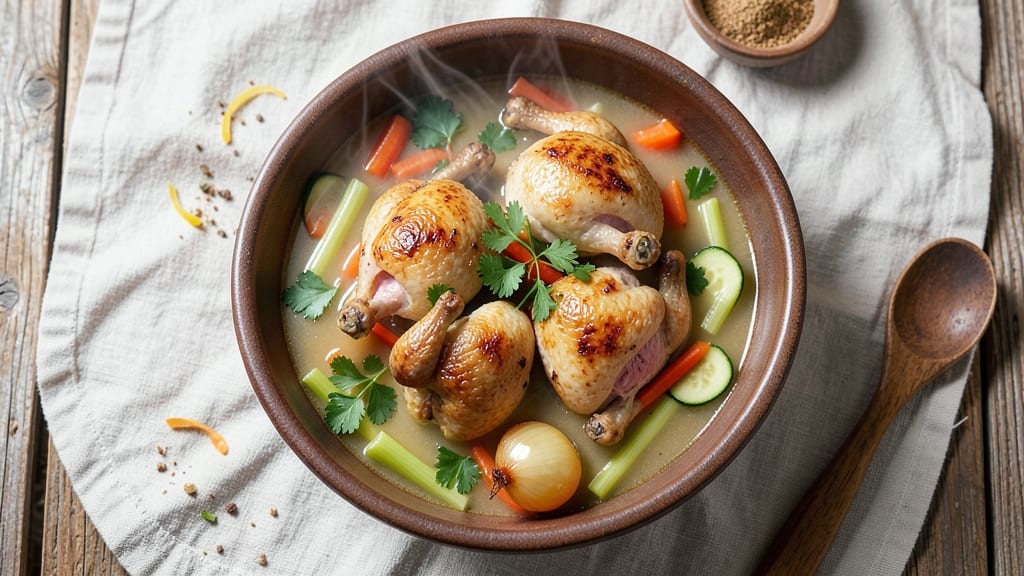
This baby chicken soup recipe transforms simple ingredients into the ultimate comfort food for recovery, blending tender protein with soothing aromatics. The secret lies in slow-simmering whole baby chickens until their meat falls effortlessly from the bone, creating a rich, flavorful broth that's both nourishing and gentle on delicate stomachs.
I've perfected this recipe over years of caring for little ones, ensuring every spoonful delivers warmth and healing properties without being overly heavy.
The beauty of this soup is its balance—juicy chicken pieces, delicate vegetables like carrots and zucchini, and fragrant herbs all combine to create a harmonious blend that's both comforting and nutritious.
Unlike many traditional soups, this version avoids heavy cream or excessive salt, making it ideal for young children while still satisfying adults. The slow cooking process (about 2 hours) allows flavors to meld beautifully, resulting in a soup that's as delicious as it is wholesome.
What makes this recipe truly special is its versatility—it works as a standalone meal or as a base for additional toppings like fresh parsley or a drizzle of olive oil.
The broth is packed with natural nutrients from the chicken and vegetables, while the tender meat provides essential protein for recovery. Whether you're preparing it for a sick child or simply craving a bowl of warmth, this soup delivers on both comfort and nutrition.
Perfect for meal prepping or serving immediately, this baby chicken soup is designed to be both practical and heartwarming. The instructions are straightforward, ensuring you can have a steaming bowl ready in under 3 hours with minimal effort.
Let's get started on creating this gentle yet deeply satisfying dish that brings comfort to any table.
Ingredients for baby chicken soup
Transform simple pantry staples into a nourishing recovery meal with these wholesome ingredients.
| Ingredient | Amount | Notes |
|---|---|---|
| Whole Baby Chickens 🍗 | 3 whole | 2-2.5 lbs total weight, giblets removed |
| Carrots 🥕 | 4 medium | Peeled, cut into 1-inch pieces |
| Zucchini 🥒 | 2 medium | Sliced into 1/2-inch rounds |
| Yellow Onion 🧅 | 1 whole | Quartered, skin removed |
| Celery Stalks 🌿 | 3 whole | Cut into 1-inch pieces |
| Fresh Parsley 🌿 | ¼ cup | Chopped, for garnish |
| Fresh Thyme 🌿 | 1 tbsp | Leaves only, stems removed |
| Fresh Bay Leaves 🌿 | 2 whole | For aromatic depth |
| Extra-Virgin Olive Oil 🫒 | 2 tbsp | For searing chicken |
| Low-Sodium Chicken Broth 💧 | 2 cups | Homemade preferred |
| Salt 🧂 | ½ tsp | Diamond Crystal preferred |
| Black Peppercorns 🌶️ | ¼ tsp | Freshly cracked |
| Garlic Cloves 🧄 | 3 cloves | Smashed, not minced |
The baby chickens are the heart of this soup—look for plump, pink-skinned birds weighing 2-2.5 pounds each. Whole Foods or your local butcher often carry them fresh, but frozen works too if thawed overnight in the fridge. The vegetables should be firm and vibrant: carrots with bright orange color, zucchini heavy for their size, and celery crisp when snapped. For the broth, homemade is ideal but low-sodium store-bought in a pinch. The garlic and thyme add aromatic depth that's gentle yet flavorful for delicate stomachs.
No fresh thyme? Dried thyme at one-third the amount works, but fresh is preferred for its bright flavor. Substitute zucchini with cucumber or yellow squash if needed, though texture will differ slightly. For extra richness, add 1/4 cup coconut milk at the end (stir well to avoid separation). The olive oil should be extra-virgin—regular olive oil lacks the fruity notes that elevate the soup. If using frozen vegetables, pat them dry before adding to prevent dilution of the broth. The bay leaves are non-negotiable for that classic aromatic touch.
Store leftovers in airtight glass containers for up to 4 days in the refrigerator. The soup actually improves overnight as flavors meld. For freezing, portion into single-serving containers—reheat gently on the stove with a splash of broth to maintain moisture. The broth alone keeps 3 months frozen, perfect for future soups or grain dishes. For meal prep, double the recipe and freeze half immediately—ideal for busy recovery days.
Why You'll Love This Recipe
- No-Chop Nightmare: I swear, the celery and carrots barely need slicing—just rough chop or even leave them in big chunks. The onions caramelize while the chicken simmers, so you’re basically hands-off except for stirring once. (Between us, I’ve made this with a butter knife when I was exhausted.)
- Chicken That Melts: The whole baby chickens break apart like they’re begging to be eaten—juicy, tender, and ridiculously flavorful without needing marinades or fancy seasonings. The zucchini soaks up the broth instead of turning mushy, so every spoonful feels like a hug.
- Soup That Works Anywhere: This is my go-to for sick days, potlucks, or when my college-aged kid texts "I’m starving" at 10 PM. Double the batch, and you’ve got lunch for three days—plus, it reheats better than takeout. (Yes, even on a Tuesday night.)
- Budget-Friendly Goldmine: Baby chickens are cheaper than you’d think, and veggies stretch across meals. I’ve fed six people for under $15, and the leftovers? Even better the next day. Honestly, it’s the kind of recipe that makes grocery shopping feel like a win.
Step-by-step instructions for baby chicken soup
This gentle broth delivers nourishing comfort with tender chicken and delicate vegetables.
Sear the Baby Chickens for Rich Flavor
Pat the 3 whole baby chickens dry with paper towels—removing moisture ensures a better sear. Heat the 2 tablespoons extra-virgin olive oil in a large Dutch oven over medium-high heat until shimmering. Place the chickens breast-side down and sear undisturbed for 5-6 minutes until golden brown on the bottom. Flip carefully and sear the other side for another 5-6 minutes until golden.
Real talk: Don't rush this step. The caramelized crust forms the flavor foundation. Once both sides are golden, remove the chickens and set them aside on a plate. You'll notice the oil in the pot looks darker—this is where all the flavor lives. Keep it in the pot; we'll use it to build the soup base.
Build the Aromatic Vegetable Base
In the same Dutch oven, add the quartered yellow onion, sliced zucchini, cut celery stalks, and smashed garlic cloves. Cook over medium heat for 5-6 minutes, stirring occasionally, until the vegetables soften slightly and the garlic releases its aroma. You'll smell the sweetness of the onions and celery combining—this is your signal to add the herbs.
Add the 2 whole fresh bay leaves, 1 tablespoon fresh thyme leaves, and sprinkle with the 0.5 teaspoon salt and 0.25 teaspoon freshly cracked black peppercorns. Stir everything together and cook for another 2 minutes. The herbs should be fragrant but not burning—if they darken too quickly, reduce the heat slightly. This aromatic base transforms simple vegetables into flavorful components.
Simmer the Chicken and Vegetables
Pour in the 2 cups low-sodium chicken broth, scraping up any browned bits from the bottom of the pot with a wooden spoon. Return the seared baby chickens to the pot, along with the peeled and cut 4 medium carrots. Bring everything to a gentle boil over medium-high heat, then immediately reduce to a low simmer. Cover partially and let cook for 25-30 minutes.
Here's the thing—you want the chicken to cook through completely while keeping it tender. Check for doneness by inserting a meat thermometer into the thickest part of a chicken breast; it should read 165°F. The carrots should be fork-tender but still hold their shape. If the soup reduces too quickly, add a splash of water to maintain the proper consistency.
Finish and Garnish for Serving
Once the chicken is fully cooked, carefully remove it from the soup and let it rest on a cutting board for 5 minutes. This resting period ensures the meat stays juicy when sliced. While the chicken rests, skim any excess fat that rises to the surface of the broth. The soup should be clear and flavorful, with visible chunks of vegetables.
Use two forks to shred the chicken into bite-sized pieces, discarding the bones and skin. Return the shredded chicken to the pot and stir gently to combine. Taste and adjust seasoning if needed—you might need a touch more salt to balance the flavors. Ladle the soup into bowls and garnish each serving with the chopped 0.25 cup fresh parsley. The bright green color not only looks beautiful but also adds a fresh finish to the comforting broth.
Pro Tips For Making Baby Chicken Soup
- Brown the Chickens First: Skip the direct simmer and sear the whole chickens in a hot pot for 5-7 minutes per side until golden. The Maillard reaction that happens here deepens the flavor more than you’d expect—trust me, I’ve made the mistake of skipping it, and the soup tastes flat by comparison.
- Cut Celery into Big Chunks: Don’t dice that celery into tiny matchsticks—leave it in 2-inch pieces. It softens faster than carrots and zucchini, but big pieces hold their shape longer and add satisfying texture without turning to mush.
- Salt the Water Generously: The broth starts with the chicken, so season the water aggressively—about 1.5 teaspoons of salt per quart. You’ll adjust later, but this ensures the broth isn’t bland from the get-go, especially if you’re using low-sodium ingredients.
- Add Zucchini Late: Toss the zucchini in only in the last 10 minutes of cooking. It’s delicate and absorbs liquid like a sponge—waiting keeps it tender without turning it into soup glue. (Yes, I’ve ruined a batch by adding it too early.)
Wine and beer pairings for these flavors
Light White Wine
For this gentle soup, I recommend a crisp Sauvignon Blanc from New Zealand or Loire Valley, France. The bright acidity and citrus notes cut through the richness of the chicken while complementing the herbal thyme and bay leaves.
Look for a bottle with 12-13% ABV—something like Cloudy Bay Sauvignon Blanc or Oyster Bay. Serve slightly chilled (45-50°F) to enhance its refreshing qualities. 🍷
Crisp Lager
A classic German Pilsner or Belgian Witbier works beautifully with baby chicken soup. The clean, effervescent character of Warsteiner Pilsner or Hoegaarden helps balance the soup’s savory depth without overpowering it.
For a local option, try a crisp American lager like Miller Lite—its mild bitterness pairs well with the herbs. Serve at 40-45°F for the best experience.
Red Wine Option
If you prefer red, go for a light Pinot Noir from Oregon or Burgundy. The delicate fruit notes in Domaine Drouhin Oregon Pinot Noir won’t clash with the soup’s gentle flavors.
Avoid heavy reds like Cabernet Sauvignon—they’re too bold for this dish. Serve at 60-65°F to let its subtle earthiness shine alongside the thyme and bay leaves.
Non-Alcoholic Pairings
For a non-alcoholic option, try sparkling apple cider like Martinelli’s—its effervescence cleanses the palate between spoonfuls. Alternatively, a cucumber-mint infused water with a squeeze of lemon adds freshness. I also love ginger beer for a spicy-sweet contrast that enhances the soup’s warmth. 💫
Serving Temperature
Always serve your wine or beer at the right temperature to highlight its flavors. For white wines, 45-50°F is ideal, while reds should be 60-65°F. If using beer, keep it at 40-45°F—too warm and the hops lose their crispness.
I like to chill my wine for 10-15 minutes before serving to achieve the perfect balance.
Nutrition facts
Frequently asked questions
Can I use regular chicken instead of baby chickens for this recipe?
Yes, but the texture and cooking time will differ. For similar tenderness, use 2-3 boneless, skinless chicken breasts (about 1.5 lbs total) and reduce the simmering time to 20-25 minutes instead of 2 hours. The broth will be less rich since baby chickens yield more flavorful bones. For a closer match, use chicken thighs—they stay juicier during longer cooking.
How do I know when baby chickens are fully cooked?
Use a meat thermometer to check the thickest part of the chicken—it should reach 165°F. If you don't have one, cut into the breast: the meat should be opaque and no longer pink, with clear juices. Baby chickens cook faster than whole roosters, so monitor after 45 minutes of simmering. Overcooking dries them out, so aim for 160-165°F for maximum tenderness.
Can I make this soup in an Instant Pot or pressure cooker?
Sear the chickens first as directed, then add all ingredients except parsley. Cook on high pressure for 15 minutes, followed by a 10-minute natural release. The chicken will shred easily, and the broth will be rich. For extra flavor, add 1 cup water after pressure cooking to compensate for moisture loss. Remember: pressure cooking reduces total time to about 45 minutes!
What if my baby chicken soup tastes too bland?
Don't worry—this happens often! First, try adding a splash of lemon juice (1 tsp) or a pinch of MSG (1/4 tsp) to deepen umami. For more complexity, stir in 1 tsp fish sauce or a crushed red pepper flake for subtle heat. If the broth needs body, simmer uncovered for 10 more minutes to reduce it slightly. The key is balancing salt and acid—start with small amounts and adjust gradually.
How can I make this soup more nutritious for kids?
Boost nutrition by adding 1 cup cooked quinoa or brown rice (cook separately and stir in at the end) for extra fiber and protein. For iron-rich veggies, swap zucchini for spinach or kale (1 cup chopped), adding it only in the last 5 minutes of cooking. A drizzle of olive oil (1 tsp per serving) adds healthy fats. For picky eaters, blend a portion into a smooth texture—it'll hide the veggies while keeping all the nutrients!