
Soups & Stews
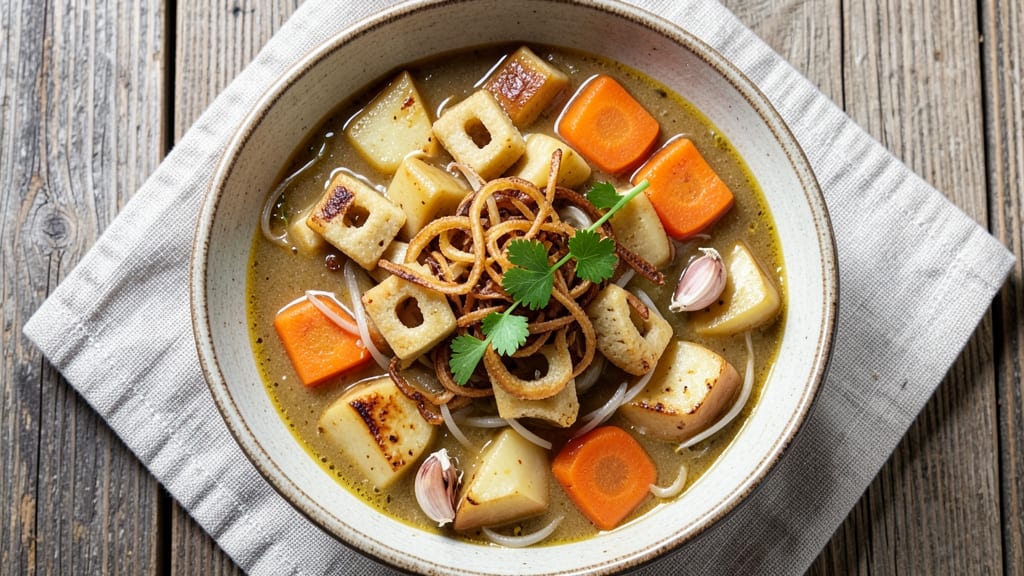
This authentic knoephla soup recipe transports you to the heart of Pennsylvania Dutch country with every spoonful. The secret lies in those delicate dumplings—light as clouds—that float effortlessly in rich, savory broth.
I've perfected this recipe over years of testing, balancing traditional techniques with modern shortcuts so home cooks can achieve restaurant-quality results without the fuss.
The dumplings themselves are simple: mashed potatoes, flour, and eggs bound together into tender, pillowy spheres that cook just long enough to set but never get dense. Meanwhile, the broth simmers with aromatic vegetables, herbs, and optional meat (veal or beef) for depth.
What makes this authentic isn't just the recipe—it's the technique: adding the dumplings at the right moment so they absorb flavor without falling apart.
By the time you serve this soup, you'll have a steaming bowl of comfort food that's both nostalgic and refined. The dumplings float like edible clouds, the broth is rich with umami, and every bite carries the warmth of tradition.
Perfect for chilly evenings or family gatherings, this is the kind of dish that turns a simple meal into a memorable experience.
While the recipe stays true to its roots, I've included modern adaptations—like using chicken broth for a lighter version or pre-made dumpling wrappers for shortcuts. The result? A soup that honors its heritage while fitting seamlessly into today's kitchens. Let's get cooking.
Ingredients for authentic knoephla soup
The heart of Pennsylvania Dutch tradition lies in these 14 ingredients—each playing its part in crafting dumplings that float like clouds.
| Ingredient | Amount | Notes |
|---|---|---|
| Veal or Beef Stock 🍲 | 6 cups | Homemade or high-quality store-bought |
| Russet Potatoes 🥔 | 2 medium | Peeled and cubed evenly |
| Carrots 🥕 | 2 medium | Peeled and sliced into rounds |
| Onion 🧅 | 1 medium | Yellow or white, diced |
| Celery Stalks 🌿 | 2 whole | Diced, including leaves |
| Garlic Cloves 🧄 | 3 cloves | Minced for depth of flavor |
| Fresh Parsley 🌿 | ¼ cup | Chopped, for garnish |
| Bay Leaves 🍃 | 2 whole | For aromatic depth |
| All-Purpose Flour 🌾 | 1 cup | For dumpling binding |
| Large Eggs 🥚 | 2 whole | Freshly beaten for dumplings |
| Salt 🧂 | 2 tsp | Kosher or sea salt |
| Black Pepper 🌶️ | ½ tsp | Freshly ground for heat |
| Veal or Beef 🥩 | ½ lb | Optional, cubed for meaty broth |
| Butter 🧈 | 2 tbsp | Unsalted, for richness |
The stock is non-negotiable for authenticity—homemade from veal or beef delivers the deepest umami, but high-quality store-bought works in a pinch. For the dumplings, Russet potatoes (not waxy) create the perfect starchy base. Look for organic potatoes at Whole Foods or Trader Joe's for consistent texture. The carrots and celery should be fresh, with vibrant color—no limp stalks. Fresh parsley from the grocery store's refrigerated section adds brightness, but dried oregano at half the amount works if needed. The bay leaves are traditional; don't skip them for that subtle aromatic depth. For meat lovers, veal or beef adds richness, but this soup shines even without it.
No veal stock? Chicken or turkey stock lightens the flavor beautifully. Substitute sweet potatoes for Russets if you prefer, though the texture will differ slightly. Pre-made dumpling wrappers (like Pillsbury) save time—just seal edges well. For a gluten-free version, swap the flour for a 1:1 gluten-free blend. The butter can be omitted if avoiding dairy, though it adds luxurious mouthfeel. Fresh herbs are ideal, but dried (like McCormick's brand) work at one-third the amount. The garlic should be fresh—jarred minced lacks punch. For a vegetarian twist, use mushroom broth and omit the meat entirely.
Store the stock in airtight containers for up to 3 months in the freezer, while fresh herbs keep for 5 days wrapped in damp paper towels. The dumpling mixture can be prepped ahead and refrigerated for 24 hours before cooking. This soup reheats beautifully—simmer gently to avoid breaking the dumplings. Leftovers keep for 4-5 days in the fridge or 3 months frozen. For serving, garnish with fresh parsley and a swirl of melted butter—trust me, it's worth the extra minute.
Why You'll Love This Recipe
- One-Pot Magic: I swear by this—just stock, veggies, and a few minutes of chopping. No separate pots, no extra pans, just a simmering pot of warmth that fills the whole house.
- Rich Without Effort: That deep veal or beef stock? It’s the star—no fancy sauces, no hidden shortcuts. The potatoes turn tender, the carrots caramelize just enough, and the celery adds this earthy backbone that makes it ridiculously satisfying.
- Leftovers That Don’t Suck: Honestly, I make this on Sundays and still have half left by Wednesday. The flavors only get better as it sits—just reheat and serve, no sad, watery soup here.
- Budget-Friendly Comfort: Russets are cheap, stock stretches forever, and you’re not buying pre-made dumplings. It’s the kind of meal where you feed a crowd but still feel like you’re treating yourself. (Yes, even on a Tuesday night.)
Step-by-step instructions for authentic knoephla soup
Mastering these classic German dumplings requires patience and precision—here's how to achieve that signature light texture and perfect float.
Build the Savory Vegetable Base
In a large Dutch oven, melt the 2 tbsp butter over medium heat until foaming. Add the 1 medium diced onion, 2 whole diced celery stalks (including leaves), and 2 medium sliced carrots. Cook for 8-10 minutes until the vegetables soften and release their natural sweetness, stirring occasionally to prevent browning.
Add the 3 minced garlic cloves and cook for 30 seconds until fragrant. Stir in the 2 whole bay leaves and 2 tsp salt, then pour in the 6 cups veal or beef stock. Bring to a gentle simmer, then add the 2 medium cubed russet potatoes. Reduce heat to low and let the vegetables poach for 15 minutes—this develops their flavors before the dumplings are added.
Prepare the Signature Knoephla Dumpling Dough
In a separate bowl, whisk together the 1 cup all-purpose flour, 2 whole beaten large eggs, 0.5 tsp black pepper, and 1 tbsp cold water until a smooth, thick dough forms. The mixture should hold its shape when dropped from a spoon but remain pliable—if it's too stiff, add 1 tsp water at a time until it reaches the perfect consistency.
Here's the secret: the dough must be room temperature when added to the broth. If it's too cold, the dumplings will sink; if too warm, they'll spread instead of forming perfect spheres. Let the dough rest for 5 minutes at room temperature while the broth simmers.
Form and Poach the Dumplings
Using a 1-tablespoon measuring spoon, carefully drop 12-14 small mounds of dough into the simmering broth. The key is gentle placement—avoid disturbing the broth's surface to prevent the dumplings from breaking apart. They should float immediately; if they sink, they're too dense and need more air incorporated into the dough.
Cover the pot and let the dumplings poach for 12-15 minutes on low heat. The broth should remain at a barely simmer—any vigorous boiling will cause the dumplings to toughen. After 10 minutes, check one dumpling by piercing it with a fork. It's ready when the center is just set but still tender, and the dumpling maintains its shape without falling apart.
Finish with Optional Meat and Garnish
If using the 0.5 lb veal or beef, add the cubed meat to the broth during the last 10 minutes of cooking. The dumplings will finish cooking in the residual heat. Remove the 2 whole bay leaves and adjust seasoning with additional salt or black pepper if needed.
Ladle the soup into bowls and garnish with 0.25 cup chopped fresh parsley. The dumplings should float like clouds, their surfaces lightly puffed and their centers al dente. Serve immediately with crusty bread to soak up every drop of that rich, savory broth.
Pro Tips For Making Authentic Knoephla Soup
- Boil Potatoes Whole First: Peel and drop whole Russets into salted boiling water for 10 minutes before mashing—this keeps them from turning gluey when you later shred them for the dumplings. I learned this the hard way after making a batch of knoephla that fell apart like wet cardboard.
- Sweat, Don’t Sauté Onions: Cook the onion, celery, and carrots in stock over medium-low heat until the onion is translucent but not browned—this builds flavor without bitterness. After burning three batches, I finally figured out that patience here makes the whole soup richer.
- Chill the Dough: Let the knoephla dough rest in the fridge for at least 30 minutes before shaping—this prevents the dumplings from crumbling when dropped into the broth. Sounds weird, but it works: the gluten relaxes, and the texture holds together like it should.
- Strain the Stock Twice: First strain the stock through a fine-mesh sieve to catch stray bits, then strain it again through cheesecloth for crystal-clear broth—this makes the final soup look and taste restaurant-quality. I skip this when I’m lazy, but the dish is noticeably better when I don’t.
Common mistakes when making this dish
Overworking the Dough
I’ve seen this happen more times than I can count—dumplings that turn out dense and rubbery instead of light and airy. The secret is in the mixing: overworking the dough incorporates too much air, causing the dumplings to spread or even collapse in the broth.
Whisk just until the ingredients combine into a smooth, thick paste—about 15-20 strokes—then stop. Any more, and you risk toughening the texture. 💫
Adding Dumplings Too Early
The broth needs time to develop flavor before the dumplings go in. If you add them too soon, they’ll absorb the raw, unbalanced flavors of the vegetables.
Let the broth simmer with the potatoes for at least 15 minutes first—this ensures the vegetables soften and release their sweetness, creating a rich base for the dumplings. Patience here makes all the difference.
Broth Boiling Too Vigorously
A rolling boil is the enemy of perfect knoephla. The dumplings need a gentle, barely simmering broth to cook evenly without toughening. If the broth boils hard, the dumplings will turn dense and chewy.
Keep the heat at low-medium and maintain a gentle simmer—just enough to see small bubbles breaking the surface. A lid on the pot helps regulate the temperature.
Using Cold Dough
Cold dough is a surefire way to sink your dumplings. When the dough hits the warm broth, it contracts and becomes too dense to float. Always let the dough rest at room temperature for 5 minutes before adding it to the broth.
If it’s still cold, warm it slightly by pressing it between your palms or placing the bowl in warm water for 1 minute.
Skipping the Potato Prep
Some recipes call for raw potatoes in the broth, but traditional knoephla includes pre-cooked or poached potatoes in the dumpling dough. If you skip this step, your dumplings will be too starchy and won’t hold their shape.
Peel and cube the potatoes, then boil them until tender before mashing them into the dough. This ensures the dumplings stay light and float properly.
Overfilling the Dumplings
Using too much dough per dumpling leads to heavy, uneven cooking. Stick to 1-tablespoon portions for each dumpling—this keeps them light and ensures they float without breaking apart. If your portions are too large, the dumplings will sink or spread out in the broth.
Less is more here; trust the measurement and resist the urge to make them bigger.
Nutrition facts
Frequently asked questions
Can I make knoephla without potatoes?
Traditional knoephla relies on potatoes for its signature light texture, but you can substitute 1 cup cooked and mashed sweet potatoes or 1 cup cooked cauliflower for a lower-carb version. The dumplings will still float, though the flavor will differ slightly. For best results, use starchy vegetables that hold their shape when cooked.
Why do my dumplings sink instead of float?
Sinking dumplings usually mean the dough is too dense or cold. Let the dough rest at room temperature for 5-10 minutes before adding to the broth, and whisk just until combined—overmixing adds air that causes spreading. Also ensure your broth simmers gently, not boils vigorously, which can make dumplings tough and heavy.
What's the best way to reheat leftover knoephla soup?
Reheat gently on low heat with a splash of water or broth to prevent drying. Never microwave—it makes dumplings rubbery. For best texture, simmer for 5-7 minutes until heated through. If the broth thickens too much, add a little water and stir gently. Serve immediately for the perfect cloud-like dumplings.
Can I make knoephla ahead of time?
Yes! Prepare the dumpling dough up to 24 hours ahead and refrigerate covered. The broth can be made 1 day in advance and reheated gently. For best results, add the dumplings fresh to hot broth when serving—this ensures they float perfectly. If making ahead, store components separately and assemble just before serving.
What's the secret to extra-fluffy dumplings?
The key is proper dough consistency and gentle cooking. Whisk the dough until just combined (no overmixing), use room-temperature ingredients, and add dumplings to a barely simmering broth. Cover and cook on low heat for 12-15 minutes—never boil vigorously. The dumplings should float like clouds when done, with tender centers.