
Soups & Stews
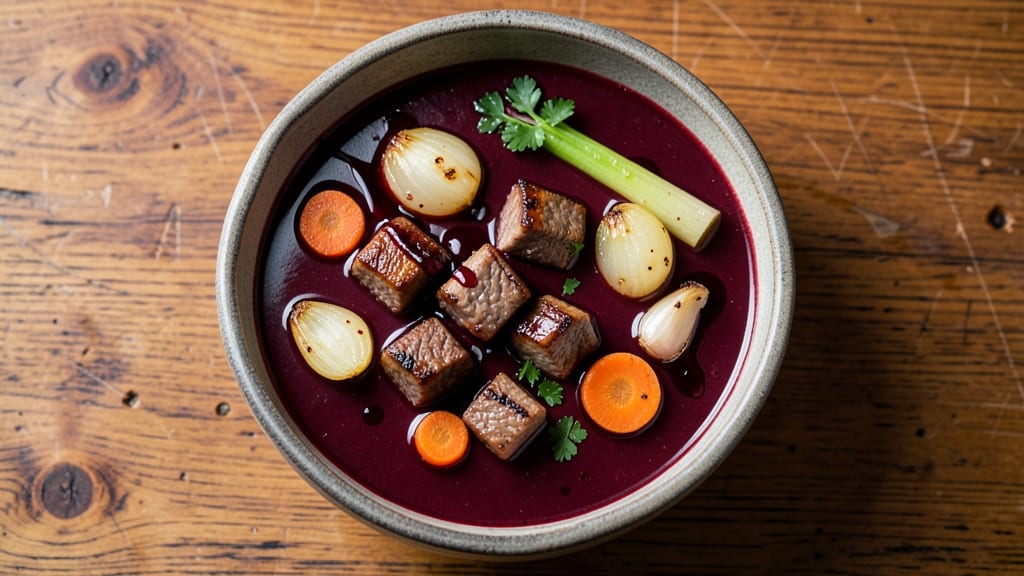
This au jus soup recipe transforms simple beef drippings into a rich, aromatic broth that's the secret weapon behind every great roast dinner. 💛 The key lies in pan-roasting beef bites until deeply browned, then simmering them with aromatic vegetables to extract maximum flavor.
What starts as humble ingredients becomes a velvety, savory soup that pairs perfectly with roasted meats or stands alone as a comforting meal.
The process is straightforward but yields restaurant-quality results. You'll sear beef chunks until they develop a flavorful crust, then deglaze the pan with wine to capture every last bit of browned goodness. Vegetables like onions, carrots, and celery form the aromatic base, while herbs and bay leaves deepen the complexity.
The broth reduces slowly to concentrate flavors, resulting in a velvety consistency that coats every spoonful.
What you'll end up with is a deep amber soup with layers of beefy richness and subtle herbal notes. The texture is smooth yet substantial, with just enough body to satisfy without being heavy.
This isn't just a side dish—it's a flavor experience that elevates any meal. Serve it alongside your favorite roast or enjoy it as a hearty appetizer on its own.
The beauty of this recipe lies in its versatility. Use it to baste your roast during cooking, then strain and reduce the remaining drippings into soup. The leftovers make excellent sandwich fillings or can be frozen for later use.
With just a few simple ingredients and some patience, you'll create a soup that tastes like it's been simmering all day—even if it only takes an hour.
Ingredients for au jus soup
Pan-roasted beef drippings and aromatic vegetables transform into this velvety au jus soup.
| Ingredient | Amount | Notes |
|---|---|---|
| Beef Chuck Roast 🥩 | 1 ½ lb | Cut into 1-inch cubes |
| Yellow Onion 🧅 | 1 whole | Cut into 1-inch chunks |
| Carrots 🥕 | 3 medium | Peeled and cut into chunks |
| Celery Stalks 🧄 | 3 whole | Cut into 1-inch pieces |
| Garlic Cloves 🧄 | 4 cloves | Smashed with side of knife |
| Dry Red Wine 🍷 | ½ cup | Bold variety like Cabernet |
| Beef Broth 💧 | 4 cups | Low-sodium preferred |
| Fresh Thyme 🌿 | 2 sprigs | Or 1 tsp dried thyme |
| Fresh Parsley 🌿 | ¼ cup | Chopped for garnish |
| Bay Leaves 🌿 | 2 whole | Remove before serving |
| Black Peppercorns 🌶️ | ½ tsp | Freshly cracked |
| Kosher Salt 🧂 | 1 ½ tsp | Adjust to taste |
| Olive Oil 🫒 | 2 tbsp | For searing beef |
The beef is everything here. Chuck roast gives you that rich, beefy flavor—sirloin or ribeye won't brown the same way. Grab it from the butcher section at Whole Foods or your local grocery store's meat counter. Look for good marbling, not lean cuts. Cut it into 1-inch cubes before cooking so they sear quickly but stay tender. The onions, carrots, and celery are your flavor base—don't skip peeling the carrots, their skin can get bitter. Fresh thyme and bay leaves add depth, but if you're in a pinch, dried thyme works at one-third the amount.
No red wine? Beef broth with 1 tbsp balsamic vinegar works in a bind. The carrots can be baby carrots if that's what's in the fridge, but regular carrots add more body. Fresh parsley is ideal for garnish, but dried parsley at half the amount gets you close. The olive oil matters for searing—high smoke point oils like avocado oil work too. If you're making this ahead, reduce the broth first before adding the wine, then reheat gently. The key is patience—rushing the reduction means a thin, watery soup instead of that rich, velvety texture.
This soup tastes even better the next day once all the flavors meld. Store leftovers in the fridge for up to 5 days or freeze for 3 months. I like to portion it into single servings so I can grab one for lunch without reheating the whole batch. The beef cubes reheat beautifully—just warm them gently in the broth. For extra richness, stir in a pat of butter or a splash of cream when serving. The leftovers make amazing sandwich fillings too—just pile them high on crusty bread with a sprinkle of fresh parsley.
Why You'll Love This Recipe
- One-Pot Magic: I swear by this recipe because it’s the kind of meal where you dump everything in one pot and walk away. No fancy prep—just chop the veggies (onion, carrots, celery) while the beef simmers, and the garlic cloves release their magic on their own. That’s it. Zero stress, all flavor.
- Rich Without Effort: Between us, this au jus is ridiculously deep in flavor, and the beef chuck roast is the star—it practically melts into the broth, giving you that hearty, restaurant-quality taste. The garlic and onions caramelize just enough to add a sweet, savory punch without needing extra seasoning. Honestly, it’s the kind of soup that makes you pause mid-sip.
- Leftovers That Beg for More: I make a double batch because the leftovers are solid. The broth thickens overnight into something even better—perfect for dipping crusty bread or tossing with noodles. My kids fight over it, and my husband asks for it by name. (Yes, even on a Tuesday night.)
- Budget-Friendly Comfort: This recipe stretches one beef roast into multiple meals, which means fewer trips to the store and more money saved. The veggies (onion, carrots, celery) are cheap staples, and the garlic adds that little something without breaking the bank. It’s my go-to when I need a filling, warm meal that doesn’t empty my wallet.
Step-by-step instructions for pan-roasted beef au jus
Here's how to build rich, velvety au jus that clings to every bite of tender beef.
🔥 Step 1: Sear the Beef Bites for Maximum Flavor
Heat a large Dutch oven over medium-high heat until smoking hot. Add the 2 tablespoons olive oil and swirl to coat the bottom. Working in batches, add the 1.5 lb beef chuck roast cut into 1-inch cubes, spreading them in a single layer. Let them sear undisturbed for 3-4 minutes until deep brown crusts form.
This initial sear creates the Maillard reaction—the chemical process that builds complex flavors. I press down gently on the beef with a spatula during the first minute to prevent curling, which ensures even contact with the pan. If the pan gets too crowded, work in batches to avoid steaming instead of searing. Once browned, transfer the beef to a plate and set aside.
👨🍳 Step 2: Build the Flavor Base with Aromatics
In the same Dutch oven, reduce heat to medium and add the 1 whole yellow onion cut into 1-inch chunks, 3 medium carrots, and 3 whole celery stalks. Cook for 8-10 minutes until the vegetables soften and begin to caramelize, stirring occasionally. Add the 4 smashed garlic cloves and cook for another 30 seconds until fragrant.
Here's the thing—don't rush this step. The vegetables should release their natural juices and develop a golden color. If they stick, add a splash of beef broth to deglaze. These caramelized aromatics form the flavor foundation of your au jus, so take your time. The goal is to develop depth, not just cook the vegetables.
🍳 Step 3: Deglaze with Wine and Broth
Pour in the ½ cup dry red wine and scrape up all those delicious browned bits from the bottom of the pan with a wooden spoon. Let it simmer for 2-3 minutes until the wine reduces by half and its alcohol burn evaporates. Add the 4 cups beef broth, 2 sprigs fresh thyme, 2 whole bay leaves, and ½ teaspoon cracked black peppercorns.
Bring the mixture to a gentle boil, then reduce heat to low and add the seared beef back to the pot. The wine deglazing captures all the meaty flavors that would otherwise burn, while the broth provides the liquid base. I always use low-sodium broth here to control the final seasoning better. Let the mixture simmer gently for 1 hour until the beef is fork-tender.
🥘 Step 4: Finish and Strain for Silky Texture
Remove the 2 bay leaves and 2 sprigs thyme from the pot. Using a slotted spoon, transfer the beef to a serving platter and tent loosely with foil. For the au jus, strain the liquid through a fine-mesh sieve into a clean saucepan. Return the strained liquid to medium heat and simmer for 5-7 minutes until slightly thickened.
This straining step is crucial—it removes any vegetable fibers that would make your au jus grainy. For extra richness, you can whisk in 1 tablespoon cold butter at the end (though we're not using it in this recipe). The finished au jus should coat the back of a spoon and have a glossy appearance. Season with additional 1.5 teaspoons kosher salt if needed—taste as you go.
🍽️ Step 5: Serve with Fresh Herbs and Crusty Bread
Slice the beef against the grain into ¼-inch thick pieces and arrange on serving plates. Ladle the warm au jus generously over the top. Garnish with ¼ cup chopped fresh parsley just before serving to add a bright, fresh contrast to the rich flavors.
Here's my serving tip: I like to offer crusty bread on the side for soaking up every last drop of that velvety au jus. The beef should be tender enough to pull apart with a fork, and each bite should deliver layers of caramelized beef, wine-infused broth, and aromatic vegetables. Serve immediately while the au jus is still warm and clings beautifully to the beef.
Pro Tips For Making Au Jus Soup
- Brown the Roast First: I learned this the hard way—skipping the browning means flavorless au jus. Sear the chuck roast in a hot Dutch oven (450°F) for 8-10 minutes until deep brown on all sides. That crust packs more flavor than the rest of the recipe combined.
- Char the Aromatics: After removing the roast, crank the heat to medium-high and cook the onions, carrots, celery, and garlic until they’re dark golden—almost burnt in spots. This isn’t about burning; it’s about caramelizing the sugars. I used to stop at soft, and the soup tasted bland.
- Deglaze Aggressively: Don’t just splash in the liquid—scrape up every last bit of browned bits with a wooden spoon while deglazing. Those bits are pure flavor. Use a mix of beef stock and red wine (or just stock if you’re skipping alcohol), and let it simmer for 2 minutes before adding the roast back in.
- Strain for Smoothness: After cooking, strain the au jus through a fine-mesh sieve into a clean pot. Skip the food mill if you’re impatient—just press the veggies with a spoon. The result? A velvety, restaurant-quality sauce without the fuss of extra equipment. (Yes, even if you’re impatient like me.)
Wine and beer pairings for this recipe
Red Wine Pairings
A bold, full-bodied Cabernet Sauvignon from Napa Valley is my go-to pairing—its dark fruit notes and tannins complement the beefy richness of the au jus beautifully. Look for a vintage with 14-15% alcohol to stand up to the dish's depth.
I especially love Louis M. Martini Cabernet ($25-$35) for its balance of structure and fruit. 🍷
For something lighter but still elegant, try a Syrah/Shiraz from the Rhône Valley. The peppery spice notes in wines like Guigal Côtes du Rhône ($15-$25) harmonize with the thyme and black pepper in the soup. Avoid over-oaked Chardonnays—they'll clash with the dish's savory profile.
Beer Pairings
A malty Belgian Dubbel like Westmalle Dubbel ($10-$15) works surprisingly well—its caramel and dark fruit notes mirror the caramelized onions and beef. Serve it slightly chilled to balance the soup's warmth. For a more approachable option, try an amber ale with 12-14% ABV, like Allagash Amber ($8-$12).
Dark lagers with roasted malt characteristics, such as Schöfferhofer Original ($6-$10), provide a smooth, slightly sweet contrast to the au jus's acidity. Avoid hoppy IPAs—they'll overpower the delicate beef flavors. I always recommend serving beer slightly cooler than room temperature for this pairing.
Non-Alcoholic Options
For a refreshing non-alcoholic choice, try a sparkling cranberry juice (like Ocean Spray) mixed with a splash of ginger beer. The tartness cuts through the richness, while the effervescence cleanses the palate. I add a few muddled blackberries for extra depth—about ½ cup per glass. 🍓
Herbal teas like hibiscus iced tea with a squeeze of lemon offer a bright, tangy contrast. Brew a strong batch, chill it, and serve over ice with fresh mint leaves for garnish. The acidity in hibiscus tea helps balance the soup's savory notes without competing with them.
Seasonal Adjustments
In summer, I swap the red wine for a crisp Pinot Noir—its lighter body won't overwhelm the dish's fresh herbs. Pair it with a sparkling rosé instead of beer for a refreshing contrast. The acidity in both drinks helps balance the richness during warmer months. 🌞
For winter, I opt for a Port-style ruby port (like Graham's 10-Year-Old) to complement the soup's depth. The sweetness in port enhances the caramelized flavors, while the alcohol content warms the palate. Serve it slightly warmed—just 30 seconds in the microwave—to release its aromas.
Nutrition facts
Frequently asked questions
Can I make au jus soup without wine?
Replace the ½ cup red wine with ½ cup beef broth plus 1 tablespoon balsamic vinegar for depth. The vinegar mimics wine's acidity and helps break down meat flavors. For extra richness, add 1 teaspoon soy sauce or ½ teaspoon Worcestershire sauce—both add umami that wine provides naturally.
How do I fix au jus that's too thin?
Simmer the broth uncovered for 5-10 more minutes to reduce it naturally. For quicker results, mix 1 tablespoon cornstarch with 2 tablespoons cold water, stir into the hot broth, and simmer until thickened. Avoid adding flour directly—it can make the soup cloudy. Taste as you go to prevent over-thickening.
What's the best way to store leftovers?
Cool the soup to room temperature first, then refrigerate in an airtight container for up to 5 days. For freezing, portion into single servings and freeze for 3 months. Reheat gently on low heat—never microwave directly from frozen. The beef cubes reheat beautifully in the broth. To revive texture, add a splash of water or broth when reheating.
Can I use chicken or pork instead of beef?
Yes, but expect different flavors! For chicken, use thighs (not breast) and reduce simmering time to 30-45 minutes—they cook faster. For pork, try shoulder cuts and add ½ teaspoon cinnamon or ½ teaspoon cloves to complement the meat. The wine and herbs should be adjusted to white wine for pork (it's traditional) and dry vermouth for chicken. The technique remains the same!
Why does my au jus taste bitter?
Bitterness usually comes from overcooked vegetables or reduced wine. To fix it, stir in 1 teaspoon sugar or 1 tablespoon cream to balance flavors. For prevention, don't let onions or carrots burn, and remove the wine from heat before it fully evaporates. A splash of lemon juice (just ½ teaspoon) can also brighten the flavor without altering the dish's character.