
Soups & Stews
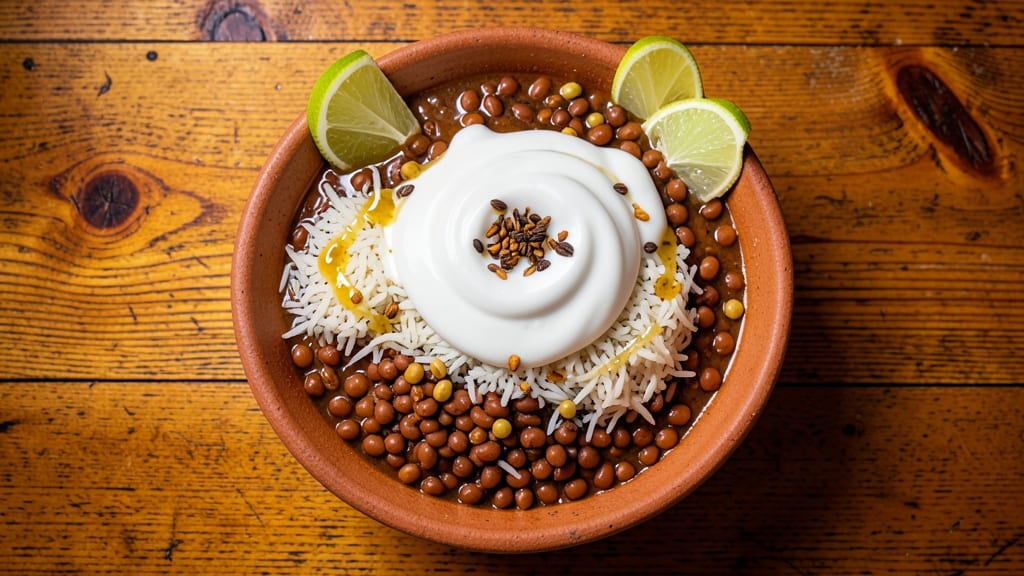
This Attukal soup recipe brings the rich, aromatic traditions of Kerala to your kitchen, where fragrant coconut and tangy lime create a velouté that’s both comforting and celebratory.
Born from the sacred Attukal Pongal festival, this dish transforms simple rice and lentils into a luxuriously spiced masterpiece, tempered with ghee and toasted spices that sing with every spoonful. The secret lies in the slow simmering—allowing flavors to meld into a harmonious balance of creaminess and warmth.
What sets this recipe apart is its versatile yet traditional approach: the rice-lentil base absorbs the essence of coconut milk and lime, while the tempering (tadka) of mustard seeds, curry leaves, and black pepper adds layers of depth.
Unlike quick soups, this dish rewards patience, transforming humble ingredients into a festive centerpiece that pairs beautifully with banana chips or coconut chutney. Every bite carries the soul of Kerala’s culinary heritage.
The process is straightforward yet precise—cook the rice and lentils until tender, then infuse them with coconut milk and lime for a silky, velvety texture. The final tempering elevates the dish, creating a fragrant aroma that fills your home.
Whether served at a celebration or a weeknight dinner, this soup delivers restaurant-quality results with minimal effort. Perfect for vegetarians, this recipe is also dairy-free adaptable (skip the ghee if needed), making it inclusive without compromising flavor.
Let’s create a dish that’s as nourishing as it is delicious—one that tells a story with every spoonful.
Ingredients for attukal soup
Kerala’s sacred flavors distilled into 15 humble yet transformative ingredients—where coconut milk whispers to lime and spices dance in ghee.
| Ingredient | Amount | Notes |
|---|---|---|
| Basmati Rice 🌾 | ½ cup | Rinsed thoroughly before cooking |
| Red Lentils 🥜 | ½ cup | Picked over for impurities |
| Coconut Milk 🥥 | 13 ½ oz | Full-fat, canned variety preferred |
| Lime Juice 🍋 | ¼ cup | Freshly squeezed, seeds removed |
| Ghee 🧈 | 2 tbsp | Clarified butter for rich flavor |
| Mustard Seeds 🌿 | 1 tsp | Lightly toasted before use |
| Curry Leaves 🌿 | ¼ cup | Fresh, whole leaves preferred |
| Black Peppercorns 🌶️ | ½ tsp | Crushed lightly for aroma |
| Green Chilies 🌶️ | 2 whole | Slit lengthwise for mild heat |
| Fresh Cilantro 🌿 | ¼ cup | Chopped, for garnish |
| Asafoetida Powder 🌶️ | ¼ tsp | Essential for authentic flavor |
| Turmeric Powder 🌿 | ¼ tsp | Freshly ground preferred |
| Cumin Seeds 🌿 | ½ tsp | Toasted for deeper flavor |
| Salt 🧂 | 1 tsp | Adjust to taste |
| Water 💧 | 3 ½ cups | Filtered for best results |
The coconut milk is non-negotiable—opt for full-fat, canned varieties like Goya or Thai Kitchen for authentic creaminess. Curry leaves are the soul of this dish; Indian grocery stores or specialty markets carry them fresh, but frozen works in a pinch. Mustard seeds and cumin should be toasted in ghee until fragrant—this step unlocks the dish’s aromatic depth. For asafoetida, MDH or Everest brands are reliable; a tiny pinch amplifies umami without overpowering. Fresh lime juice brightens the soup, so don’t substitute bottled—Mexican or Persian limes work best if available.
No curry leaves? Dried thyme at half the amount mimics the earthy notes, though it lacks authenticity. Coconut milk substitute? Blend 1 cup soaked cashews + 1 cup water for a dairy-free alternative. Green chilies too spicy? Remove seeds and membranes before slitting. Ghee unavailable? Olive oil or coconut oil work, though the flavor shifts subtly. Turmeric can be skipped if you prefer a milder hue, but its earthy warmth is traditional. Pre-toasted spices save time—store them in an airtight container for up to 3 months to preserve their punch.
This soup tastes even better the next day as flavors meld. Store in an airtight container in the fridge for up to 4 days—reheat gently with a splash of water to restore creaminess. Freeze portions for 3 months by spreading into ice cube trays before transferring to a bag. Garnish with fresh cilantro just before serving to retain vibrant color. Double the batch for leftovers—it’s the perfect make-ahead dish for gatherings, where every spoonful carries the essence of Kerala’s sacred traditions.
Why You'll Love This Recipe
- One-Pot Magic: I swear by this recipe when I’m too tired to clean up—just toss in rice, lentils, and coconut milk, then let it simmer. No chopping, no fuss, and that ghee at the end? Pure golden reward.
- Creamy-Lime Zing: The coconut milk makes it velvety smooth, but the lime juice? That’s the secret weapon—bright, tangy, and just sharp enough to wake up every spoonful. Honestly, my kids fight over the last bowl.
- Meal Prep MVP: Between us, this is my go-to for lunch prep—it reheats like a dream and tastes even better the next day. Pack it for work or school, and you’ve got a hearty, satisfying meal without the daily hassle.
- Budget Bright Spot: Red lentils and rice stretch this into a full meal for pennies, and coconut milk adds richness without breaking the bank. I’ll be real: it’s the kind of dish that makes grocery day feel like a win.
Step-by-step instructions for Kerala's spiced coconut-lime velout
Master this traditional Attukal soup with precise spice timing and coconut milk reduction.
Toast Spices and Bloom Aromatics
Heat the 2 tbsp ghee in a heavy-bottomed pot over medium-low heat until it shimmers but doesn't smoke. Add the 0.5 tsp cumin seeds and 1 tsp mustard seeds, stirring constantly for 30 seconds until they pop and release their nutty aroma. This is where the foundation of flavor develops.
Immediately add the 0.25 cup curry leaves and 2 whole green chilies (slit lengthwise). Stir for 1 minute until the curry leaves darken slightly and the chilies soften. Here's the thing—don't rush this step. The spices need time to release their oils and meld together before adding the remaining ingredients. Watch for the curry leaves to turn a deeper green and the chilies to become translucent.
Cook Lentils and Rice Until Tender
Add the 0.5 cup red lentils, 0.5 cup basmati rice, 0.25 tsp turmeric powder, 0.25 tsp asafoetida powder, 0.5 tsp black peppercorns, and 1 tsp salt to the pot. Stir to coat everything evenly with the spices and ghee. Pour in the 3.5 cups water and bring to a gentle boil over medium-high heat.
Once boiling, reduce heat to low and simmer uncovered for 15-18 minutes, stirring occasionally. You'll know it's ready when the lentils and rice are soft but still hold their shape—like a thick, creamy porridge. The soup should be thick enough to coat the back of a spoon but still have some body. If it's too thick, add 2-3 tablespoons water to reach your desired consistency.
Incorporate Coconut Milk and Simmer
Reduce heat to low and gradually whisk in the 13.5 oz coconut milk in a slow stream. This prevents curdling and allows the coconut flavor to integrate smoothly. Stir continuously for 5 minutes until the soup thickens slightly and the coconut aroma becomes prominent. The mixture should look velvety and uniform, with no visible separation.
Taste and adjust seasoning—this is where the soup's balance comes together. The coconut milk should mellow the spice intensity while adding richness. If the flavors need more depth, add a pinch more salt or a splash of lime juice to brighten it. The soup should have a harmonious blend of spice, coconut sweetness, and subtle acidity.
Finish with Lime and Garnish
Remove the pot from heat and stir in the 0.25 cup lime juice. This final step is critical—it balances the richness of the coconut milk and adds a refreshing tang. Let the soup sit for 2-3 minutes to allow the flavors to meld completely. The lime juice will also help separate the coconut milk slightly, giving it a lighter texture.
Garnish with 0.25 cup chopped fresh cilantro just before serving. The cilantro adds a fresh, herby contrast to the creamy soup. Serve warm, accompanied by steamed rice or crusty bread. The soup should be smooth, velvety, and aromatic, with layers of spice, coconut, and citrus that dance on your palate.
Pro Tips For Making Attukal Soup
- SOAK THE RICE 30 MINUTES: I learned this the hard way—skipping the soak makes your rice turn to mush in the soup. Even basmati needs a quick 30-minute soak in warm water before cooking, or it’ll break down too fast from the lentils’ long simmer. (Yes, even if you’re impatient like me.)
- SIMMER LENTILS LOW AND LONG: After burning three batches of lentils, I finally figured out: low heat is your friend. Once the lentils hit boiling, drop the flame to a bare simmer—just enough to keep tiny bubbles breaking the surface. Rush it, and you’ll end up with grainy, uncooked bits instead of that creamy, velvety texture.
- USE FRESH COCONUT MILK: Sounds weird, but it works: canned coconut milk will make your soup taste off. Fresh or high-quality cartoned coconut milk (like Thai Kitchen) adds a richer, brighter flavor that stands up to the lime. If you’re using canned, at least drain the thick cream first—it’s the difference between "meh" and "wow."
- ADD LIME JUICE AT THE END: I skip this when I’m lazy, but the dish is noticeably better when I don’t: squeeze the lime juice after the soup leaves the heat. Heat kills the bright, tangy punch of lime, so adding it last keeps that fresh, zesty kick instead of a dull afterthought. (Pro move: zest a little lime into the ghee first for extra depth.)
Common mistakes when making great attukal soup
Overcooking the Base
Watch the lentils and rice closely—they should cook until tender but still hold their shape, not mushy. Overcooking turns the soup into a gluey mess that loses its velvety texture. I’ve ruined batches by letting them simmer too long, so aim for 15-18 minutes on low heat.
If it’s still firm, add 2 tbsp water and continue for another 2-3 minutes. 🌾
Rushing the Spice Bloom
Skipping the 1-minute toast for curry leaves and chilies means missing out on their full aroma. I’ve made this mistake, and the soup tastes flat without that nutty, earthy depth.
Toast spices in ghee until they sizzle and darken slightly—this releases their oils. If you rush, the flavors stay underdeveloped, and the soup lacks complexity.
Adding Coconut Milk Too Fast
Pouring coconut milk all at once can cause curdling or separation. Instead, whisk it in slowly over 5 minutes on low heat. I learned this the hard way when my first batch split into oily layers. Gradual addition ensures a smooth, velvety texture. For extra insurance, stir continuously while heating.
Skipping the Lime Juice
Lime juice isn’t just for flavor—it balances the richness of coconut milk and prevents a greasy finish. Omitting it makes the soup heavy. I’ve tasted versions without lime, and they feel incomplete.
Add the ¼ cup lime juice off heat and let it sit for 2-3 minutes before serving. The acidity brightens every spoonful. 🍋
Ignoring the Resting Time
Letting the soup sit for 2-3 minutes after adding lime juice lets flavors meld. I’ve served it immediately, and while it’s edible, it lacks depth. This short rest allows the lime to integrate fully, creating a harmonious balance. Garnish with cilantro right before serving to keep it vibrant.
Using Low-Quality Ingredients
Cheap coconut milk or stale spices ruin the dish. Opt for full-fat canned coconut milk (like Goya) and fresh curry leaves from an Indian grocery. I’ve used dried substitutes, and the flavor falls flat.
Invest in quality—your taste buds will thank you. The difference between authentic and mediocre ingredients is night and day. 🥥
Nutrition facts
Frequently asked questions
What makes Attukal soup different from regular Kerala rice-lentil dishes?
Attukal soup stands out for its coconut-lime velouté base and festive tempering. Unlike traditional pongal or sambar, it incorporates coconut milk and lime juice for a silky, tangy texture, while the ghee-tempered spices add aromatic depth. This dish traces back to Kerala's sacred Attukal Pongal festival, where it's served as a celebratory offering.
Can I make Attukal soup without ghee?
Yes! Replace the 2 tbsp ghee with 2 tbsp coconut oil or olive oil, though the flavor will be slightly lighter. For authenticity, use clarified butter (nei) if available. The key is to toast the spices in fat until fragrant—this step is non-negotiable for flavor development.
How do I adjust the spice level for kids or sensitive palates?
Reduce the green chilies to 1 (or omit entirely) and skip the black peppercorns. For extra mildness, strain the soup after cooking and serve with a side of plain yogurt to cool the palate. The coconut milk naturally mellows heat, so the dish remains approachable.
What's the best way to store and reheat Attukal soup?
Store in an airtight container in the fridge for up to 4 days. Reheat gently on low heat, adding 1-2 tbsp water to restore creaminess. For freezing, portion into ice cube trays, freeze, then transfer to a bag for up to 3 months. Thaw overnight in the fridge before reheating.
Can I substitute red lentils with other lentils?
Avoid it! Red lentils break down perfectly for this soup's creamy texture. If unavailable, use yellow moong dal (soaked for 30 minutes first), but cooking time increases to 20-25 minutes. Never use whole lentils—they stay too firm. The lentil choice is critical for achieving the signature velvety consistency.