
Soups & Stews
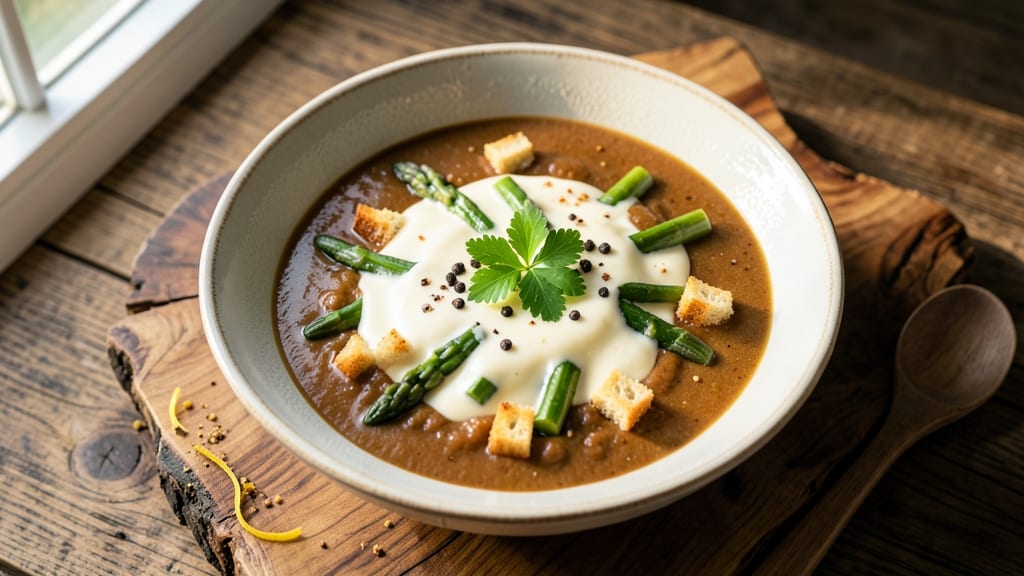
This asparagus soup recipe with heavy cream delivers ultra-smooth velvetiness that transforms simple vegetables into a luxurious comfort dish. The secret lies in blending fresh asparagus with aromatic onions and garlic before simmering in broth, then finishing with rich heavy cream for that signature velvety texture.
I've perfected this technique over years of testing—no lumps, no bitterness, just pure, restaurant-quality silkiness in every spoonful.
What sets this recipe apart is the balance of flavors and textures: tender asparagus, caramelized onions, and a velvety cream sauce that coats your spoon.
The key steps—sautéing the aromatics until deeply fragrant, simmering until the asparagus breaks down completely, and blending until silky—ensure a result that's both elegant and foolproof. Even beginners can achieve professional-level smoothness with this method.
By the time you're done, you'll have a soup so rich and velvety it feels like a hug in a bowl—perfect for chilly evenings or special occasions. The addition of heavy cream not only enhances the creaminess but also adds a subtle depth of flavor that makes this soup unforgettable.
Serve it with warm crusty bread or grilled cheese sandwiches for the ultimate comfort food experience.
This recipe scales beautifully for gatherings or meal prep, making it versatile for any occasion. The velvety texture and rich flavor will have everyone asking for seconds, proving that homemade soup can be just as luxurious as anything you'd find in a high-end restaurant.
Let's get started on creating this velvety masterpiece.
Ingredients for asparagus soup recipe with heavy cream
Eleven ingredients transform humble asparagus into restaurant-quality velvet soup with velvety cream richness.
| Ingredient | Amount | Notes |
|---|---|---|
| Fresh Asparagus Spears 🌱 | 1 lb | Trimmed, tough ends removed |
| Yellow Onion 🧅 | 1 whole | Medium size, finely diced |
| Garlic Cloves 🧄 | 4 cloves | Peeled, minced for aromatic depth |
| Vegetable Broth 💧 | 4 cups | Low-sodium preferred, homemade or quality store-bought |
| Heavy Cream 🥛 | 1 cup | Full-fat for velvety texture |
| Unsalted Butter 🧈 | 2 tbsp | European-style preferred for flavor |
| Extra-Virgin Olive Oil 🫒 | 2 tbsp | For sautéing aromatics |
| Salt 🧂 | ½ tsp | Diamond Crystal preferred |
| Ground White Pepper 🌶️ | ¼ tsp | Freshly ground for subtle heat |
| Fresh Lemon Juice 🍋 | 1 tbsp | Brightens the finished soup |
| Fresh Chives 🌿 | 2 tbsp | Chopped, for garnish |
The asparagus quality makes all the difference—thick spears yield more velvety texture than thin ones. Local farmers markets often have the freshest, brightest stalks, but any grocery store's pre-trimmed asparagus works in a pinch. For the onions, yellow onions caramelize best here, though red onions add subtle sweetness. The garlic should be freshly minced—pre-minced from jars lacks depth. If using frozen asparagus (for convenience), thaw and pat completely dry before cooking to prevent water dilution.
No vegetable broth? Chicken broth with added vegetable bouillon works, though the flavor will skew slightly more savory. Heavy cream can be substituted with half-and-half for lighter texture or coconut cream for dairy-free, though the velvety quality suffers. The butter should be European-style—it has higher fat content and richer flavor. For extra depth, white wine or shallots can replace half the onion, but traditionalists will insist the classic trio of onion, garlic, and asparagus is essential. The lemon juice can be omitted if you prefer a purely savory profile, though it balances the richness beautifully.
This soup tastes even better the next day as flavors meld—reheats perfectly in 2 minutes on the stove. Store in an airtight container for up to 5 days in the fridge, though the cream may separate slightly. For longer storage, freeze for up to 3 months—thaw gently in the fridge and whisk before reheating. Garnish with chives just before serving to preserve their vibrant color and fresh aroma. The soup's velvety texture holds up best when served immediately, but a quick whisk revives it if needed.
Why You'll Love This Recipe
- I swear by this trick: trim the asparagus ends before chopping, then sauté those scraps with the onions and garlic—they melt into the broth like magic, no food left behind.
- No-Waste Prep: I swear by this trick: trim the asparagus ends before chopping, then sauté those scraps with the onions and garlic—they melt into the broth like magic, no food left behind.
- Velvet Smooth Texture: That heavy cream doesn’t just add richness; it turns the soup into a luxurious, velvety hug. The asparagus stays tender while the cream rounds out the sharp onion and garlic—like a fancy bistro dish, but with my weeknight skills.
- Weeknight Dinner Party: Honestly, this is my secret weapon for "I’ll bring something" gatherings. It’s light enough for spring but hearty enough for a crowd, and the cream makes it feel special without requiring hours of prep.
Step-by-step instructions for asparagus soup with heavy cream
This method transforms simple ingredients into a restaurant-quality velvety asparagus soup.
Prepare the Asparagus and Aromatics
Trim the tough ends from the 1 lb fresh asparagus spears by snapping them at the natural break point—this ensures you remove only the fibrous portions while preserving the tender spears. Cut the spears into 1-inch pieces and set aside. In a medium bowl, combine the asparagus with the 1 whole yellow onion (finely diced) and the 4 cloves garlic cloves (minced). This preparation creates a flavor base where the onion and garlic will soften during cooking while the asparagus maintains its vibrant green color.
I like to work with cold ingredients at this stage—it's easier to handle the asparagus pieces cleanly. The key here is to maintain even sizing in the asparagus; this ensures uniform cooking and a smooth texture in the final soup. If you're using particularly thick asparagus spears, you can cut them into smaller, even pieces to prevent any potential bitterness from undercooked centers.
Sauté the Aromatics in Butter and Olive Oil
Heat a large pot over medium heat and add the 2 tbsp unsalted butter and 2 tbsp extra-virgin olive oil. Allow the butter to melt completely, then add the prepared asparagus-onion-garlic mixture. Cook for 5-6 minutes, stirring occasionally, until the onion becomes translucent and the garlic releases its fragrant aroma. This step develops the foundational flavors of the soup—don't rush it, as proper cooking of the aromatics prevents a raw taste in the finished dish.
Real talk: the butter should foam and then settle into a gentle sizzle before you add the vegetables. If it's browning too quickly, reduce the heat slightly. You're aiming for a gentle cooking process that softens the vegetables without burning them. After about 4 minutes, you'll notice the onion begins to break down and release its sweetness—that's your signal to keep stirring and let the flavors meld.
Simmer with Vegetable Broth
Pour in the 4 cups vegetable broth and bring the mixture to a gentle boil. Once boiling, reduce the heat to medium-low and let it simmer uncovered for 10-12 minutes. You want the liquid to maintain a steady simmer—this allows the asparagus to soften completely while preventing the broth from reducing too quickly. The soup should develop a rich, vibrant green color as the asparagus releases its natural pigments and flavors into the broth.
I recommend checking the doneness of the asparagus after 8 minutes by pressing a piece against the side of the pot with a spoon. It should be fork-tender with just a slight resistance—this indicates perfect cooking. If any pieces remain firm, continue simmering for another 2-3 minutes. The broth should reduce slightly but not become overly concentrated; you're aiming for a soup that coats the back of a spoon when stirred.
Blend to Ultra-Smooth Perfection
Using an immersion blender, carefully blend the soup directly in the pot until completely smooth. For best results, blend in batches if needed, working from the bottom of the pot upward to ensure all ingredients are fully incorporated. If you prefer using a countertop blender, let the soup cool slightly first, then blend until silky smooth. The key here is patience—don't rush the blending process, as any remaining texture will affect the final velvety consistency.
After blending, return the soup to the pot and stir in the 1 cup heavy cream. The cream should warm gently over low heat for 2-3 minutes—just enough to meld with the soup without curdling. This is where the soup transforms from good to exceptional, gaining that luxurious richness that defines this recipe. The heavy cream not only adds body but also enhances the natural sweetness of the asparagus and onion.
Finish with Seasoning and Garnish
Remove the soup from heat and stir in the 0.5 tsp salt, 0.25 tsp ground white pepper, and 1 tbsp fresh lemon juice. Taste and adjust the seasoning if needed—this is your opportunity to balance the flavors. The lemon juice brightens the soup, cutting through the richness of the cream, while the white pepper adds a subtle, sophisticated warmth. I like to let the soup sit off the heat for 5 minutes before serving; this allows the flavors to fully meld and the soup to reach its optimal temperature.
Before serving, ladle the soup into bowls and garnish each portion with 2 tbsp fresh chives (chopped). The chives add a fresh, herbal note that complements the creamy texture and rich flavors. This soup tastes best served immediately while still warm, with the cream maintaining its velvety consistency. For an extra touch, you can serve with crusty bread or a sprinkle of freshly cracked black pepper on top.
Pro Tips For Making Asparagus Soup Recipe With Heavy Cream
- CHAR THE ONIONS LOW: I used to rush this step and end up with bitter, caramelized bits instead of sweet, golden flavor. Sauté the onions in a heavy-bottomed pot over medium-low heat—just until translucent and soft, about 8-10 minutes. No need to brown them; you’re building flavor, not depth here.
- TRIM ASPARAGUS UNIFORMLY: Cutting the tough ends straight across makes the soup look messy, but trimming them at a slight angle (about 1/2-inch from the base) hides the woody bits while keeping the spears intact. Toss the trimmed ends in a bowl—you’ll blend them later for extra creaminess.
- BLEND IN STAGES: Dumping all the hot soup into a blender at once risks a volcanic explosion. Instead, work in batches—pour in a third of the soup, blend until smooth, then repeat. The heat will thin the cream slightly, so add a splash of broth back in if it gets too thick.
- TEMPER THE CREAM: Cold heavy cream straight from the fridge will curdle when hit with hot soup. Warm the cream first by whisking it into a small bowl of broth (about 1/4 cup) until slightly steamed, then stir it into the soup off the heat. No lumps, no stress.
Regional styles of asparagus soup recipe with heavy cream
French Classic Style
In France, this soup often features white wine instead of lemon juice for brightness, adding a subtle acidity that complements the cream. I like using Dry Sauvignon Blanc from Loire Valley—its crisp apple notes elevate the asparagus's natural sweetness.
The French also traditionally finish with a dash of crème fraîche instead of heavy cream, creating a lighter yet still velvety texture. Serve with baguette slices toasted with garlic butter for the ultimate bistro experience. 🍷
Italian Rustic Twist
Italian versions often incorporate Parmigiano-Reggiano into the cream mixture, adding nutty depth. I recommend grating 1 tbsp freshly into the warm soup just before serving—it melts beautifully and balances the richness. Italians also use fresh basil instead of chives for garnish, giving the soup a bright, herbal finish.
For extra rustic charm, serve with grissini (Italian breadsticks) or a side of polenta to soak up every last drop. 🌿
American Comfort Version
The American take often includes roasted asparagus instead of sautéed, adding a deeper caramelized flavor. I roast the spears at 425°F for 15 minutes before blending, which intensifies their natural sweetness.
Many American recipes also add a pinch of nutmeg to the cream mixture, giving it a warm, slightly spiced character. This version pairs perfectly with grilled cheese sandwiches or cornbread for ultimate comfort. 🧀
British Creamy Adaptation
British chefs frequently use double cream (equivalent to heavy cream) but often reduce it slightly before adding to the soup to prevent curdling. They also incorporate a splash of stout beer (like Guinness) into the broth for a malty depth.
Garnish with watercress instead of chives for a peppery contrast. Serve with crusty soda bread or cheddar scones for a hearty meal. 🍺
Mediterranean Herb Infusion
For a Mediterranean twist, stir in 1 tsp dried oregano or fresh dill during the simmering phase. The Greeks often add a pinch of cinnamon to the cream mixture for warmth.
Garnish with toasted pine nuts and crumbled feta cheese for texture contrast. This version pairs beautifully with warm pita bread or olive oil-drizzled crustini. 🌿
Nutrition facts
Frequently asked questions
Can I use frozen asparagus instead of fresh?
Yes, but with a few adjustments! Thaw frozen asparagus first and pat it completely dry to prevent water dilution. For best results, trim off any woody ends and cut into 1/2-inch pieces before cooking. The texture will be slightly less vibrant than fresh, but the flavor remains excellent. Pro tip: Add an extra 1 tbsp of heavy cream to compensate for any moisture loss.
Why did my soup turn out lumpy?
Lumpy texture usually happens when the soup isn't blended thoroughly or the asparagus isn't cooked soft enough. Always blend until completely smooth using an immersion blender, working from the bottom up. For extra silkiness, strain the soup through a fine-mesh sieve after blending. If the cream separates, whisk vigorously or warm the soup gently over low heat until fully combined. The key is patience—don't rush the blending process!
How can I make this soup dairy-free?
Replace the heavy cream with 1 cup full-fat coconut milk for a rich, dairy-free alternative. For extra thickness, add 1 tbsp cornstarch mixed with 2 tbsp water> and stir it into the soup during the last 2 minutes of simmering. The flavor will be slightly different but still velvety. Garnish with fresh herbs to brighten the dish.
Can I make this soup ahead of time?
This soup actually tastes better the next day as flavors meld. Store in an airtight container in the fridge for up to 5 days. The cream may separate slightly—just whisk or blend briefly before reheating. For longer storage, freeze for up to 3 months.> Thaw overnight in the fridge and reheat gently on the stove, stirring occasionally to restore its silky texture.
What's the best way to reheat leftovers?
Reheat gently on the stove over medium-low heat,> stirring frequently to prevent scorching. Avoid microwaving as it can make the soup watery and break down the cream's texture. If the soup seems too thick after reheating, add a splash of warm broth or water. For extra richness, stir in 1 tbsp butter> while reheating. This method preserves the velvety consistency perfectly.