
Soups & Stews
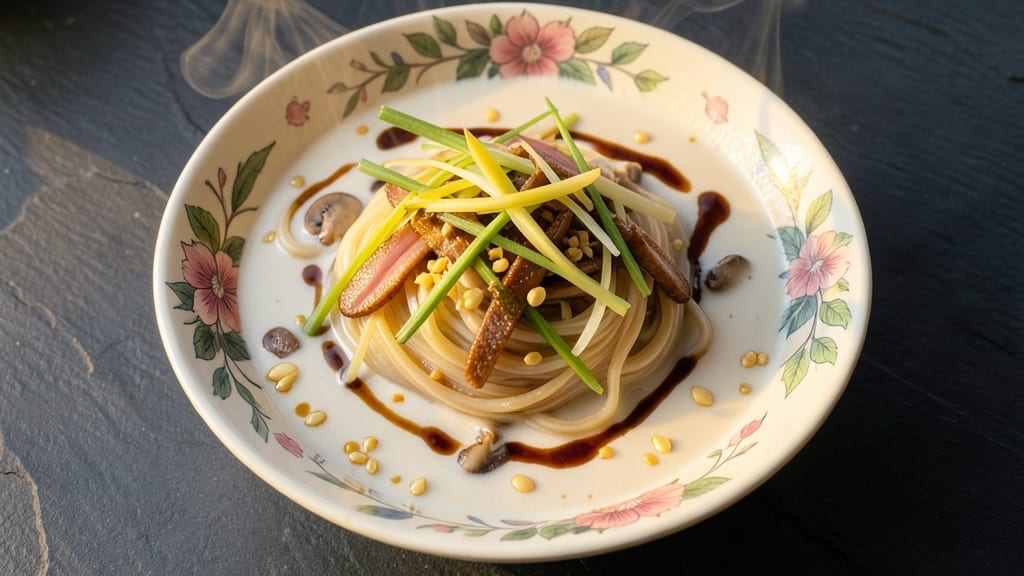
This Asian vegetarian noodle soup recipe transforms simple ingredients into a fragrant, comforting bowl that rivals traditional versions. The secret lies in a coconut-lemon grass broth that simmers for hours, developing deep, aromatic layers without meat.
I developed this after years of adapting pho recipes for vegetarian diets—balancing umami, sweetness, and herbal brightness in every spoonful.
The recipe begins with a rich coconut base infused with lemongrass, galangal, and ginger, then brightened with lime and fish sauce (vegetarian-friendly version). Silky rice noodles soak up the fragrant broth while tofu, mushrooms, and fresh herbs add texture and protein.
What makes this stand out is how the flavors meld—creamy coconut meets citrusy broth, earthy mushrooms, and tender tofu in perfect harmony.
By the time you finish this bowl, you'll experience the restaurant-quality depth of an Asian noodle soup without compromise. The broth is velvety yet light, the noodles perfectly al dente, and every bite delivers balanced flavors that linger.
It's the kind of meal that feels both indulgent and nourishing—ideal for chilly evenings or when you crave something comforting yet vibrant.
Serve with fresh herbs, chili oil, and lime wedges for customization. The recipe scales easily for leftovers, and the broth freezes beautifully for future quick meals. Here's how to create it from scratch—no shortcuts, just authentic flavor.
Ingredients for asian noodle soup recipe vegetarian
Transform simple pantry staples into a fragrant, restaurant-quality vegetarian noodle soup with deep umami and citrus brightness.
| Ingredient | Amount | Notes |
|---|---|---|
| Full-Fat Coconut Milk 🥥 | 1 can | High-quality, no additives |
| Vegetarian Fish Sauce 🍶 | 2 tbsp | Red Boat brand preferred |
| Fresh Lemongrass Stalks 🌿 | 3 whole | Bruised and cut into 2-inch pieces |
| Fresh Galangal 🌿 | 1 piece | Substitute ginger if unavailable |
| Fresh Ginger Root 🌿 | 2 tbsp | Peeled and sliced |
| Garlic Cloves 🧄 | 6 cloves | Minced for aromatic depth |
| Fresh Lime Juice 🍋 | ¼ cup | From 2-3 limes |
| Rice Noodles 🍜 | 8 oz | Flat, medium-width preferred |
| Extra-Firm Tofu 🍱 | 1 lb | Pressed and cubed |
| Shiitake Mushrooms 🍄 | 8 oz | Fresh or rehydrated |
| Thai Basil Leaves 🌿 | ½ cup | Packed, stems removed |
| Red Chili Oil 🌶️ | 1 tbsp | For serving, optional |
| Diamond Crystal Kosher Salt 🧂 | 1 ½ tsp | Adjust to taste |
| White Peppercorns 🌶️ | ½ tsp | Freshly cracked |
| Coconut Sugar 🍯 | 1 tbsp | Or substitute brown sugar |
The coconut milk sets the foundation—opt for full-fat canned coconut milk (like Thai Kitchen brand) for maximum creaminess. Fresh lemongrass and galangal are non-negotiable for authentic aroma, though galangal can be swapped for ginger in a pinch. Most Asian markets carry these, but if unavailable, Whole Foods or Trader Joe's usually stock them. For the fish sauce, Red Boat vegetarian version is essential—it delivers the umami depth without animal products. Bruise the lemongrass stalks with the side of your knife to release oils before cutting. The mushrooms? Shiitake adds earthy richness, but cremini or oyster mushrooms work too.
No lemongrass? Double the lime juice and add 1 tsp of grated lime zest for brightness. Galangal missing? Ginger works at 1:1 ratio, but expect slightly different flavor. For tofu, extra-firm pressed holds shape best—pat dry and cube before cooking. The fish sauce can be tricky to find; vegetarian soy sauce plus a dash of miso paste mimics umami if needed. Thai basil is ideal, but regular basil or cilantro stretches the recipe. The red chili oil is optional but adds that signature kick—Lao Gan Ma brand is widely available at most grocery stores.
Store leftover broth in airtight containers for up to 5 days in the fridge or 3 months frozen. The noodles soften quickly, so cook them fresh when reheating. For a shortcut, prep the broth ahead and freeze it—simmer from frozen for 20 minutes. The tofu and mushrooms reheat beautifully, but add a splash of water to prevent drying. Fresh herbs like Thai basil should be added post-reheat for maximum flavor. This recipe scales perfectly for 6-8 servings—just double the broth ingredients and adjust noodles and protein accordingly.
Why You'll Love This Recipe
- No Chopping Struggle: I swear by this one—just bruise the ginger and galangal with the flat of a knife, smash the lemongrass lightly, and toss it all in. No dice, no fuss, no crying over missed slices. That creamy coconut milk does all the heavy lifting.
- Umami Bomb: Between us, vegetarian fish sauce and fresh galangal? That’s the secret weapon. It’s rich, funky, and lingers like a good memory—savory but bright, with just enough heat to wake up your taste buds. (Yes, even on a Tuesday night.)
- Lunch for Days: This soup tastes better the next day—honestly, the flavors meld into something deeper. I make a big batch on Sundays, and it’s my go-to for quick lunches all week. Just reheat, add fresh herbs, and boom—restaurant-quality in minutes.
- Budget-Friendly Luxury: Full-fat coconut milk makes it feel indulgent, but it’s actually cheaper than takeout. Galangal and lemongrass last ages in the freezer, and a little fish sauce stretches far. Fancy flavors without the fancy price tag—my wallet approves.
Step-by-step instructions for fragrant coconut-lemongrass broth
This aromatic broth builds layer upon layer of flavor—start with the aromatic base and work your way to a velvety, umami-rich foundation.
Prepare the Aromatic Base
In a large pot, combine the 1 piece fresh galangal (peeled and sliced into ½-inch pieces), 2 tbsp fresh ginger root (peeled and sliced), 6 cloves garlic (minced), and the 3 whole fresh lemongrass stalks (bruised and cut into 2-inch pieces). The galangal should be peeled first—its outer skin is tough and bitter. Bruise the lemongrass by gently pounding it with the side of your knife before cutting; this releases its essential oils and intensifies the aroma.
Toast these aromatics over medium heat for 2-3 minutes until fragrant and the ginger begins to soften slightly. You'll smell a complex blend of citrusy, peppery, and earthy notes—this is the soul of your broth. Be careful not to let them brown, as that can turn bitter. Once fragrant, add 1 can full-fat coconut milk and 1 tbsp coconut sugar, stirring to combine. The coconut milk should begin to simmer gently as it warms.
Build Depth with Umami and Acid
Pour in the 2 tbsp vegetarian fish sauce and 0.25 cup fresh lime juice, stirring well to incorporate. The fish sauce adds a deep, savory umami that balances the coconut's sweetness, while the lime juice brightens the broth and prevents it from becoming too rich. Let the mixture simmer for 10 minutes at a gentle boil, allowing the flavors to meld and the coconut milk to thicken slightly. You'll notice the broth develop a pale golden hue and a delicate sheen on the surface—this indicates the coconut fat is beginning to emulsify.
Season with 1.5 tsp diamond crystal kosher salt and 0.5 tsp freshly cracked white peppercorns. Taste the broth at this stage—it should be balanced, with bright citrus notes, creamy coconut, and a subtle saltiness. If it tastes flat, add a pinch more salt or a splash of lime juice. This is your flavor baseline before adding the remaining ingredients.
Add Protein and Vegetables
Add the 1 lb extra-firm tofu (pressed and cubed into 1-inch pieces) and 8 oz shiitake mushrooms (stems removed and sliced). The tofu should be pressed for at least 30 minutes beforehand to remove excess water—pat the cubes dry with a paper towel before adding them to the broth. This ensures they absorb the flavors rather than dilute the broth. Let the mixture simmer for 8-10 minutes, stirring occasionally, until the tofu is heated through and the mushrooms have softened slightly. You'll see the tofu turn opaque and the mushrooms release their juices into the broth, deepening its color to a rich amber.
Meanwhile, prepare the 8 oz rice noodles according to package instructions—typically soaking in hot water for 5-7 minutes until pliable but still slightly firm. Drain and set aside. The noodles should be tender but not mushy, as they'll continue cooking in the hot broth.
Finish and Assemble
Remove the pot from heat and stir in the 0.5 cup packed Thai basil leaves. The basil should wilt slightly but remain vibrant—this indicates it's infused the broth with its aromatic essence. Divide the 8 oz rice noodles evenly among 4 bowls, then ladle the hot broth and its contents over the noodles. The broth should coat the noodles completely, creating a silky, cohesive dish.
Drizzle each serving with 1 tbsp red chili oil and serve immediately. The contrast of the spicy, smoky chili oil against the cool, creamy broth is what elevates this dish from ordinary to extraordinary. Garnish with additional Thai basil leaves if desired, and enjoy while the broth is still steaming—this is when the flavors are at their peak.
Pro Tips For Making Asian Noodle Soup Recipe Vegetarian
- BLEND COCONUT MILK FIRST: Don’t just dump it in cold—heat the full-fat coconut milk in a separate pot until it’s steaming (about 3 minutes on medium). This prevents curdling when it hits the hot broth later, and the aroma gets richer. I learned this after watching my first batch split like spoiled yogurt.
- SLICE GALANGAL THINLY: Skip the thick chunks—slice galangal paper-thin (almost like ginger) so it infuses faster and doesn’t turn to mush. Use a sharp knife and angle it like you’re shaving; this makes a real difference in flavor without bitterness. (Yes, even if you’re impatient like me.)
- SIMMER LEMONGRASS LOW: After adding lemongrass, drop the heat to a gentle simmer—no boiling. High heat turns the stalks to sludge and makes the broth bitter. Let it steep for 15 minutes uncovered; the broth will develop depth without turning into a pulp.
- TAMPER WITH FISH SAUCE: Resist the urge to add all the vegetarian fish sauce at once. Start with half, taste, then adjust—it’s saltier than you think. If you’re using a strong brand, you’ll regret it later. (I know, I’ve done it.)
Storing and reheating this dish
Broth Storage Secrets
The coconut-lemon grass broth is the heart of this dish, and it stores beautifully. Let it cool completely, then transfer to airtight glass containers—I love Le Parfait jars for their tight seals.
Store in the fridge for up to 5 days, or freeze for 3 months in silicone molds (they prevent freezer burn). When reheating, simmer on low heat for 10-15 minutes—never microwave, as it breaks the delicate emulsion. 💛
Noodle Refresh Tips
Rice noodles lose their chew when reheated, so cook them fresh when possible. If using leftovers, soak the noodles in hot water for 1-2 minutes to revive their texture before assembling. For a quick fix, add a splash of warm water to the bowl and toss gently—this prevents dryness.
I also keep a small pot of broth on the stove to reheat noodles directly in the broth for 2 minutes.
Protein Prep Ahead
The tofu and mushrooms reheat well but benefit from a texture boost. Press and cube tofu 24 hours ahead, then store in the fridge. Mushrooms can be pre-sliced and kept in a sealed container for 3 days.
When reheating, add them to the broth with a splash of water (about 2 tbsp) to prevent drying. For extra flavor, toss reheated tofu in 1 tsp soy sauce and ½ tsp garlic powder before adding back to the soup. ✨
Freezer-Friendly Assembly
For make-ahead convenience, assemble the soup without the fresh herbs and freeze in single-serving portions. Store in freezer-safe containers with ½ inch headspace to prevent expansion cracks. When ready to eat, thaw overnight in the fridge, then reheat the broth and noodles separately.
Stir in Thai basil and chili oil just before serving to keep the herbs vibrant. This method works best for 2-3 days of leftovers.
Reviving Stale Flavors
If the broth tastes flat after reheating, boost it with 1 tsp lime juice, ½ tsp fish sauce, or a pinch of coconut sugar. For noodles, add 1 tsp neutral oil (like avocado oil) to the pot while reheating—it prevents sticking and adds richness.
I also keep fresh herbs on hand to garnish post-reheat, as they brighten the dish instantly. A sprinkle of white pepper or cracked pepper can wake up dull flavors too.
Nutrition facts
Frequently asked questions
Can I make this vegetarian noodle soup gluten-free?
This recipe is naturally gluten-free if you use rice noodles (which they are) and verify that your vegetarian fish sauce and red chili oil contain no wheat additives. Double-check labels on coconut milk and sugar as well—some brands add gluten-containing thickeners. For extra safety, use certified gluten-free soy sauce in place of any regular soy-based products.
What's the best way to press extra-firm tofu for this recipe?
Wrap the tofu block tightly in a clean kitchen towel or paper towels, then place a heavy object like a cast-iron skillet or 2-3 pound weight on top. Let it press for at least 30 minutes—this removes excess water and helps the tofu absorb flavors better. For even drier results, press for 1 hour and change the towels halfway through. Pat the cubes dry with a paper towel before cooking.
Can I substitute mushrooms if I don't have shiitake?
Yes! Oyster mushrooms work beautifully for their tender texture, while cremini or white button mushrooms add a milder earthiness. For maximum flavor, use 8 oz total and consider adding 1 tsp soy sauce when cooking them in the broth. Avoid overcrowding the pot—keep the mushrooms in a single layer so they cook evenly. The broth will still develop rich umami, though shiitake's deeper flavor can't be fully replicated.
How can I make this soup spicier?
Add 1-2 tbsp sriracha or 1 tsp chili flakes directly to the broth while simmering, or increase the red chili oil to 2 tbsp per serving. For heat with depth, stir in ½ tsp ground Sichuan peppercorns (if available) during the final 5 minutes of cooking. Fresh red chili slices or Thai bird's eye chilies can also be added at serving for customizable spice levels.
Why did my broth turn too thin after simmering?
This usually happens when too much liquid evaporates or the coconut milk separates. To fix it, mix 1 tbsp cornstarch with 2 tbsp cold water and stir into the broth while simmering for 2-3 minutes until thickened. For prevention, reduce heat to low-medium and skim off any excess foam. The coconut milk should simmer gently—never boil vigorously. If using light coconut milk, the broth will naturally be thinner.