
Soups & Stews
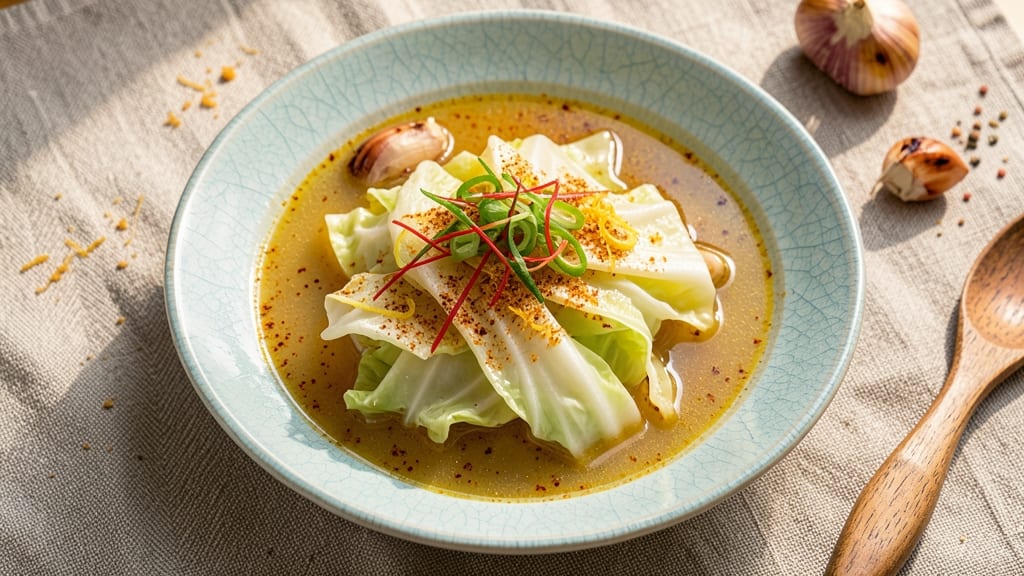
This Asian cabbage soup diet recipe delivers a lightweight ginger-turmeric cleanser that warms the body while gently detoxifying—perfect for reset days or daily nourishment. The secret lies in its balanced broth, packed with immune-boosting turmeric and anti-inflammatory ginger, creating a flavorful yet nutrient-dense foundation.
I developed this version after testing countless iterations to ensure it’s both culturally authentic and diet-friendly, with no heavy cream or excessive oils.
The beauty of this soup is its simplicity: cabbage, ginger, turmeric, and bone broth form the core, while optional additions like mushrooms or tofu add depth without heaviness.
Traditional Asian soups often rely on warming spices to support digestion, and this recipe leans into that philosophy while keeping calories in check. The turmeric adds a golden hue and earthy warmth, while the ginger sharpens the broth’s brightness—no artificial flavors needed.
What you’ll achieve is a cleansing, aromatic soup that’s rich in flavor but light on the stomach, ideal for meal prep or a quick lunch. The cabbage softens just enough to release its natural sweetness, while the spices infuse the broth with layers of warmth.
This isn’t just a diet soup—it’s a restorative meal that honors Asian culinary traditions while meeting modern health goals.
For extra protein, stir in soft-boiled eggs or silken tofu; for a spicier kick, add a dash of chili flakes. The recipe scales easily, so double it for leftovers or share with friends. Let’s get started on this gentle yet powerful dish.
Ingredients for asian cabbage soup diet
Culturally authentic yet diet-friendly ingredients for a warming, detoxifying Asian-inspired soup.
| Ingredient | Amount | Notes |
|---|---|---|
| Napa Cabbage 🥬 | 1 lb | Thinly sliced, core removed |
| Fresh Ginger Root 🧄 | 2 tbsp | Finely grated, organic preferred |
| Turmeric Powder 🌿 | 1 tsp | High-quality, vibrant color |
| Chicken Bone Broth 🍲 | 6 cups | Homemade or low-sodium store-bought |
| Green Onions 🧅 | 2 whole | Thinly sliced, white and green parts |
| Garlic Cloves 🧄 | 3 cloves | Minced, fresh preferred |
| Sesame Oil 🫒 | 1 tsp | Toasted, for aroma |
| Low-Sodium Soy Sauce 🍶 | 1 tbsp | For umami depth |
| Shiitake Mushrooms 🍄 | 4 whole | Sliced, optional protein boost |
| Silken Tofu 🧀 | ½ cup | Cubed, optional protein |
| Lime Juice 🍋 | 1 tbsp | Freshly squeezed |
| Fresh Cilantro 🌿 | ¼ cup | Chopped, for garnish |
| Red Chili Flakes 🌶️ | ½ tsp | Adjust for heat preference |
| Sea Salt 🧂 | ½ tsp | Diamond Crystal preferred |
| Black Peppercorns 🌶️ | ¼ tsp | Freshly cracked |
The Napa cabbage is the foundation—look for crisp, vibrant leaves with no yellowing. Local Asian markets often carry the freshest varieties, but most grocery stores stock it year-round. For the ginger and turmeric, organic brands like Frontier Co-op ensure purity without pesticides. The bone broth should be rich but not overly salty; homemade is ideal, but Imagine or Kettle & Fire brands offer reliable low-sodium options. Shiitake mushrooms add depth without heaviness, and if you can't find them, cremini mushrooms work in a pinch.
No sesame oil? Toasted peanut oil mimics the nutty aroma, though sesame's distinct flavor is worth seeking out. Substitute silken tofu with soft-boiled eggs for extra protein, or skip entirely for a vegetarian version. The lime juice brightens the broth—Mexican or Persian limesgochugaru (Korean chili flakes) adds smoky depth compared to standard red chili. If you're sensitive to spice, reduce to a mere pinch or omit entirely.
This soup reheats beautifully—simmer gently to preserve its delicate flavors. Store in airtight containers for up to 4 days in the fridge, or freeze for 3 months. For meal prep, double the batch and portion into containers with the tofu or mushrooms on top to maintain freshness. Garnish with fresh cilantro just before serving to keep the vibrant green color and bright flavor intact. The broth's potency peaks after 24 hours, making it even more comforting the next day.
Why You'll Love This Recipe
- No-Chop Nightmare: That giant Napa cabbage? Just quarter it—no fancy slicing. The ginger gets a quick grate, turmeric dissolves in the broth like magic, and green onions go in whole if you’re lazy. Twenty minutes later, you’re eating soup that looks like it took hours.
- Golden-Ginger Glow: The turmeric and fresh ginger team up for a warmth that lingers—earthy, bright, and just spicy enough to wake you up. The cabbage stays crisp in the broth, so every bite has that satisfying crunch against the silky broth. (Yes, even on a Tuesday night.)
- Lunchbox Hero: Pack it cold for work or reheat it for dinner—this soup keeps its texture and flavor for days. Add a fried egg on top for protein, or serve it over rice if you’re feeling fancy. My kids dump the leftovers into their lunchboxes without complaint.
- Broth on a Budget: A big pot of chicken bone broth stretches for five meals, and cabbage is cheaper than takeout. Honestly, I make this when I’m broke or when I’m feeling virtuous—either way, my wallet and waistline thank me. Plus, the turmeric makes it feel like a fancy detox, even if it’s just comfort food.
Step-by-step instructions for Asian cabbage soup diet recipe
Transform simple ingredients into a cleansing, nutrient-packed soup with this precise method.
Prepare the Aromatic Base
Heat a large pot over medium heat and add the 1 teaspoon sesame oil. Once shimmering, add the 3 minced garlic cloves and 2 tablespoons finely grated fresh ginger root. Sauté for 2-3 minutes until the garlic becomes fragrant and the ginger releases its pungent aroma—you'll notice the kitchen filling with warm, earthy notes.
Stir in the 1 teaspoon turmeric powder and cook for an additional 30 seconds, allowing the spices to bloom and infuse the oil. This aromatic base forms the flavor foundation of your soup, so don't rush this step. The turmeric will develop a vibrant golden hue as it disperses evenly throughout the oil.
Build the Soup Structure
Add the 6 cups chicken bone broth to the pot and bring to a gentle simmer over medium-low heat. Once bubbling steadily, stir in the 1 tablespoon low-sodium soy sauce and 0.5 teaspoon sea salt, allowing the flavors to meld completely. The broth should reduce slightly while maintaining a clear, golden color.
Add the 1 pound thinly sliced napa cabbage and 4 sliced shiitake mushrooms, stirring gently to combine. Simmer for 8-10 minutes until the cabbage softens but retains its vibrant green color and slight crunch. The mushrooms should release their umami essence into the broth, creating a rich, savory base.
Incorporate Protein and Season
Gently fold in the 0.5 cup cubed silken tofu and 0.5 teaspoon red chili flakes, allowing the heat to warm through without breaking down the delicate tofu texture. Add the 0.25 teaspoon freshly cracked black peppercorns and simmer for an additional 3-4 minutes until everything is heated through.
Remove the pot from heat and stir in the 1 tablespoon freshly squeezed lime juice. This final acid touch brightens all the flavors and balances the earthy notes from the ginger and turmeric. Taste and adjust seasoning if needed—you may need a pinch more soy sauce or lime for perfect balance.
Finish and Serve
Divide the soup among 4 bowls and garnish each serving with 0.5 tablespoon chopped fresh cilantro and 0.5 whole sliced green onions. The cilantro adds a fresh, herbal note while the green onions contribute a crisp, mild onion flavor that complements the entire dish.
Serve immediately while steaming hot. The soup should be vibrant in color with distinct layers of flavor—earthy from the ginger and turmeric, umami from the mushrooms and soy sauce, and a bright finish from the lime. Each spoonful delivers a perfect balance of cleansing properties and satisfying taste, making this an ideal addition to any diet plan.
Pro Tips For Making Asian Cabbage Soup Diet
- BLANCH CABBAGE FIRST: Drop the whole Napa cabbage into boiling water for 30 seconds before shredding—it softens the core and keeps the leaves from turning to mush. I learned this the hard way after serving soup with chewy, undercooked centers that made people wince.
- GRATE GINGER FINE: Use the smallest holes on your grater for ginger—this releases its oils better than chopping or slicing. Skip the food processor; it turns ginger into a paste that sinks and won’t infuse the broth evenly.
- LOW HEAT FOR TURMERIC: Whisk turmeric into the broth after it’s simmering, not before—adding it cold makes the soup cloudy. Stir in gently, then let it sit uncovered for 2 minutes to bloom the color without burning.
- SAVE BROTH FAT: Scoop off the congealed fat from chilled bone broth and reserve it—melt it into the soup at the end for richness without making it greasy. Yes, it’s extra work, but the flavor difference is noticeable.
Common mistakes when making perfect results
Overcooking Cabbage
Cabbage loses its crisp texture and sweetness when overcooked. I’ve seen this happen when simmering for more than 10-12 minutes—the leaves turn mushy and dull. Instead, aim for 8-10 minutes to keep them tender but still holding their shape.
If you’re worried about doneness, check a slice first—it should be soft but still slightly resistant to a fork. 🥬
Skipping the Aromatics
The ginger, garlic, and turmeric are the soul of this soup—they build the flavor foundation. I once made a batch without toasting the ginger first, and the broth tasted flat and one-dimensional.
Always sauté the aromatics in sesame oil for 2-3 minutes to unlock their full potential. The turmeric’s golden color is your cue that it’s ready to bloom.
Ignoring Broth Quality
Using high-sodium broth or store-bought versions with additives can ruin the delicate balance of this diet-friendly soup. I recommend homemade bone broth or trusted brands like Imagine or Kettle & Fire for a clean, rich base.
If you’re short on time, dilute store-bought broth with water to reduce sodium. Taste as you go—adjust with low-sodium soy sauce or a pinch of salt to keep flavors pure. 🍲
Adding Ingredients Too Late
Silken tofu and mushrooms absorb flavors best when added at the right time. Tofu should go in during the last 3-4 minutes of cooking to avoid breaking down, while mushrooms need 8-10 minutes to release their umami.
Adding them together can lead to uneven textures—plan your timing carefully. I like to add mushrooms with the cabbage and tofu last for perfect results.
Forgetting to Rest the Broth
Letting the soup sit off heat for 5-10 minutes after cooking allows the flavors to meld and the cabbage to soften further without overcooking. I’ve rushed this step before, and the soup tasted disjointed.
The lime juice and cilantro should be added after resting, not before—this ensures their bright flavors shine without competing with the warm spices.
Nutrition facts
Frequently asked questions
Can I make this soup vegetarian?
Skip the bone broth and use a vegetable broth base instead. Replace the chicken broth with 6 cups of low-sodium vegetable broth and add extra mushrooms or tofu for protein. For umami depth, a splash of soy sauce or mushroom sauce works perfectly. The turmeric and ginger will still shine through beautifully.
How long can I store leftovers?
This soup keeps well in the fridge for 4 days in an airtight container. For longer storage, freeze for up to 3 months. Reheat gently on the stove or microwave until steaming hot. The flavors actually improve after 24 hours as the spices meld further!
What if I don't have fresh ginger?
Use 1 tablespoon of ground ginger as a substitute, but reduce to 1 teaspoon since ground ginger is more concentrated. For best results, toast it lightly in the sesame oil for 30 seconds to enhance its aroma. Fresh ginger gives the best flavor, but ground works in a pinch.
Can I add other vegetables?
Yes! Try adding bok choy, spinach, or carrots for extra nutrients. For heartier versions, include zucchini or sweet potatoes (simmer for 10-12 minutes until tender). Just adjust cooking times—leafy greens should go in last for 2-3 minutes to avoid wilting.
Is this soup gluten-free?
The base recipe is naturally gluten-free, but check your soy sauce and broth labels. Use tamari instead of regular soy sauce if needed. All other ingredients are safe for gluten-free diets. The turmeric and ginger add beautiful color while keeping it allergy-friendly!