
Soups & Stews
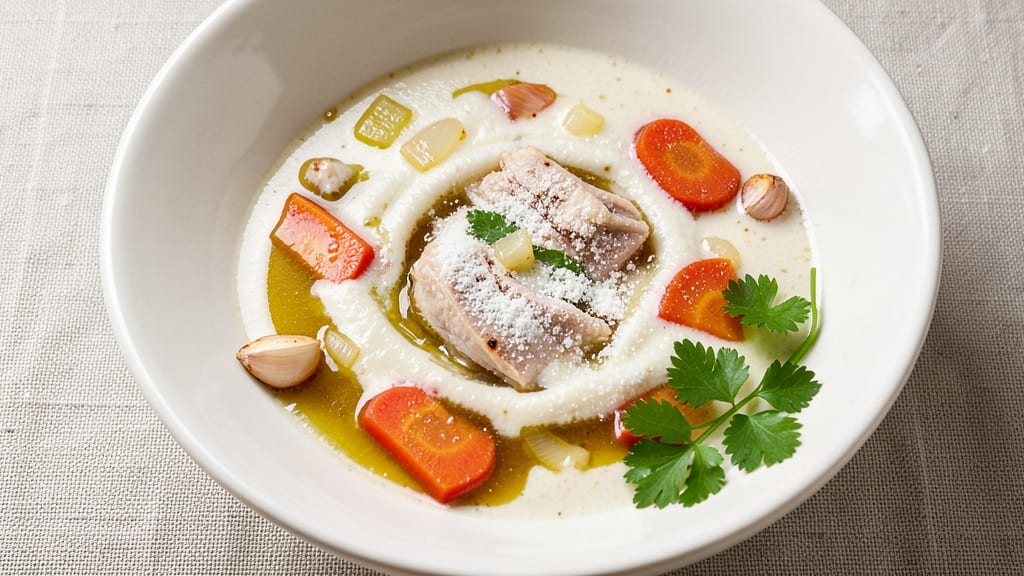
This arrowroot soup recipe delivers a velvety, gluten-free texture that's surprisingly simple to achieve. The secret lies in creating an arrowroot slurry—just a small amount of arrowroot powder mixed with cold water—that transforms ordinary broth into a luscious, restaurant-quality soup.
I developed this recipe after struggling to find a naturally thickened soup that didn't rely on flour or cornstarch, and the results speak for themselves.
The process begins with a flavorful broth base—whether you use chicken, vegetable, or beef—simmered until rich and aromatic. Then comes the arrowroot magic: whisking the slurry into the hot broth and letting it simmer just until it thickens, creating that signature smooth consistency without any graininess.
This method works equally well for creamy vegetable soups, hearty chicken broths, or even vegan versions with vegetable stock.
What you'll end up with is a soup that's silky smooth yet light enough to satisfy any appetite. The arrowroot thickens beautifully without altering the broth's natural flavor, and the texture remains velvety even when reheated.
It's the perfect solution for those who love rich, creamy soups but want to avoid gluten or heavy cornstarch-based thickeners.
This recipe is especially versatile—add your favorite vegetables, proteins, or herbs for customization. Whether you're preparing a comforting weeknight dinner or a special meal, this arrowroot soup delivers professional-quality results with minimal effort. Let's get started on creating your perfect bowl.
Ingredients for arrowroot soup
Arrowroot powder transforms simple broth into velvety perfection—just four key ingredients make this magic happen.
| Ingredient | Amount | Notes |
|---|---|---|
| Arrowroot Powder 🌾 | 1 ½ tbsp | Pure, gluten-free arrowroot |
| Chicken Broth 🍲 | 6 cups | Homemade or quality store-bought |
| Cold Water 💧 | ¼ cup | Room temperature preferred |
| Yellow Onion 🧅 | 1 whole | Medium size, diced fine |
| Garlic Cloves 🧄 | 3 cloves | Fresh, minced finely |
| Carrots 🥕 | 3 medium | Peeled, diced small |
| Celery Stalks 🌿 | 2 whole | Trimmed, chopped fine |
| Butter 🧈 | 2 tbsp | Unsalted, for flavor base |
| Fresh Thyme 🌿 | ¼ tsp | Leaves only, chopped |
| Salt 🧂 | ½ tsp | Diamond Crystal preferred |
| Black Pepper 🌶️ | ¼ tsp | Freshly ground preferred |
| Heavy Cream 🥛 | ½ cup | Optional, for extra richness |
| Fresh Parsley 🌿 | 0.1 cup | Chopped, for garnish |
Arrowroot powder is the star here—Bob's Red Mill or Anthony's Goods are my go-tos for quality. The medium-sized onion and 3 medium carrots should be fresh, not rubbery. I always grab organic celery from the grocery store's produce section—it's sweeter and more flavorful. For the broth, Pacific Foods or Swanson low-sodium options work well if you're short on time, but homemade is always better. The arrowroot slurry is non-negotiable—it's what gives that signature silky texture. Trust me on this: don't substitute cornstarch or flour, even if it's gluten-free.
No arrowroot powder? Tapioca starch at half the amount works in a pinch, but the texture won't be quite as smooth. Short on carrots? Sweet potatoes or butternut squash add natural sweetness. The thyme can be dried at one-third the amount, but fresh is ideal—it adds an earthy depth. Heavy cream is optional but worth it for special occasions. If you're making this vegan, swap the heavy cream for coconut milk or cashew cream. The fresh parsley is just for garnish, but don't skip it—it brightens the whole dish.
This soup reheats beautifully—just warm gently on the stove. Keeps 4-5 days in the fridge, 3 months frozen. I always double the batch because leftovers taste even better the next day. Store the broth base separately if you're prepping ahead—just reheat and whisk in the arrowroot slurry when you're ready to serve. The arrowroot slurry itself can be made 1 day ahead and stored in the fridge, but add it to the hot broth right before serving for the best texture.
Why You'll Love This Recipe
- No-Fuss Starter: I swear by this when I’m starving but too tired to chop much—just a quick sauté of onion and garlic, a splash of cold water, and that arrowroot powder turns it silky smooth in minutes. Honestly, it’s the kind of dish that makes me feel like I’ve cooked when I’ve barely moved.
- Umami Bomb: That little trick of whisking arrowroot into cold water first? It thickens the broth into something dangerously rich—like a cross between a velvety consommé and a light bisque. The garlic lingers just enough to make it crave-worthy without overpowering.
- Leftover Goldmine: Make a big batch on Sunday, and you’ve got a freezer-friendly side that reheats like a dream—no graininess, no slimy texture. My kids beg for it in their lunches, and I’ve even used it as a base for quick pasta sauces when I’m in a pinch.
- Pantry Magic: Between us, arrowroot is my secret weapon for turning basic broth into something special. It’s cheap, it’s shelf-stable, and it works when cornstarch or flour won’t cut it. Plus, the flavor stays bright even after days in the fridge—no sad, gluey leftovers here.
Step-by-step instructions for arrowroot soup
Here's how to create a velvety, gluten-free soup that's silky smooth and packed with flavor.
Sauté the Aromatics Until Fragrant
Melt the 2 tbsp butter in a large pot over medium heat. Add the 1 whole yellow onion, 3 medium carrots, and 2 whole celery stalks, all diced fine. Cook for 5-7 minutes until the vegetables begin to soften and the onion becomes translucent.
Add the 3 cloves garlic cloves, minced finely, and the 0.25 tsp fresh thyme. Stir for 30 seconds until the garlic releases its aroma—this is when your kitchen will smell like a cozy kitchen. The thyme adds an earthy depth that pairs perfectly with the classic veggie combination. If you notice the garlic starts to brown too quickly, reduce the heat slightly to prevent burning.
Build the Flavor Base with Broth
Pour in the 6 cups chicken broth and bring the mixture to a gentle boil. Once boiling, reduce the heat to medium-low and let it simmer uncovered for 15 minutes. This allows the vegetables to fully soften and infuse the broth with their flavors.
Taste the broth at this stage. You should detect the sweetness of the carrots, the subtle bitterness of the celery, and the savory depth of the onion. If it needs more salt, add the 0.5 tsp salt now. The broth should be flavorful but not overwhelming—this is the foundation of your soup.
Thicken with Arrowroot for Silky Texture
In a small bowl, whisk together the 1.5 tbsp arrowroot powder and 0.25 cup cold water until completely dissolved. This mixture should be smooth with no lumps—arrowroot thickens best when fully hydrated.
Slowly pour the arrowroot slurry into the simmering soup while stirring constantly with a wooden spoon. The soup will begin to thicken immediately, so keep stirring for 2-3 minutes until it reaches a velvety consistency. You're aiming for a texture that coats the back of a spoon but isn't gluey—this is where the arrowroot shines, creating that restaurant-quality smoothness without any gluten.
Finish with Cream and Fresh Herbs
Remove the pot from heat and stir in the 0.5 cup heavy cream (if using) and 0.25 tsp black pepper. Let the soup sit off the heat for 2 minutes to allow the flavors to meld together. The cream adds a luxurious richness that balances the earthy vegetables.
Finally, stir in the 0.1 cup fresh parsley, chopped finely. The parsley brightens the soup with a fresh, herbal note that cuts through the creaminess. Taste again and adjust seasoning if needed—this is your chance to perfect the balance of flavors before serving.
Serve Warm with Crispy Garnishes
Ladle the soup into bowls and serve immediately while it's hot. For extra texture, top with crispy fried shallots or toasted breadcrumbs. The contrast between the silky soup and crunchy garnish makes each spoonful even more satisfying.
This soup keeps well in the refrigerator for 3-4 days in an airtight container. When reheating, do so gently on the stove over low heat, stirring constantly to prevent the arrowroot from clumping. The beauty of this recipe is its versatility—you can adjust the vegetables based on what you have on hand while maintaining that perfect silky texture.
Pro Tips For Making Arrowroot Soup
- Sift the Arrowroot: DESCRIPTION:
- Sweat, Don’t Burn: DESCRIPTION:
- Cold Water First: DESCRIPTION:
- Simmer, Don’t Boil: DESCRIPTION:
Creative variations of these flavors
Vegetarian Versions
Swap the chicken broth for 6 cups vegetable broth and add 1 cup diced mushrooms or ½ cup cooked lentils for protein. I love using Swanson Vegetable Broth for depth, and the mushrooms add an earthy richness that pairs perfectly with the arrowroot.
For extra creaminess, stir in ½ cup coconut milk instead of heavy cream—it keeps the soup vegan while maintaining that silky texture. 🌱
Spicy Southwest Style
Add 1 tbsp chili powder, ½ tsp cumin, and ¼ tsp smoked paprika when sautéing the aromatics. Stir in ½ cup black beans and ½ cup corn kernels after simmering the broth.
Top with avocado slices and a squeeze of lime before serving. This version transforms your arrowroot soup into a comforting, flavor-packed bowl with a Southwestern twist. 🌶️
Creamy Potato-Leek
Replace carrots and celery with 2 cups thinly sliced leeks and 2 cups diced Yukon Gold potatoes. Simmer the potatoes in the broth until tender, then blend ½ cup of the soup for extra creaminess.
The leeks add a delicate sweetness, while the potatoes create a naturally thickened base that works beautifully with arrowroot. Finish with a sprinkle of chives for freshness. 🥔
Asian-Inspired Ginger
Infuse the broth with 1-inch fresh ginger, sliced, and 2 cloves garlic, minced. Add 1 tbsp soy sauce and 1 tsp sesame oil after simmering. For garnish, top with thinly sliced green onions, toasted sesame seeds, and a drizzle of chili oil.
The ginger brightens the soup while keeping that signature arrowroot smoothness. 🌿
Hearty Mushroom-Thyme
Use 8 oz sliced cremini mushrooms instead of carrots and celery. Sauté them until golden, then add 1 tsp fresh thyme and ½ cup white wine to deglaze the pot.
The mushrooms absorb the broth beautifully, creating a rich, umami-packed base. Stir in ¼ cup crumbled blue cheese at the end for a luxurious twist. 🍄
Lemon-Herb Twist
Finish the soup with zest and juice of 1 lemon and 1 tbsp fresh dill. The acidity cuts through the richness, while the dill adds a bright, herbal note.
This variation works especially well with a vegetable broth base and pairs beautifully with crusty bread. The arrowroot maintains its silky texture even with the added acidity. 🍋
Nutrition facts
Frequently asked questions
Can I substitute arrowroot with cornstarch in this soup?
While both thicken soups, they behave differently. Arrowroot creates a silky, glossy texture without altering flavor, while cornstarch can make the soup slightly grainy or cloudy. For a 1:1 swap, use 1 tbsp cornstarch mixed with 1 tbsp cold water, but expect a slightly different mouthfeel. The arrowroot's natural clarity is what gives this soup its restaurant-quality finish.
Why does my arrowroot soup get lumpy?
Lumps happen when arrowroot isn't fully dissolved in the slurry or when added to broth that's too cold. Always whisk arrowroot with cold water until completely smooth, then pour it into the simmering (not boiling) broth while stirring constantly. If lumps appear, immediately whisk vigorously or blend briefly. The key is patience—arrowroot needs heat to activate properly.
How do I make this soup vegan?
Swap the chicken broth for vegetable broth, use coconut milk or cashew cream instead of heavy cream, and ensure your arrowroot powder is certified vegan. The arrowroot slurry method works perfectly with plant-based bases—just adjust seasoning to taste since vegetable broth can be more subtle. For extra protein, add lentils or mushrooms.
Can I make this soup ahead of time?
Yes! Prepare the broth base and store it in the fridge for up to 3 days. For the arrowroot slurry, make it fresh before serving—whisk it into the hot broth just before eating to maintain that perfect texture. If reheating, warm gently on low heat while stirring constantly to prevent clumping. The arrowroot holds up beautifully when reheated properly.
What's the secret to the perfect arrowroot slurry?
The secret is in the ratio and temperature: use 1 tbsp arrowroot to 2 tbsp cold water (not hot). Whisk vigorously until completely dissolved—no lumps allowed! The cold water prevents premature thickening. Add the slurry to the simmering (not boiling) broth while stirring constantly. The magic happens when the arrowroot activates in the heat, creating that signature velvety texture.