
Soups & Stews
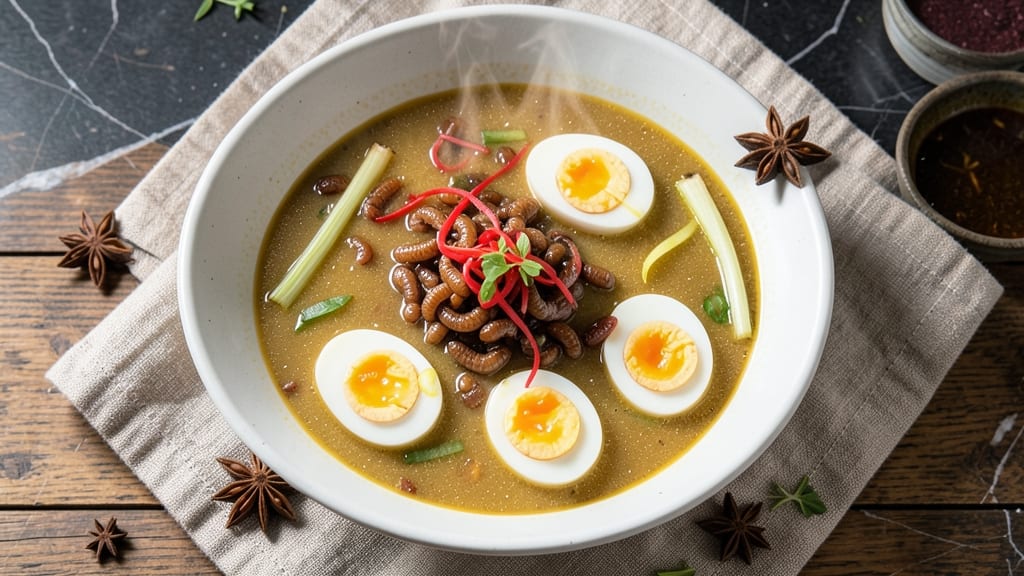
This ant egg soup recipe delivers the comforting, aromatic essence of Vietnamese home cooking in just 25 minutes. The secret lies in balancing earthy ant larvae (or shrimp for a substitute) with bright ginger, lemongrass, and silky egg ribbons—creating a broth so fragrant it transforms any meal into a warm embrace. I first tasted this dish in Hanoi, where street vendors served it piping hot with steaming rice, and it became my go-to remedy for chilly evenings.
The foundation of great ant egg soup is the broth—simmered with ginger, scallions, and star anise until deeply aromatic. While traditional recipes use ant larvae for their unique umami depth, shrimp or even mushrooms work beautifully for a more accessible version.
The eggs, gently poached in the broth, dissolve into delicate strands that coat every spoonful with velvety richness.
What makes this soup truly special is how it comes together: the initial sizzle of aromatics gives way to a fragrant broth that's both comforting and invigorating.
Each bite delivers layers of ginger's warmth, lemongrass's citrusy brightness, and the eggs' delicate silkiness—all balanced by the earthy notes of the ant larvae or substitute. The result is a dish that's equally at home as a quick weeknight meal or a special gathering centerpiece.
For an extra touch, finish with fresh cilantro and a drizzle of chili oil—this final garnish adds freshness and heat that elevates the soup from ordinary to extraordinary.
The beauty of this recipe is in its simplicity: minimal ingredients, straightforward technique, and maximum flavor impact. Let's create this comforting bowl of warmth.
Ingredients for ant egg soup
Earthy aromatics meet delicate eggs in this fragrant Vietnamese comfort dish—just 14 ingredients for maximum flavor.
| Ingredient | Amount | Notes |
|---|---|---|
| Dried Ant Larvae (or Shrimp, Mushrooms) 🦗 | ½ oz | Earthy umami depth (shrimp/mushrooms substitute) |
| Fresh Ginger Root 🧄 | 2 tbsp | Finely grated, aromatic base |
| Lemongrass Stalks 🌿 | 2 whole | Bruised, outer leaves removed |
| Large Eggs 🥚 | 4 whole | Room temperature for silky strands |
| Scallions 🧅 | 4 whole | White and green parts, sliced |
| Star Anise Pods 🌶️ | 2 whole | Whole pods for infusion |
| Chicken or Vegetable Broth 💧 | 4 cups | Homemade preferred, low-sodium |
| Fish Sauce 🍜 | 1 tbsp | Authentic umami (soy sauce substitute) |
| Lime Juice 🍋 | 1 tbsp | Freshly squeezed, bright finish |
| Fresh Cilantro Leaves 🌿 | ¼ cup | Chopped, for garnish |
| Chili Oil 🌶️ | 1 tbsp | Homemade or store-bought |
| Steamed Jasmine Rice 🍚 | 2 cups | For serving, cooked separately |
| Salt 🧂 | ½ tsp | Diamond Crystal preferred |
| White Pepper 🌶️ | ¼ tsp | Freshly ground for subtle heat |
The ant larvae or shrimp substitute is the heart of this soup. If using dried ant larvae, soak them in warm water for 10 minutes before adding to the broth—this rehydrates their earthy depth. For shrimp, peeled and deveined works best, while shiitake mushrooms provide a meaty texture when sliced. Asian markets carry dried ant larvae, but most grocery stores stock shrimp or mushrooms. Fresh ginger and lemongrass are non-negotiable here: look for firm, vibrant stalks with no brown spots. The star anise adds complexity, but if unavailable, a pinch of ground cinnamon will suffice in a pinch.
No fish sauce? Soy sauce with a splash of oyster sauce mimics its umami punch. The eggs dissolve into silky strands when gently poached in the broth—room temperature eggs prevent cracking. For extra brightness, add a lime wedge to the table so diners can squeeze fresh juice over their bowls. The chili oil can be homemade (infuse oil with dried chilies) or store-bought, but avoid pre-mixed oils with added sugar. If you're short on time, pre-chopped scallions from the refrigerated section work fine, though fresh is always better.
Broth reheats beautifully—simmer for 5 minutes before adding eggs to maintain clarity. Store leftovers in airtight containers for up to 3 days in the fridge, though the eggs may firm up slightly. For longer storage, freeze the broth separately and poach eggs fresh when reheating. The rice can be prepped ahead and kept warm in a steamer basket over simmering water. Garnishes like cilantro and chili oil should be added just before serving to preserve their freshness and vibrant colors.
Why You'll Love This Recipe
- Fridge-to-Table Speed: I swear by this when I’m starving after work. Toss in dried ants (or shrimp), a few slices of ginger, and lemongrass—no fancy prep, just simmer. The eggs poach in minutes, and suddenly you’ve got a steaming bowl of warmth without the grocery-store takeout hassle.
- Umami Bomb: That first spoonful? Chef’s kiss. The dried ants (or mushrooms) add this deep, savory punch, while the ginger and lemongrass keep it bright and fresh. The eggs? Silky perfection—like a hug in soup form.
- Lunchbox Hero: Between us, this is my go-to for packed lunches. The broth stays rich for days, and the eggs hold up surprisingly well. Toss in some scallions for crunch, and suddenly you’ve got a meal that’s actually worth bringing to the office.
- Budget Magic: Honestly, this recipe is my wallet’s best friend. Dried ants or shrimp? Both are cheap staples. Ginger and lemongrass stretch across multiple meals, and eggs? Always affordable. Feed four people for the cost of one sad salad.
Step-by-step instructions for silky ginger-lemongrass ant egg soup
This aromatic broth transforms humble ingredients into a velvety, fragrant soup that delivers deep umami and bright citrus notes.
Infuse the Broth with Aromatics
In a medium saucepan, combine the 4 cups chicken or vegetable broth, 2 whole lemongrass stalks (bruised and cut into 2-inch pieces), 2 whole star anise pods, and 2 tbsp finely grated fresh ginger root. Bring to a gentle simmer over medium heat and let cook uncovered for 10 minutes. You'll notice the broth developing a fragrant aroma with subtle citrus and spice notes—this is the foundation of your soup's complexity.
While the broth infuses, toast the 0.5 oz dried ant larvae (or substitute with shrimp or mushrooms) in a dry skillet over medium-low heat for 2-3 minutes until fragrant. This step deepens their earthy umami flavor before adding them to the broth. Once toasted, immediately transfer them to the simmering broth and let steep for 5 minutes—this ensures maximum flavor extraction without overpowering the delicate soup.
Season and Prepare the Egg Mixture
In a small bowl, whisk together the 4 whole large eggs (room temperature) with 1 tbsp fish sauce, 1 tbsp lime juice, 0.5 tsp salt, and 0.25 tsp white pepper until fully combined. The mixture should be uniform with no streaks of egg white—this ensures silky strands when cooked. Keep this mixture at room temperature while you finish the broth.
Strain the infused broth through a fine-mesh sieve to remove the lemongrass, star anise, and ginger. Return the strained broth to the saucepan and keep it at a gentle simmer—the temperature should be just below a rolling boil to prevent the eggs from scrambling when added later. Taste and adjust seasoning if needed, adding a pinch more fish sauce for umami or lime juice for brightness.
Cook the Eggs to Silky Perfection
Ladle 1 cup of the hot broth into a heatproof bowl and place it over a pot of simmering water (bain-marie) to maintain a constant 160-170°F temperature. Slowly drizzle the egg mixture into the hot broth while whisking vigorously with chopsticks. The eggs should form delicate, silky strands almost immediately—this technique creates the signature texture of ant egg soup.
Once the eggs are fully cooked, carefully transfer them back to the main broth in the saucepan. Stir gently to distribute the egg strands evenly. Add the 4 whole scallions (white and green parts, sliced) and let the soup simmer for 2 more minutes to allow the flavors to meld. The result should be a harmonious blend of earthy umami, bright citrus, and subtle spice.
Finish and Serve with Chili Oil
Remove the soup from heat and stir in the 1 tbsp chili oil. The oil should disperse evenly, adding a subtle heat and glossy sheen to the surface. Ladle the soup into bowls, garnishing each serving with 2 tbsp chopped fresh cilantro leaves. The contrast between the vibrant green garnish and the golden broth creates a visually appealing dish that's almost as satisfying as it is delicious.
Serve immediately with 2 cups steamed jasmine rice on the side. Each spoonful should deliver a balance of silky egg strands, aromatic broth, and the bright finish of lime and chili oil. The rice acts as a neutral base that lets the soup's complex flavors shine—this is where the true comfort of the dish comes together.
Pro Tips For Making Ant Egg Soup
- SOAK ANT LARVAE FIRST: Dried ant larvae are like little bricks—toss them straight in and they’ll turn to dust. Soak them in warm water for 10-15 minutes until they plump up like tiny sea urchins. (Yes, they’ll still be chewy, but at least they won’t dissolve into nothingness.)
- CRUSH LEMONGRASS HARD: That stalk’s tougher than it looks. Slap it against the cutting board with your knife handle first to break down the fibers, then finely chop it. Skimp here, and your soup will taste like you used a lemongrass perfume sample instead of the real deal.
- POACH EGGS LAST MINUTE: Drop those eggs in too early, and they’ll turn to rubber. Keep the soup simmering at a bare whisper—just bubbles breaking the surface—right before adding the eggs. They’ll stay silky, not scrambled, and slide into the broth like they belong there.
- SALT THE BROTH TWICE: Add half the salt with the ginger and lemongrass, then taste again right before serving. Ant larvae and shrimp absorb flavor like sponges, so you’ll need that second round to wake up the broth. (Trust me, your first attempt will taste flat.)
Troubleshooting your ant egg soup
Broth Too Weak?
If your broth lacks depth, it’s likely due to insufficient infusion time or weak base ingredients. Simmer the aromatics (lemongrass, ginger, star anise) for an extra 5 minutes to extract more flavor.
For a quick fix, add 1 tsp fish sauce or ½ tsp soy sauce at the end. If using shrimp or mushrooms as a substitute, increase the quantity by 50%—they need longer to develop umami. 🌿
Eggs Scrambling?
Overheated broth is the usual culprit. Maintain a gentle simmer (just below a rolling boil) when adding eggs. For extra control, use a bain-marie method—keep the broth at 160-170°F while cooking the eggs.
If the broth is too hot, remove it from heat for 1-2 minutes before adding the egg mixture. Room-temperature eggs also help prevent cracking. 🥚
Ant Larvae Substitute Issues
If using shrimp or mushrooms, adjust cooking times: shrimp should cook for 3-4 minutes (until opaque), while shiitake mushrooms need 5-6 minutes to soften. For a deeper flavor, toast the substitute in a dry skillet first—this mimics the ant larvae’s earthy notes.
If the substitute tastes bland, add ½ tsp soy sauce or ¼ tsp smoked paprika to the broth. 🦐
Garnish Not Bright?
Freshness is key! Use cilantro leaves within 2 days of purchase for vibrant color. Store cilantro in a sealed container with a paper towel to absorb moisture. For chili oil, avoid pre-mixed versions with sugar—homemade (infused with dried chilies) adds authentic heat.
Add garnishes just before serving to preserve their crispness and color. 🌶️
Broth Too Cloudy?
Straining the broth through a fine-mesh sieve removes impurities, but if it’s still cloudy, simmer it uncovered for 2-3 extra minutes to settle particles. For a crystal-clear broth, strain it a second time through a cheesecloth-lined sieve. If using shrimp, ensure they’re peeled and deveined to avoid cloudiness. 💧
Lime Juice Overpowering?
Balance the brightness by adding ½ tsp sugar or 1 tsp honey to the broth. Alternatively, reduce the lime juice to ½ tbsp and boost umami with an extra ½ tsp fish sauce.
Taste as you go—adjust in small increments to avoid overcorrecting. The goal is a bright but harmonious finish. 🍋
Nutrition facts
Frequently asked questions
What makes ant egg soup different from other Vietnamese soups?
This dish stands out for its unique protein base—ant larvae (or shrimp/mushroom substitutes) add an earthy umami depth that's distinct from traditional Vietnamese soups like pho or bun bo hue. The silky egg strands and bright ginger-lemon-grass broth create a delicate balance that's both comforting and invigorating.
Can I make ant egg soup without ant larvae?
Shrimp or shiitake mushrooms work beautifully as substitutes. For shrimp, use ½ lb peeled/deveined and toast them first for deeper flavor. Mushrooms should be sliced and browned in oil before adding to the broth. Both substitutes need 50% more cooking time than ant larvae to develop proper texture.
How do I get the perfect silky egg texture?
The secret is maintaining a gentle simmer (160-170°F) when cooking the eggs. Use room-temperature eggs and whisk them with fish sauce and lime juice first. For extra control, use a bain-marie method—keep the broth warm over simmering water while adding the egg mixture. Stir constantly with chopsticks for smooth, ribbon-like strands.
Is this soup spicy? Can I adjust the heat level?
The recipe includes chili oil for subtle heat, but you can easily adjust it. For milder heat, reduce to ½ tbsp or use mild chili oil. For extra spice, add ½ tsp chili flakes to the broth. The lime juice also provides natural brightness that balances any heat.
How long will leftovers keep, and can I freeze it?
Store leftovers in airtight containers for up to 3 days in the fridge. For freezing, separate the broth from the eggs—freeze the broth for up to 1 month and poach fresh eggs when reheating. The rice should be cooked separately and reheated with a splash of water. Eggs may firm up slightly when reheated, so add fresh ones when serving.