
Soups & Stews
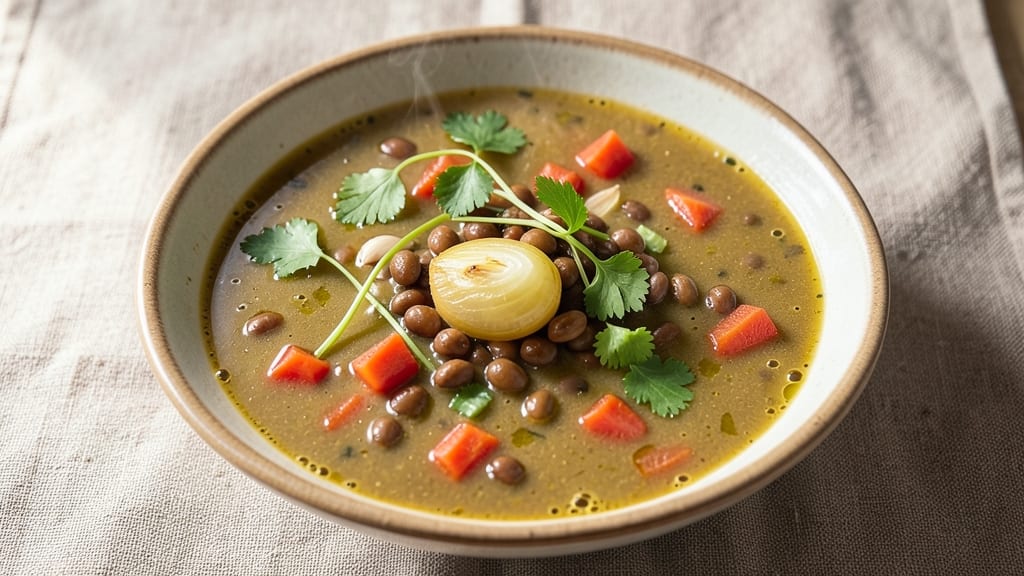
This alkaline lentil soup recipe transforms simple ingredients into a nutrient-packed bowl that supports digestion and mineral balance. The secret lies in alkaline-rich vegetables like celery, carrots, and a touch of baking soda—just enough to boost pH without sacrificing flavor.
Every spoonful delivers earthy depth with a satisfying crunch from celery crowns that stay crisp even after simmering.
The beauty of this soup is its simplicity: one-pot preparation with no fancy techniques required. Brown lentils soften into tender, protein-rich bites while the broth absorbs the alkaline properties of fresh herbs and mineral-rich veggies.
The result? A velvety, hearty soup that’s gentle on digestion yet packed with vibrant flavors—no artificial boosters needed.
What makes this recipe stand out is its health-focused approach without compromising taste. The alkaline balance enhances nutrient absorption, making it ideal for anyone seeking a lighter yet deeply satisfying meal. Pair it with a side of quinoa or a fresh green salad to round out the plate.
Perfect for meal prep or a cozy weeknight dinner, this soup proves alkaline cooking can be both nutritious and delicious. The celery crowns add a refreshing crunch that keeps every bite exciting, while the lentils provide plant-based protein to fuel your day.
Ingredients for alkaline lentil soup
Earthy lentils, crisp celery crowns, and mineral-rich herbs create this alkaline powerhouse soup.
| Ingredient | Amount | Notes |
|---|---|---|
| Brown Lentils 🌾 | 1 ½ cups | Rinsed thoroughly before cooking |
| Celery Crowns 🧅 | 2 whole | Fresh, organic preferred for crispness |
| Carrots 🥕 | 3 medium | Organic, peeled and chopped |
| Yellow Onion 🧅 | 1 whole | Yellow or red, diced finely |
| Fresh Garlic Cloves 🧄 | 4 cloves | Minced for depth of flavor |
| Fresh Parsley Stems 🌿 | 2 tbsp | For alkaline mineral content |
| Fresh Thyme Sprigs 🌿 | 2 whole | Organic, for earthy aroma |
| Baking Soda 🧂 | ¼ tsp | Alkaline balance enhancer |
| Extra-Virgin Olive Oil 🫒 | ¼ cup | Cold-pressed for nutrient retention |
| Vegetable Broth 💧 | 4 cups | Low-sodium, homemade preferred |
| Lemon Juice 🍋 | 1 tbsp | Freshly squeezed for acid balance |
| Sea Salt 🧂 | 1 tsp | Diamond Crystal preferred |
| Black Peppercorns 🌶️ | ½ tsp | Freshly cracked for aroma |
| Fresh Ginger Root 🌿 | 1 inch | Peeled, grated for zing |
The celery crowns are the star here—organic is ideal for their crisp texture and mineral content. Look for vibrant, firm stalks at Whole Foods Market or your local farmers' market. Brown lentils should be rinsed thoroughly to remove any debris before cooking, which also reduces cooking time slightly. For the baking soda, use non-aluminum baking soda like Bob's Red Mill to avoid any metallic aftertaste. Fresh thyme and parsley stems add depth without overpowering the dish—Trader Joe's often carries organic bundles at a reasonable price. The vegetable broth is non-negotiable; even low-sodium store-bought works better than water for flavor.
No fresh parsley? Dried parsley at one-third the amount works in a pinch, though it lacks the same mineral punch. Substituting carrots? Sweet potatoes or butternut squash add natural sweetness but alter the alkaline balance slightly. The baking soda is optional but recommended—one-quarter teaspoon is the magic threshold for alkaline benefits without altering flavor. For the olive oil, cold-pressed extra-virgin preserves the most nutrients; avoid heated or refined oils. The lemon juice can be swapped for apple cider vinegar if preferred, though it changes the flavor profile slightly. Ginger can be omitted if you dislike its heat, but it enhances digestion and nutrient absorption.
This soup keeps beautifully for 5 days in the fridge, with flavors deepening over time. For meal prep, store in airtight containers with a thin layer of olive oil on top to preserve freshness. Freezes for up to 3 months—just thaw overnight in the fridge before reheating. The celery crowns stay crisp when added back after reheating, so save them until serving. Double the batch and freeze half; it reheats like a dream for quick lunches. For extra crunch, add a handful of fresh arugula or watercress when serving.
Why You'll Love This Recipe
- No-Fuss Pantry Magic: I swear by this—just dump in dried lentils, chop the veggies (no peeling needed), and let the alkaline broth work its magic. The lentils soften while the carrots and celery crowns stay just tender enough—no babysitting required.
- Umami Bomb Combo: That garlic and onion base? Chef’s kiss. The brown lentils soak up the flavor like a sponge, while the celery crowns add a fresh crunch that cuts through the richness. Honestly, it’s the kind of soup that makes you reach for seconds without even thinking.
- Lunchbox Hero: Between us, this is my go-to for meal prep. The alkaline broth keeps it fresh for days in the fridge, and the texture holds up perfectly—no mush. Pack it cold or reheat it, and it’s still hearty enough to fill you up (yes, even on a Tuesday night).
- Budget-Friendly Powerhouse: A pound of dried lentils and a few veggies stretch to feed four for under $8. The alkaline base (lemon juice or baking soda) boosts the flavor without extra cost, and leftovers? They’re even better the next day—if there are any. My daughter picks out the carrots, but still asks for seconds.
Step-by-step instructions for alkaline lentil soup
A balanced approach to alkaline cooking that preserves vibrant flavors and nutritional integrity.
Prepare the Vegetable Base
Heat the 0.25 cup extra-virgin olive oil in a large pot over medium heat until shimmering. Add the diced yellow onion and cook for 3-4 minutes until softened and translucent. This foundational step ensures proper flavor development before adding the remaining vegetables.
Add the peeled and chopped carrots and whole celery crowns (cut lengthwise into quarters). Cook for another 5 minutes, stirring occasionally, until the carrots begin to soften slightly. The celery crowns should retain their crisp texture—this is key for the soup's signature crunch. Season lightly with 0.25 tsp baking soda and 0.25 tsp sea salt to begin the alkaline balance.
Add Aromatics and Build Depth
Stir in the minced garlic cloves, grated ginger root, and whole thyme sprigs. Cook for 1-2 minutes until the garlic becomes fragrant but doesn't brown—this prevents bitterness while releasing its full flavor profile. The ginger should infuse the mixture with its characteristic zing, creating a harmonious aromatic base.
Add the 1.5 cups brown lentils and toast them in the pot for 2 minutes, stirring constantly. This step enhances their nutty flavor and ensures they don't become mushy during cooking. The lentils should develop a slight golden hue, indicating they're ready for the next phase.
Simmer with Alkaline Balance
Pour in the 4 cups vegetable broth and bring the mixture to a gentle boil. Once boiling, reduce heat to low-medium and let it simmer uncovered for 25-30 minutes, stirring occasionally. This simmering time allows the lentils to soften while maintaining their shape and texture.
After 20 minutes, add the 1 tbsp lemon juice and remaining 0.75 tsp sea salt. The lemon juice introduces a bright acidity that balances the earthy flavors, while the baking soda continues to support the alkaline environment. Taste the soup and adjust seasoning—you want a harmonious blend of earthy, bright, and slightly tangy notes.
Finish with Fresh Herbs
Remove the thyme sprigs and discard them. Stir in the 2 tbsp fresh parsley stems and 0.5 tsp freshly cracked black peppercorns. The parsley adds a fresh, slightly bitter contrast that enhances the overall flavor profile, while the peppercorns introduce a subtle heat. Let the soup simmer for an additional 5 minutes to allow the flavors to meld completely.
Check the consistency—if the soup is too thick, add 1-2 tablespoons of water to achieve a smooth yet hearty texture. The final soup should coat the back of a spoon lightly but still allow the celery crowns to maintain their crisp bite. Serve immediately to enjoy the full spectrum of flavors and textures.
Pro Tips For Making Alkaline Lentil Soup
- Rinse Lentils Like You Mean It: Brown lentils hold dirt and starch like a sponge—skip this, and your soup will turn gluey. Toss them in a fine-mesh strainer under cold water for 30 seconds, then give them a good shake. I learned this the hard way after slurping soup that tasted like wallpaper paste.
- Sweat Onions Until They’re Transparent: Low heat is key—you’re not searing, you’re melting. Cook the onions for 8-10 minutes until they’re soft and nearly clear, not just slightly wilted. This builds flavor without burning, and it’s the foundation for that deep alkaline taste. (Yes, even if you’re impatient like me.)
- Don’t Crowd the Pot: Lentils double in size—if you start with a packed pot, you’ll end up with a mushy, watery mess. Use at least 6 cups of liquid per cup of lentils, and stir occasionally to prevent sticking. I was skeptical until I tried it; the texture is actually creamy without being sad.
- Add Baking Soda Late: The alkaline boost comes from baking soda, but add it only in the last 5 minutes of cooking. Too early, and it’ll turn your soup bitter. Start with ½ teaspoon per 2 cups of lentils, taste, then adjust—you’re aiming for tangy, not soapy. (Your future self will thank you.)
Troubleshooting great alkaline lentil soup
Mushy Lentils Fix
If your lentils turn mushy, you likely overcooked them. Brown lentils should hold their shape but be tender—aim for 25-30 minutes of simmering. Next time, check for doneness at 20 minutes and adjust heat to low-medium if needed.
A splash of cold water or broth can revive overcooked lentils temporarily, but toasting them for 2 minutes before simmering prevents this issue entirely. 💫
Celery Overcooking
The celery crowns should stay crisp, but if they soften too much, reduce their cooking time to just 5 minutes alongside the carrots. Add them back only when serving to preserve texture.
For extra crunch, blanch them in boiling water for 30 seconds before adding to the pot. Store-bought celery often lacks freshness—opt for organic, firm stalks from Whole Foods or farmers' markets. 🧅
Broth Too Thin
If your soup is watery, simmer uncovered for 10-15 extra minutes to reduce it naturally. For thicker texture, mash a portion of cooked lentils with a spoon to release starch. Alternatively, stir in 1 tbsp cornstarch mixed with 2 tbsp water and simmer for 2 minutes.
Avoid adding too much baking soda—0.25 tsp max—as excess can make the broth taste soapy. 💧
Baking Soda Aftertaste
If your soup tastes metallic, you used too much baking soda. The correct amount is 0.25 tsp—any more risks altering flavor. Balance it with 1 tbsp lemon juice, which neutralizes harshness.
For a gentler alkaline boost, use 1 tsp apple cider vinegar instead. Always stir baking soda into warm broth first, then add to the pot to disperse evenly. 🧂
Lentils Too Hard
Undercooked lentils? Soak them for 30 minutes before cooking to reduce time. Increase simmering to 35 minutes or add ½ cup extra broth to extend cooking. For a quick fix, blend a portion of lentils into the soup to thicken it and speed up tenderness.
Older lentils take longer—store them in airtight containers for freshness. 🌾
Herb Bitterness
If thyme or parsley tastes bitter, they were overcooked. Add fresh herbs in the last 5 minutes of simmering. For parsley, use stems only—they’re less bitter than leaves.
If using dried herbs, reduce to ½ tsp and add early. A pinch of sugar (just ¼ tsp) can also mellow bitterness without overpowering the dish. 🌿
Nutrition facts
Frequently asked questions
Why does this soup use baking soda?
The 0.25 tsp baking soda creates a gentle alkaline environment that enhances mineral absorption while balancing flavors. It's carefully measured to avoid any soapy aftertaste—just enough to support digestion without overpowering the dish. The lemon juice later helps neutralize any potential harshness.
Can I substitute regular lentils for brown lentils?
Green or French lentils work too, but brown lentils hold their shape best for this recipe. If substituting, reduce cooking time by 5-10 minutes since they soften faster. For extra heartiness, use 1 cup red lentils (cook for 20 minutes) but expect a creamier texture.
How do I make this soup more alkaline?
Add more mineral-rich vegetables like kale or spinach (stir in last 5 minutes) or increase the baking soda to 0.5 tsp max. For a natural boost, include 1 tbsp almond butter or 1 tsp spirulina powder when serving. Always balance with acidity (lemon or apple cider vinegar) to maintain flavor harmony.
Why are celery crowns better than chopped celery?
Celery crowns stay crisp and vibrant while chopped celery turns mushy. Their unique shape adds visual appeal and a satisfying crunch that contrasts perfectly with the creamy lentils. For extra texture, save them until serving to preserve freshness.
Can I prep this soup ahead of time?
Yes! Store in airtight containers for 5 days in the fridge or 3 months frozen. Reheat gently on low heat and add fresh celery crowns when serving. For meal prep, double the batch—freeze half and keep the other half for quick lunches.