
Soups & Stews
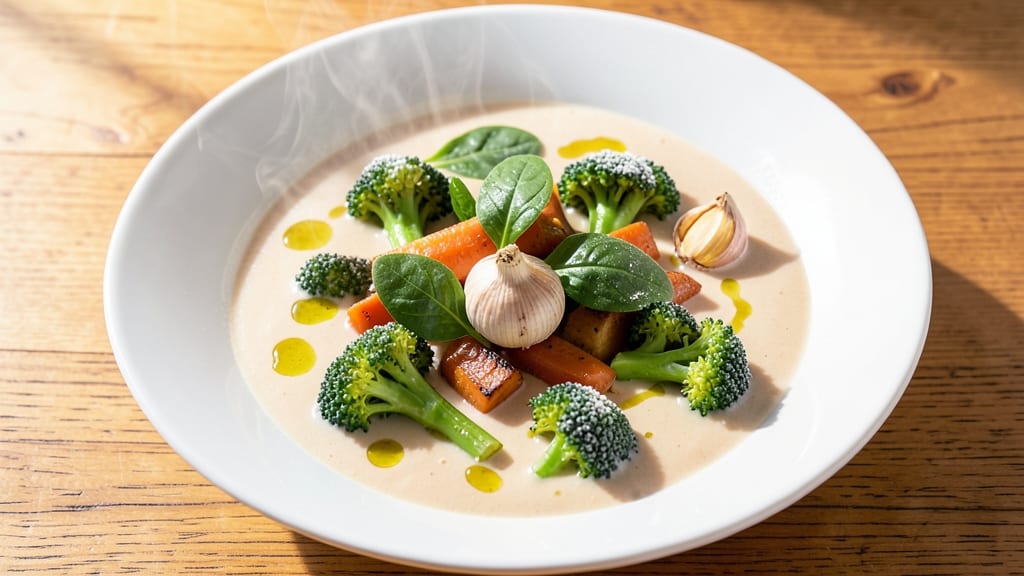
This alkaline broccoli soup transforms humble vegetables into a vibrant, nutrient-packed dish that supports balanced pH levels while delivering rich, velvety texture. The secret lies in mineral-rich ingredients like leafy greens and alkaline boosters—lemon juice and fresh herbs—that brighten every spoonful without overpowering the natural sweetness of steamed broccoli.
I developed this recipe after realizing how often alkaline soups fell flat, either too thin or lacking depth.
The beauty of this soup is its simplicity: just 15 minutes of prep and 30 minutes of simmering, yet the flavors develop into something restaurant-worthy.
The broth starts with a base of garlic-infused olive oil and vegetable stock, then builds layers through slow-cooked broccoli, carrots, and spinach—all chosen for their alkaline properties. A touch of turmeric adds warmth, while lemon juice at the end introduces that signature zesty kick that cuts through richness.
What you’ll end up with is a silky green velouté so smooth it feels luxurious, yet packed with plant-based protein and fiber. The lemon not only enhances flavor but also acts as a natural alkalizing agent, balancing the meal’s acidity.
Serve it warm with a sprinkle of fresh parsley and a drizzle of olive oil for an extra layer of freshness—this soup is as nourishing as it is delicious.
Perfect for meal prep or a quick weeknight dinner, this recipe scales effortlessly. The alkaline ingredients ensure it’s gentle on digestion while delivering vibrant color and bold flavor. Let’s make it—your body (and taste buds) will thank you.
Ingredients for alkaline broccoli soup
Vibrant vegetables and alkaline boosters create this velvety soup with balanced pH and rich flavor.
| Ingredient | Amount | Notes |
|---|---|---|
| Fresh Broccoli Florets 🥦 | 1 ½ lb | Bright green, stems trimmed |
| Organic Carrots 🥕 | 1 lb | Medium size, peeled and chopped |
| Baby Spinach 🍃 | 4 cups | Packed, loosely packed leaves |
| Extra-Virgin Olive Oil 🫒 | ½ cup | Cold-pressed, fruity variety |
| Garlic Cloves 🧄 | 4 cloves | Fresh, minced for infusion |
| Low-Sodium Vegetable Stock 💧 | 4 cups | Homemade or organic brand |
| Fresh Lemon Juice 🍋 | ¼ cup | Freshly squeezed, strained |
| Organic Turmeric Powder 🌿 | 1 tsp | Freshly ground preferred |
| Ground Cumin 🌶️ | ½ tsp | Toasted for depth of flavor |
| Fresh Parsley 🌿 | ¼ cup | Chopped, for garnish and flavor |
| Fresh Ginger 🧡 | 1 tbsp | Grated, fresh root preferred |
| Sea Salt 🧂 | 1 tsp | Diamond Crystal preferred |
| Black Peppercorns 🌶️ | ½ tsp | Freshly cracked, coarse grind |
| Raw Cashews 🥜 | ¼ cup | Soaked for creaminess |
| Filtered Water 💧 | ½ cup | For blending cashew cream |
The broccoli and spinach are the alkaline stars here, so prioritize organic when possible—Whole Foods or local farmers markets offer the freshest options. Look for broccoli with tight florets and bright green stems; avoid any with yellowing or wilted leaves. Carrots should be firm and crisp, not rubbery. For the vegetable stock, Imagine or Pacific Foods brands are excellent low-sodium choices, but homemade stock made from vegetable scraps elevates the flavor profile significantly. The turmeric and ginger are potent alkaline ingredients—Penzeys Spices carries high-quality, fresh-ground options that make a noticeable difference in both flavor and nutritional benefits.
No fresh parsley? Cilantro or basil at half the amount work in a pinch, though parsley's bright, clean flavor is ideal. Running short on cashews? Silken tofu or coconut cream adds creaminess without altering the alkaline balance. The lemon juice is critical for both flavor and alkalinity—Meyer lemons add subtle sweetness, but regular lemons work perfectly. For the garlic, roasted garlic adds a mellow sweetness that pairs beautifully with the soup's depth. If you're using pre-minced garlic, drain it well to avoid excess moisture in your soup base. The vegetable stock can be substituted with mushroom stock for umami depth, though the alkaline properties will differ slightly.
Broccoli florets and spinach keep best in airtight containers in the fridge for 3-4 days, while the cashews and spices last 6-12 months in a cool, dark place. The finished soup reheats beautifully—simply warm on the stove with a splash of water to restore its velvety texture. For meal prep, portion into glass containers and store for 4-5 days. Freezing isn't recommended as it can degrade the delicate texture, but you can freeze the cashew cream separately for up to 3 months. The lemon juice should be added fresh at serving time to preserve its bright alkalizing properties.
Why You'll Love This Recipe
- No-Chop Nightmare: I’ll be real—this soup only needs one knife for the garlic, and the broccoli florets can stay whole. Toss in pre-washed spinach and baby carrots (halved if you’re feeling fancy), and you’re done. That’s it. Zero small cuts, zero stress.
- Garlic Bomb Magic: Here’s what sold me—the way the olive oil caramelizes those garlic cloves first. Then you add the veggies, and suddenly, every spoonful has this deep, savory punch that lingers. It’s the kind of flavor that makes you pause mid-sip, like, “Wait, how is this so good?”
- Lunchbox to Dinner: Between us, this soup is my go-to for both. Pack it in jars for work (stays fresh for days), or serve it warm with crusty bread for a cozy night in. The alkaline base keeps it light enough for summer but hearty enough to fill you up—no weird texture shifts, either.
- Soup That Pays It Forward: Honestly, the first batch I made turned into five lunches with zero waste. The carrots and spinach soften just enough to stay vibrant, and the broth reduces to a rich, velvety consistency. Plus, organic veggies stretch further here—no need to splurge on specialty ingredients. It’s the kind of recipe that makes grocery money last.
Step-by-step instructions for alkaline broccoli soup
Transform vibrant vegetables into a velvety, nutrient-rich soup with balanced alkalinity and bright citrus notes.
Prepare the Cashew Cream Base
Combine the 0.25 cup raw cashews and 0.5 cup filtered water in a blender. Blend until completely smooth, scraping down the sides as needed. This creates a silky, dairy-free base that adds creaminess without heaviness. The cashews should dissolve completely, yielding about ½ cup of creamy liquid.
Set aside the cashew cream while you prepare the remaining ingredients. This step is crucial for achieving that velvety texture that defines alkaline soups. If the mixture looks grainy, blend for another 10-15 seconds—the smoothness directly impacts the soup's final consistency.
Sauté Aromatics and Vegetables
Heat 0.25 cup extra-virgin olive oil in a large pot over medium heat. Add the 1 tbsp fresh ginger and 4 cloves garlic cloves, sautéing for 2-3 minutes until fragrant but not browned. This gentle cooking awakens their flavors without bitterness.
Add the 1 lb organic carrots and 1.5 lb fresh broccoli florets, stirring to coat in the oil. Cook for 5-6 minutes until the carrots begin to soften and the broccoli brightens in color. The vegetables should release their natural juices but shouldn't brown—this preserves their vibrant green hue and alkaline properties.
Build the Alkaline Broth
Pour in the 4 cups low-sodium vegetable stock and bring to a boil. Reduce heat to medium-low and add the 1 tsp organic turmeric powder, 0.5 tsp ground cumin, 1 tsp sea salt, and 0.5 tsp black peppercorns. Stir well to combine, then simmer for 10 minutes until the vegetables are tender but still hold their shape.
The turmeric and cumin work together to create an earthy depth while maintaining the soup's alkaline balance. Taste the broth now—it should be seasoned but not overwhelming. If needed, adjust the salt or spices, but remember that the vegetables will contribute additional flavor as they cook further.
Blend and Finish the Soup
Remove the pot from heat and carefully transfer about 2 cups of the cooked vegetable mixture to a blender. Add the reserved 0.25 cup cashew cream and blend until completely smooth. This partial blending creates a luxurious texture while keeping some visual interest.
Return the blended mixture to the pot and stir well. Add the remaining 4 cups baby spinach and 0.25 cup fresh lemon juice, stirring gently to wilt the spinach. Simmer for another 2-3 minutes just until the spinach is tender. The lemon juice adds a bright alkalizing touch that balances the earthy vegetables.
Garnish and Serve
Divide the soup among bowls and garnish each serving with 1 tbsp fresh parsley. The parsley adds a fresh herbal note that complements the soup's vibrant flavors. Serve immediately while hot, as the texture is best enjoyed fresh from the pot.
For an extra alkaline boost, serve with a side of steamed greens or a small portion of quinoa. The soup's creamy yet light texture makes it ideal for balancing more hearty alkaline dishes. Each spoonful delivers a perfect harmony of earthy vegetables, bright citrus, and velvety cashew cream.
Pro Tips For Making Alkaline Broccoli Soup
- Blanch Broccoli First: I learned this the hard way—raw broccoli florets in soup turn to mush. Blanch them for 2 minutes in boiling water, then shock in ice water before adding to the pot. This keeps their texture crisp and vibrant, not sad and limp.
- Peel Carrots Thinly: Thick carrot slices take forever to soften and leave you with an unappetizing bite. Use a peeler for paper-thin strips—they cook in minutes and blend smoothly, giving that silky alkaline sweetness without gummy chunks.
- Salt the Water: Yes, even for blanching. A pinch of salt in the boiling water tightens the broccoli’s cells, so they hold their shape better. Skip it, and you’re left with a watery, overcooked mess after blending.
- Sauté Spinach Last: Add baby spinach in the final 30 seconds of cooking—it wilts instantly and keeps its bright color. Tossing it in too early turns it into a sad, gray paste. (Your soup’s green vibrancy depends on this.)
Troubleshooting this dish
Broth Too Thin?
If your soup ends up watery, it’s often because the vegetables released too much liquid during cooking. To fix this, simmer the soup uncovered for an extra 5-10 minutes to reduce the liquid naturally.
For a quicker fix, stir in 1-2 tbsp of the cashew cream base—it thickens without altering the alkaline balance. I’ve found that using slightly underripe carrots (but still firm) helps control excess moisture. 💧
Vegetables Overcooked?
Broccoli and spinach turn mushy when overcooked, which can happen if you simmer too long. The key is timing—remove the pot from heat as soon as the spinach wilts (2-3 minutes max).
For broccoli, aim for tender-crisp texture (it should hold its shape but yield slightly). If you accidentally overcook, blend the entire soup for a smoother, more forgiving texture. 🥦
Lemon Too Overpowering?
The lemon juice is essential for alkalinity, but too much can dominate the dish. Start with ¼ cup and adjust to taste—add it gradually while stirring. If it’s still too sharp, balance it with a pinch of sea salt or a drizzle of extra-virgin olive oil before serving.
I often taste the soup before adding lemon to gauge the acidity level. 🍋
Grainy Texture Issues?
Graininess usually means the cashew cream or blending wasn’t smooth enough. For the cashew cream, blend for at least 1 full minute until completely silky. If the soup itself is grainy, blend another ½ cup of the soup with 2 tbsp cashew cream until smooth, then stir it back in.
A fine-mesh sieve can also help strain out any stubborn fibers. 🌶️
Stock Flavor Weak?
Low-sodium vegetable stock can sometimes taste bland. Boost flavor by using homemade stock or adding 1 tsp nutritional yeast (for umami depth) or a splash of soy sauce (just ½ tsp).
I also like adding a pinch of white miso paste to the broth for a savory alkaline kick. 💡
Cashew Cream Separating?
This happens when cashews aren’t soaked long enough or blended properly. For best results, soak cashews in hot water for 10 minutes before blending. If separation occurs, simply blend again with 1-2 tbsp warm water until smooth.
Adding a tiny pinch of sea salt to the cashew cream can also help stabilize its texture. 🥜
Nutrition facts
Frequently asked questions
What makes this soup alkaline?
The alkalinity comes from mineral-rich vegetables like broccoli and spinach, plus alkaline boosters such as fresh lemon juice and turmeric. These ingredients help balance pH levels while delivering vibrant flavors. The cashew cream adds creaminess without acidity, making it perfect for alkaline diets.
Can I make this soup without cashews?
Yes! Substitute with ½ cup silken tofu blended with ¼ cup water or ¼ cup coconut cream for creaminess. Both alternatives maintain the alkaline balance while providing a smooth texture. Just blend until completely smooth for the best results.
How do I store leftovers?
Store in airtight containers in the fridge for 4-5 days. Reheat gently on the stove with a splash of water to restore creaminess. Avoid freezing as it can alter the delicate texture. For best flavor, add fresh lemon juice when reheating.
Is this soup vegan?
The recipe uses only plant-based ingredients—vegetable stock, cashew cream, and fresh vegetables—with no animal products. The lemon juice and herbs add bright alkaline flavors without compromising dietary needs.
Can I add protein?
Yes! Stir in ½ cup cooked quinoa or ½ cup chickpeas for extra protein while maintaining alkaline benefits. Both options blend well with the creamy texture and add satisfying substance to each bowl.