
Soups & Stews
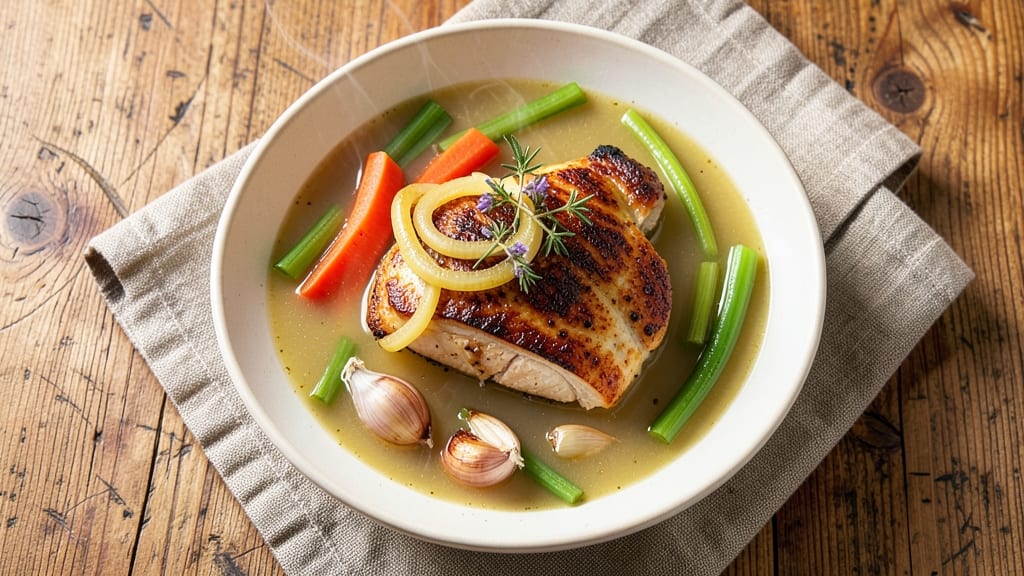
Alix Earle's chicken soup recipe delivers the kind of slow-simmered comfort that transforms a simple meal into a heartwarming experience. This isn't just any soup—it's a masterclass in building depth through aromatic herbs, tender chicken, and vegetables that melt into the broth.
The secret lies in the herb-infused depth that develops during the 2-hour simmer, creating layers of flavor that make every spoonful satisfying.
What sets this recipe apart is the balance between traditional techniques and modern simplicity. You'll start with a rich chicken broth foundation, then layer in vegetables and herbs that infuse the liquid with complex aromas.
The chicken cooks until fork-tender, while carrots and celery develop natural sweetness from the slow cooking process. This isn't an instant soup—it's a foolproof method that delivers restaurant-quality results with minimal effort.
The result is a soup that's both nourishing and elegant, with a golden broth that practically glistens with herbs. Each bite delivers tender chicken, perfectly softened vegetables, and a broth so flavorful it makes you want to sip it straight from the bowl.
The aroma alone will have your kitchen feeling like a cozy country kitchen, while the texture provides that perfect balance of hearty and delicate.
Perfect for chilly evenings or as a healing meal, this soup serves 6 and comes together in about 30 minutes of prep followed by hands-off simmering. The best part?
It tastes even better the next day as the flavors continue to develop. Let's create this comforting classic that brings warmth to any table.
Ingredients for alix earle chicken soup
Herb-infused aromatics and tender chicken transform simple ingredients into soul-warming comfort.
| Ingredient | Amount | Notes |
|---|---|---|
| Chicken Breast 🍗 | 2 ½ lb | Bone-in, skin-on preferred |
| Carrots 🥕 | 4 medium | Whole, peeled and sliced |
| Celery Stalks 🧅 | 4 whole | Trimmed and chopped |
| Yellow Onion 🧅 | 1 whole | Peeled and chopped |
| Garlic Cloves 🧄 | 4 cloves | Peeled and smashed |
| Fresh Thyme 🌿 | ½ ounce | Stems removed and chopped |
| Fresh Parsley 🌿 | ¼ cup | Chopped for garnish |
| Chicken Broth 💧 | 6 cups | Homemade or quality store-bought |
| Extra-Virgin Olive Oil 🫒 | 2 tbsp | For sautéing aromatics |
| Salt 🧂 | 1 ½ tsp | Kosher or sea salt |
| Black Pepper 🌶️ | ½ tsp | Freshly ground preferred |
| Bay Leaves 🍃 | 2 whole | For depth of flavor |
| Fresh Dill 🌿 | ¼ cup | Chopped, optional but recommended |
The chicken is the heart of this soup—bone-in, skin-on pieces develop the richest flavor during the long simmer. Costco or butcher shops often have affordable whole chicken pieces you can cut yourself, or grab pre-cut thighs and breasts from the grocery store. Look for pieces with good marbling—that's where the flavor hides. The herbs are non-negotiable here: fresh thyme and dill make all the difference. Whole Foods or local farmers markets usually have the freshest, but any grocery store's produce section works if you grab them the same day. Don't skip the bay leaves—they add that subtle earthiness that elevates everything.
No fresh thyme? Dried works at one-third the amount—just crush the stems first to release the oils. Short on dill? Fresh parsley at half the quantity gives a similar bright note. The carrots can be baby carrots if that's what's handy, but whole carrots stay more intact during cooking. For the broth, homemade is ideal, but Pacific Foods or Swanson brands are solid store-bought options. The olive oil matters too—something fruity and peppery (like California Extra Virgin) enhances the herbs. Want extra depth? Add a splash of dry white wine when sautéing the aromatics—it burns off quickly but adds complexity.
This soup tastes even better the next day as flavors meld—plan ahead and make a double batch. Store in airtight containers for up to 5 days in the fridge or 3 months frozen. The chicken will keep well submerged, and the broth stays rich. Portion into containers for easy lunches—just reheat gently on the stove or microwave. The herbs can be added fresh when serving if you want that bright pop of color. For a vegetarian version, swap the chicken for extra-firm tofu or white beans and use vegetable broth.
Why You'll Love This Recipe
- I swear by this trick: just roughly dice the carrots and celery—no need for perfect matchsticks. The onions and garlic get a quick sauté, and suddenly you’re done with the hardest part. (Yes, even on a Tuesday night.)
- Minimal Chopping Required: I swear by this trick: just roughly dice the carrots and celery—no need for perfect matchsticks. The onions and garlic get a quick sauté, and suddenly you’re done with the hardest part. (Yes, even on a Tuesday night.)
- Garlic-Caramelized Magic: That moment when the onions turn golden and the garlic starts to brown? Chef’s kiss. The soup builds this deep, savory base that makes every spoonful feel like a hug—especially when the chicken shreds into tender, juicy perfection.
- Lunchbox Hero: Between us, this soup is my go-to for meal prep. The flavors actually improve the next day (yes, really), and I pack it in jars for work—no reheating drama, just warm, comforting bites straight from the fridge.
Step-by-step instructions for alix Earle's chicken soup
This soup delivers deep, comforting flavors through slow simmering and aromatic herbs.
Sear the Chicken for Rich Flavor
Pat the 2.5 lb chicken breast dry with paper towels—this ensures a perfect sear. Heat the 2 tbsp extra-virgin olive oil in a large pot over medium-high heat until shimmering. Add the chicken and cook for 4-5 minutes per side until golden brown and the internal temperature reaches 160°F.
Here's the thing—searing the chicken first builds layers of flavor that infuse into the broth. Remove the chicken and set it aside on a plate. You'll shred it later, but for now, let it rest while you build the soup's aromatic base.
Sauté the Vegetable Base
In the same pot, add the chopped 1 whole yellow onion, 4 whole celery stalks, and 4 medium carrots. Cook for 5-6 minutes, stirring occasionally, until the vegetables begin to soften and the onion turns translucent. Add the 4 smashed garlic cloves and 0.5 ounce chopped fresh thyme, cooking for another 30 seconds until fragrant.
This step creates the foundation of your soup. The vegetables release their natural sugars as they caramelize slightly, adding sweetness that balances the savory broth. If the vegetables stick, add a splash of chicken broth to deglaze—this prevents burning and incorporates flavor.
Simmer the Broth with Herbs
Pour in the 6 cups chicken broth, scraping up any browned bits from the bottom of the pot. Add the 1.5 tsp salt, 0.5 tsp black pepper, and 2 whole bay leaves. Bring to a gentle boil, then reduce heat to low and let it simmer uncovered for 20 minutes. This slow simmer allows the flavors to meld and the broth to develop depth.
I know it seems like a long wait, but this step is crucial for building complex flavor. The broth should reduce slightly, intensifying its taste. If it reduces too much, add a little water to maintain the right consistency.
Shred the Chicken and Finish the Soup
Using two forks, shred the chicken into bite-sized pieces and return it to the pot. Stir in the 0.25 cup chopped fresh dill (if using) and cook for another 5 minutes to heat everything through. Taste and adjust seasoning if needed—this is your chance to perfect the balance of flavors.
The soup should be rich, aromatic, and comforting. The chicken should be tender and easily shredded, and the broth should coat the back of a spoon. If you prefer a creamier texture, stir in 2 tablespoons of cornstarch mixed with 2 tablespoons of cold water and simmer for 2 more minutes.
Serve Warm with Fresh Parsley
Ladle the soup into bowls and garnish with the 0.25 cup chopped fresh parsley. Serve immediately while hot, as the flavors continue to develop even after cooking. This soup tastes even better the next day, so plan ahead—it reheats beautifully and tastes even more comforting when served cold as a light summer meal.
Each spoonful should deliver layers of flavor: the richness of the seared chicken, the sweetness of the caramelized vegetables, the aromatic depth of the herbs, and the savory warmth of the broth. That's the magic of slow simmering—simple ingredients transformed into something truly special.
Pro Tips For Making Alix Earle Chicken Soup
- Sear the Chicken First: I learned this the hard way—adding raw chicken breast to simmering broth makes for bland, gray meat. Instead, pat the breasts dry, season generously with salt, and sear them in a hot pan with a little oil until golden brown on both sides before adding to the soup. The Maillard reaction builds flavor that simmering alone won’t.
- Cut Celery Sticks Long: This isn’t about presentation—it’s about texture. When you dice celery into small pieces, it turns mushy by the end. Instead, cut it into 2-inch sticks so it holds its shape and adds satisfying crunch even after simmering. (Yes, even if you’re impatient like me.)
- Don’t Overcrowd the Pot: I used to dump everything in at once, thinking more liquid would fix the problem. Wrong. Overcrowding lowers the simmering temperature, making the chicken cook unevenly and the broth cloudy. Start with half the veggies, simmer 10 minutes, then add the rest—this keeps the soup clear and the chicken tender.
- Use Cold Water for Pasta: Alix Earle’s recipe likely includes pasta, and this is the thing that matters most: cook it in cold water taken straight from the fridge. The sudden temperature drop stops the cooking process instantly when drained, so it holds its shape when tossed into the hot soup. No more mushy noodles ruining the dish.
Creative variations of this recipe
Herb-Infused Variations
Swap the classic thyme and dill for fresh rosemary and sage—just 1 tbsp each—for a piney, earthy twist. The rosemary adds a bold aroma that pairs beautifully with the chicken’s richness.
For a Mediterranean touch, add 1 tsp dried oregano and ½ tsp red pepper flakes to the broth during simmering. 🌿
Global Twists
Transform this into a Thai-inspired coconut curry soup by adding 1 can (13.5 oz) coconut milk and 1 tbsp red curry paste when simmering the broth. Stir in 1 tbsp fish sauce and 1 tsp brown sugar for depth. Garnish with cilantro and lime wedges for brightness.
Protein Swaps
For a seafood version, replace the chicken with 1 lb shrimp or mussels—add them in the last 5 minutes of cooking. A vegetarian option works with 1 can (15 oz) white beans and 1 zucchini, tossed in with the vegetables.
The beans add heartiness while keeping it plant-based.
Seasonal Adjustments
In summer, lighten the broth with 1 cup extra broth and add ½ cup diced cucumber and ¼ cup chopped mint for freshness.
For winter, boost warmth with 1 tbsp apple cider vinegar and ½ tsp cinnamon—it sounds unusual, but the spice cuts through the richness beautifully. ❄️
Texture Upgrades
Add ½ cup cooked farro or barley for chewiness, or stir in 2 tbsp heavy cream at the end for silkiness. For crunch, top with toasted breadcrumbs or crispy fried shallots—just sprinkle them on right before serving so they stay crisp.
Nutrition facts
Frequently asked questions
Why does this recipe call for searing the chicken first?
Searing the chicken creates a flavorful crust called the Maillard reaction, which deepens the broth's richness. This step transforms a simple chicken soup into a complex, layered dish with restaurant-quality depth. The golden-brown chicken pieces infuse the broth with caramelized flavor during the simmer.
Can I use dried herbs instead of fresh?
Yes, but use one-third the amount—so 1/3 teaspoon dried thyme instead of 0.5 ounce fresh. Crush dried herbs between your fingers first to release their oils. Fresh herbs provide brighter flavor, but dried works in a pinch. For dill, fresh parsley at half the quantity makes a good substitute.
How do I make this soup creamier?
Stir in 2 tablespoons cornstarch mixed with 2 tablespoons cold water during the final 5 minutes of cooking. For a richer texture, add 2 tablespoons heavy cream or a splash of coconut milk at the end. The broth will thicken slightly while keeping the soup's comforting character.
What if my broth reduces too much?
Simply add ½ cup warm chicken broth or water to restore the right consistency. The soup should coat the back of a spoon but still be easy to ladle. If you prefer a thicker texture, continue simmering uncovered to reduce it further. The key is balance—neither too thin nor gluey.
Can I prepare this soup ahead of time?
This soup tastes even better the next day as flavors meld. Store in airtight containers in the fridge for up to 5 days or freeze for 3 months. Reheat gently on the stove or microwave, adding a splash of broth if needed. The herbs can be added fresh when serving for maximum brightness.