
Soups & Stews
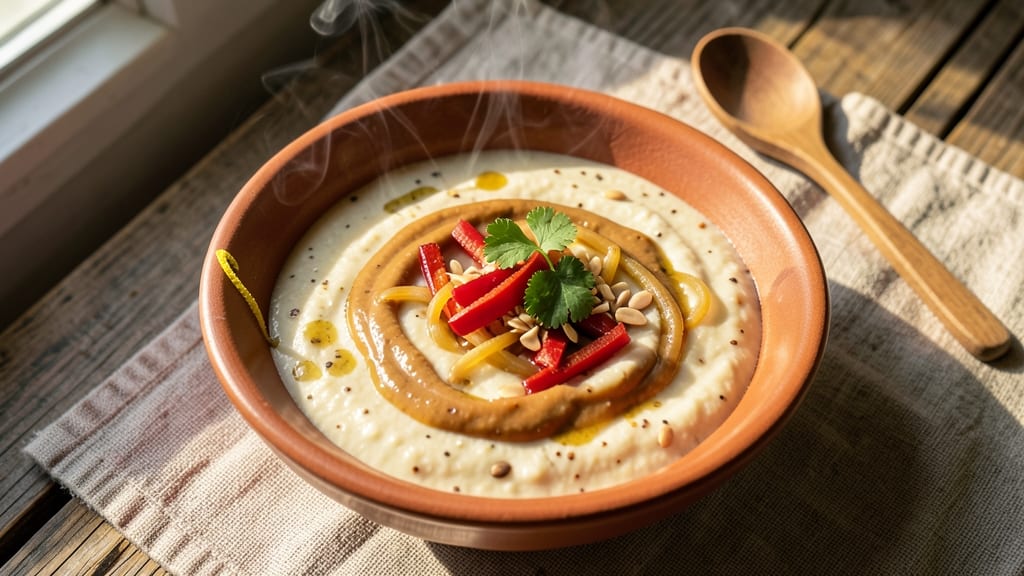
This African pumpkin soup recipe brings the rich, warming flavors of West African cuisine to your kitchen table. 🌱 The earthy sweetness of pumpkin blends seamlessly with spicy ginger, smoky peanut butter, and aromatic peppers, creating a hearty vegetarian dish that's both comforting and deeply flavorful.
Inspired by traditional Nigerian cooking, this soup is traditionally served with fufu or rice, but it's equally delicious on its own.
The secret to this soup lies in its balanced flavors—ginger adds a gentle heat, peanut butter provides depth, and fresh herbs brighten every spoonful. Unlike many pumpkin soups, this version relies on a plant-based broth (or vegetable stock) to keep it vegetarian-friendly while maintaining authentic taste.
The soup simmers slowly, allowing the flavors to meld into a harmonious, velvety texture that's perfect for cooler weather.
What makes this recipe special is how approachable it is. You'll start by peeling and puréeing pumpkin (or using canned for convenience), then building layers of flavor with toasted peanut butter, ginger, and a touch of palm oil or coconut oil for richness.
The result is a soup that's creamy, aromatic, and packed with warmth—ideal for feeding a crowd or enjoying a cozy meal at home.
Serve it with crusty bread, steamed rice, or traditional African sides like moi moi or plantain chips. The soup reheats beautifully, making it perfect for meal prep. Let's get cooking!
Ingredients for african pumpkin soup
Six ingredients bring West African warmth to your kitchen—creamy, spicy, and deeply comforting.
| Ingredient | Amount | Notes |
|---|---|---|
| Fresh Pumpkin 🎃 | 2 lbs | Peeled, seeded, cubed (or canned pumpkin) |
| Vegetable Stock 💧 | 4 cups | Low-sodium preferred |
| Peanut Butter 🥜 | ½ cup | Natural, unsweetened (creamy or crunchy) |
| Fresh Ginger 🌿 | 2 tbsp | Grated, fresh preferred |
| Red Bell Pepper 🌶️ | 1 whole | Seeded, diced |
| Yellow Onion 🧅 | 1 whole | Medium, diced |
| Garlic Cloves 🧄 | 4 cloves | Minced |
| Palm Oil 🫒 | 2 tbsp | Or coconut oil for substitute |
| Fresh Thyme 🌿 | 1 tbsp | Leaves only, chopped |
| Fresh Cilantro 🌿 | ¼ cup | Chopped, stems removed |
| Salt 🧂 | 1 ½ tsp | Adjust to taste |
| Black Pepper 🌶️ | ½ tsp | Freshly ground |
| Cayenne Pepper 🔥 | ¼ tsp | Optional, for heat |
| Vegetable Oil 🫒 | 1 tbsp | For sautéing |
The pumpkin is the heart of this soup—fresh is ideal, but canned works in a pinch (just skip peeling/seeding). Local markets or Trader Joe's often have affordable fresh pumpkin, or grab a small sugar pumpkin for natural sweetness. The peanut butter? Natural, unsweetened is key—no added sugar or oils. Toast it lightly in a dry pan for 2-3 minutes to deepen the flavor. Ginger loses potency fast, so buy fresh and grate it yourself—the difference is noticeable. For the palm oil, African markets or specialty stores carry it, but coconut oil works just as well if you can't find it.
No fresh ginger? Ground ginger at half the amount gets you close, but it's not the same. Swap the red bell pepper for green bell or jalapeño if that's what's on hand—just adjust heat to taste. The vegetable stock can be homemade or store-bought (Pacific Foods or Imagine brands are great). For extra richness, stir in 1 tbsp tahini at the end. The cayenne is optional, but if you love heat, add it gradually—you can always tone it down later. Fresh herbs are best, but dried thyme at one-third the amount works if you're in a bind.
This soup tastes even better the next day—flavors meld beautifully when reheated. Store in airtight containers for 4-5 days in the fridge or freeze for 3 months. I like to make a double batch and freeze half for lazy weeknights. To reheat, add a splash of water or stock—it's thicker than most soups. Serve with crusty bread or jollof rice to soak up every last drop.
Why You'll Love This Recipe
- One-Pot Magic: I swear by this recipe—just chop, simmer, and stir. No blender, no fuss, no extra pots. The peanut butter and ginger blend right into the pumpkin stock while you prep the bell peppers, and suddenly, dinner’s ready.
- Peanut Butter Power: Honestly, the peanut butter isn’t just an ingredient—it’s the star. That rich, toasty depth cuts through the pumpkin’s sweetness, while the fresh ginger adds a zing that makes it feel like a hug in a bowl. (Yes, even on a Tuesday night.)
- Leftover Goldmine: This soup only gets better the next day. The flavors meld into something even more comforting, and it reheats like a dream. I make a double batch on Sundays—one for dinner, one for lunches all week.
- Budget-Friendly Luxury: Fresh pumpkin and bell peppers might sound fancy, but they stretch across multiple meals. The peanut butter adds creaminess without breaking the bank, and vegetable stock keeps costs low while packing flavor. It’s the kind of recipe that feels special but won’t drain your wallet.
Step-by-step instructions for African pumpkin soup
This rich, aromatic soup comes together in layers of flavor—start with the base, then build the heat.
🍳 Step 1: Sauté the Aromatics Until Fragrant
Heat the 1 tablespoon vegetable oil in a large pot over medium heat. Add the diced yellow onion and cook for 3-4 minutes until softened and translucent. I like to stir occasionally so nothing sticks to the bottom.
Add the diced red bell pepper and cook for another 3 minutes until it begins to soften. Here's the thing—don't rush this step. You want the vegetables to release their natural sweetness and develop that deep, caramelized flavor that forms the base of the soup.
Next, stir in the minced garlic cloves and chopped fresh thyme, cooking for 30 seconds until the garlic becomes fragrant. You'll know it's ready when the kitchen fills with that warm, earthy aroma—this is the foundation of your soup's flavor profile.
🔥 Step 2: Add Spices and Cook Until Toasted
Lower the heat to medium-low and add the 2 tablespoons grated fresh ginger, 1.5 teaspoons salt, 0.5 teaspoon black pepper, and 0.25 teaspoon cayenne pepper. Stir everything together and cook for 1 minute until the spices begin to release their oils and the mixture smells deeply aromatic.
This is where the magic happens. The ginger will start to soften slightly, and the spices will toast just enough to bring out their natural warmth. Don't let it burn—just enough to wake up those flavors. If it starts to darken too quickly, reduce the heat slightly.
🥘 Step 3: Build the Soup with Pumpkin and Stock
Increase the heat back to medium-high and add the 2 tablespoons palm oil. Stir in the 2 lbs cubed fresh pumpkin and cook for 2-3 minutes until the pieces begin to soften slightly. This step helps develop a nice texture in the finished soup.
Pour in the 4 cups vegetable stock and bring the mixture to a gentle boil. Once boiling, reduce the heat to low-medium and let it simmer uncovered for 20-25 minutes until the pumpkin is fork-tender and the soup has thickened slightly. You'll know it's ready when the pumpkin pieces break down easily and the soup has a velvety consistency.
Here's a pro tip: If the soup looks too thick before the pumpkin is fully cooked, add a splash of water to help it along. The pumpkin should be soft enough to mash slightly with a fork when you test it.
👨🍳 Step 4: Finish with Peanut Butter and Herbs
Remove the pot from heat and let it cool slightly for 2-3 minutes. This prevents the peanut butter from seizing up. Stir in the 0.5 cup peanut butter until completely smooth and creamy. You might need to add a splash of the soup to help it incorporate fully.
Return the soup to low heat and stir in the 0.25 cup chopped fresh cilantro. Taste and adjust the seasoning with more salt if needed. The peanut butter should give the soup a rich, nutty depth that balances the earthy pumpkin and spicy kick from the cayenne.
⏰ Step 5: Rest and Serve Warm
Let the soup sit off the heat for 5 minutes to allow all the flavors to meld together. This resting period is crucial—it lets the peanut butter fully integrate and the spices develop their full aroma.
Ladle the soup into bowls and serve immediately. The soup should be thick but still spoonable, with a beautiful golden hue from the spices and pumpkin. Each bite should deliver a perfect balance of creamy peanut butter, spicy ginger heat, and the natural sweetness of the pumpkin.
For extra richness, garnish with additional cilantro and a drizzle of the palm oil. This soup tastes even better the next day as the flavors continue to develop, so feel free to make a double batch!
Pro Tips For Making African Pumpkin Soup
- Roast the Pumpkin First: Ditch the raw chunks—roast the pumpkin at 400°F (200°C) for 20-25 minutes until tender and caramelized. This builds natural sweetness and thickens the soup without extra starch. (Yes, it’s an extra step, but your spoon will tell you it’s worth it.)
- Toast the Peanut Butter: Heat the peanut butter in the pot for 2-3 minutes before adding liquid—this deepens its flavor and prevents clumping. Skip this, and you’ll just taste generic peanut butter instead of rich, nutty depth.
- Control the Ginger Heat: Finely grate fresh ginger and let it sit for 10 minutes before adding to the soup. This mellows the sharpness and lets the aroma bloom. (I learned this after burning my mouth the first time.)
- Simmer Low and Slow: After adding stock, reduce to a gentle simmer—no boiling. High heat turns peanut butter soup greasy and separates the flavors. A steady 15-20 minutes on low is all it takes for everything to marry.
Dietary considerations for these flavors
Vegetarian-Friendly Base
This soup is naturally vegetarian, relying on vegetable stock instead of meat-based broths. For extra depth, I recommend using Pacific Foods or Imagine low-sodium vegetable stock—both brands have clean, flavorful profiles that work beautifully.
If you're making a vegan version, simply swap the palm oil for coconut oil and ensure your peanut butter is certified vegan. 🌱
Peanut Butter Swaps
For those avoiding peanuts, sunflower seed butter or cashew butter works perfectly—just use the same ½ cup measurement. I've tested this substitution and found it maintains the creamy texture while offering a slightly nutty, earthy flavor.
If you're allergic to nuts entirely, a ¼ cup tahini mixed with ¼ cup coconut milk creates a similar richness without the peanut base.
Gluten-Free Adaptation
All ingredients in this recipe are naturally gluten-free, but double-check your vegetable stock label for hidden gluten additives. Brands like Pacific Foods and Imagine clearly label their products, so you can trust their gluten-free status.
The peanut butter and spices are also safe, making this soup an excellent option for gluten-sensitive diets without any extra effort. ✨
Spice Level Control
The cayenne pepper adds heat, but you can easily adjust it to your preference. For a mild version, reduce to ¼ teaspoon or omit entirely. If you love spice, increase to ½ teaspoon and add a pinch of ground scotch bonnet for deeper heat.
I like to taste as you go—this soup is forgiving, and you can always tone it down later with a splash of coconut milk.
Protein Boost Options
To make this soup more substantial, stir in ½ cup cooked lentils or 1 cup chickpeas during the final simmer. Both add protein without overpowering the flavors. For a creamy option, blend in ½ cup silken tofu at the end for extra body.
These additions work especially well if you're serving the soup as a main dish rather than a side. 💪
Allergen Awareness
This recipe contains peanuts, so it's crucial to check labels if you have allergies. For nut-free kitchens, use the sunflower seed butter swap mentioned earlier. The ginger and garlic are common allergens, so be mindful if you're serving guests with sensitivities.
Always have an epinephrine auto-injector on hand if severe allergies are a concern—safety first! 🚨
Nutrition facts
Frequently asked questions
Can I use canned pumpkin instead of fresh?
Canned pumpkin works perfectly and saves time. Just use 2 cups unsweetened canned pumpkin (about 15 oz can) instead of fresh. Skip the peeling/seeding step, and you'll still get that creamy texture. For best results, choose plain pumpkin without added spices or sugar.
What's the best way to store leftovers?
Store in airtight containers in the fridge for 4-5 days or freeze for 3 months. The soup thickens when cold, so add a splash of water or stock when reheating. For freezing, cool completely first to prevent condensation buildup.
How can I make this soup spicier?
Add ½ teaspoon ground scotch bonnet or 1 sliced fresh scotch bonnet with the ginger. For a smoky kick, stir in ½ teaspoon smoked paprika at the end. Remember, you can always tone it down with coconut milk later if needed.
What sides pair well with this soup?
Try steamed jasmine rice, garlic bread, or plantain chips for crunch. For a traditional African touch, serve with fufu or cocoyam. The creamy soup balances perfectly with these hearty accompaniments.
Why does my soup look too thin?
Simmer uncovered for 5-10 extra minutes to reduce the liquid. If still too thin, mash some of the cooked pumpkin against the pot sides to thicken naturally. Avoid adding flour—it'll change the flavor profile.